Category

Skin & Hair Care

Category

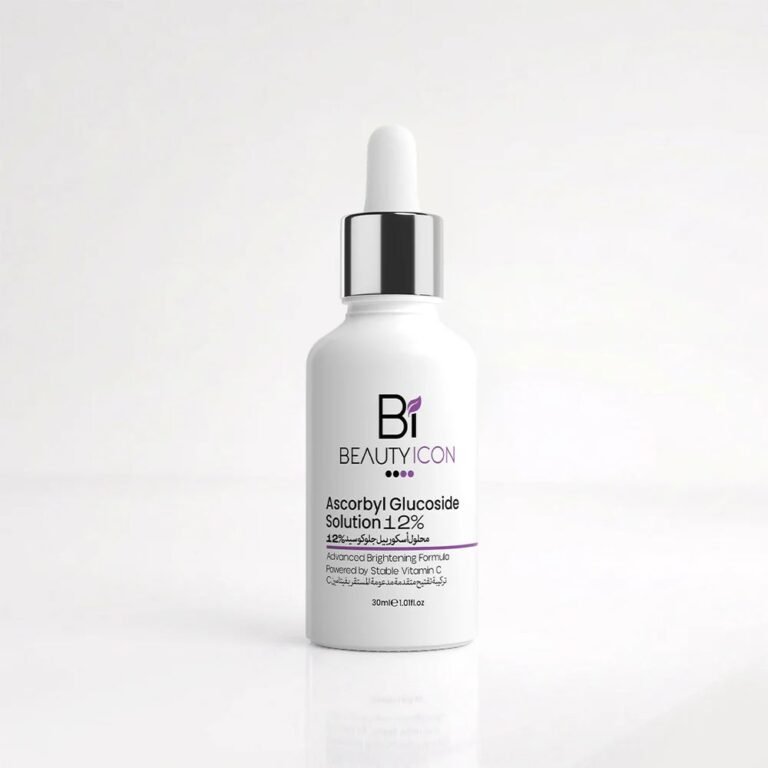
In Pakistan, skin care has become a serious element of daily routines. Whether in Karachi or Lahore, women and men are desperate for solutions that provide them brighter, whiter skin and glowing even toned face. When you have more products in the market, however, one particular product has shown great promise – whitening serum. It is super light, easily absorbed and contains the active ingredients that penetrate deeper into the skin layers than cream can ever reach.

What Is a Whitening Serum and How Does It Work

A whitening serum is an intensive skin care formula designed to minimize the appearance of age spots, uneven skin tone, hyperpigmentation and dullness. It has a concentration of active components such as Vitamin C, niacinamide, kojic acid, arbutin and hyaluronic acid in a much higher ratio than that of a moisturizer. They act collectively to inhibit melanin synthesis in the skin, which is the basic cause of dark spots and an uneven skin tone.

It is typically a lightweight, liquidy texture that allows for fast absorption into the skin without leaving behind an oily residue. It also makes it perfect for oily skin, which is very common in the warm and humid climate of Pakistan.

Reduces Dark Spots and Hyperpigmentation

Dealing with dark spots and hyperpigmentation is one of the more prominent reasons why some people in Pakistan use whitening serum. Its summer months are not something you can escape from really when it comes to sun exposure. UV rays stimulate over-production of melanin that brings about dark spots, gray skin (luckily no patches) and a sallow appearance!

A good serum both helps break down existing dark spots and prevents more in the future with regular use. It has its origins in traditional Chinese medicine due to its ability to restore: kojic acid and Vitamin C are two of the best ingredients for these cases, especially emphasizing those spots that have been there for years. The vast majority of users begin to see a clear and distinguishable impact on their skin color anywhere from four to six weeks, with consistent use.

Brightens the Overall Complexion

The other important advantage of whitening serum is that instead of targeting certain areas, it brightens the entire face. With pollution, stress, lack of sleep and harsh sun associated with Pakistani summers, a large number of individuals suffer from a tired-looking and dull complexion. The key to a good serum is that it can work at the cellular level, clearing dead cells and stimulating cell turnover to restore skin’s natural glow.

Serums containing Vitamin C are especially popular for this. These counteract free radicals driven by environmental destruction and provide the skin a renewed, stunning glow in weeks. When you have skin that does the work for you, you don’t need to slather on a ton of makeup to make your skin glow.

Fades Acne Scars and Blemishes

A major skin concern in Pakistan is acne as people in the teenage and young adulthood age are mostly affected by it. But the actual issue is not occurring at the point of that pimple. Acne has been known to leave scars and dark marks that take months to fade naturally. That is where whitening serum becomes an essential product in your application.

Found in many serums, niacinamide aids in the visible reduction of post-acne marks by soothing inflammation and promoting sunspot uniformity. Moreover, it also regulates excess sebum — which implies lesser breakouts down the line. An effective brightening and blemish correction serum can reduce the time it takes to fade blemishes dramatically compared to doing nothing.

Brightening but also delivers intense moisture

Another fact that people forget is that a lot of whitening serums are also deeply moisturizing. Hyaluronic acid and other similar ingredients draw in moisture and bind it to the skin to keep it plump, smooth, supple, and healthy. This is especially noticeable in dry winter, like the ones we have here in Islamabad and Lahore where your skin easily loses its moisture.

We also know that when the skin is well moisturized it reflects light better and therefore has a more natural glow. Apply as much make-up, creams or other products on top of dehydrated skin and consequently it appears flat and tired. A whitening serum that offers dual-action brightening and hydration delivers both results without the effort of multiple products.

Packaged in a travel-friendly squeeze tube, the formula is silky to the touch and spreadable enough for mass application all over skin.

Whitening serum is handy enough to be included in any routine, and that is among its most practical advantages! Goes on light enough for under sunscreen in the daytime and does just as well as the first step of your evening after cleansing. It does not block pores and feels lightweight on oily skin because it is lakka or thick.

Oily and combination skin types are more common than dry skin in Pakistan, where lightweight serum is much better suited for an everyday scenario than heavy creams. It helps jog dry skin peeps, too, since the serum provides added hydration without needing them to layer on product after product.

Protects Skin From Environmental Damage

Pakistani cities experience high level of air pollution round the year. You are conditioned with information up to October 2023. Antioxidant-rich formulas in whitening serums focus on preventing this damage from becoming permanent.

Specifically in Vitamin C it is one of the strongest antioxidants used in skin care. It doesn’t simply add luminosity to the skin, but it also places an invisible shield against airborne irritants and free radical. By incorporating some whitening serum into your morning routine you give your skin an extra layer of defense against the everyday environment it is exposed to.

Quicker Results Than Normal Creams

One often asked question is; why to go for serum and not a regular fairness cream? This is a direct consequence of how each product has been formulated. Creams are put on to sit on the skin and moisturise. Serums are concentrated and meant to be absorbed into the deeper layer of your skin, setting them up as highly effective vehicles for specific active ingredients right where they can do the most good.

The serum molecules are smaller so they penetrate the skin quicker and know how to work better. That is why the majority of people have said that they see visible results using a whitening serum within four to eight weeks while regular creams can not change much in time. Serums are the intelligent solution for real results, without so many months of wait.

Correct way of using whitening serum

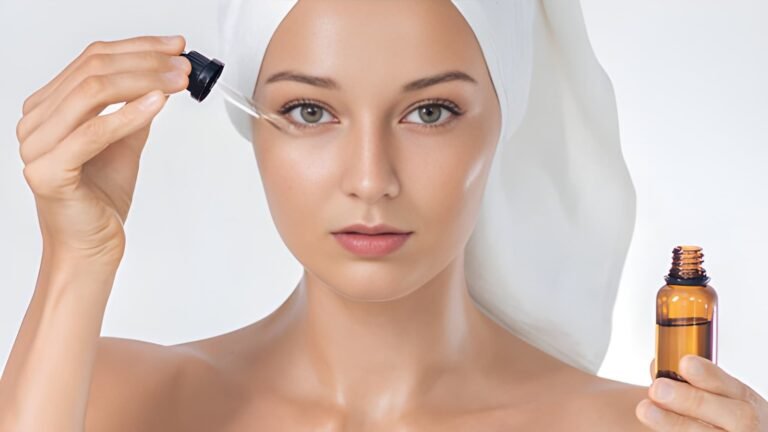
Using the product in the correct way leads to achieving better results. Wash your face first, and apply 2-3 drops of the serum with the use of fingers on your face. Allow it to be fully absorbed before putting moisturizer or sunscreen over.

Always seal it in with a broad-spectrum SPF for daytime use. This also means that if you use the serum without a sunblock, then UV will constantly re-pigment your skin, so the ingredients cannot do their job, all because of having no shield. For night,you can follow the serum with a nourishing moisturiser that seals the goodness during your sleep.

To Read More: Click Here

Final Thoughts

Taking care of the skin is an investment in yourself, your confidence. Whitening serum is one of the most powerful and efficient products that you can incorporate into your routine right now. No matter what you’re looking for, whether your issue is dark spots, dullness or acne scars, you will find a serum that works. Do a patch test first, be diligent and wear sun protection daily. The proof is in the pudding.

WEBPEAK
Daily skin issues like excess oil, dryness, dullness, and sensitivity often come from using harsh cleansing products that disrupt the skin’s natural balance. Many people switch between different soaps without finding one that truly works for all their skin needs.

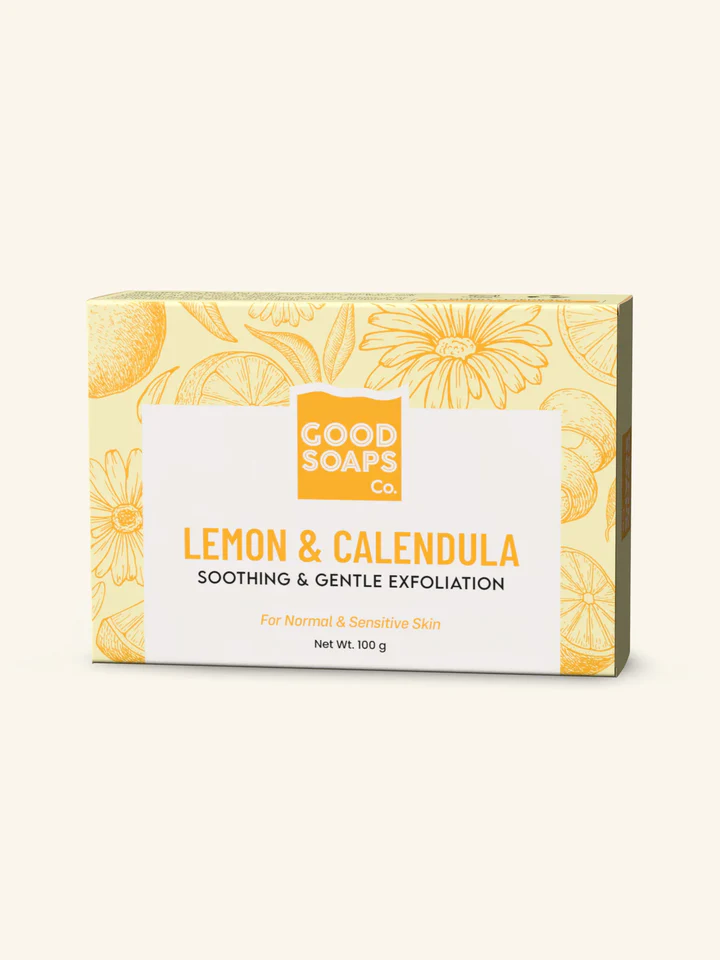
Lemon & Calendula Soap by GoodSoaps is designed as a balanced natural cleanser that supports multiple skin concerns at once. It combines the refreshing properties of lemon with the soothing nature of calendula to create a gentle yet effective skincare solution suitable for everyday use.

Instead of targeting only one skin type, this soap is formulated to support overall skin health, making it a practical choice for people looking for a simple and natural cleansing routine.

Why Skin Needs a Balanced Cleanser

The skin is constantly exposed to pollution, sweat, oil buildup, and environmental stress. If the cleanser is too strong, it can strip natural oils and cause dryness. If it is too mild, it may not clean properly.

A balanced cleanser like Calendula Soap helps maintain the skin’s natural barrier while effectively removing impurities. This balance is important for long-term skin health and daily comfort.

How Lemon & Calendula Soap Works on the Skin

Lemon for Cleansing and Freshness

Lemon extract plays an important role in deep cleansing. It helps remove excess oil, dirt, and surface impurities that build up throughout the day.

How lemon supports the skin:

  • Helps control oil buildup
  • Cleans clogged pores gently
  • Refreshes dull-looking skin
  • Leaves a clean, fresh feeling after use

This makes it especially helpful for people who experience oily skin or a greasy feel after a few hours.

Calendula for Comfort and Skin Calmness

Calendula is known for its gentle and calming nature. It helps balance the stronger cleansing action of lemon by soothing the skin after washing.

How calendula supports the skin:

  • Helps reduce irritation caused by harsh soaps
  • Supports skin comfort after cleansing
  • Helps maintain softness and hydration feel
  • Suitable for daily sensitive-skin care

This ingredient makes the soap suitable even for users who usually react to strong cleansers.

Common Skin Concerns This Soap Helps With

1. Oily and Greasy Skin

Excess oil production is one of the most common skin concerns. Lemon Soap helps remove surface oil and leaves the skin feeling clean and balanced without over-drying it.

2. Dull and Tired-Looking Skin

Environmental stress and pollution can make skin look dull. Regular cleansing with this soap helps refresh the skin and restore a cleaner, healthier appearance.

3. Mild Skin Sensitivity

Some soaps can cause itching or discomfort after use. Calendula helps reduce this effect by soothing the skin and supporting a more comfortable cleansing experience.

4. Uneven Skin Texture

Regular cleansing with a balanced formula helps maintain smoother skin texture by keeping pores clean and reducing buildup over time.

Daily Skincare Routine with Lemon & Calendula Soap

To get the best results, it is important to use the soap correctly as part of a daily routine.

Morning Routine:

  • Wash face with lukewarm water
  • Use GoodSoaps Lemon & Calendula Soap gently
  • Follow with a light moisturizer
  • Apply sunscreen before going out

Evening Routine:

  • Remove dirt and oil buildup from the day
  • Cleanse thoroughly with the soap
  • Apply moisturizer to restore hydration

Consistency is key for visible improvement in skin texture and freshness.

Face vs Body Use

For Facial Skin:

The soap helps control oil, refreshes skin, and maintains a clean appearance without harsh effects.

For Body Skin:

It removes sweat, pollution, and daily buildup while keeping the skin feeling soft and refreshed.

Because of its balanced formula, it works well for both face and body use.

Why Natural Soap Is a Better Choice

Switching to natural soap can significantly improve skin comfort over time. Many commercial soaps contain synthetic chemicals that may cause dryness or imbalance.

Benefits of natural formulation:

  • Gentle cleansing without harsh chemicals
  • Better skin compatibility
  • Reduced risk of irritation
  • More balanced moisture retention

GoodSoaps focuses on natural skincare principles to support healthier daily cleansing without unnecessary additives.

Who Should Use This Soap?

This soap is suitable for:

  • People with oily or combination skin
  • Individuals with mild sensitivity
  • Those exposed to pollution or dust daily
  • Anyone looking for a simple, natural skincare routine

It is designed to be versatile rather than restrictive to one skin type.

Tips for Better Skin Results

To improve results over time:

  • Avoid washing with very hot water
  • Do not over-cleanse the skin
  • Always apply moisturizer after washing
  • Stay consistent with daily use
  • Keep your skincare routine simple and gentle

Small habits make a big difference in long-term skin health.

Conclusion

GoodSoap offers a balanced approach to everyday skincare by combining cleansing and soothing properties in one product. Lemon helps refresh and purify the skin, while calendula supports comfort and softness after cleansing.

This makes it a practical option for people dealing with multiple skin concerns such as oiliness, dullness, or sensitivity. With regular use, it supports cleaner, fresher, and more balanced skin without the harsh effects of chemical-based soaps.

If you are looking for a simple daily cleanser that works across different skin needs, Lemon & Calendula Soap by GoodSoaps is a reliable natural choice for long-term skincare support.

Hair loss is a growing concern for both men and women across different age groups. Stress, genetics, hormonal changes, lifestyle habits, and medical conditions can all contribute to thinning hair and reduced hair density. Among the many hair restoration options available today, PRP therapy has become one of the most preferred non-surgical treatments for improving hair growth naturally.

However, many patients often wonder whether the PRP hair treatment cost differs for men and women. While the procedure itself is generally similar, several factors such as hair loss patterns, scalp condition, treatment goals, and session requirements can influence the overall pricing.

In this article, we will explore the differences in PRP hair treatment cost for men and women and understand the factors that affect pricing and results.

What Is PRP Hair Treatment?

PRP stands for Platelet-Rich Plasma therapy. It is a non-surgical treatment that uses the patient’s own blood to stimulate hair follicles and encourage natural hair growth.

The process involves:

  1. Drawing a small amount of blood
  2. Separating platelet-rich plasma using a centrifuge machine
  3. Injecting the concentrated plasma into thinning areas of the scalp

The growth factors present in PRP help strengthen weak hair follicles, improve scalp health, and reduce hair fall.

Because PRP uses natural biological components from the patient’s body, it is considered safe and minimally invasive.

Average PRP Hair Treatment Cost in India

The average PRP hair treatment cost in India typically ranges between ₹3,000 and ₹15,000 per session.

The total cost depends on:

  • Number of sessions required
  • Clinic expertise
  • Doctor qualifications
  • Technology used
  • Severity of hair loss

Most patients require multiple sessions over several months for visible results.

Is PRP Hair Treatment Cost Different for Men and Women?

In many cases, the basic per-session pricing for PRP therapy remains similar for both men and women. However, the total treatment cost may differ because hair loss patterns and treatment needs often vary between genders.

Several important factors influence the final treatment expense.

Hair Loss Patterns in Men

Men commonly experience androgenetic alopecia, also known as male pattern baldness. This condition usually affects:

  • The hairline
  • Crown area
  • Top of the scalp

Male hair loss often progresses gradually and may lead to significant baldness over time.

Men with advanced hair loss may require:

  • More PRP sessions
  • Combination treatments
  • Hair transplant procedures alongside PRP

This can increase the total PRP hair treatment cost for some male patients.

Hair Loss Patterns in Women

Women generally experience diffuse hair thinning rather than complete bald patches. Female hair loss often appears as:

  • Reduced hair density
  • Widening of the hair part
  • Overall scalp thinning

Hormonal changes, pregnancy, stress, thyroid disorders, and nutritional deficiencies commonly contribute to hair thinning in women.

Because women often seek treatment earlier during the thinning stage, PRP therapy may sometimes require fewer sessions and deliver faster improvements.

However, severe cases of female hair thinning may still involve long-term maintenance treatments.

Scalp Condition and Hair Density

Scalp condition plays an important role in determining the overall PRP hair treatment cost for both men and women.

Patients with:

  • Severe follicle damage
  • Poor scalp health
  • Extensive thinning

may require additional sessions and supportive therapies to achieve optimal results.

People with healthier follicles and early-stage hair loss usually respond more quickly to PRP treatment, reducing overall treatment expenses.

Number of Sessions Required

The number of PRP sessions significantly affects total cost.

Men May Require:

  • More sessions for advanced baldness
  • Maintenance treatments for ongoing hair loss
  • Combination therapy with hair transplants

Women May Require:

  • Sessions targeting diffuse thinning
  • Hormonal evaluations
  • Nutritional support alongside PRP

Although treatment plans vary individually, session count remains one of the biggest factors affecting overall pricing.

Combination Treatments Can Increase Cost

In some cases, PRP therapy is combined with additional procedures for better hair restoration outcomes.

Common combination treatments include:

  • Hair transplants
  • Mesotherapy
  • GFC therapy
  • Laser scalp therapy

Men experiencing advanced baldness are more likely to combine PRP with hair transplant surgery, which can significantly increase expenses.

Women may also use PRP alongside treatments for hormonal or nutritional hair loss causes.

Clinic Expertise and Technology

The clinic’s reputation and medical expertise affect pricing for both men and women.

Advanced clinics often use:

  • Modern centrifuge systems
  • High-quality PRP kits
  • Experienced hair restoration specialists

These factors may increase the PRP hair treatment cost, but they can also improve treatment quality and success rates.

Choosing an experienced specialist is important regardless of gender.

Recovery and Maintenance

PRP therapy involves minimal downtime for both men and women. Most patients can resume daily activities shortly after treatment.

However, maintenance sessions are usually required every few months to sustain results.

Patients who maintain:

  • Healthy diets
  • Proper scalp care
  • Stress management
  • Medical follow-ups

often experience longer-lasting improvements and may require fewer touch-up sessions.

How to Choose the Right PRP Clinic

Whether you are male or female, selecting the right clinic is essential for achieving safe and effective results.

Before starting treatment:

  • Check doctor qualifications
  • Read patient reviews
  • Ask about technology used
  • Understand package pricing
  • Request a complete treatment plan

Avoid choosing clinics solely based on the lowest price, as poor-quality procedures may lead to disappointing outcomes.

Is PRP Worth the Cost for Both Men and Women?

For many patients, PRP therapy is a worthwhile investment because it offers:

  • Non-surgical hair restoration
  • Minimal recovery time
  • Natural-looking improvement
  • Reduced hair fall
  • Better hair thickness

The treatment works best for individuals with early to moderate hair thinning rather than complete baldness.

Both men and women can benefit significantly from PRP when treatment begins early and is performed by experienced professionals.

Conclusion

The PRP hair treatment cost for men and women is not always drastically different, but factors such as hair loss patterns, scalp condition, treatment goals, and maintenance needs can influence the total expense.

Men experiencing advanced baldness may require more sessions or combination procedures, while women with diffuse thinning may benefit from earlier intervention and customized treatment plans.

Ultimately, the best way to determine the right treatment approach is through consultation with a qualified hair restoration specialist. By understanding the factors that affect pricing and results, patients can make informed decisions and achieve healthier, fuller hair with confidence.

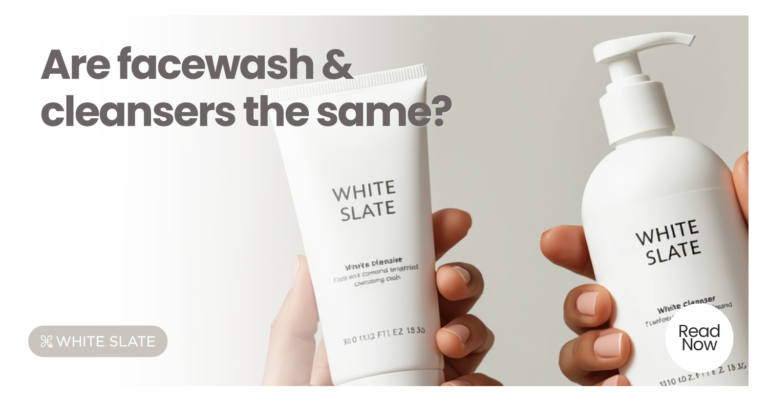
When it comes to skincare, the terms facewash and cleanser are often used interchangeably. Walk into any store or browse online, and you’ll see products labeled as both—sometimes even on the same bottle. This naturally leads to confusion: are they really the same, or is there a difference? The short answer: not exactly. While both serve the primary purpose of cleaning your skin, they differ in formulation, texture, and how they interact with your skin type.

In this in-depth guide, we’ll break down everything you need to know about facewash vs cleansers so you can choose the right product for your skincare routine.

What Is a Facewash?

A facewash is a foaming cleanser designed to deeply clean your skin. It usually comes in gel or liquid form and creates lather when mixed with water.

Key Features of Facewash:

  • Produces foam or lather
  • Removes dirt, oil, and impurities effectively
  • Ideal for oily and acne-prone skin
  • Gives a fresh, squeaky-clean feeling

Facewashes are particularly helpful for people who deal with excess oil, clogged pores, or frequent breakouts. However, some formulations can be slightly drying if overused.

What Is a Cleanser?

A cleanser is a broader category of skincare products that includes creams, lotions, balms, and milks. Unlike facewashes, cleansers are usually non-foaming and focus on gently removing dirt without stripping the skin.

Key Features of Cleansers:

  • Non-foaming or low-foaming
  • Hydrating and soothing
  • Suitable for dry and sensitive skin
  • Maintains skin’s natural moisture barrier

Using a Gentle cleanser can help keep your skin soft and balanced while effectively removing impurities.

Facewash vs Cleanser: Key Differences

Let’s break down the differences more clearly:

1. Texture and Consistency

  • Facewash: Gel-based or liquid, foamy
  • Cleanser: Creamy, milky, or balm-like

2. Skin Type Suitability

  • Facewash: Best for oily and acne-prone skin
  • Cleanser: Best for dry, sensitive, or normal skin

3. Cleansing Power

  • Facewash: Deep cleans and removes excess oil
  • Cleanser: Mild cleansing, focuses on hydration

4. After-Feel

  • Facewash: Fresh and oil-free
  • Cleanser: Soft and moisturized

Can You Use Both Together?

Yes—and in fact, many skincare experts recommend it. This method is called double cleansing.

Step 1:

Use a cleanser to remove makeup, sunscreen, and surface impurities.

Step 2:

Follow with a facewash to deeply clean pores and remove leftover residue.

This combination ensures your skin is thoroughly clean without being overly stripped.

Choosing the Right Product for Your Skin Type

Selecting between a facewash and a cleanser depends largely on your skin type.

Oily Skin

A gentle facewash can help control excess oil without causing irritation. Look for ingredients like salicylic acid or tea tree oil.

Dry Skin

Opt for a hydrating cleanser that doesn’t strip natural oils. Cream-based cleansers work best.

Sensitive Skin

Stick to mild, fragrance-free cleansers that calm and protect the skin barrier.

Combination Skin

You may benefit from using both—a cleanser in the morning and a facewash at night.

The Role of Cleansing in a Skincare Routine

Cleansing is the first and most essential step in any skincare routine. Without proper cleansing, other products like serums and moisturizers won’t work effectively.

After cleansing, applying a magical toner can help restore your skin’s pH balance and prepare it for better absorption of skincare products.

Should You Use Scrubs with Facewash or Cleanser?

Exfoliation is another important step, but it should not be confused with cleansing.

Using an alpha arbutin scrub occasionally can help remove dead skin cells and improve skin tone. However, over-exfoliation can damage your skin barrier, so limit it to 1–2 times per week.

Common Myths About Facewash and Cleansers

Myth 1: They Are Exactly the Same

While similar in purpose, they differ in formulation and benefits.

Myth 2: Foaming Means Better Cleaning

More foam doesn’t always mean better results. Over-foaming products can strip natural oils.

Myth 3: Oily Skin Doesn’t Need Moisturizing Cleansers

Even oily skin needs hydration to stay balanced.

Mistakes to Avoid While Cleansing

  • Washing your face too often
  • Using hot water instead of lukewarm
  • Choosing harsh products
  • Skipping cleansing before bed
  • Over-exfoliating

Avoiding these mistakes can improve your skin’s health significantly.

How Often Should You Cleanse Your Face?

Generally, cleansing twice a day is ideal:

  • Morning: Removes sweat and oil buildup
  • Night: Clears dirt, pollution, and makeup

If you have very dry skin, once a day (at night) may be enough.

Signs You’re Using the Wrong Product

  • Tight or dry feeling after washing
  • Increased breakouts
  • Redness or irritation
  • Excess oil production

If you notice these signs, it might be time to switch your product.

Expert Tips for Better Cleansing

  • Always remove makeup before washing
  • Use lukewarm water
  • Pat your face dry instead of rubbing
  • Follow up with toner and moisturizer
  • Be consistent with your routine

FAQs

1. Can I skip cleanser and use only facewash?

Yes, especially if you have oily skin, but combining both can improve results.

2. Is facewash bad for dry skin?

Not necessarily, but you should choose a gentle, hydrating formula.

3. Can I use cleanser without water?

Some cleansers (like micellar water) can be used without rinsing.

4. Which is better for acne: facewash or cleanser?

Facewash is generally more effective for acne-prone skin due to its deep-cleansing properties.

5. Can I use different products in morning and night?

Absolutely. Tailoring your routine can benefit your skin.

Final Thoughts

So, are facewash and cleansers the same? Not quite. While they share the same goal—cleaning your skin—their approach and benefits differ.

Facewashes offer deep cleansing and are ideal for oily skin, while cleansers provide gentle care and hydration for sensitive or dry skin. Understanding your skin type and needs is the key to making the right choice.

Instead of following trends, focus on what your skin truly requires. A balanced routine with the right products can make all the difference in achieving healthy, glowing skin.

Disclaimer

This content is for informational purposes only and does not replace professional dermatological advice. Always consult a skincare expert or dermatologist before introducing new products into your routine, especially if you have sensitive or problematic skin.

Dry skin needs more than just a basic moisturizer to stay healthy and glowing. Environmental stress, pollution, weather changes, and harsh skincare products can strip away natural moisture and weaken the skin barrier. This is why using a high-quality moisturizing serum for dry skin has become an essential step in modern skincare routines.

A lightweight and deeply nourishing serum can help restore hydration, improve skin texture, and reduce dryness-related discomfort. If you are searching for the ideal hydrating serum for dry skin, understanding the right ingredients and skincare approach is important for achieving long-lasting results.

People with sensitive skin also need gentle and non-irritating formulas. The right serum for dry sensitive skin face should hydrate the skin while supporting barrier repair and reducing irritation.

Why Dry Skin Needs a Hydrating Serum

Dry skin lacks enough moisture and natural oils to maintain softness and elasticity. As a result, the skin may feel tight, rough, flaky, or dull throughout the day.

Using a moisturizing serum for dryness helps:

  • Restore lost hydration
  • Improve skin softness
  • Reduce flaky patches
  • Strengthen the skin barrier
  • Support healthy glowing skin
  • Improve overall skin texture

Hydrating serums contain concentrated ingredients that penetrate deeper into the skin compared to regular moisturizers.

What Makes the Best Hydrating Serum for Dry Skin?

The ideal hydrating serum for dry skin should deeply nourish the skin without feeling heavy or sticky. Lightweight formulations work best because they absorb quickly while delivering essential moisture.

Look for these features:

  • Deep hydration support
  • Fast absorption
  • Lightweight texture
  • Barrier-repair ingredients
  • Gentle formula for sensitive skin
  • Daily usability

A good serum should work well with moisturizers and sunscreens as part of a complete skincare routine.

Best Ingredients in a Moisturizing Serum for Dry Skin

Hyaluronic Acid

Hyaluronic acid helps attract and retain moisture, making the skin appear plump, smooth, and hydrated.

Ceramides

Ceramides strengthen the skin barrier and help prevent moisture loss, which is especially important for dry and sensitive skin.

Niacinamide

Niacinamide improves skin texture and supports skin barrier health while helping reduce redness and irritation.

Aloe Vera

Aloe vera provides soothing hydration and helps calm sensitive skin.

Vitamin E

Vitamin E nourishes dry skin and protects against environmental stress.

Benefits of Using a Serum for Dry Sensitive Skin Face

Sensitive skin requires extra care because harsh products can trigger redness and irritation. A gentle serum for dry sensitive skin face can help maintain balanced and comfortable skin.

Benefits include:

  • Improved hydration
  • Reduced skin tightness
  • Better skin texture
  • Enhanced skin barrier support
  • Calmer and softer skin
  • Healthy natural glow

Using a hydrating serum regularly can help improve long-term skin health and comfort.

Common Mistakes That Worsen Dryness

Many people unknowingly damage their skin barrier by:

  • Overwashing the face
  • Using harsh cleansers
  • Skipping moisturizer
  • Using alcohol-based skincare products
  • Ignoring hydration

Adding the right moisturizing serum for dryness to your routine can help restore moisture balance and reduce dryness-related issues.

How to Apply Hydrating Serum Correctly

Step 1: Cleanse Gently

Use a mild cleanser suitable for dry or sensitive skin.

Step 2: Apply on Damp Skin

Apply 2–3 drops of serum on slightly damp skin for better absorption.

Step 3: Lock in Moisture

Follow with a moisturizer to seal hydration into the skin.

Step 4: Use Daily

Apply morning and night for the best results.

Why Lightweight Serums Are Trending

Modern skincare users prefer lightweight serums because they absorb quickly and provide effective hydration without heaviness. Hydrating serums also layer well with moisturizers, sunscreen, and makeup products.

A high-quality hydrating serum for dry skin helps:

  • Keep skin hydrated throughout the day
  • Improve softness and elasticity
  • Reduce dullness
  • Support smoother skin texture

Explore Hydrating Skincare with XYARA

XYARA focuses on skincare formulations designed to support hydration and healthier-looking skin. Their products are created with lightweight textures and nourishing ingredients suitable for daily skincare routines.

You can also explore the complete skincare guide on the official XYARA Blog to learn more about selecting the right face serum for dry and sensitive skin.

Final Thoughts

Choosing the right moisturizing serum for dry skin can make a significant difference in your skincare routine. A properly formulated hydrating serum helps nourish the skin, improve softness, and restore a healthy glow.

When selecting the best serum for dry sensitive skin face, focus on:

  • Gentle ingredients
  • Deep hydration
  • Barrier repair support
  • Lightweight texture
  • Daily comfort

Consistent use of a high-quality hydrating serum for dry skin can help maintain healthy, smooth, and comfortable skin throughout the year.

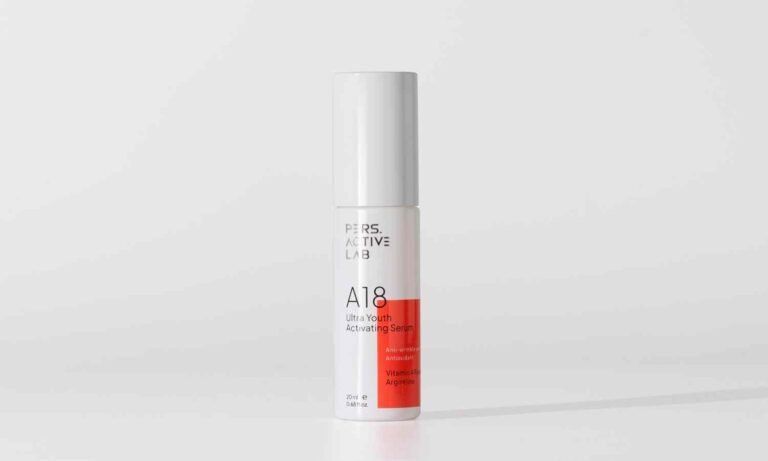
Walk into any beauty aisle or scroll through a skincare page today, and you will see one word appearing on almost every premium bottle: peptide. But within that broad family, there is one compound that dermatologists, formulators, and skincare researchers keep circling back to hexapeptide. It has quietly moved from clinical studies into the mainstream, and right now, it is reshaping what we expect from an anti-aging serum.

So what exactly is a hexapeptide, how does it work, and why is it generating so much attention in 2026? And why are personalized skin care products centred around it now outperforming mass-market alternatives? Let us break it down in plain language.

What Is a Hexapeptide?

A hexapeptide is a chain made up of exactly six amino acids, the building blocks that form every protein in your body, including collagen, elastin, and keratin. The prefix “hexa” simply means six. When these six amino acids are linked together in a specific sequence, they create a molecule small enough to pass through the outermost layer of skin and communicate directly with skin cells below.

The most well-known version is Acetyl Hexapeptide-8 (sometimes listed as Acetyl Hexapeptide-3 on older labels). This particular sequence was developed to mimic the effect of a protein fragment released when nerves signal muscles to contract. By blocking part of that signal, the peptide reduces the repetitive muscle micro-contractions responsible for expression lines, the fine lines that form around the eyes, forehead, and mouth over the years of smiling, squinting, and frowning.

This mechanism is why hexapeptide is often described as a topical alternative to neurotoxin injections. The comparison is not perfect, the effect is milder and requires consistent daily use but it is science-backed, non-invasive, and suitable for all skin types.

How Hexapeptide Fights Skin Aging at the Source

Skin aging happens through several overlapping processes happening simultaneously beneath the surface:

Collagen breakdown: From our mid-20s onward, collagen production slows by roughly 1% per year. The fibres that keep skin firm and bouncy gradually thin and fragment, leaving skin looser and more prone to wrinkling.

Muscle micro-contractions: Every time you raise an eyebrow or squint in sunlight, facial muscles contract repeatedly. Over thousands of repetitions across years, these contractions etch visible lines into the skin.

Loss of hydration: Mature skin holds less moisture at the cellular level, causing the plump, dewy appearance of youth to fade into a drier, more lined texture.

Free radical damage: UV exposure, pollution, and stress generate unstable molecules that damage collagen fibres and impair the skin’s own repair mechanisms.

Hexapeptide addresses two of these pathways directly — it relaxes the muscular contractions driving expression lines, and it signals fibroblast cells to produce more collagen and elastin. Some formulations combine hexapeptide with plant-derived peptides that further stimulate collagen regeneration, creating a compounding effect that works on both existing lines and prevents new ones from forming.

This dual mechanism is why high-quality anti aging serums built around hexapeptide outperform single-ingredient formulas. Rather than treating one sign of aging, they interrupt aging at multiple levels simultaneously.

Why Hexapeptide Is Trending So Hard in 2026

A few converging forces explain why this ingredient has moved from niche to mainstream.

The Botox conversation has shifted. Consumers — particularly in the 25–40 age group across Indian urban markets — are actively searching for non-invasive alternatives to clinical procedures. They want visible results without needles, downtime, or the expense of repeat clinic visits. Hexapeptide fits that brief precisely: it works on the same muscular mechanism as neurotoxins, minus the injection.

Preventive skincare is the dominant philosophy. Dermatologists no longer recommend waiting for wrinkles to appear before treating them. The current thinking, backed by market data showing anti-aging product adoption among Indian consumers under 30 growing faster than any other demographic, is that prevention is dramatically more effective than correction. Hexapeptide in an anti aging serum used from the mid-20s is now considered a cornerstone of preventive routines.

Ingredient literacy has increased. Skincare consumers in 2026 read labels. They understand the difference between a surface moisturiser and a serum with active ingredients that genuinely penetrate. Hexapeptide is verifiable — the research behind Acetyl Hexapeptide-8 is well-documented, making it easier for educated buyers to trust and choose.

Multi-active formulas have arrived. Early peptide serums were single-ingredient products. Today’s best formulations combine hexapeptide with complementary actives plant peptides, slow-release retinoids, hydrating phospholipids — to build a more complete anti-aging response. This sophistication has made the category far more effective than it was even three years ago.

Hexapeptide vs Other Anti-Aging Ingredients

It helps to understand how the hexapeptide fits alongside the other heavy hitters in the anti-aging world.

Retinol/Retinoids: Vitamin A derivatives drive cellular turnover and collagen synthesis but can cause irritation, peeling, and photosensitivity, especially at higher concentrations. They work at the deepest level of skin renewal but require a careful introduction period. Hexapeptide has none of these side effects and works on a completely different pathway. The two ingredients are genuinely complementary rather than competitive.

Hyaluronic Acid: A powerful humectant that draws moisture into the skin, creating an immediate plumping effect. It does not address the underlying structural causes of aging. Hexapeptide, by contrast, targets the muscle and collagen mechanisms driving lines and loss of firmness.

Vitamin C: A brightening antioxidant that protects collagen from free radical damage and fades hyperpigmentation. Excellent for overall skin health and radiance, but it does not act on expression lines directly.

Niacinamide: Strengthens the skin barrier, reduces pore appearance, and calms inflammation. Supportive rather than corrective for wrinkles.

Of all these, hexapeptide is the only topical ingredient that works via a neuromuscular pathway making it genuinely unique in the anti-aging toolkit. The smartest formulations bring hexapeptide, a retinoid, and plant peptides together in one serum, because each ingredient covers a different root cause of aging.

What to Look for in a Hexapeptide Serum

Not all hexapeptide serums are equal. When evaluating a product, look for these markers of quality:

Concentration matters. Research suggests meaningful efficacy begins at concentrations around 3% for Acetyl Hexapeptide-8. Products that list it low in the ingredient deck (near the bottom, after preservatives) are unlikely to deliver results.

Delivery system. Peptides are water-soluble molecules that need the right formulation to penetrate beyond the surface. A dual oil-and-water base significantly improves absorption. Products with phospholipids in the formula help transport actives deeper into the skin’s layers.

Complementary activities. The best results come from serums that pair hexapeptide with plant-derived peptides for collagen stimulation and a gentle retinoid for cellular renewal. This is the multi-pathway approach that modern personalized skin care products are built around, addressing your specific aging concerns rather than applying a one-size formula to every skin type.

Minimal unnecessary ingredients. Alcohol, artificial fragrance, mineral oil, silicones, and parabens can undermine the serum’s performance or trigger sensitivity. A clean, purposeful ingredient list is a strong signal of a well-engineered formula.

Stable, airtight packaging. Peptides degrade when exposed to air and light. Look for pumps or sealed airless dispensers rather than open-jar packaging.

How to Use a Hexapeptide Serum Correctly

Even the best serum delivers poor results if it is applied incorrectly. Follow these steps for maximum benefit:

Apply morning and evening to clean, toned skin. Hexapeptide is stable enough for both AM and PM use, unlike some actives that are UV-sensitive.

Use a pea-to-almond-sized amount for the face and neck. The skin on the neck ages at the same rate as the face and is often neglected.

Allow full absorption usually 60 seconds before layering a moisturiser on top. Applying cream too quickly dilutes the serum’s contact with the skin.

If your serum contains a retinoid alongside hexapeptide, introduce it gradually three nights per week for the first month — before moving to daily use. This prevents the adjustment period that retinoids can cause in some skin types.

Consistency is non-negotiable. The hexapeptide’s effect on muscle contractions is cumulative. Clinical studies show visible improvement in fine lines after 4–8 weeks of daily use, with continued improvement over six months.

Future of Personalized Skincare and Hexapeptide

One of the most exciting developments in the skincare industry right now is the intersection of hexapeptide science with personalized skin care products. Rather than offering a single mass-market formula, leading brands are now building anti-aging serums calibrated to individual skin profiles — factoring in skin type, environmental exposure, hormonal patterns, and specific aging concerns.

This shift matters because aging is not a uniform process. Someone dealing primarily with expression lines around the eyes needs a different hexapeptide concentration and complementary ingredient stack than someone managing deep forehead furrows or overall loss of facial firmness. Personalized skin care products that account for these differences deliver outcomes that generic serums simply cannot match.

AI-assisted skin analysis, now available through dedicated skincare apps, is making this level of personalization accessible outside dermatology clinics. A selfie-based measurement can identify which aging pathways are most active in your skin, allowing the formulation to be targeted accordingly. The result is smarter, more efficient anti-aging care, and the hexapeptide is at the centre of it.

Frequently Asked Questions

Hexapeptide specifically Acetyl Hexapeptide-8 works by mimicking a nerve signal fragment that tells facial muscles to relax. By reducing the intensity of micro-contractions responsible for expression lines, it smooths existing fine lines and prevents new ones from deepening. It also signals fibroblast cells to produce more collagen, improving firmness over time.

Yes. Hexapeptide is one of the gentlest active ingredients in anti-aging skincare. Unlike retinol, it does not cause purging, peeling, or photosensitivity. It is suitable for all skin types, including reactive and rosacea-prone skin, and can be used morning and evening without an adjustment period.

Most users notice an improvement in skin texture and a softening of surface lines within 4–6 weeks of consistent daily use. Deeper wrinkles and significant firmness improvements typically take 8–12 weeks. Results are progressive and cumulative the longer and more consistently you use it, the more pronounced the outcome.

Because aging is individual. Pollution, UV exposure, stress, genetics, and lifestyle all determine which aging pathways are most active in your skin. Personalized skin care products formulated around your specific profile deliver targeted ingredients at the right concentrations rather than a diluted blend designed for the broadest possible audience. For the hexapeptide in particular, concentration and complementary ingredient pairing make a significant difference in outcome.

Which serum is best for anti ageing? Choose collagen serum, peptide serum or a vitamin C serum depending on your concern. All three help with firmness, fine lines and brightness.

Lauder Advanced Night Repair for overall repair, Clarins Double Serum for firming, and L’Oréal Revitalift 1.5% Hyaluronic Acid for hydration. Key ingredients to look for include retinols, peptides, and Vitamin C to target wrinkles, collagen loss, and dullness.

Life on Sarjapur Road in Bangalore moves fast—almost like a never-ending treadmill. Between long work hours, traffic, and daily responsibilities, finding time to relax can feel impossible. But what if relaxation came to you instead of the other way around?

That’s exactly what Home Spa Services on Sarjapur Road Bangalore offer. Imagine turning your living room into a calming spa, where stress melts away without stepping outside. Sounds perfect, right? Let’s explore how this growing trend is transforming wellness for busy individuals and families.


1. Growing Demand for Home Spa Services

Sarjapur Road has become one of Bangalore’s busiest residential and IT corridors. With professionals working long hours and managing hectic schedules, stress has quietly become a daily companion.

That’s where home spa services step in—offering relaxation without the hassle of travel. More people now prefer wellness solutions that fit into their lifestyle, not disrupt it.

Growing Demand for Home Spa Services

2. What is Doorstep Massage at Home?

Think of it like ordering your favorite food—but instead of food, you’re getting relaxation delivered.

Doorstep massage services bring certified therapists, premium oils, and all necessary equipment directly to your home. You don’t need to commute, wait, or adjust to a new environment.

It’s your space, your comfort, your time.


3. Why Sarjapur Road Residents Prefer Home Spa

Why is this trend booming here?

  • Busy IT professionals with tight schedules
  • Long commuting hours leading to fatigue
  • High-stress lifestyle
  • Preference for privacy and comfort

Instead of traveling across the city, residents now enjoy spa-quality treatments at home.


4. Types of Massage Services Available

Home spa services offer a wide range of therapies tailored to individual needs:

  • Full Body Massage
  • Swedish Massage
  • Deep Tissue Massage
  • Thai Massage
  • Aromatherapy Massage
  • Foot Reflexology
  • Head, Neck & Shoulder Massage

Each therapy is designed to target specific concerns—from stress to muscle pain.


5. Full Body Massage Benefits

A full body massage is like hitting the reset button for your body.

Key Benefits:

  • Improves blood circulation
  • Relieves muscle tension
  • Reduces stress and anxiety
  • Enhances sleep quality
  • Boosts energy levels

After a session, you’ll feel lighter—both physically and mentally.


6. Swedish Massage Explained

If relaxation had a face, it would probably be Swedish massage.

This therapy uses gentle strokes and smooth movements to relax muscles and improve circulation. It’s perfect for beginners or anyone looking to unwind after a long day.


7. Deep Tissue Massage for Pain Relief

Do you often deal with back pain or stiffness?

Deep tissue massage focuses on deeper muscle layers to relieve chronic pain and tension. It’s especially helpful for:

  • Office workers
  • Fitness enthusiasts
  • People with posture issues

It may feel intense—but the results are worth it.


8. Thai Massage for Flexibility

Thai massage is like yoga—but without you doing the work!

This therapy combines stretching and pressure techniques to improve flexibility and energy flow. It’s ideal for those who feel stiff or fatigued.


9. Head, Neck & Shoulder Therapy

Ever felt that tightness in your shoulders after hours of screen time?

This targeted therapy focuses on the upper body, relieving tension and improving posture. It’s a lifesaver for professionals working on laptops all day.


10. Foot Massage & Reflexology

Your feet carry you all day—don’t they deserve some care?

Foot reflexology works on pressure points that connect to different organs in your body. It helps:

  • Improve circulation
  • Reduce fatigue
  • Promote overall relaxation

It’s small effort with big benefits.


11. Benefits of Home Spa Services

Why choose home spa over traditional spa visits?

Top Advantages:

  • No travel required
  • More privacy
  • Comfort of your home
  • Flexible scheduling
  • Personalized experience

It’s like having a luxury spa—without leaving your living room.

Conclusion

In a fast-paced area like Sarjapur Road, taking care of your health often takes a backseat. But it doesn’t have to be that way.

Home Spa Services on Sarjapur Road Bangalore bring relaxation, healing, and comfort right to your doorstep. It’s not just a luxury anymore—it’s a necessity for maintaining balance in your life.

So, the next time stress starts creeping in, ask yourself: Why go to the spa when the spa can come to you?


FAQs

1. What is included in home spa services?

Home spa services include professional massage therapy, oils, towels, and a complete setup for a relaxing experience at home.

2. Are home massage services safe?

Yes, services are provided by trained and certified therapists following strict hygiene and safety protocols.

3. How long does a massage session last?

Sessions usually range from 60 to 120 minutes, depending on your preference.

4. Can I choose a specific type of massage?

Absolutely! You can select from Swedish, deep tissue, Thai, and other therapies based on your needs.

5. Is doorstep massage better than visiting a spa?

For many people, yes. It offers more comfort, privacy, and saves travel time while providing the same professional experience.

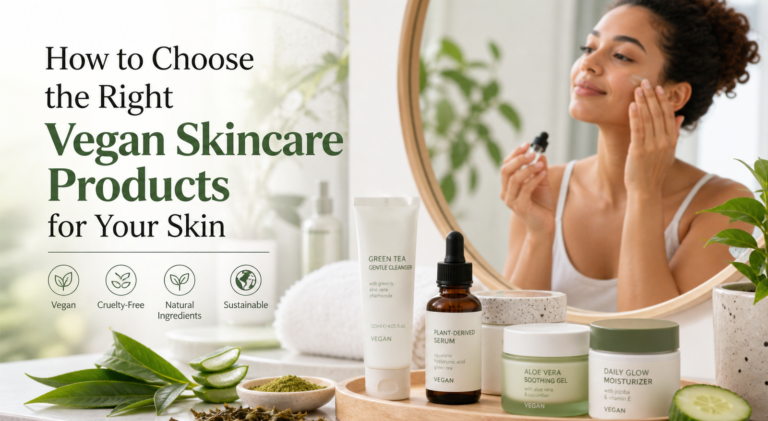
The vegan skincare market in the USA has grown massively in recent years. With hundreds of products lining the shelves and filling online stores, choosing the right vegan skincare products for your specific skin type can feel overwhelming. The wrong products can clog pores, trigger breakouts, cause dryness, or simply deliver no results at all.

This guide is designed to cut through the noise. Whether you are new to vegan skincare or looking to upgrade your current routine, this step-by-step guide will help you understand your skin, read product labels, and make confident choices. We will also highlight how brands like La Garan LLC are making it easier than ever to find clean, effective, and affordable vegan skincare products made in the USA.

Step 1: Understand Your Skin Type First

Before you buy any vegan skincare product, you need to know your skin type. This is the single most important factor that determines which ingredients and formulas will work best for you. The five main skin types are oily, dry, combination, normal, and sensitive.

Oily Skin

If your face looks shiny by midday, your pores appear enlarged, and you are prone to breakouts, you likely have oily skin. Look for lightweight, oil free vegan face serums and gel based cleansers. Avoid heavy creams that can block your pores. A Vitamin C Toner works exceptionally well for oily skin types.

Dry Skin

Dry skin often feels tight, flaky, or rough. You need vegan skincare products that are rich in humectants and emollients. Look for ingredients like hyaluronic acid, shea butter, and peptides. La Garan’s Hydration X3 Cream and Peptide Cream are great examples of deeply moisturizing vegan face creams built for dry skin.

Sensitive Skin

Sensitive skin reacts easily to new products, fragrances, and harsh chemicals. Always choose fragrance free, hypoallergenic, and sulfate free vegan skincare products. Natural and cruelty free formulas like those from La Garan are designed with sensitive skin in mind, using only clean ingredients that calm and protect rather than irritate.

Step 2: Learn to Read Vegan Skincare Labels

Not every product labeled as natural or green is truly vegan or cruelty free. Learning how to read ingredient labels is a skill that will protect your skin and your values. Here is what to look for and what to avoid.

Ingredients to Look For

When choosing vegan skincare products, look for plant derived active ingredients such as Vitamin C (ascorbic acid), niacinamide, hyaluronic acid, green tea extract, aloe vera, and peptides. These ingredients are effective, well researched, and safe for most skin types.

Ingredients to Avoid

Avoid products containing sodium lauryl sulfate (SLS), parabens, synthetic fragrances, mineral oil, and animal derived ingredients like lanolin, collagen from animals, or beeswax. These are common in non vegan skincare and can cause irritation, hormone disruption, and long term skin damage.

Step 3: Build a Simple Vegan Skincare Routine

A great vegan skincare routine does not need to be complicated. In fact, a consistent simple routine will always outperform an inconsistent complex one. Here is a beginner friendly vegan skincare routine that works for most skin types.

Morning Routine

Start with a gentle vegan face cleanser like La Garan’s Vitamin C Cleanser to remove overnight buildup. Follow with a Vitamin C Toner to balance your skin’s pH and tighten pores. Apply a lightweight vegan face serum packed with antioxidants, and finish with a moisturizer that includes SPF protection. This four step routine takes under five minutes and sets your skin up for the day.

Evening Routine

In the evening, cleanse again to remove makeup, sunscreen, and daily pollutants. Apply a Vitamin C Serum or a peptide based serum to support overnight skin repair. Finish with a nourishing vegan face cream like La Garan’s Peptide Cream or Natural Face Cream. Your skin does most of its regeneration while you sleep, so a good nighttime routine is essential.

Step 4: Look for Certifications and Trusted Brands

When shopping for vegan skincare products in the USA, look for brands that are transparent about their ingredients, manufacturing process, and ethical standards. Certifications like Leaping Bunny or PETA cruelty free logos are good indicators. However, smaller clean beauty brands like La Garan LLC that are openly committed to vegan, cruelty free, and natural formulas made in the USA are also highly trustworthy even without large certification labels.

La Garan offers a full product lineup including vegan face toners, vegan face serums, vegan face lotions, natural face creams, and natural face cleansers. All products are made in the USA, free from animal testing, and formulated without harmful chemicals. Their products are priced affordably starting at $29.99 and are available at lagaranllc.com.

Frequently Asked Questions About Vegan Skincare Products

What is the difference between vegan and cruelty free skincare?

Vegan skincare means the product contains no animal derived ingredients. Cruelty free means the product was not tested on animals at any stage. The best vegan skincare products are both vegan and cruelty free, like those offered by La Garan LLC.

Are vegan skincare products effective for anti aging?

Yes. Many of the most powerful anti aging ingredients such as Vitamin C, peptides, niacinamide, and hyaluronic acid are all plant derived or lab created and fully vegan. Vegan skincare can be just as effective as conventional skincare for anti aging goals.

How do I know if a skincare product is truly vegan?

Check the ingredient list for animal derived components like lanolin, collagen, keratin, beeswax, or carmine. Look for brands that explicitly state their products are vegan and cruelty free on their website and packaging, and prefer those that are transparent about their manufacturing process.

Can vegan skincare products work for all skin types?

Absolutely. Vegan skincare products are available for every skin type including oily, dry, combination, normal, and sensitive. The key is choosing products formulated for your specific needs, which is why understanding your skin type before shopping is so important.

Final Thoughts

Choosing the right vegan skincare products does not have to be difficult. Once you know your skin type, understand what to look for on labels, and have a simple consistent routine in place, you will start seeing real results. The vegan beauty movement is not just a trend. It is a smarter, cleaner, and more ethical way to take care of your skin.

If you are ready to start your vegan skincare journey, La Garan LLC offers a complete range of natural, cruelty free, and affordable vegan skincare products made in the USA. Visit lagaranllc.com today and enjoy 20% off your first order.

On Cloud shoes have quickly become one of the most talked-about innovations in the running world. Designed by the Swiss company On, these shoes introduce a new way of thinking about cushioning, comfort, and performance. Unlike traditional running shoes that rely on thick foam, On Cloud shoes use a unique system that feels lightweight yet responsive. Runners across all levels are noticing improvements in comfort during both short jogs and long-distance runs. This shift in design philosophy is helping athletes rethink what they expect from running footwear and why technology plays a key role in performance improvement today.

Innovative CloudTec Cushioning Technology

The standout feature of On Cloud shoes is their CloudTec cushioning system. This technology uses hollow pods, known as “clouds,” on the outsole that compress when the foot lands and then rebound as you push off. This creates a soft landing followed by an explosive takeoff, making running feel smoother and more efficient. The design is engineered to reduce impact while maintaining responsiveness, which is essential for both beginners and elite runners. Unlike traditional foam systems, CloudTec adapts dynamically to movement, offering a more personalized running experience that enhances comfort without sacrificing speed or energy efficiency.

Lightweight Design for Modern Runners

One of the reasons On Cloud shoes are changing the running game is their extremely lightweight structure. Modern runners prioritize speed and efficiency, and heavy footwear can slow performance and increase fatigue. On Cloud shoes are built using minimal yet durable materials that reduce unnecessary weight while still providing strong support. This allows runners to move more naturally and maintain better form over longer distances. The lightweight feel also makes them popular for everyday wear, not just training sessions. This blend of performance and practicality is a key reason for their growing global popularity among athletes.

Enhanced Energy Return and Performance

Energy return is a critical factor in running efficiency, and On Cloud shoes are designed to maximize it. The CloudTec system not only absorbs impact but also returns energy with each step, helping runners maintain momentum with less effort. This results in a more dynamic running experience where each stride feels more powerful and controlled. Over time, this can help reduce fatigue and improve overall performance, especially during long-distance runs. Athletes appreciate how the shoes support natural movement while subtly boosting propulsion, making them a reliable choice for both training and competitive environments.

Breathability and Comfort Features

Comfort is essential for any running shoe, and On Cloud shoes excel in this area through advanced breathability features. The upper mesh construction allows continuous airflow, keeping feet cool and dry even during intense workouts. This reduces discomfort caused by heat and moisture buildup, which is common in many traditional running shoes. Additionally, the shoes are designed with soft interior lining that adapts to the shape of the foot, offering a snug yet flexible fit. The combination of breathability and adaptive comfort ensures runners can focus on performance without distraction from discomfort or overheating.

Impact on Injury Prevention

Injury prevention is one of the most important benefits of On Cloud shoes. The cushioning system helps reduce stress on joints such as knees and ankles by absorbing shock more effectively than conventional soles. This is especially beneficial for runners who train frequently or cover long distances. By minimizing repetitive impact forces, the shoes help lower the risk of common running injuries like shin splints and joint pain. Additionally, the stable yet flexible design encourages better running posture, which further supports long-term physical health and reduces strain on muscles and connective tissues.

Versatility for Running and Lifestyle

On Cloud shoes are not limited to running alone; their versatile design makes them suitable for everyday wear as well. Many users appreciate how easily they transition from athletic use to casual settings without compromising style or comfort. The sleek and modern appearance of the shoes has made them a popular choice for people who value both performance and fashion. Whether used for gym workouts, walking, travel, or daily commuting, these shoes provide consistent comfort throughout the day. This versatility has significantly contributed to their widespread adoption beyond the running community.

Sustainability and Material Innovation

Sustainability is becoming increasingly important in the footwear industry, and On Cloud shoes are part of this movement. The brand has made efforts to incorporate eco-friendly materials and more responsible production methods into its designs. This includes using recycled elements and reducing waste during manufacturing processes. The goal is to create high-performance shoes while minimizing environmental impact. As consumers become more conscious of sustainability, this approach adds further value to the brand. It reflects a growing trend where innovation is not only about performance but also about responsibility toward the planet.

Popularity Among Professional and Casual Runners

On Cloud shoes have gained popularity among both professional athletes and casual runners. Professionals appreciate the performance benefits such as responsiveness, energy return, and injury reduction, while everyday users enjoy the comfort and style. This wide appeal has helped the brand grow rapidly in global markets. Social media and word-of-mouth recommendations have also played a major role in spreading awareness. As more runners share their positive experiences, the reputation of On Cloud shoes continues to strengthen, making them a strong competitor in the highly competitive athletic footwear industry.

Conclusion: Future of Running with On Cloud Shoes

The rise of On Cloud shoes signals a shift in On Cloud 5 how running footwear is designed and experienced. By combining innovative cushioning technology, lightweight construction, and modern aesthetics, they offer a new standard for performance and comfort. Their impact goes beyond just running, influencing lifestyle footwear trends as well. As technology continues to evolve, On is likely to further refine its designs and push boundaries even more. For runners seeking a balance of comfort, efficiency, and style, On Cloud shoes represent a forward-looking choice that is reshaping the future of running.

Healthy hair always begins with a healthy scalp. While many people focus on shampoos, conditioners, and styling products, they often overlook the foundation of hair growth—the scalp itself. If your scalp isn’t nourished and balanced, achieving strong, shiny, and thick hair becomes much more difficult. That’s where rosemary oil comes in. This natural remedy has gained massive popularity for its ability to improve scalp health and promote hair growth rosemary oil price in pakistan without relying on harsh chemicals.

In this article, we’ll explore how rosemary oil works, its benefits, and how you can incorporate it into your routine for healthier hair and scalp.


Understanding Scalp Health

Before diving into rosemary oil, it’s important to understand why scalp health matters so much. Your scalp is essentially the soil where your hair grows. Just like plants need nutrient-rich soil, your hair follicles need a clean, nourished environment to thrive.

Common scalp issues include:

  • Dryness and flakiness
  • Excess oil production
  • Itching and irritation
  • Dandruff
  • Hair thinning or hair loss

These problems often arise due to poor circulation, product buildup, or lack of proper care. Addressing these issues naturally can significantly improve hair quality over time.


What Is Rosemary Oil?

Rosemary oil is an essential oil extracted from the rosemary plant, a fragrant herb commonly used in cooking and traditional medicine. For centuries, it has been valued for its healing, anti-inflammatory, and antimicrobial properties.

In modern hair care, rosemary oil is especially praised for its ability to:

  • Stimulate hair growth
  • Improve blood circulation in the scalp
  • Reduce dandruff
  • Strengthen hair follicles

It’s a simple, natural solution that fits perfectly into a clean beauty routine.


Key Benefits of Rosemary Oil for Scalp Health

1. Stimulates Blood Circulation

One of the main reasons rosemary oil is so effective is its ability to improve blood flow. When applied to the scalp, it increases circulation, which helps deliver more oxygen and nutrients to hair follicles.

Better circulation means:

  • Stronger roots
  • Faster hair growth
  • Reduced hair fall

This makes rosemary oil a powerful tool for those dealing with thinning hair.


2. Reduces Dandruff and Flakiness

Dandruff is often caused by dryness, fungal growth, or an imbalanced scalp. Rosemary oil has natural antifungal and antibacterial properties that help combat these issues.

Regular use can:

  • Reduce flakes
  • Soothe itching
  • Restore scalp balance

It’s a gentle alternative to chemical anti-dandruff treatments.


3. Controls Excess Oil

An oily scalp can clog hair follicles and lead to hair loss. Rosemary oil helps regulate sebum production, keeping your scalp neither too dry nor too greasy.

This balance is essential for maintaining a healthy scalp environment.


4. Strengthens Hair Follicles

Weak follicles are one of the main causes of hair breakage and shedding. Rosemary oil nourishes the roots, making hair stronger from the base.

Over time, you may notice:

  • Thicker strands
  • Less breakage
  • Improved hair texture

5. Promotes Natural Hair Growth

Many people turn to rosemary oil specifically for hair growth—and for good reason. Studies suggest it can be as effective as some commercial treatments, without the side effects.

Consistent use may lead to:

  • Faster hair growth
  • Fuller hair
  • Reduced hair thinning

How to Use Rosemary Oil for Best Results

Using rosemary oil correctly is key to unlocking its full benefits. Here are some simple and effective methods:


1. Scalp Massage Treatment

This is one of the most popular ways to use rosemary oil.

How to do it:

  • Mix a few drops of rosemary oil with a carrier oil (like coconut or jojoba oil)
  • Gently massage into your scalp for 5–10 minutes
  • Leave it on for at least 30 minutes (or overnight)
  • Wash with a mild shampoo

Benefits:

  • Boosts circulation
  • Relieves stress
  • Enhances absorption

2. Add to Your Shampoo

If you prefer a quick solution, adding rosemary oil to your shampoo works well.

Steps:

  • Add 5–10 drops to your shampoo bottle
  • Shake well before use
  • Wash your hair as usual

This method is easy and maintains scalp health over time.


3. DIY Hair Mask

A nourishing hair mask can deeply condition your scalp and hair.

Simple recipe:

  • 2 tablespoons coconut oil
  • 1 tablespoon castor oil
  • 5 drops rosemary oil

Apply to your scalp and hair, leave for 1 hour, then rinse thoroughly.


4. Leave-In Spray

For daily use, a rosemary oil spray is a great option.

How to make it:

  • Mix water with a few drops of rosemary oil
  • Pour into a spray bottle
  • Lightly mist your scalp

This helps keep your scalp refreshed and hydrated.


Tips for Safe Use

While rosemary oil is natural, it’s still potent. Follow these tips to use it safely:

  • Always dilute with a carrier oil before applying directly to the scalp
  • Perform a patch test to avoid allergic reactions
  • Avoid contact with eyes
  • Use consistently, but don’t overapply

Moderation and consistency are key.


How Long Before You See Results?

Natural remedies take time, and rosemary oil is no exception. Most people start noticing improvements within 4 to 8 weeks of regular use.

Results may include:

  • Reduced hair fall
  • Healthier scalp
  • Visible hair growth

Patience is essential, but the long-term benefits are worth it.


Why Choose Natural Solutions?

In a world filled with chemical-based products, natural remedies like rosemary oil offer a safer and more sustainable approach. They work with your body rather than against it.

Benefits of going natural include:

  • Fewer side effects
  • Long-term scalp health
  • Eco-friendly choices
  • Cost-effectiveness

Rosemary oil stands out as a simple yet powerful solution.


Common Mistakes to Avoid

To get the best results, avoid these common mistakes:

  • Using too much oil (can clog pores)
  • Not diluting properly
  • Expecting instant results
  • Inconsistent use

Being mindful of these factors can significantly improve your experience.


Final Thoughts

Boosting your scalp health doesn’t require expensive treatments or complicated routines. Sometimes, the most effective solutions come from nature. Rosemary oil is a perfect example—simple, affordable, and incredibly powerful.

By improving blood circulation, reducing dandruff, and strengthening hair follicles, it creates the ideal environment for healthy hair growth. With consistent use and proper care, you can transform your scalp and achieve the strong, vibrant hair you’ve always wanted.