
The Future of COPD Care: Emerging Therapies and Healthcare Trends
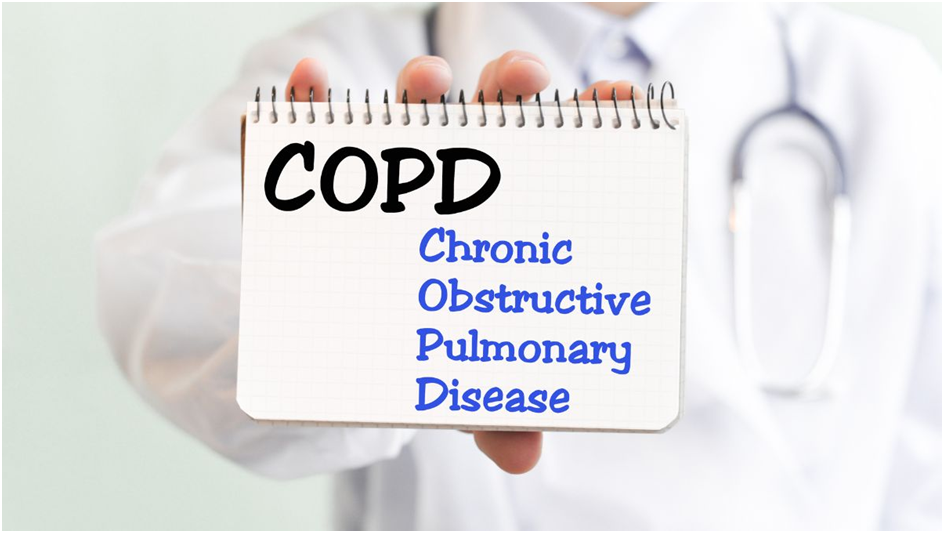
Worldwide, COPD represents the fourth largest cause of illness and death, with millions suffering annually. In essence COPD (Chronic Obstructive Pulmonary Disease) means that airflow becomes progressively worse over time due to some kind of physical impairment of the lungs’ airways to include chronic bronchitis and emphysema.There is no available treatment for COPD as of date; nonetheless, progressive developments in medical research, therapeutic techniques and healthcare tech are revolutionizing chronic obstructive pulmonary disease treatment.
From treating symptoms alone in the past decade, healthcare facilities have embraced proactive, patient-oriented solutions, focusing on proactive early diagnoses, bespoke treatment plans, pulmonary rehabilitation, telehealth devices and novel therapies – which, while not a remedy, allow people to effectively cope with their condition, boosting the quality of life.
More than ever before, cooperation between healthcare professionals, patients and caretakers continues to be an important aspect in addressing COPD on a global scale. Driven by a burgeoning market demand for efficacious chronic obstructive pulmonary disease(COPD) treatment, respiratory care investment across health systems around the world remains significant. based on an analysis from the first decade of the current century, according to report by Expert Market Research, the global chronic obstructive pulmonary disease (COPD) market size was estimated at nearly USD 19.38 billion in 2025, with subsequent investment in both novel therapies, research efforts and healthcare infrastructure anticipated to support future growth.
Understanding COPD
Chronic Obstructive Pulmonary Disease (COPD) is a condition which causes air flow restriction and difficulty breathing in the lungs and gets progressively worse over time. People generally develop this condition gradually, and mostly in adults, who have had prolonged exposure to damaging dust and fumes at work, pollution, and who smoke cigarettes and other similar products. This condition can also occur in non-smokers particularly those living with indoor air pollution. Long exposure to smoke from wood fire fuels can trigger and enhance COPD.
Another cause is when someone is born with genetic condition like alpha-1 antitrypsin deficiency and have difficulty removing or neutralizing some important natural proteins in lungs and so on, and it gets worst over a period when such person start to breathe some chemicals, pollutant and cigarette.
Common Symptoms of COPD
Recognizing symptoms early allows individuals to seek medical advice before significant lung damage occurs.
Some of the most common symptoms include:
- Persistent cough that lasts for several months.
- Shortness of breath during physical activity.
- Wheezing or noisy breathing.
- Increased mucus production.
- Chest tightness.
- Frequent respiratory infections.
- Ongoing fatigue and reduced physical endurance.
Because these symptoms often develop gradually, many individuals mistake them for normal signs of aging or poor fitness, delaying diagnosis and treatment.
Why the Future of COPD Care Is Changing
Management Of Coped Has Recently Become Quite Different. While In the Recent Past Management Entailed Focusing on symptom relief with inhalers and oxygen when the person got to severe stages of cop. Doctors Now Understand Management is Complex and tailored for the Individual.
Modern treatment strategies aim to:
- Slow disease progression.
- Improve lung function whenever possible.
- Reduce the frequency of exacerbations (flare-ups).
- Enhance patients’ quality of life.
- Encourage physical activity and pulmonary rehabilitation.
- Support mental and emotional well-being.
This shift toward holistic care is helping many patients remain active for longer while reducing hospital admissions related to severe chronic obstructive pulmonary disease complications.
Emerging Therapies Transforming COPD Care
Medical research has introduced several promising therapies that are improving disease management and offering hope for better patient outcomes.
Personalized Medicine
The advent of personalized therapy marks a revolutionary change in respiratory medicine. Instead of applying a one-size-fits-all management strategy, physicians are now considering many individual patient characteristics such as the severity of disease, the pattern of symptoms, results of lung function tests, the history of exacerbations, lifestyle, and comorbidities.
Such individualized treatment plan would allow physicians to prescribe medications and treatment combinations more likely to provide maximal benefit to the individual with chronic obstructive pulmonary disease, while avoiding adverse side effects to unnecessary medications. It is anticipated that personalized medicine will continue to have more impacts on the management of COPD in the years to come as the research into biomarkers and genetics goes forward.
Advanced Inhaler Therapies
Inhaled medication is the primary basis of managing chronic obstructive pulmonary disease. Nonetheless the present-day era of new inhalers and medicine and equipment design provides helped to significantly simplify and optimize delivery of medication, and to give long lasting symptom help. New age long-acting bronchodilators and inhaled steroids as well as combo inhalers are now obtainable for some clients, with some inhalers giving more hours of symptom relief than before and decreasing the rate of COPD exacerbations.
Additionally, these inhalers improve medicine shipping and distribution into the lungs making them more effective. Doctors are now stressed about inhaler training because having proper technique is a crucial element in getting the right kind of outcome from COPD medication.
Biologic Therapies and Precision Treatments
Biologic Treatments Biologic treatments are currently being investigated by researchers. These are a newer type of treatment that focus on the pathway of inflammation that drives the progression of many chronic lung conditions.
While many people with severe asthma, for instance, have been prescribed biologics as a standard of care, trials are now taking place in some patients with COPD and certain specific inflammatory markers. Biologics won’t be for everyone, but as our knowledge and understanding of chronic obstructive pulmonary disease develops, they could become a treatment option for a sub-set of carefully selected patients.
Regenerative Medicine and Future Research
Another field to watch is regenerative medicine. Researchers are researching new developments in stem cell therapy and wound repair to learn if they may be able to regenerate or repair impaired lung tissue in the coming years.
These developments still are under development and still need much further investigation in people and may not even become realities but prove how serious the medical community is when looking for new solutions to chronic lung disease. Investment in lung research is certain to lead to better and safer medical treatment in the years to come.
Digital Healthcare Is Reshaping COPD Management
Technology is at the forefront of developing better outcomes in COPD care. The increase in popularity of digital health solutions makes it easy for both patients and health professionals to track symptoms, monitor response to therapy, and foster better communication all without having to visit a hospital or clinics on a regular basis. This becomes ever more apparent in communities which lack access to respiratory specialists, and individuals who may live some distance away.
The use of telemedicine to consult your specialist remotely from the convenience of your home, in a manner which allow for a real-time check in for such symptoms, medication advice, compliance, and even guidance on exercise, lifestyle changes has gained momentum. This saves time for both the patients and clinicians and encourages the prompt use of these services as the symptoms may indicate worsening disease.
Remote monitoring technologies using devices like smart inhalers, pulse oximeters, and smart wearable tech have also increased in use, allowing healthcare professionals to flag any changes in health data before it leads to the need for an emergency trip to hospital.
The Growing Importance of Pulmonary Rehabilitation
COPD treatment: Pulmonary rehabilitation as one of the best non-drug ways to treat chronic obstructive pulmonary disease, pulmonary rehabilitation programs aim to make you stronger and to help you learn to breathe more easily. Pulmonary rehabilitation centres develop and manage the rehabilitation program. It’s typically designed by a team of people who might include your respiratory doctor, physiotherapists, a respiratory therapist and dieticians.
A rehab program will also be put together especially for you. Most pulmonary rehab programs will teach you techniques to control your breathing and exercises so you get shorter of breath when you do normal day-to-day activities; exercises that help you save energy; a healthy eating program; and how to deal with the anxiety or depression that often accompany chronic lung disease.
Evidence is clear that if done alongside optimal medical care, pulmonary rehabilitation is effective for improving your exercise capacity and shortness of breath, decreasing hospital admissions and generally improving your well-being.
Lifestyle Management Remains a Cornerstone of COPD Care
However, even with the evolution of therapies and treatments healthy lifestyle habits are still an important aspect of controlling the chronic disease. Making simple changes in our daily lives may contribute to controlling your symptoms and can help support respiratory health in the long run. If the patient is a smoker quitting is probably one of the single best ways to help improve overall COPD management by slowing down the loss of function.
Some of the recommendations that your provider may provide includes therapy, counselling and recommended smoking cessation drugs may improve the ability to quit.Patients may want to increase intake of Fruits, vegetables, whole grains, lean proteins and heathy fats to support a strong immune system and keep a healthy muscle tone.
They will also have an increased intake needs due to breathing challenges of patients with chronic obstructive pulmonary disease. Consistent exercise can also provide benefits by helping to strengthen the muscles for breathing and can help boost endurance and can lessen fatigue. Some examples include light exercise like walking or stretching can support healthy breathing habits and can make daily tasks easier to handle.
They should also get a adequate amounts of rest, practice ways to reduce stress, remain current on recommended vaccines for illnesses such as flu or pneumonia and take prescribed medications.
Healthcare Trends Driving the Future of COPD Care
Global COLD Treatments Several medical developments around the world have the potential to transform the future of COLD care. The development of life-saving COLD medicines, more advanced in their treatment approach, and innovative inhalers designed to improve patient use, are transforming COLD management globally through a robust pipeline of advanced COLD treatments. This trend continues as governmental, governmental organizations, healthcare providers, researchers, and the pharmaceutical community invest further in advancements in COLD research, education and treatment access.
Increasing rates of early diagnosis are enabling health professionals to diagnose COLD in its earliest stages and begin to prevent the onset of debilitating lung damage through screening and public health initiatives.
As technology progresses, the application of AI and data analytics is gaining momentum to aid doctors with reading image scans, forecasting how COLD may progress in individual patients and tailoring COLD therapies based on personal risk factors. Pharmaceuticals have an increasing stake in the development of more safe and targeted therapies, better inhaler design, and drug innovations focused on decreasing exacerbations. This steady progression of innovation promises better and more customized care. The focus on respiratory diseases remains and it will result in more specialized care and treatments for patients throughout the globe.
Looking Ahead
From symptoms management to taking steps towards improved respiratory outcomes, chronic obstructive pulmonary disease care is seeing a shift towards a patient centric approach, backed by digital solutions, advanced research, precision medicine and enhanced pulmonary rehabilitation programmes. While obstacles lie in the path of such an approach, increased cooperation among researchers, medical professionals, policy makers and patients may lead the way to effective, sustainable and more readily available respiratory solutions.
FAQs
What is COPD?
COPD is a chronic lung disease that causes airflow obstruction, making it difficult to breathe. It commonly includes chronic bronchitis and emphysema.
Can COPD be cured?
There is currently no cure for COPD. However, early diagnosis, medication, pulmonary rehabilitation, and lifestyle changes can help manage symptoms and improve quality of life.
What are the early symptoms of COPD?
Persistent cough, shortness of breath, wheezing, chest tightness, and frequent respiratory infections are common early signs.
Can exercise help people with COPD?
Yes. Under medical supervision, regular physical activity and pulmonary rehabilitation can improve endurance, strengthen breathing muscles, and enhance overall well-being.