

Tag

Health

Browsing

Why the Glucose Syrup Price Trend Matters to Nurses Caring for Patients with Diabetes

There’s a nurse at a community clinic in Tucson who kept noticing the same weird pattern show up during diabetes follow-ups — glucose logs looking pretty solid for the first two weeks or so, and then somewhere around week three they’d start thinning out, missing a day here, a day there, until eventually a patient would just stop logging altogether. She figured it was the usual thing at first, people getting busy, forgetting, losing interest in tracking numbers every single day. Except when she sat down and asked a few patients directly what was going on, forgetfulness barely came up. Money did. The test strips, the food, the whole routine costing more than people could keep affording quietly, without anyone ever writing that down anywhere on a chart. There’s a term that describes the bigger pressure behind this, something called the glucose syrup price trend, and it’s honestly not something nurses are taught to look for in school. They end up dealing with it regardless, most of the time without even clocking that this is what’s happening in front of them.

Glucose ends up connected to weigh more corners of healthcare than most people would guess if you asked them cold. So, when pricing around glucose shifts, even a little, it doesn’t stay contained to some commodities report somewhere:

  • Patients are checking it at home every day
  • Hospitals need it for IV fluids and oral tolerance tests
  • It’s tied into the food and nutrition supply chain in ways nobody really brings up during a fifteen-minute appointment
  • Testing supplies get pricier and certain nutrition products creep up too
  • Diabetes program budgets, already thin most places, get squeezed even further

And none of that stays theoretical — it shows up in the exam room, on discharge instructions nobody can quite follow anymore, in that moment a patient’s standing at checkout deciding between the prescription refill and groceries for the week.

Why Glucose Prices Matter Beyond the Marketplace

It would be easy enough to file all this under “someone else’s problem” — supply chain analysts’ territory, not something a bedside nurse needs to think about. Except that’s not really how diabetes care works in practice, is it. It doesn’t sit off in its own little world, separate from whatever’s producing the things it depends on. Glucose is in test solutions. It’s in certain IV therapies. It’s in a bunch of the foods patients get told to cut back on or avoid entirely. So when production costs move around, that pressure doesn’t just stay put — it works its way into nutrition planning, into healthcare spending generally, into whatever’s left over in a community program’s budget by the time it trickles down.

Nobody’s writing “glucose syrup price trend” on anyone’s chart, obviously, that would be ridiculous. What actually shows up instead is a follow-up that gets skipped. Maybe a clinic trimming down its handouts because printing costs money too. The link between the two is indirect, yeah, nobody’s arguing that. Doesn’t make it any less real though, and it ends up shaping how things play out for patients a lot more than most nursing programs ever really get into.

How the Glucose Syrup Price Trend Affects Nursing Practice

Diabetes education

Getting a new diagnosis is scary enough on its own, and there’s usually some bad information already floating around in a patient’s head before they even walk in. Now add cost pressure connected to the glucose syrup price trend on top of that, and suddenly education sessions can’t just cover what to do anymore — there has to be a whole conversation around how someone actually keeps doing it without going broke in the process.

Meal planning discussions

Most nutrition counselling kind of assumes people have a steady grocery budget and can get their hands on whatever foods the plan asks for. That assumption doesn’t hold up so well once costs tied to glucose start moving through the supply chain. So the meal plan that looked fine on paper sometimes needs a complete rewrite right there in the room, on the spot.

Patient counselling

Talking about money was never part of the job description for a counselling session, but it ends up happening constantly regardless. When a nurse actually understands how tight things are financially for someone, the advice they give tends to sound like something a person could realistically pull off, not just a nice idea that falls apart the moment the patient leaves the room.

Community health programs

Diabetes prevention programs don’t exactly have money to spare as it is. So when the glucose syrup price trend pushes costs up somewhere further back in the chain, the free screenings and neighbourhood workshops tend to be the first things cut, almost every time.

Medication adherence

People don’t skip medication only because they forgot. Affordability plays a much bigger role than that gets credit for, and it’s tangled up with a broader cost environment connected to glucose production — even though most patients would never connect those dots themselves.

Preventive care

Preventive screening only really works when it stays consistent, which means it has to stay affordable too. And once money starts getting tight anywhere along that chain, preventive visits are pretty much always the first appointments people just stop bothering to keep.

Challenges Faced by Underserved Communities

In communities that were already stretched thin, health equity gaps don’t take their time widening — they open up fast the moment bigger pricing pressures hit. Diabetes-friendly nutrition was never easy to access in a lot of these places to begin with, and once you layer rising costs tied to glucose production on top, that gap just keeps stretching. At this point food affordability isn’t really some economic side note anymore. It’s a clinical variable, whether anyone wants to frame it that way or not, since a nutrition plan is only as good as someone’s actual ability to follow it.

Nurses working in underserved communities end up doing a version of the job that nobody wrote into any official description — figuring out how to bridge what the chart says with what a patient’s day-to-day life will actually allow. That kind of work doesn’t get nearly enough credit. But a nurse who understands the money side of what a patient’s dealing with can shift the plan around without taking away either their dignity or their chances of a decent outcome.

Practical Strategies for Nurses

Patient education

A plan that a patient can actually stick to matters more than one that looks great written down somewhere. Doesn’t matter how well-designed a routine is on paper — if it can’t survive real life, it usually falls apart within a month or so anyway.

Community resources

It helps to keep an updated list around of things like:

  • Local assistance programs
  • Food banks that carry diabetes-friendly items
  • Screening events nearby that don’t cost anything

A lot of this already exists in most areas. Patients just genuinely don’t know it’s there.

Collaboration with dietitians

Registered dietitians bring something nursing care alone can’t really cover. Staying in touch with them regularly keeps meal advice tied to both what’s clinically needed and what’s financially possible, instead of only focusing on one half of that.

Culturally competent care

The exact same advice can land completely differently depending on someone’s background and daily routine. Nurses who build education around what a patient actually eats and how they actually live, rather than pulling from some generic handout, tend to hold onto that patient’s attention a lot longer.

Supporting long-term diabetes management

Over the long run, consistency wins out over perfection almost every time. Helping someone build a routine that can survive the financial ups and downs — glucose syrup price trend included — pays off across years, not just at the visit right in front of you.

Looking Ahead

Market shifts almost never stay boxed into just one corner of healthcare; they tend to leak into everything eventually. Nurses who keep some general awareness of the pricing pressure tied to glucose production can usually catch changes in patient behaviour a bit earlier, before those changes turn into missed appointments or labs that keep getting worse. None of this requires checking commodity prices every morning or anything like that. It’s really just a bit of curiosity about why certain barriers keep popping up again, plus the understanding that some of those barriers start way further upstream than anything an exam room could ever show you directly.

Conclusion

Clinical knowledge running headfirst into messy real life isn’t some new phenomenon in diabetes care; that overlap has always existed. The glucose syrup price trend is just one more thread woven through it—a quiet, indirect factor that’s easy to overlook unless someone points it out. Insights from Procurement Resource help make these market movements more visible, giving healthcare professionals broader context around supply and cost dynamics. Nurses who recognize these influences are in a much better position to protect their patients’ outcomes—not because they’ve mastered market economics, but because they’ve met patients where their real-life circumstances are, rather than where a textbook assumes they should be.

FAQs

How does the glucose syrup price trend actually affect patient care if it’s a market issue?

Well, testing supplies get pricier, some nutrition products creep up in cost, community health budgets get tighter — and put all three together, that’s basically what determines what a patient can realistically manage on any given day.

Do nurses need to track commodity pricing to do their jobs well?

Not really, no. It’s more about having enough general awareness to spot a pattern — inconsistent monitoring, a missed appointment — and stopping to wonder if affordability might be the actual reason, rather than jumping straight to noncompliance.

What’s the biggest barrier facing underserved communities when glucose-related costs rise?

Mostly it comes down to food affordability and just being able to get diabetes-friendly nutrition in the first place, since both of those hinges so much on grocery budgets and whatever’s going on further up the supply chain.

How can nurses support patients without turning every conversation into a financial one?

Start with a plan that’s actually realistic and sustainable from day one and have a list of community resources ready to hand over. Cost usually comes up on its own that way, without forcing an awkward, dedicated conversation about money.

Should nursing education include more on healthcare economics and pricing trends?

Quite a few nurse educators would probably say yes to that. Even a basic grasp of cost pressures like this one helps nurses spot patient barriers sooner, even if it never becomes more than a secondary piece of the overall curriculum.
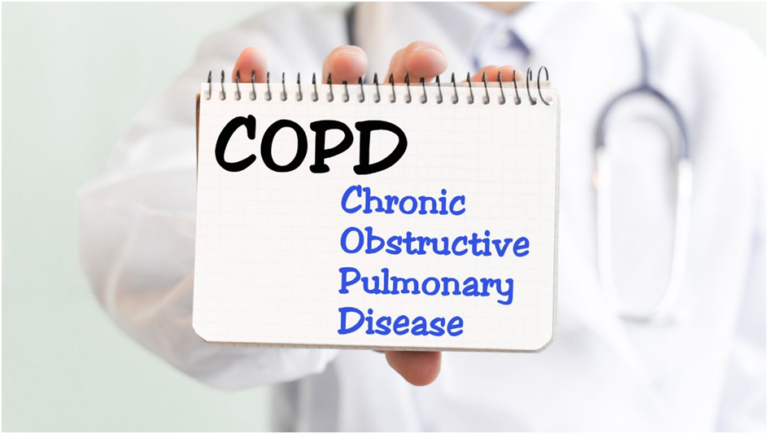

The Future of COPD Care: Emerging Therapies and Healthcare Trends

Worldwide, COPD represents the fourth largest cause of illness and death, with millions suffering annually. In essence COPD (Chronic Obstructive Pulmonary Disease) means that airflow becomes progressively worse over time due to some kind of physical impairment of the lungs’ airways to include chronic bronchitis and emphysema.There is no available treatment for COPD as of date; nonetheless, progressive developments in medical research, therapeutic techniques and healthcare tech are revolutionizing chronic obstructive pulmonary disease treatment.

From treating symptoms alone in the past decade, healthcare facilities have embraced proactive, patient-oriented solutions, focusing on proactive early diagnoses, bespoke treatment plans, pulmonary rehabilitation, telehealth devices and novel therapies – which, while not a remedy, allow people to effectively cope with their condition, boosting the quality of life.

More than ever before, cooperation between healthcare professionals, patients and caretakers continues to be an important aspect in addressing COPD on a global scale. Driven by a burgeoning market demand for efficacious chronic obstructive pulmonary disease(COPD) treatment, respiratory care investment across health systems around the world remains significant. based on an analysis from the first decade of the current century, according to report by Expert Market Research, the global chronic obstructive pulmonary disease (COPD) market size was estimated at nearly USD 19.38 billion in 2025, with subsequent investment in both novel therapies, research efforts and healthcare infrastructure anticipated to support future growth.

Understanding COPD

Chronic Obstructive Pulmonary Disease (COPD) is a condition which causes air flow restriction and difficulty breathing in the lungs and gets progressively worse over time. People generally develop this condition gradually, and mostly in adults, who have had prolonged exposure to damaging dust and fumes at work, pollution, and who smoke cigarettes and other similar products. This condition can also occur in non-smokers particularly those living with indoor air pollution. Long exposure to smoke from wood fire fuels can trigger and enhance COPD.

Another cause is when someone is born with genetic condition like alpha-1 antitrypsin deficiency and have difficulty removing or neutralizing some important natural proteins in lungs and so on, and it gets worst over a period when such person start to breathe some chemicals, pollutant and cigarette.

Common Symptoms of COPD

Recognizing symptoms early allows individuals to seek medical advice before significant lung damage occurs.

Some of the most common symptoms include:

  • Persistent cough that lasts for several months.
  • Shortness of breath during physical activity.
  • Wheezing or noisy breathing.
  • Increased mucus production.
  • Chest tightness.
  • Frequent respiratory infections.
  • Ongoing fatigue and reduced physical endurance.

Because these symptoms often develop gradually, many individuals mistake them for normal signs of aging or poor fitness, delaying diagnosis and treatment.

Why the Future of COPD Care Is Changing

Management Of Coped Has Recently Become Quite Different. While In the Recent Past Management Entailed Focusing on symptom relief with inhalers and oxygen when the person got to severe stages of cop. Doctors Now Understand Management is Complex and tailored for the Individual.

Modern treatment strategies aim to:

  • Slow disease progression.
  • Improve lung function whenever possible.
  • Reduce the frequency of exacerbations (flare-ups).
  • Enhance patients’ quality of life.
  • Encourage physical activity and pulmonary rehabilitation.
  • Support mental and emotional well-being.

This shift toward holistic care is helping many patients remain active for longer while reducing hospital admissions related to severe chronic obstructive pulmonary disease complications.

Emerging Therapies Transforming COPD Care

Medical research has introduced several promising therapies that are improving disease management and offering hope for better patient outcomes.

Personalized Medicine

The advent of personalized therapy marks a revolutionary change in respiratory medicine. Instead of applying a one-size-fits-all management strategy, physicians are now considering many individual patient characteristics such as the severity of disease, the pattern of symptoms, results of lung function tests, the history of exacerbations, lifestyle, and comorbidities.

Such individualized treatment plan would allow physicians to prescribe medications and treatment combinations more likely to provide maximal benefit to the individual with chronic obstructive pulmonary disease, while avoiding adverse side effects to unnecessary medications. It is anticipated that personalized medicine will continue to have more impacts on the management of COPD in the years to come as the research into biomarkers and genetics goes forward.

Advanced Inhaler Therapies

Inhaled medication is the primary basis of managing chronic obstructive pulmonary disease. Nonetheless the present-day era of new inhalers and medicine and equipment design provides helped to significantly simplify and optimize delivery of medication, and to give long lasting symptom help. New age long-acting bronchodilators and inhaled steroids as well as combo inhalers are now obtainable for some clients, with some inhalers giving more hours of symptom relief than before and decreasing the rate of COPD exacerbations.

Additionally, these inhalers improve medicine shipping and distribution into the lungs making them more effective. Doctors are now stressed about inhaler training because having proper technique is a crucial element in getting the right kind of outcome from COPD medication.

Biologic Therapies and Precision Treatments

Biologic Treatments Biologic treatments are currently being investigated by researchers. These are a newer type of treatment that focus on the pathway of inflammation that drives the progression of many chronic lung conditions.

While many people with severe asthma, for instance, have been prescribed biologics as a standard of care, trials are now taking place in some patients with COPD and certain specific inflammatory markers. Biologics won’t be for everyone, but as our knowledge and understanding of chronic obstructive pulmonary disease develops, they could become a treatment option for a sub-set of carefully selected patients.

Regenerative Medicine and Future Research

Another field to watch is regenerative medicine. Researchers are researching new developments in stem cell therapy and wound repair to learn if they may be able to regenerate or repair impaired lung tissue in the coming years.

These developments still are under development and still need much further investigation in people and may not even become realities but prove how serious the medical community is when looking for new solutions to chronic lung disease. Investment in lung research is certain to lead to better and safer medical treatment in the years to come.

Digital Healthcare Is Reshaping COPD Management

Technology is at the forefront of developing better outcomes in COPD care. The increase in popularity of digital health solutions makes it easy for both patients and health professionals to track symptoms, monitor response to therapy, and foster better communication all without having to visit a hospital or clinics on a regular basis. This becomes ever more apparent in communities which lack access to respiratory specialists, and individuals who may live some distance away.

The use of telemedicine to consult your specialist remotely from the convenience of your home, in a manner which allow for a real-time check in for such symptoms, medication advice, compliance, and even guidance on exercise, lifestyle changes has gained momentum. This saves time for both the patients and clinicians and encourages the prompt use of these services as the symptoms may indicate worsening disease.

Remote monitoring technologies using devices like smart inhalers, pulse oximeters, and smart wearable tech have also increased in use, allowing healthcare professionals to flag any changes in health data before it leads to the need for an emergency trip to hospital.

The Growing Importance of Pulmonary Rehabilitation

COPD treatment: Pulmonary rehabilitation as one of the best non-drug ways to treat chronic obstructive pulmonary disease, pulmonary rehabilitation programs aim to make you stronger and to help you learn to breathe more easily. Pulmonary rehabilitation centres develop and manage the rehabilitation program. It’s typically designed by a team of people who might include your respiratory doctor, physiotherapists, a respiratory therapist and dieticians.

A rehab program will also be put together especially for you. Most pulmonary rehab programs will teach you techniques to control your breathing and exercises so you get shorter of breath when you do normal day-to-day activities; exercises that help you save energy; a healthy eating program; and how to deal with the anxiety or depression that often accompany chronic lung disease.

Evidence is clear that if done alongside optimal medical care, pulmonary rehabilitation is effective for improving your exercise capacity and shortness of breath, decreasing hospital admissions and generally improving your well-being.

Lifestyle Management Remains a Cornerstone of COPD Care

However, even with the evolution of therapies and treatments healthy lifestyle habits are still an important aspect of controlling the chronic disease. Making simple changes in our daily lives may contribute to controlling your symptoms and can help support respiratory health in the long run. If the patient is a smoker quitting is probably one of the single best ways to help improve overall COPD management by slowing down the loss of function.

Some of the recommendations that your provider may provide includes therapy, counselling and recommended smoking cessation drugs may improve the ability to quit.Patients may want to increase intake of Fruits, vegetables, whole grains, lean proteins and heathy fats to support a strong immune system and keep a healthy muscle tone.

They will also have an increased intake needs due to breathing challenges of patients with chronic obstructive pulmonary disease. Consistent exercise can also provide benefits by helping to strengthen the muscles for breathing and can help boost endurance and can lessen fatigue. Some examples include light exercise like walking or stretching can support healthy breathing habits and can make daily tasks easier to handle.

They should also get a adequate amounts of rest, practice ways to reduce stress, remain current on recommended vaccines for illnesses such as flu or pneumonia and take prescribed medications.

Healthcare Trends Driving the Future of COPD Care

Global COLD Treatments Several medical developments around the world have the potential to transform the future of COLD care. The development of life-saving COLD medicines, more advanced in their treatment approach, and innovative inhalers designed to improve patient use, are transforming COLD management globally through a robust pipeline of advanced COLD treatments. This trend continues as governmental, governmental organizations, healthcare providers, researchers, and the pharmaceutical community invest further in advancements in COLD research, education and treatment access.

Increasing rates of early diagnosis are enabling health professionals to diagnose COLD in its earliest stages and begin to prevent the onset of debilitating lung damage through screening and public health initiatives.

As technology progresses, the application of AI and data analytics is gaining momentum to aid doctors with reading image scans, forecasting how COLD may progress in individual patients and tailoring COLD therapies based on personal risk factors. Pharmaceuticals have an increasing stake in the development of more safe and targeted therapies, better inhaler design, and drug innovations focused on decreasing exacerbations. This steady progression of innovation promises better and more customized care. The focus on respiratory diseases remains and it will result in more specialized care and treatments for patients throughout the globe.

Looking Ahead

From symptoms management to taking steps towards improved respiratory outcomes, chronic obstructive pulmonary disease care is seeing a shift towards a patient centric approach, backed by digital solutions, advanced research, precision medicine and enhanced pulmonary rehabilitation programmes. While obstacles lie in the path of such an approach, increased cooperation among researchers, medical professionals, policy makers and patients may lead the way to effective, sustainable and more readily available respiratory solutions.

FAQs

What is COPD?
COPD is a chronic lung disease that causes airflow obstruction, making it difficult to breathe. It commonly includes chronic bronchitis and emphysema.

Can COPD be cured?
There is currently no cure for COPD. However, early diagnosis, medication, pulmonary rehabilitation, and lifestyle changes can help manage symptoms and improve quality of life.

What are the early symptoms of COPD?
Persistent cough, shortness of breath, wheezing, chest tightness, and frequent respiratory infections are common early signs.

Can exercise help people with COPD?
Yes. Under medical supervision, regular physical activity and pulmonary rehabilitation can improve endurance, strengthen breathing muscles, and enhance overall well-being.

Dating is really different these days. People usually start talking to each other by swiping, sending a message, or commenting on a picture. Technology has made it easier to meet people. It has also made things happen really fast. People decide if they like someone in a few seconds. Lots of people are trying to look perfect with great photos and profiles. More and more people are realizing that it is better to just be yourself. Dating is about meeting people and seeing if you like them.

Today’s dating isn’t all about being visually appealing. It is about finding someone to talk to and be friends with, and share feelings with. A good profile might catch someone’s eye. It is really about working hard to understand each other and being smart about feelings. You need to put in effort to make it work and be good at understanding people’s emotions. The search for companionship is not easy it takes time to find commonality with someone.

The Pressure to Appear Perfect

Being perceived as perfect has been the greatest hurdle facing many in modern dating scenes, and even Kolkata escorts often notice this pressure in everyday interactions. People have taken time to select the best pictures, written captivating opening lines, and showcased lifestyles that are exciting and seamless. Though it is not an issue when one wants to look their best, the issue arises when they fake it. Too much effort can lead to the creation of unrealistic perceptions among the participants in the relationship. When people meet and talk, reality sets in, and relationships based on false information face numerous difficulties. Being yourself in the course of dating brings about satisfaction.

Communication Is Still the Most Attractive Quality

While attraction could start with physical attractiveness, it’s through communication that you keep things interesting. Some couples fail not because they don’t have enough chemistry, but due to insufficient communication. Effective communication creates a sense of emotional security, prevents misunderstandings, and allows you to get to know your partner better, past the initial physical attraction.

Communication in healthy dating should not be something that you force yourself into, but rather, an activity you enjoy, as London escorts often highlight when discussing meaningful connections. The way to do that is by asking relevant questions and listening attentively. People want to feel that they are being heard.

Shared Values Build Stronger Relationships

When it comes to dating, most individuals concentrate on interests, hobbies, or even physical attraction. However, shared values become more important since they decide whether the couple will be compatible with each other in the long run. They both might like listening to the same music or visiting the same restaurants, but having totally opposing values might ruin their relationship. These values define how a person is able to take responsibilities, form relations, interact with their families, treat money, and what prospects there are for a person.

The Importance of Emotional Availability

In today’s era, when people usually talk about meeting the right person, Sydney escorts often highlight that what is equally important is their own emotional availability. People can be very charming, confident, and good-looking, but they will still not be able to form good relationships if they lack emotional availability. Emotional availability entails the openness towards building connections, communicating and opening up. This includes the sharing of emotions, investing one’s time and efforts, and helping someone else emotionally. The significance of this becomes clear when both partners are emotionally available in a relationship.

Final Thoughts:

The act of dating should not resemble a contest. Healthy relationships often emerge when individuals find it easy to be themselves, open, and emotionally honest. Good friendships or relationships will never come out of coercion or unrealistic expectations. When it comes to dating, people should not focus on making a profile or saying the right things. Instead, they should try to form a relationship with someone. This relationship should be based on talking to each other and understanding each other’s feelings. Dating trends may change in the future. Good relationships will always be about simple things.

Introduction to Modern Weight Loss Surgery in Islamabad

Obesity has become a growing health concern in Pakistan, especially in urban centers where lifestyle and dietary habits contribute to weight gain. As awareness about medical weight loss solutions increases, more patients are now exploring surgical options that offer long-term results instead of temporary fixes.

  • Rising obesity rates have increased demand for bariatric procedures
  • Lifestyle changes alone are often not enough for severe weight issues
  • Medical weight loss offers structured, long-term solutions
  • Patients seek safe and effective minimally invasive procedures

Understanding Adjustable Gastric Band Surgery

In today’s advanced bariatric field, Gastric Banding in Islamabad has emerged as a popular option for individuals looking for reversible and adjustable weight loss solutions. It involves placing an adjustable silicone band around the upper part of the stomach, creating a small pouch that limits food intake and promotes early satiety.

  • The procedure is minimally invasive and reversible
  • It reduces stomach capacity without permanently altering anatomy
  • Patients feel full after eating small portions
  • Band adjustments allow personalized weight loss control

What is Gastric Banding and How It Works

Gastric banding is a restrictive weight loss surgery designed to help patients control portion sizes and reduce calorie intake naturally. The adjustable band is connected to a port placed under the skin, allowing doctors to tighten or loosen the band based on progress.

  • A silicone band is placed around the upper stomach
  • It creates a small pouch that limits food intake
  • The band can be adjusted over time for optimal results
  • Helps patients develop healthier eating habits

Ideal Candidates for Gastric Band Surgery

Patients considering this procedure must meet certain medical and lifestyle criteria. Generally, individuals struggling with long-term obesity who have not achieved results through diet and exercise may be suitable candidates.

  • BMI typically above 30–35 with obesity-related concerns
  • Difficulty losing weight through conventional methods
  • Commitment to long-term lifestyle changes
  • No severe gastrointestinal disorders

Unlike many other surgical options, this treatment is often preferred for its reversibility and lower risk profile, making it a suitable choice for selected patients exploring Gastric Banding in Islamabad as a structured weight loss solution.

  • Suitable for patients seeking reversible surgery
  • Encourages gradual and controlled weight loss
  • Requires commitment to dietary discipline
  • Works best with ongoing medical supervision

Key Benefits of Gastric Band Surgery

The popularity of gastric banding lies in its ability to provide steady and sustainable weight loss without major anatomical changes. Patients often experience improved health conditions along with better mobility and confidence.

  • Gradual and safe weight loss over time
  • No permanent alteration of stomach or intestines
  • Adjustable and customizable treatment approach
  • Lower surgical risk compared to other bariatric procedures

Additional advantages include improved metabolic health and reduced risk of obesity-related diseases. Many patients report a significant improvement in their quality of life after undergoing treatment.

  • Supports better control of portion sizes
  • Encourages long-term lifestyle changes
  • Helps improve diabetes and blood pressure levels
  • Enhances overall physical activity levels

Risks and Possible Complications

Although considered safer than many other weight loss surgeries, gastric banding still carries some risks. Understanding these helps patients make informed decisions before proceeding with treatment.

  • Possible band slippage or leakage
  • Infection at the port site
  • Difficulty swallowing if the band is too tight
  • Need for follow-up adjustments or revisions

Proper follow-up care and regular monitoring significantly reduce the chances of complications. Patients are advised to maintain close communication with their healthcare provider throughout the journey.

  • Regular check-ups are essential
  • Early detection prevents major complications
  • Adjustments improve long-term success
  • Patient compliance is crucial

Recovery and Post-Surgery Care

Recovery from gastric band surgery is relatively quick compared to other bariatric procedures. Most patients can return to normal activities within a few days, although dietary progression must be carefully followed.

  • Short hospital stay or outpatient procedure
  • Liquid diet initially, followed by soft foods
  • Gradual return to normal physical activity
  • Regular band adjustments for optimal results

During recovery, patients are closely monitored to ensure proper healing and adaptation to the new eating pattern. Long-term success depends on discipline and adherence to medical advice.

  • Hydration is very important during recovery
  • Small frequent meals are recommended
  • Avoid high-sugar and high-fat foods
  • Follow-up visits ensure proper adjustment

Cost Factors and Accessibility in Islamabad

The cost of gastric band surgery varies depending on hospital facilities, surgeon expertise, and aftercare services. In Islamabad, prices are generally more affordable compared to many international destinations, making it an attractive option for both local and international patients.

  • Cost depends on clinic reputation and technology used
  • Surgeon experience significantly affects pricing
  • Follow-up adjustments may be included or separate
  • Package options may be available in some clinics

While considering affordability, patients should prioritize safety and expertise over cost alone. Choosing a qualified bariatric team ensures better long-term results and reduces risk factors.

  • Quality should always come before price
  • Experienced surgeons improve success rates
  • Accredited clinics offer safer procedures
  • Comprehensive care packages add value

Comparison with Other Bariatric Procedures

Gastric banding is often compared with other weight loss surgeries such as gastric sleeve and gastric bypass. Each procedure has its own advantages depending on patient needs and health conditions.

  • Gastric sleeve removes part of the stomach permanently
  • Gastric bypass alters digestion pathways
  • Gastric banding is adjustable and reversible
  • Recovery time is usually shorter for banding

Patients choosing Gastric Banding in Islamabad often prefer its flexibility and lower surgical risk, especially when compared to more invasive procedures.

  • Reversible nature makes it appealing
  • Lower complication risk than bypass surgery
  • Gradual weight loss process
  • Requires long-term commitment for best results

Lifestyle Changes After Surgery

Long-term success depends heavily on lifestyle modifications after surgery. Patients must adopt healthy habits to maintain weight loss and improve overall health.

  • Balanced diet with controlled portions
  • Regular physical activity and exercise
  • Avoidance of unhealthy snacking habits
  • Continuous medical follow-up support

Behavioral changes are essential for maintaining results and preventing weight regain. Patients are encouraged to build sustainable routines rather than temporary diets.

  • Focus on nutrient-rich foods
  • Develop consistent eating schedules
  • Stay hydrated throughout the day
  • Monitor progress regularly

Final Thoughts on Weight Loss Transformation

Gastric band surgery offers a reliable, adjustable, and less invasive approach to managing obesity. It is especially suitable for patients looking for gradual weight loss with long-term lifestyle improvement.

The success of the procedure depends not only on surgery but also on commitment, discipline, and continuous medical support. With proper guidance, patients can achieve significant improvements in both health and confidence.

In the growing field of bariatric care, options like Gastric Banding in Islamabad continue to support individuals in achieving sustainable transformation and better quality of life. Many patients experience renewed energy, improved mobility, and enhanced self-esteem after the procedure.

  • Long-term success requires lifestyle discipline
  • Medical supervision ensures safe outcomes
  • Psychological benefits are equally important
  • Weight management becomes more structured

For those considering expert care and personalized treatment plans, Slimthetics Clinic stands as a trusted name in advanced weight loss solutions, offering professional guidance, modern techniques, and patient-focused care designed to help individuals achieve lasting results in a safe and supportive environment.

In today’s digital age, the integration of virtual assistants into healthcare settings is becoming increasingly popular. Among these, the role of a virtual medical receptionist stands out as a transformative solution for enhancing patient experience. Leveraging the skills of a virtual medical assistant, remote patient monitoring virtual assistant, and even a virtual assistant in Los Angeles, healthcare providers can streamline operations, improve patient interactions, and elevate the overall quality of care.

The Role of a Virtual Medical Receptionist

A virtual medical receptionist performs many of the same tasks as an in-office receptionist but does so remotely. These tasks include scheduling appointments, managing patient inquiries, handling administrative duties, and ensuring smooth communication between patients and healthcare providers. By utilizing a virtual receptionist, medical practices can offer consistent and efficient service without the constraints of physical presence.

Benefits of a Virtual Medical Assistant

A virtual medical assistant brings a wealth of benefits to healthcare practices. These assistants are skilled in handling various administrative and clinical tasks, which helps to reduce the burden on healthcare providers. By managing appointments, maintaining patient records, and processing billing, virtual medical assistants ensure that the practice runs smoothly and efficiently. This allows healthcare providers to focus more on patient care and less on administrative duties.

Enhanced Patient Communication

Effective communication is critical for a positive patient experience. A virtual medical receptionist ensures that patients can easily reach the practice for inquiries, appointment scheduling, and follow-up communications. By providing timely and accurate information, virtual receptionists help to reduce patient anxiety and ensure that they feel supported throughout their healthcare journey. This constant line of communication is especially beneficial in maintaining patient satisfaction and loyalty.

Remote Patient Monitoring

The role of a remote patient monitoring virtual assistant is essential in today’s healthcare environment, particularly for patients with chronic conditions. These virtual assistants track patient health data, monitor vital signs, and ensure that any concerning changes are promptly communicated to healthcare providers. This proactive approach to patient care helps in early detection of potential health issues, thereby preventing complications and hospital readmissions.

Cost-Effective Solutions

Hiring a virtual assistant in Los Angeles can be a cost-effective solution for healthcare practices. The cost of hiring virtual staff is typically lower than that of in-office employees due to savings on salaries, benefits, and office space. Moreover, virtual assistants offer flexibility in staffing, allowing practices to scale their operations based on demand. This financial efficiency enables healthcare providers to allocate resources more effectively and invest in other areas of patient care.

Personalized Patient Care

A virtual medical assistant can provide personalized care by maintaining detailed patient records and preferences. They can send personalized reminders for appointments, follow-up on treatment plans, and provide customized health education materials. This personalized approach makes patients feel valued and understood, fostering a stronger patient-provider relationship and enhancing overall patient satisfaction.

Improved Accessibility

Virtual medical receptionists improve accessibility for patients. They are available to assist patients across various time zones, ensuring that inquiries and appointments are handled promptly. This increased accessibility is particularly beneficial for patients with busy schedules or those living in different geographic locations. By providing round-the-clock support, virtual receptionists help to meet the diverse needs of patients, ensuring that they receive the care they need when they need it.

Flexibility and Scalability

The flexibility and scalability of hiring a virtual assistant in Los Angeles are significant advantages for healthcare practices. Virtual assistants can easily adapt to the changing needs of the practice, whether it’s handling a surge in patient inquiries or managing additional administrative tasks. This adaptability ensures that healthcare providers can maintain high levels of service without overburdening their in-office staff.

Enhancing Telehealth Services

With the growing popularity of telehealth, the role of a virtual medical receptionist has expanded to include supporting virtual consultations. They manage the logistics of telehealth appointments, ensuring that patients have the necessary technology and information, and follow up after consultations. This support is vital in delivering seamless and effective telehealth services, which have become increasingly important in modern healthcare.

Confidentiality and Security

Maintaining patient confidentiality and security is paramount in healthcare. Virtual medical assistants are trained to handle patient information with the utmost confidentiality, ensuring compliance with regulations such as HIPAA. This means that patient data is secure, and privacy is maintained, which is critical for maintaining patient trust.

Conclusion

Incorporating a virtual medical receptionist into a healthcare practice offers numerous benefits, from enhanced administrative efficiency and patient communication to cost-effective solutions and improved accessibility. The roles of virtual medical assistants and remote patient monitoring virtual assistant are pivotal in transforming healthcare delivery. By leveraging the expertise of a virtual assistant in Los Angeles, healthcare providers can ensure high-quality, efficient, and patient-centered care.

Virtual Medical Receptionists

Efficient appointment management is critical to the smooth operation of any healthcare practice. Missed appointments, scheduling errors, and communication delays can negatively affect patient satisfaction and the clinic’s overall workflow. To address these challenges, many healthcare providers are turning to technology-driven solutions, such as hiring a virtual medical assistant.


Why Appointment Management Matters

For doctors and healthcare providers, managing appointments isn’t just about filling time slots—it directly impacts patient trust, revenue, and clinical efficiency. Poorly handled scheduling can lead to overbooked slots, idle time, or patient dissatisfaction.


How Medical Virtual Assistants Contribute

A medical virtual assistant plays a vital role in streamlining appointment-related processes. From booking and confirming patient visits to sending reminders and handling rescheduling, these professionals ensure the clinic runs smoothly. They also help maintain accurate records, which reduces errors and improves overall efficiency.


The Role of Virtual Medical Receptionists

A virtual medical receptionist takes this support a step further by managing patient communication at the front line. Acting as the first point of contact, they handle calls, respond to inquiries, and provide clear instructions for appointments. Their role ensures patients receive a seamless experience before even stepping into the clinic—or joining a telehealth session.


Key Benefits of Virtual Receptionists in Appointment Management

  • Reduced No-Shows: Automated reminders and confirmations keep patients on schedule.
  • Improved Efficiency: Doctors spend less time dealing with administrative backlogs.
  • Enhanced Patient Experience: Quick and professional communication builds trust.
  • Scalability: Virtual receptionists can handle increasing patient loads without adding office overhead.

Conclusion

Appointment management is the backbone of any successful healthcare practice. By combining the broad administrative support of a virtual medical assistant with the patient-focused interaction of a virtual medical receptionist, clinics can minimize errors, reduce missed appointments, and enhance patient satisfaction. The result is a more organized, efficient, and patient-centered approach to healthcare.

Your skin looks dull, tired, and uneven no matter how many expensive creams you buy. Dull skin makes you look older and more tired than you actually are. It affects your confidence in social situations and in photographs. Over-the-counter products take months to show minimal results, and many of them simply do not work at all for deeper skin concerns.

Professional skin whitening treatments in Islamabad can brighten your dull skin quickly and effectively. Glutathione injections, chemical peels, and laser treatments work from the inside out to give you a radiant, even-toned complexion. Dr. Abida Sardar at Enfield Royal Clinic Islamabad offers these advanced treatments.

What Causes Dull Skin?

Dull skin happens when dead skin cells build up on the surface of your face. These dead cells block light from reflecting off your skin, which makes your complexion look flat and lifeless.

Several factors contribute to dull skin. Sun damage is the number one cause of dullness and uneven tone. Dehydration makes your skin look dry and flaky. Lack of sleep slows down your skin’s natural renewal process. Poor diet lacking in vitamins and antioxidants affects your skin from the inside out. Aging slows down cell turnover, causing dead cells to accumulate.

How Do Professional Skin Whitening Treatments Work?

Professional skin whitening treatments work in several different ways to brighten your complexion.

Glutathione injections work from inside your body. Glutathione is a powerful antioxidant that your body naturally produces. When injected, it blocks an enzyme called tyrosinase, which is needed to make melanin. Less melanin means lighter, brighter skin overall.

Chemical peels work on the surface of your skin. A mild acid solution is applied to your face, which removes the top layer of dead, dull skin cells. Fresh, healthy skin grows in its place, revealing a brighter complexion underneath.

Laser treatments target deeper pigmentation. The laser energy breaks up dark spots and uneven pigmentation. Your body naturally removes these broken pigment particles over several weeks.

Glutathione Injections for Skin Brightening

Glutathione injections are one of the most popular skin whitening treatments worldwide. The procedure is very simple and takes only 30 to 45 minutes per session. A small amount of glutathione solution is injected into your muscle or into your vein. The treatment is not painful, and you can return to your normal activities immediately after.

You will need 8 to 12 weekly sessions for the best results. After that, maintenance sessions once or twice a month help keep your skin bright. You will start to see visible improvement after 3 to 5 sessions. Your skin will look brighter, more even, and more radiant.

Chemical Peels for Dull Skin

Chemical peels are excellent for removing the layer of dead skin cells that makes your complexion look dull. The procedure takes about 30 minutes. Your skin is cleansed thoroughly. A mild acid solution is applied to your face. You may feel a mild tingling or warm sensation. The solution is left on for a few minutes, then neutralized or washed off.

Your skin will be red for a few hours after the treatment. Over the next 3 to 7 days, the top layer of your skin will peel off. New, fresh, bright skin will be revealed underneath. You will need 3 to 6 peels spaced 3 to 4 weeks apart for optimal results.

Laser Treatments for Skin Brightening

Laser treatments target deeper pigmentation that causes uneven skin tone. The procedure takes 30 to 45 minutes. Your skin is cleansed, and numbing cream may be applied. The laser handpiece is passed over your skin. You may feel a mild snapping sensation. The treatment is not very painful.

Your skin may be red for a few hours to a few days after the treatment. The dark spots will become darker before they flake off. New, clear skin will appear in their place. You will need 3 to 5 laser sessions spaced 4 weeks apart for the best results.

The Glutathione Injection Step by Step Procedure

Step 1: Consultation Dr. Abida Sardar examines your skin and discusses your goals. She determines if you are a good candidate for glutathione injections.

Step 2: Preparation No special preparation is needed. You should eat a light meal before your appointment.

Step 3: Injection The glutathione solution is injected into your muscle (usually the upper arm or buttock). The injection takes only a few minutes.

Step 4: Recovery You can return to your normal activities immediately. There is no downtime at all.

The Chemical Peel Procedure Step by Step

Step 1: Consultation Dr. Abida Sardar examines your skin and chooses the right strength peel for your skin type.

Step 2: Preparation Your skin is cleansed thoroughly. You may be asked to stop using certain skincare products before the peel.

Step 3: Application The acid solution is applied to your face. You will feel a mild tingling or warm sensation.

Step 4: Recovery Your skin will be red for a few hours. It will peel over the next 3 to 7 days. You must avoid sun exposure during this time.

The Laser Treatment Procedure Step by Step

Step 1: Consultation Dr. Abida Sardar examines your skin and determines if laser is right for you.

Step 2: Preparation Your skin is cleansed. Numbing cream may be applied for your comfort.

Step 3: Laser Application The laser handpiece is passed over your skin. You may feel a mild snapping sensation.

Step 4: Recovery Your skin may be red for a few days. The dark spots will darken and then flake off. New, clear skin will appear.

Results Timeline for Skin Brightening Treatments

Here is what you can expect after your skin brightening treatments:

  • After 1 to 2 sessions: Very mild improvement. Your skin may look slightly brighter.
  • After 3 to 5 sessions: Noticeable improvement. Your skin looks brighter and more even.
  • After 8 to 12 sessions: Maximum results. Your skin is significantly brighter and more radiant.
  • With maintenance: Results can last for many months or years with proper sun protection.

How to Maintain Your Bright Skin

  • Sun protection is absolutely essential for maintaining your results. Sun exposure is the number one cause of dull skin and pigmentation.
  • Use sunscreen with SPF 30 or higher every single day, even when you are indoors. Reapply every 2 hours when you are outdoors. Wear a hat and sunglasses for extra protection.
  • Use a gentle cleanser and moisturizer daily. Exfoliate once or twice a week to remove dead skin cells. Drink plenty of water to keep your skin hydrated from the inside.

Cost of Skin Whitening Treatments in Islamabad

TreatmentPrice Range (PKR)
Glutathione Injection (per session)PKR 10,000 
Chemical PeelPKR 10,000 
Laser SessionPKR 5,000 

Factors Affecting the Cost of Skin Whitening Treatments

The type of treatment you choose affects the cost. Glutathione injections cost more than chemical peels.

The number of sessions you need affects the total cost. More sessions cost more money.

The clinic’s reputation affects pricing. Experienced doctors may charge more.

The strength and quality of the products used also affect the price.

Best Doctor for Skin Whitening in Islamabad

Dr. Abida Sardar at Enfield Royal Clinic F7 Markaz, Islamabad, Pakistan, is an expert in skin-whitening treatments. She has over 19 years of experience in dermatology. She will examine your skin and recommend the best treatment for your specific concerns.

Why Choose Enfield Royal Clinic for Skin Whitening

  • Dr. Abida Sardar has over 19 years of experience in dermatology
  • We use only genuine, high-quality glutathione and other products
  • The clinic is clean, sterile, and follows strict safety protocols
  • Each patient receives a personalized treatment plan
  • We provide clear aftercare instructions to maintain your results

Frequently Asked Questions

1. How to brighten dull skin with professional treatments? 

Glutathione injections, chemical peels, and lasers are all effective options.

2. How long does it take to see results from glutathione? 

Visible improvement after 3 to 5 sessions. Full results after 8 to 12 sessions.

3. Are chemical peels painful? 

You may feel a mild tingling sensation. It is not very painful.

4. How many laser sessions will I need?

3 to 5 sessions for optimal results.

5. Is sun protection really necessary? 

Yes, absolutely. Sunscreen is essential for maintaining your results.

6. Can I combine different treatments? 

Yes, many patients combine glutathione with peels or lasers.

Hair loss is a growing concern for both men and women across different age groups. Stress, genetics, hormonal changes, lifestyle habits, and medical conditions can all contribute to thinning hair and reduced hair density. Among the many hair restoration options available today, PRP therapy has become one of the most preferred non-surgical treatments for improving hair growth naturally.

However, many patients often wonder whether the PRP hair treatment cost differs for men and women. While the procedure itself is generally similar, several factors such as hair loss patterns, scalp condition, treatment goals, and session requirements can influence the overall pricing.

In this article, we will explore the differences in PRP hair treatment cost for men and women and understand the factors that affect pricing and results.

What Is PRP Hair Treatment?

PRP stands for Platelet-Rich Plasma therapy. It is a non-surgical treatment that uses the patient’s own blood to stimulate hair follicles and encourage natural hair growth.

The process involves:

  1. Drawing a small amount of blood
  2. Separating platelet-rich plasma using a centrifuge machine
  3. Injecting the concentrated plasma into thinning areas of the scalp

The growth factors present in PRP help strengthen weak hair follicles, improve scalp health, and reduce hair fall.

Because PRP uses natural biological components from the patient’s body, it is considered safe and minimally invasive.

Average PRP Hair Treatment Cost in India

The average PRP hair treatment cost in India typically ranges between ₹3,000 and ₹15,000 per session.

The total cost depends on:

  • Number of sessions required
  • Clinic expertise
  • Doctor qualifications
  • Technology used
  • Severity of hair loss

Most patients require multiple sessions over several months for visible results.

Is PRP Hair Treatment Cost Different for Men and Women?

In many cases, the basic per-session pricing for PRP therapy remains similar for both men and women. However, the total treatment cost may differ because hair loss patterns and treatment needs often vary between genders.

Several important factors influence the final treatment expense.

Hair Loss Patterns in Men

Men commonly experience androgenetic alopecia, also known as male pattern baldness. This condition usually affects:

  • The hairline
  • Crown area
  • Top of the scalp

Male hair loss often progresses gradually and may lead to significant baldness over time.

Men with advanced hair loss may require:

  • More PRP sessions
  • Combination treatments
  • Hair transplant procedures alongside PRP

This can increase the total PRP hair treatment cost for some male patients.

Hair Loss Patterns in Women

Women generally experience diffuse hair thinning rather than complete bald patches. Female hair loss often appears as:

  • Reduced hair density
  • Widening of the hair part
  • Overall scalp thinning

Hormonal changes, pregnancy, stress, thyroid disorders, and nutritional deficiencies commonly contribute to hair thinning in women.

Because women often seek treatment earlier during the thinning stage, PRP therapy may sometimes require fewer sessions and deliver faster improvements.

However, severe cases of female hair thinning may still involve long-term maintenance treatments.

Scalp Condition and Hair Density

Scalp condition plays an important role in determining the overall PRP hair treatment cost for both men and women.

Patients with:

  • Severe follicle damage
  • Poor scalp health
  • Extensive thinning

may require additional sessions and supportive therapies to achieve optimal results.

People with healthier follicles and early-stage hair loss usually respond more quickly to PRP treatment, reducing overall treatment expenses.

Number of Sessions Required

The number of PRP sessions significantly affects total cost.

Men May Require:

  • More sessions for advanced baldness
  • Maintenance treatments for ongoing hair loss
  • Combination therapy with hair transplants

Women May Require:

  • Sessions targeting diffuse thinning
  • Hormonal evaluations
  • Nutritional support alongside PRP

Although treatment plans vary individually, session count remains one of the biggest factors affecting overall pricing.

Combination Treatments Can Increase Cost

In some cases, PRP therapy is combined with additional procedures for better hair restoration outcomes.

Common combination treatments include:

  • Hair transplants
  • Mesotherapy
  • GFC therapy
  • Laser scalp therapy

Men experiencing advanced baldness are more likely to combine PRP with hair transplant surgery, which can significantly increase expenses.

Women may also use PRP alongside treatments for hormonal or nutritional hair loss causes.

Clinic Expertise and Technology

The clinic’s reputation and medical expertise affect pricing for both men and women.

Advanced clinics often use:

  • Modern centrifuge systems
  • High-quality PRP kits
  • Experienced hair restoration specialists

These factors may increase the PRP hair treatment cost, but they can also improve treatment quality and success rates.

Choosing an experienced specialist is important regardless of gender.

Recovery and Maintenance

PRP therapy involves minimal downtime for both men and women. Most patients can resume daily activities shortly after treatment.

However, maintenance sessions are usually required every few months to sustain results.

Patients who maintain:

  • Healthy diets
  • Proper scalp care
  • Stress management
  • Medical follow-ups

often experience longer-lasting improvements and may require fewer touch-up sessions.

How to Choose the Right PRP Clinic

Whether you are male or female, selecting the right clinic is essential for achieving safe and effective results.

Before starting treatment:

  • Check doctor qualifications
  • Read patient reviews
  • Ask about technology used
  • Understand package pricing
  • Request a complete treatment plan

Avoid choosing clinics solely based on the lowest price, as poor-quality procedures may lead to disappointing outcomes.

Is PRP Worth the Cost for Both Men and Women?

For many patients, PRP therapy is a worthwhile investment because it offers:

  • Non-surgical hair restoration
  • Minimal recovery time
  • Natural-looking improvement
  • Reduced hair fall
  • Better hair thickness

The treatment works best for individuals with early to moderate hair thinning rather than complete baldness.

Both men and women can benefit significantly from PRP when treatment begins early and is performed by experienced professionals.

Conclusion

The PRP hair treatment cost for men and women is not always drastically different, but factors such as hair loss patterns, scalp condition, treatment goals, and maintenance needs can influence the total expense.

Men experiencing advanced baldness may require more sessions or combination procedures, while women with diffuse thinning may benefit from earlier intervention and customized treatment plans.

Ultimately, the best way to determine the right treatment approach is through consultation with a qualified hair restoration specialist. By understanding the factors that affect pricing and results, patients can make informed decisions and achieve healthier, fuller hair with confidence.

Hair transplantation has become one of the most effective solutions for treating hair loss and restoring confidence. Modern procedures now offer natural-looking hairlines, improved density, and long-lasting results for people of different age groups. However, many patients still wonder whether age affects the outcome of a hair transplant and if younger or older individuals achieve better results. The reality is that age can influence several aspects of the procedure, including hair loss progression, donor hair quality, and long-term planning. Understanding these factors is important when evaluating your potential Hair Transplant Before and After transformation.

A hair transplant involves moving healthy hair follicles from the donor area, usually located at the back or sides of the scalp, to areas experiencing thinning or baldness. Modern techniques such as FUE (Follicular Unit Extraction) and FUT (Follicular Unit Transplantation) are designed to create natural hair growth patterns while minimizing scarring. Although these procedures are suitable for adults of different ages, the success of the transplant depends on factors such as scalp health, graft availability, and future hair loss progression.

Age plays an important role because hair loss patterns change over time. Younger patients often continue losing hair after the procedure, while older patients usually have more stable hair loss patterns. This difference affects how surgeons design the hairline, distribute grafts, and plan future treatments. The goal is to create results that continue looking natural for many years. This is why experienced surgeons carefully analyze the patient’s age before creating a customized treatment plan for the best possible Hair Transplant Before and After outcome.

Younger patients, especially those in their twenties or early thirties, commonly seek hair transplants to treat receding hairlines or early thinning. One major advantage younger patients have is stronger donor hair quality. Their hair follicles are often thicker, denser, and healthier, which can improve graft survival and overall density. Younger individuals also tend to heal faster because of better scalp elasticity and stronger blood circulation. These factors can contribute to impressive and natural-looking Hair Transplant Before and After transformations.

However, younger patients also face certain challenges. Hair loss at a younger age is often still progressing, which means future baldness patterns may not yet be fully visible. If the surgeon creates a low or aggressive hairline too early, the surrounding natural hair may continue thinning over time. This can result in an unnatural appearance later in life. For this reason, experienced surgeons usually recommend conservative and age-appropriate hairline designs for younger patients. Long-term planning is extremely important to preserve donor grafts for future procedures if additional hair loss occurs.

Older patients often experience more stable hair loss patterns, which makes planning easier. Individuals in their forties, fifties, or older generally have predictable baldness progression, allowing surgeons to design more permanent and balanced restoration strategies. This stability helps create long-lasting Hair Transplant Before and After results because the surgeon can better estimate future hair density and scalp coverage needs.

Despite this advantage, older patients may also face certain limitations. Hair density in the donor area may decrease with age, and hair texture can become thinner over time. Some older individuals may also have larger bald areas that require a higher number of grafts for adequate coverage. Healing may take slightly longer compared to younger patients, especially if there are underlying health conditions. However, with modern techniques and proper aftercare, older patients can still achieve excellent hair restoration results.

One of the most important factors in any hair transplant is donor hair availability. Since donor follicles are limited, they must be managed carefully regardless of age. Younger patients usually have stronger donor areas, but surgeons must preserve enough grafts for potential future treatments. Older patients may have fewer donor grafts available due to natural thinning, making strategic graft placement even more important. An experienced surgeon understands how to balance density, coverage, and long-term planning to maximize the overall Hair Transplant Before and After transformation.

Hairline design is another area where age significantly affects results. Younger patients often receive softer and slightly mature hairlines to maintain a natural appearance as they age. In contrast, older patients may benefit from wider and more conservative hairline designs that match their facial features and age group. The goal is always to create realistic and natural-looking results rather than an artificial appearance.

Recovery after a hair transplant can also vary depending on age. Younger patients generally heal faster and may experience quicker initial growth. Older patients may require additional scalp care and patience during recovery. However, both groups typically follow the same overall timeline, including initial shedding during the first month, new growth beginning around four to six months, and final results appearing after 12 months. Following proper aftercare instructions is essential for achieving successful Hair Transplant Before and After outcomes at any age.

Beyond physical appearance, hair restoration often has a major emotional impact on patients. Younger individuals frequently report improved social confidence and greater comfort in public settings after their procedure. Older patients often feel more youthful and confident in professional and personal environments. The emotional transformation associated with successful hair restoration can positively affect many aspects of life.

There is no perfect age for a hair transplant because every patient’s hair loss pattern and goals are different. The best candidates are individuals with healthy donor hair, realistic expectations, and stable or manageable hair loss. Rather than focusing only on age, experienced surgeons evaluate scalp condition, hair characteristics, and future hair loss risks before recommending treatment.

In conclusion, age can influence hair transplant planning, graft availability, healing, and long-term results, but it does not determine success on its own. Both younger and older patients can achieve natural and long-lasting Hair Transplant Before and After transformations when treated by an experienced specialist. With proper planning, modern technology, and realistic expectations, hair transplantation can restore confidence and create life-changing results for patients of all ages.

How to Stay Civil and Connected After Rejection

Rejection is a part of everyone’s lifestyle, touching all types of relationships—romantic, friendship, or professional. While it’s a common experience, navigating its emotional impact can be tough. The concern about damaging a meaningful relationship or disrupting your social lifestyle often lingers after the initial conversation. Yet, with a mindful approach, you can handle rejection with grace and empathy, ensuring your lifestyle and connections remain healthy. Here’s how to stay civil and maintain strong relationships after a rejection, fostering both mutual respect and personal well-being.

Acceptance of Uneasiness and Remain Positive

After a rejection, it’s normal for both people to feel unease. You might catch yourself second-guessing your words or fearing that every interaction could make things worse. Mumbai call girls often suggest that handling such moments with calm honesty can make a big difference. Instead of ignoring the awkwardness, address it gently—perhaps by saying, “Things might feel a bit different right now, but I really appreciate our relationship.” This simple honesty can help break the tension, paving the way for a smoother, more positive dynamic moving forward.

Avoidance of Misunderstandings

In every lifestyle and relationship, it’s important to avoid misunderstandings. Keeping this in mind, having a positive relationship will ensure that what you say and do are in sync. You don’t need to change your lifestyle or act cold—just be clear about your intentions and avoid actions that could be misunderstood. This honest approach helps both people feel comfortable and keeps the relationship strong.

Value Meaningful Connection

Staying connected often means reminding the other person how much you value them. Take time to thank them for the honesty, kindness, and good times you’ve shared. When you let someone know they’re important to you, even if your relationship is shifting, it keeps the connection strong and encourages positive feelings between you both.

Identify Mutual Interests

After the awkwardness starts to pass, try rebuilding your connection by turning your attention to the interests or experiences you both share. Pune call girls often suggest that focusing on shared positives can help restore comfort naturally. Whether it’s a common hobby, a work project, or mutual friends, spending time on familiar activities can make things feel comfortable again. By focusing on these mutual interests instead of the rejection, you show that your relationship can still move forward in a positive and friendly way.

Have A trustworthy Communication

Honest communication is essential for a strong lifestyle and a healthy relationship. After a rejection, being open about your feelings and intentions helps set the right expectations. If you want to continue the relationship as friends, express that clearly. If your lifestyle requires some space before reconnecting, let the other person know. Clear and honest conversations prevent misunderstandings and show respect for both your emotions and the relationship you share.

Forgetting the Past Is a Good Idea

How to Stay Civil and Connected After Rejection

Rejection can leave behind feelings of disappointment or resentment, which may negatively affect your lifestyle and relationships. From perspectives shared by London escorts, forgiveness is seen as an important step in emotional recovery. Holding onto these emotions can create tension and make future interactions difficult. Instead, choose forgiveness—for both yourself and the other person. Recognize that rejection is usually about timing, compatibility, or life circumstances, not personal failure. Letting go of resentment supports a healthier lifestyle and allows your relationship to move forward in a positive direction.

Move Forward with Positivity

After navigating the initial challenges of post-rejection interactions, focus on building a positive future together—whatever form that may take. Share in new experiences, support each other’s growth, and celebrate successes. By approaching the relationship with optimism and openness, you lay the groundwork for a lasting, meaningful connection.

Separate Whenever Necessary

Finally, it’s essential to understand that not every relationship fits into your lifestyle after a rejection. If reconnecting feels forced or leads to discomfort, it’s important to respect the other person’s boundaries and allow the relationship to end naturally. Sometimes, letting go is the healthiest choice for both people, giving each the space to heal and create a lifestyle that supports their personal growth and well-being.

Separating for Quality Future

Sometimes, protecting your lifestyle and relationship means allowing some distance after a rejection. Strong emotions are natural, and giving each other space can help prevent misunderstandings or lingering resentment. This isn’t about ending your relationship completely, but about respecting boundaries and giving time for emotions to settle. By communicating openly about your need for space, you show that you still value the relationship and are committed to reconnecting in a way that supports both your lifestyles.

Conclusion

Maintaining civility and connection after a rejection can be challenging, but it’s achievable when empathy, clear communication, and respect are part of your lifestyle and relationship. When you respond with kindness and understanding, you turn a difficult experience into a chance for personal growth and stronger relationships. This approach not only preserves important bonds but also enriches your lifestyle with deeper, more meaningful connections.