
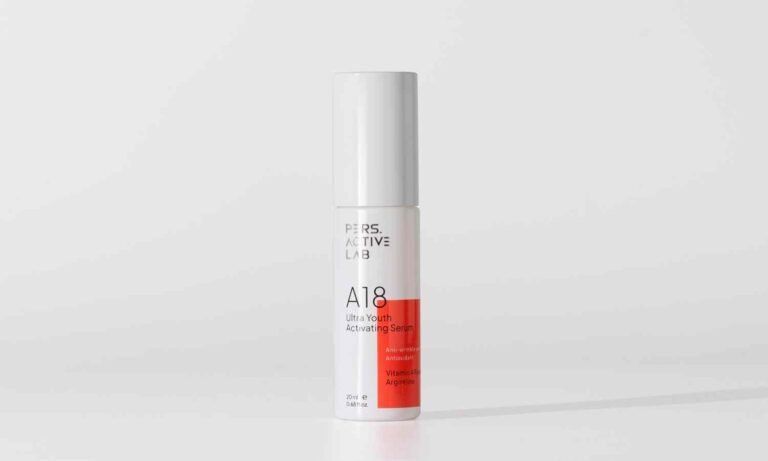
Walk into any beauty aisle or scroll through a skincare page today, and you will see one word appearing on almost every premium bottle: peptide. But within that broad family, there is one compound that dermatologists, formulators, and skincare researchers keep circling back to hexapeptide. It has quietly moved from clinical studies into the mainstream, and right now, it is reshaping what we expect from an anti-aging serum.
So what exactly is a hexapeptide, how does it work, and why is it generating so much attention in 2026? And why are personalized skin care products centred around it now outperforming mass-market alternatives? Let us break it down in plain language.
What Is a Hexapeptide?
A hexapeptide is a chain made up of exactly six amino acids, the building blocks that form every protein in your body, including collagen, elastin, and keratin. The prefix “hexa” simply means six. When these six amino acids are linked together in a specific sequence, they create a molecule small enough to pass through the outermost layer of skin and communicate directly with skin cells below.
The most well-known version is Acetyl Hexapeptide-8 (sometimes listed as Acetyl Hexapeptide-3 on older labels). This particular sequence was developed to mimic the effect of a protein fragment released when nerves signal muscles to contract. By blocking part of that signal, the peptide reduces the repetitive muscle micro-contractions responsible for expression lines, the fine lines that form around the eyes, forehead, and mouth over the years of smiling, squinting, and frowning.
This mechanism is why hexapeptide is often described as a topical alternative to neurotoxin injections. The comparison is not perfect, the effect is milder and requires consistent daily use but it is science-backed, non-invasive, and suitable for all skin types.
How Hexapeptide Fights Skin Aging at the Source
Skin aging happens through several overlapping processes happening simultaneously beneath the surface:
Collagen breakdown: From our mid-20s onward, collagen production slows by roughly 1% per year. The fibres that keep skin firm and bouncy gradually thin and fragment, leaving skin looser and more prone to wrinkling.
Muscle micro-contractions: Every time you raise an eyebrow or squint in sunlight, facial muscles contract repeatedly. Over thousands of repetitions across years, these contractions etch visible lines into the skin.
Loss of hydration: Mature skin holds less moisture at the cellular level, causing the plump, dewy appearance of youth to fade into a drier, more lined texture.
Free radical damage: UV exposure, pollution, and stress generate unstable molecules that damage collagen fibres and impair the skin’s own repair mechanisms.
Hexapeptide addresses two of these pathways directly — it relaxes the muscular contractions driving expression lines, and it signals fibroblast cells to produce more collagen and elastin. Some formulations combine hexapeptide with plant-derived peptides that further stimulate collagen regeneration, creating a compounding effect that works on both existing lines and prevents new ones from forming.
This dual mechanism is why high-quality anti aging serums built around hexapeptide outperform single-ingredient formulas. Rather than treating one sign of aging, they interrupt aging at multiple levels simultaneously.
Why Hexapeptide Is Trending So Hard in 2026
A few converging forces explain why this ingredient has moved from niche to mainstream.
The Botox conversation has shifted. Consumers — particularly in the 25–40 age group across Indian urban markets — are actively searching for non-invasive alternatives to clinical procedures. They want visible results without needles, downtime, or the expense of repeat clinic visits. Hexapeptide fits that brief precisely: it works on the same muscular mechanism as neurotoxins, minus the injection.
Preventive skincare is the dominant philosophy. Dermatologists no longer recommend waiting for wrinkles to appear before treating them. The current thinking, backed by market data showing anti-aging product adoption among Indian consumers under 30 growing faster than any other demographic, is that prevention is dramatically more effective than correction. Hexapeptide in an anti aging serum used from the mid-20s is now considered a cornerstone of preventive routines.
Ingredient literacy has increased. Skincare consumers in 2026 read labels. They understand the difference between a surface moisturiser and a serum with active ingredients that genuinely penetrate. Hexapeptide is verifiable — the research behind Acetyl Hexapeptide-8 is well-documented, making it easier for educated buyers to trust and choose.
Multi-active formulas have arrived. Early peptide serums were single-ingredient products. Today’s best formulations combine hexapeptide with complementary actives plant peptides, slow-release retinoids, hydrating phospholipids — to build a more complete anti-aging response. This sophistication has made the category far more effective than it was even three years ago.
Hexapeptide vs Other Anti-Aging Ingredients
It helps to understand how the hexapeptide fits alongside the other heavy hitters in the anti-aging world.
Retinol/Retinoids: Vitamin A derivatives drive cellular turnover and collagen synthesis but can cause irritation, peeling, and photosensitivity, especially at higher concentrations. They work at the deepest level of skin renewal but require a careful introduction period. Hexapeptide has none of these side effects and works on a completely different pathway. The two ingredients are genuinely complementary rather than competitive.
Hyaluronic Acid: A powerful humectant that draws moisture into the skin, creating an immediate plumping effect. It does not address the underlying structural causes of aging. Hexapeptide, by contrast, targets the muscle and collagen mechanisms driving lines and loss of firmness.
Vitamin C: A brightening antioxidant that protects collagen from free radical damage and fades hyperpigmentation. Excellent for overall skin health and radiance, but it does not act on expression lines directly.
Niacinamide: Strengthens the skin barrier, reduces pore appearance, and calms inflammation. Supportive rather than corrective for wrinkles.
Of all these, hexapeptide is the only topical ingredient that works via a neuromuscular pathway making it genuinely unique in the anti-aging toolkit. The smartest formulations bring hexapeptide, a retinoid, and plant peptides together in one serum, because each ingredient covers a different root cause of aging.
What to Look for in a Hexapeptide Serum
Not all hexapeptide serums are equal. When evaluating a product, look for these markers of quality:
Concentration matters. Research suggests meaningful efficacy begins at concentrations around 3% for Acetyl Hexapeptide-8. Products that list it low in the ingredient deck (near the bottom, after preservatives) are unlikely to deliver results.
Delivery system. Peptides are water-soluble molecules that need the right formulation to penetrate beyond the surface. A dual oil-and-water base significantly improves absorption. Products with phospholipids in the formula help transport actives deeper into the skin’s layers.
Complementary activities. The best results come from serums that pair hexapeptide with plant-derived peptides for collagen stimulation and a gentle retinoid for cellular renewal. This is the multi-pathway approach that modern personalized skin care products are built around, addressing your specific aging concerns rather than applying a one-size formula to every skin type.
Minimal unnecessary ingredients. Alcohol, artificial fragrance, mineral oil, silicones, and parabens can undermine the serum’s performance or trigger sensitivity. A clean, purposeful ingredient list is a strong signal of a well-engineered formula.
Stable, airtight packaging. Peptides degrade when exposed to air and light. Look for pumps or sealed airless dispensers rather than open-jar packaging.
How to Use a Hexapeptide Serum Correctly
Even the best serum delivers poor results if it is applied incorrectly. Follow these steps for maximum benefit:
Apply morning and evening to clean, toned skin. Hexapeptide is stable enough for both AM and PM use, unlike some actives that are UV-sensitive.
Use a pea-to-almond-sized amount for the face and neck. The skin on the neck ages at the same rate as the face and is often neglected.
Allow full absorption usually 60 seconds before layering a moisturiser on top. Applying cream too quickly dilutes the serum’s contact with the skin.
If your serum contains a retinoid alongside hexapeptide, introduce it gradually three nights per week for the first month — before moving to daily use. This prevents the adjustment period that retinoids can cause in some skin types.
Consistency is non-negotiable. The hexapeptide’s effect on muscle contractions is cumulative. Clinical studies show visible improvement in fine lines after 4–8 weeks of daily use, with continued improvement over six months.
Future of Personalized Skincare and Hexapeptide
One of the most exciting developments in the skincare industry right now is the intersection of hexapeptide science with personalized skin care products. Rather than offering a single mass-market formula, leading brands are now building anti-aging serums calibrated to individual skin profiles — factoring in skin type, environmental exposure, hormonal patterns, and specific aging concerns.
This shift matters because aging is not a uniform process. Someone dealing primarily with expression lines around the eyes needs a different hexapeptide concentration and complementary ingredient stack than someone managing deep forehead furrows or overall loss of facial firmness. Personalized skin care products that account for these differences deliver outcomes that generic serums simply cannot match.
AI-assisted skin analysis, now available through dedicated skincare apps, is making this level of personalization accessible outside dermatology clinics. A selfie-based measurement can identify which aging pathways are most active in your skin, allowing the formulation to be targeted accordingly. The result is smarter, more efficient anti-aging care, and the hexapeptide is at the centre of it.
Frequently Asked Questions
Hexapeptide specifically Acetyl Hexapeptide-8 works by mimicking a nerve signal fragment that tells facial muscles to relax. By reducing the intensity of micro-contractions responsible for expression lines, it smooths existing fine lines and prevents new ones from deepening. It also signals fibroblast cells to produce more collagen, improving firmness over time.
Yes. Hexapeptide is one of the gentlest active ingredients in anti-aging skincare. Unlike retinol, it does not cause purging, peeling, or photosensitivity. It is suitable for all skin types, including reactive and rosacea-prone skin, and can be used morning and evening without an adjustment period.
Most users notice an improvement in skin texture and a softening of surface lines within 4–6 weeks of consistent daily use. Deeper wrinkles and significant firmness improvements typically take 8–12 weeks. Results are progressive and cumulative the longer and more consistently you use it, the more pronounced the outcome.
Because aging is individual. Pollution, UV exposure, stress, genetics, and lifestyle all determine which aging pathways are most active in your skin. Personalized skin care products formulated around your specific profile deliver targeted ingredients at the right concentrations rather than a diluted blend designed for the broadest possible audience. For the hexapeptide in particular, concentration and complementary ingredient pairing make a significant difference in outcome.
Which serum is best for anti ageing? Choose collagen serum, peptide serum or a vitamin C serum depending on your concern. All three help with firmness, fine lines and brightness.
Lauder Advanced Night Repair for overall repair, Clarins Double Serum for firming, and L’Oréal Revitalift 1.5% Hyaluronic Acid for hydration. Key ingredients to look for include retinols, peptides, and Vitamin C to target wrinkles, collagen loss, and dullness.