Category

Health Concerns

Category

Hair loss is a growing concern for both men and women across different age groups. Stress, genetics, hormonal changes, lifestyle habits, and medical conditions can all contribute to thinning hair and reduced hair density. Among the many hair restoration options available today, PRP therapy has become one of the most preferred non-surgical treatments for improving hair growth naturally.

However, many patients often wonder whether the PRP hair treatment cost differs for men and women. While the procedure itself is generally similar, several factors such as hair loss patterns, scalp condition, treatment goals, and session requirements can influence the overall pricing.

In this article, we will explore the differences in PRP hair treatment cost for men and women and understand the factors that affect pricing and results.

What Is PRP Hair Treatment?

PRP stands for Platelet-Rich Plasma therapy. It is a non-surgical treatment that uses the patient’s own blood to stimulate hair follicles and encourage natural hair growth.

The process involves:

  1. Drawing a small amount of blood
  2. Separating platelet-rich plasma using a centrifuge machine
  3. Injecting the concentrated plasma into thinning areas of the scalp

The growth factors present in PRP help strengthen weak hair follicles, improve scalp health, and reduce hair fall.

Because PRP uses natural biological components from the patient’s body, it is considered safe and minimally invasive.

Average PRP Hair Treatment Cost in India

The average PRP hair treatment cost in India typically ranges between ₹3,000 and ₹15,000 per session.

The total cost depends on:

  • Number of sessions required
  • Clinic expertise
  • Doctor qualifications
  • Technology used
  • Severity of hair loss

Most patients require multiple sessions over several months for visible results.

Is PRP Hair Treatment Cost Different for Men and Women?

In many cases, the basic per-session pricing for PRP therapy remains similar for both men and women. However, the total treatment cost may differ because hair loss patterns and treatment needs often vary between genders.

Several important factors influence the final treatment expense.

Hair Loss Patterns in Men

Men commonly experience androgenetic alopecia, also known as male pattern baldness. This condition usually affects:

  • The hairline
  • Crown area
  • Top of the scalp

Male hair loss often progresses gradually and may lead to significant baldness over time.

Men with advanced hair loss may require:

  • More PRP sessions
  • Combination treatments
  • Hair transplant procedures alongside PRP

This can increase the total PRP hair treatment cost for some male patients.

Hair Loss Patterns in Women

Women generally experience diffuse hair thinning rather than complete bald patches. Female hair loss often appears as:

  • Reduced hair density
  • Widening of the hair part
  • Overall scalp thinning

Hormonal changes, pregnancy, stress, thyroid disorders, and nutritional deficiencies commonly contribute to hair thinning in women.

Because women often seek treatment earlier during the thinning stage, PRP therapy may sometimes require fewer sessions and deliver faster improvements.

However, severe cases of female hair thinning may still involve long-term maintenance treatments.

Scalp Condition and Hair Density

Scalp condition plays an important role in determining the overall PRP hair treatment cost for both men and women.

Patients with:

  • Severe follicle damage
  • Poor scalp health
  • Extensive thinning

may require additional sessions and supportive therapies to achieve optimal results.

People with healthier follicles and early-stage hair loss usually respond more quickly to PRP treatment, reducing overall treatment expenses.

Number of Sessions Required

The number of PRP sessions significantly affects total cost.

Men May Require:

  • More sessions for advanced baldness
  • Maintenance treatments for ongoing hair loss
  • Combination therapy with hair transplants

Women May Require:

  • Sessions targeting diffuse thinning
  • Hormonal evaluations
  • Nutritional support alongside PRP

Although treatment plans vary individually, session count remains one of the biggest factors affecting overall pricing.

Combination Treatments Can Increase Cost

In some cases, PRP therapy is combined with additional procedures for better hair restoration outcomes.

Common combination treatments include:

  • Hair transplants
  • Mesotherapy
  • GFC therapy
  • Laser scalp therapy

Men experiencing advanced baldness are more likely to combine PRP with hair transplant surgery, which can significantly increase expenses.

Women may also use PRP alongside treatments for hormonal or nutritional hair loss causes.

Clinic Expertise and Technology

The clinic’s reputation and medical expertise affect pricing for both men and women.

Advanced clinics often use:

  • Modern centrifuge systems
  • High-quality PRP kits
  • Experienced hair restoration specialists

These factors may increase the PRP hair treatment cost, but they can also improve treatment quality and success rates.

Choosing an experienced specialist is important regardless of gender.

Recovery and Maintenance

PRP therapy involves minimal downtime for both men and women. Most patients can resume daily activities shortly after treatment.

However, maintenance sessions are usually required every few months to sustain results.

Patients who maintain:

  • Healthy diets
  • Proper scalp care
  • Stress management
  • Medical follow-ups

often experience longer-lasting improvements and may require fewer touch-up sessions.

How to Choose the Right PRP Clinic

Whether you are male or female, selecting the right clinic is essential for achieving safe and effective results.

Before starting treatment:

  • Check doctor qualifications
  • Read patient reviews
  • Ask about technology used
  • Understand package pricing
  • Request a complete treatment plan

Avoid choosing clinics solely based on the lowest price, as poor-quality procedures may lead to disappointing outcomes.

Is PRP Worth the Cost for Both Men and Women?

For many patients, PRP therapy is a worthwhile investment because it offers:

  • Non-surgical hair restoration
  • Minimal recovery time
  • Natural-looking improvement
  • Reduced hair fall
  • Better hair thickness

The treatment works best for individuals with early to moderate hair thinning rather than complete baldness.

Both men and women can benefit significantly from PRP when treatment begins early and is performed by experienced professionals.

Conclusion

The PRP hair treatment cost for men and women is not always drastically different, but factors such as hair loss patterns, scalp condition, treatment goals, and maintenance needs can influence the total expense.

Men experiencing advanced baldness may require more sessions or combination procedures, while women with diffuse thinning may benefit from earlier intervention and customized treatment plans.

Ultimately, the best way to determine the right treatment approach is through consultation with a qualified hair restoration specialist. By understanding the factors that affect pricing and results, patients can make informed decisions and achieve healthier, fuller hair with confidence.

Hair transplantation has become one of the most effective solutions for treating hair loss and restoring confidence. Modern procedures now offer natural-looking hairlines, improved density, and long-lasting results for people of different age groups. However, many patients still wonder whether age affects the outcome of a hair transplant and if younger or older individuals achieve better results. The reality is that age can influence several aspects of the procedure, including hair loss progression, donor hair quality, and long-term planning. Understanding these factors is important when evaluating your potential Hair Transplant Before and After transformation.

A hair transplant involves moving healthy hair follicles from the donor area, usually located at the back or sides of the scalp, to areas experiencing thinning or baldness. Modern techniques such as FUE (Follicular Unit Extraction) and FUT (Follicular Unit Transplantation) are designed to create natural hair growth patterns while minimizing scarring. Although these procedures are suitable for adults of different ages, the success of the transplant depends on factors such as scalp health, graft availability, and future hair loss progression.

Age plays an important role because hair loss patterns change over time. Younger patients often continue losing hair after the procedure, while older patients usually have more stable hair loss patterns. This difference affects how surgeons design the hairline, distribute grafts, and plan future treatments. The goal is to create results that continue looking natural for many years. This is why experienced surgeons carefully analyze the patient’s age before creating a customized treatment plan for the best possible Hair Transplant Before and After outcome.

Younger patients, especially those in their twenties or early thirties, commonly seek hair transplants to treat receding hairlines or early thinning. One major advantage younger patients have is stronger donor hair quality. Their hair follicles are often thicker, denser, and healthier, which can improve graft survival and overall density. Younger individuals also tend to heal faster because of better scalp elasticity and stronger blood circulation. These factors can contribute to impressive and natural-looking Hair Transplant Before and After transformations.

However, younger patients also face certain challenges. Hair loss at a younger age is often still progressing, which means future baldness patterns may not yet be fully visible. If the surgeon creates a low or aggressive hairline too early, the surrounding natural hair may continue thinning over time. This can result in an unnatural appearance later in life. For this reason, experienced surgeons usually recommend conservative and age-appropriate hairline designs for younger patients. Long-term planning is extremely important to preserve donor grafts for future procedures if additional hair loss occurs.

Older patients often experience more stable hair loss patterns, which makes planning easier. Individuals in their forties, fifties, or older generally have predictable baldness progression, allowing surgeons to design more permanent and balanced restoration strategies. This stability helps create long-lasting Hair Transplant Before and After results because the surgeon can better estimate future hair density and scalp coverage needs.

Despite this advantage, older patients may also face certain limitations. Hair density in the donor area may decrease with age, and hair texture can become thinner over time. Some older individuals may also have larger bald areas that require a higher number of grafts for adequate coverage. Healing may take slightly longer compared to younger patients, especially if there are underlying health conditions. However, with modern techniques and proper aftercare, older patients can still achieve excellent hair restoration results.

One of the most important factors in any hair transplant is donor hair availability. Since donor follicles are limited, they must be managed carefully regardless of age. Younger patients usually have stronger donor areas, but surgeons must preserve enough grafts for potential future treatments. Older patients may have fewer donor grafts available due to natural thinning, making strategic graft placement even more important. An experienced surgeon understands how to balance density, coverage, and long-term planning to maximize the overall Hair Transplant Before and After transformation.

Hairline design is another area where age significantly affects results. Younger patients often receive softer and slightly mature hairlines to maintain a natural appearance as they age. In contrast, older patients may benefit from wider and more conservative hairline designs that match their facial features and age group. The goal is always to create realistic and natural-looking results rather than an artificial appearance.

Recovery after a hair transplant can also vary depending on age. Younger patients generally heal faster and may experience quicker initial growth. Older patients may require additional scalp care and patience during recovery. However, both groups typically follow the same overall timeline, including initial shedding during the first month, new growth beginning around four to six months, and final results appearing after 12 months. Following proper aftercare instructions is essential for achieving successful Hair Transplant Before and After outcomes at any age.

Beyond physical appearance, hair restoration often has a major emotional impact on patients. Younger individuals frequently report improved social confidence and greater comfort in public settings after their procedure. Older patients often feel more youthful and confident in professional and personal environments. The emotional transformation associated with successful hair restoration can positively affect many aspects of life.

There is no perfect age for a hair transplant because every patient’s hair loss pattern and goals are different. The best candidates are individuals with healthy donor hair, realistic expectations, and stable or manageable hair loss. Rather than focusing only on age, experienced surgeons evaluate scalp condition, hair characteristics, and future hair loss risks before recommending treatment.

In conclusion, age can influence hair transplant planning, graft availability, healing, and long-term results, but it does not determine success on its own. Both younger and older patients can achieve natural and long-lasting Hair Transplant Before and After transformations when treated by an experienced specialist. With proper planning, modern technology, and realistic expectations, hair transplantation can restore confidence and create life-changing results for patients of all ages.

Daily wellness plays a central role in shaping long-term health outcomes by supporting physical strength, emotional stability, and mental clarity. Consistent healthy habits help the body function efficiently and reduce the risk of chronic health conditions over time. Many individuals experience health challenges due to irregular routines, poor diet choices, and unmanaged stress. A structured approach to wellness builds resilience and supports balanced living. Incorporating personalized health and wellness services helps individuals understand their unique health requirements and develop routines that promote sustainable wellbeing. Over time, small daily actions create a strong foundation for lasting energy, improved immunity, and a better quality of life.

Daily Wellness and Its Core Components

Daily wellness refers to consistent habits that maintain and improve overall health. It includes physical activity, balanced nutrition, emotional stability, proper sleep, hydration, and stress management. Each component plays a specific role in keeping the body and mind in harmony. Physical activity supports cardiovascular health and muscle strength, while nutrition fuels body functions. Sleep allows recovery, and emotional balance supports mental clarity. Hydration ensures proper organ function, and stress management prevents mental exhaustion. When these elements are practiced daily, they form a structured lifestyle that promotes long-term stability and reduces health risks.

Importance of Consistency in Wellness Habits

Consistency is the foundation of effective daily wellness. Irregular habits often fail to produce long-term results, while steady routines gradually improve health outcomes. The human body responds best to repeated healthy behaviors such as proper meals, regular movement, and consistent sleep cycles. Over time, these actions strengthen biological systems and improve metabolism. Consistency also helps regulate hormones responsible for energy and mood. Maintaining wellness habits daily reduces sudden health fluctuations and creates balance in both physical and mental performance. This steady approach builds discipline and ensures long-term benefits without extreme lifestyle changes.

Benefits of Maintaining Daily Wellness Habits

Daily wellness habits provide multiple benefits that extend beyond physical fitness. Regular exercise and healthy eating strengthen immunity and reduce the risk of chronic illnesses such as diabetes and heart disease. Balanced routines improve energy levels, allowing individuals to remain active throughout the day. Emotional health also improves as stress levels decrease and mood stability increases. Productivity and focus become stronger when the body operates under a structured routine. Additionally, consistent wellness habits improve sleep quality, which supports mental recovery. These combined benefits contribute to long-term health stability and improved quality of life.

Key Daily Wellness Practices for Long-Term Health

Effective wellness routines include simple yet powerful daily practices. A nutrient-rich diet that includes fruits, vegetables, proteins, and whole grains supports overall body function. Regular hydration ensures proper digestion and energy balance. Physical activity, such as walking, stretching, or exercise, improves cardiovascular health and muscle strength. Maintaining a consistent sleep schedule allows the body to repair and recover efficiently. Stress management techniques like deep breathing, journaling, and mindfulness reduce mental pressure. Limiting processed foods and unhealthy habits further strengthens overall health. Together, these practices build a sustainable lifestyle that supports long-term wellness.

Role of Nutrition in Daily Wellness

Nutrition is one of the most important pillars of daily wellness. A balanced diet provides essential nutrients required for energy production, cell repair, and immune function. Poor dietary habits can lead to fatigue, weakened immunity, and long-term health complications. Whole foods such as fruits, vegetables, lean proteins, and healthy fats support optimal body performance. Proper nutrition also improves brain function, helping with focus and memory retention. Maintaining regular meal timing stabilizes blood sugar levels and prevents energy crashes. A strong nutritional foundation ensures that the body remains active, resilient, and capable of handling daily physical and mental demands.

Physical Activity and Its Long-Term Impact

Physical activity plays a vital role in maintaining long-term health and preventing lifestyle-related diseases. Regular movement improves heart health, strengthens muscles, and supports weight management. Exercise also enhances blood circulation, ensuring oxygen and nutrients reach all parts of the body efficiently. Even moderate activities like walking or stretching contribute significantly to health improvement. Physical activity also supports mental wellbeing by releasing endorphins, which improve mood and reduce stress. Over time, active individuals experience better mobility, stronger immunity, and reduced risk of chronic conditions. A consistent movement routine is essential for maintaining lifelong health.

Connection Between Mental Health and Daily Wellness

Daily wellness habits deeply influence mental health. A balanced routine supports emotional stability and reduces anxiety levels. Proper sleep, nutrition, and physical activity regulate brain chemistry, which directly affects mood and behavior. Stress management techniques such as meditation and breathing exercises help calm the mind and improve focus. Social interaction and meaningful activities also contribute to emotional wellbeing. When daily wellness is maintained, mental clarity improves, decision-making becomes easier, and emotional resilience increases. This connection highlights that mental and physical health are closely linked and must be supported together for overall wellbeing.

Sleep and Recovery in Daily Wellness

Sleep is a critical component of daily wellness that directly affects long-term health. Proper sleep allows the body to repair tissues, regulate hormones, and restore energy levels. Poor sleep quality can lead to fatigue, weakened immunity, and reduced cognitive performance. A consistent sleep schedule helps regulate the body’s internal clock and improves overall rest quality. During sleep, the brain processes information and supports memory function. Lack of sleep over time increases the risk of chronic diseases and mental health issues. Prioritizing rest ensures better physical recovery and improved daily performance.

Stress Management and Emotional Balance

Stress management is essential for maintaining emotional balance and long-term wellness. Chronic stress negatively affects both physical and mental health, leading to fatigue, anxiety, and weakened immunity. Effective stress control techniques include mindfulness, deep breathing exercises, physical activity, and structured daily routines. Managing workload and taking regular breaks also helps reduce mental pressure. Emotional balance improves relationships, focus, and decision-making abilities. Developing strong coping strategies ensures that individuals can handle daily challenges without overwhelming their bodies or minds. Consistent stress management supports long-term stability and overall wellbeing.

Long-Term Impact of Ignoring Daily Wellness

Neglecting daily wellness can lead to serious long-term health consequences. Poor lifestyle habits gradually weaken the immune system and increase the risk of chronic diseases. Lack of exercise, poor diet, and irregular sleep contribute to fatigue, low productivity, and emotional instability. Over time, these patterns become harder to reverse and may lead to permanent health issues. Mental health may also decline due to unmanaged stress and a lack of balance in daily routines. Ignoring wellness today often leads to a reduced quality of life in the future, making consistent care essential for prevention and long-term stability.

Role of Personalized Health Support in Wellness

Personalized health support helps individuals create wellness routines based on their specific needs. Not every person has the same physical condition, lifestyle, or health goals. Tailored guidance ensures that nutrition, exercise, and stress management plans are more effective. Personalized health and wellness services provide structured support that improves accountability and long-term success. These services help identify weaknesses in daily routines and suggest practical improvements. Over time, personalized strategies increase motivation and consistency, leading to better health outcomes and sustainable lifestyle changes that support overall wellbeing.

Conclusion

Daily wellness is a lifelong commitment that significantly influences long-term physical, mental, and emotional health. Consistent habits such as balanced nutrition, regular exercise, proper sleep, and stress management create a stable foundation for wellbeing. These practices improve energy levels, strengthen immunity, and support mental clarity. Ignoring wellness can lead to long-term health challenges, while consistent care ensures resilience and stability. Support systems like personalized health and wellness services further improve results by tailoring routines to individual needs. Small daily actions build lasting health benefits, making wellness an essential part of a balanced and healthy life.

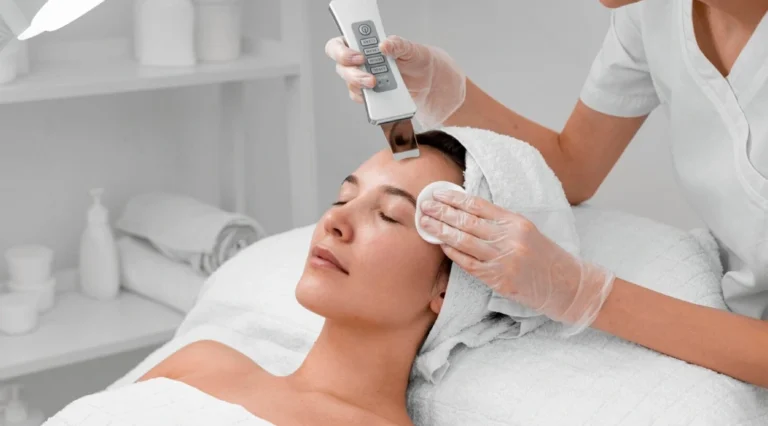
Every skin treatment sounds a little scary before you actually try it. The moment people hear words like “ultrasound energy” or “skin tightening,” the first thought is usually: “Okay… but is this going to hurt?” That’s probably one of the most common questions patients ask before getting HIFU Treatment in Kalyan Nagar at Neotis Skin Clinic. And honestly, it’s a fair concern.

Nobody wants to sign up for a treatment that feels unbearable. The good news? HIFU is usually much more manageable than people imagine. But let’s talk about it honestly, not like an advertisement, but like a real conversation.

First, What Exactly Is HIFU?

HIFU stands for High-Intensity Focused Ultrasound. It’s a non-surgical skin tightening treatment that works beneath the surface of your skin.

Instead of cutting or injecting anything, it sends focused ultrasound energy deep into the skin layers. This stimulates collagen production, which helps the skin become firmer and tighter over time.

At Neotis Skin Clinic, treatments are carefully customised by experienced dermatologists like Dr. Varsha S Patil to make the process both safe and comfortable.

So… Does It Hurt?

Here’s the honest answer: HIFU is not completely sensation-free, but it’s usually not very painful either.

Most people describe it as:

  • Tiny warm pricks
  • Mild tingling
  • Brief zapping sensations
  • A feeling of heat deep under the skin

The intensity varies from person to person. Some areas, especially near the jawline or forehead, may feel slightly more sensitive because the skin is thinner there.

But the important thing is this—the discomfort lasts only while the machine is working on that area. Once the session moves on, the feeling goes away quickly.

Why People Tolerate It Well

One reason HIFU feels manageable is because there’s no cutting, no needles, and no major recovery involved. Compared to surgical procedures, it’s considered far less uncomfortable.

Most patients at Neotis Skin Clinic are surprised by how quick and simple the treatment feels once it starts. The fear before the session is often worse than the actual experience.

A skilled Skin Doctor in Kalyan Nagar also adjusts the settings carefully based on your skin sensitivity, which helps keep the treatment comfortable.

What Happens During the Session?

The session usually starts with cleansing the skin and applying a gel. The HIFU device is then moved across specific areas of the face or neck.

As the machine delivers ultrasound energy, you may feel those small pulses under the skin. Some moments feel more noticeable than others, but it’s generally very tolerable.

Many people continue chatting during the session or simply relax through it.

And yes, one common reaction after the treatment is:
“That was much easier than I expected.”

What About After the Treatment?

This is another reason people love HIFU – there’s usually very little downtime.

After the session, some people may notice:

  • Mild redness
  • Slight swelling
  • Tenderness when touching the skin

These effects are usually temporary and settle on their own.

Since the skin surface isn’t damaged, most patients return to normal activities quickly. This makes HIFU Treatment in Kalyan Nagar popular among people who want gradual skin tightening without taking time off from work or social life.

Why Results Take Time

Unlike treatments that give instant dramatic changes, HIFU works slowly and naturally.

The ultrasound energy stimulates collagen deep inside the skin, and collagen takes time to rebuild. So while you may notice a slight tightening early on, the real improvements usually appear over the next few weeks and months.

That gradual change is actually what makes HIFU look natural. Your skin improves quietly instead of looking suddenly “done.”

Small Tips to Make the Experience Easier

A few simple things can help you feel more comfortable during and after treatment:

  • Stay hydrated before your session
  • Avoid overthinking the pain beforehand
  • Follow aftercare instructions properly
  • Choose an experienced dermatologist

At Neotis Skin Clinic, Dr. Varsha S Patil focuses on explaining every step clearly so patients feel relaxed and informed throughout the process.

Is HIFU Worth It?

For many people, yes.

The treatment appeals to those who want firmer skin without surgery, stitches, or long recovery periods. And while there is some mild discomfort during the procedure, most patients feel it’s completely manageable compared to the benefits.

The key is having realistic expectations. HIFU is not about instant transformation—it’s about slow, healthy-looking improvement.

Final Thoughts

HIFU may sound intimidating at first, but the treatment is usually far more comfortable than people expect. Most patients describe the sensation as mild and temporary, not unbearable.

When done under the guidance of an experienced Skin Doctor in Kalyan Nagar, the process becomes smoother, safer, and much less stressful.

At Neotis Skin Clinic, the focus is always on honest guidance, patient comfort, and natural-looking results. Because good skin treatments should make you feel more confident—not more nervous.

There is a sort of frustration when the bumps are small and never go away. They do not hurt, they are not quite acne, they tend to be around the eyes, and they refuse to yield to normal skincare. You change to exfoliating, change products, but it makes no difference. 

This is where Syringoma removal in Riyadh comes in. The upside is that you can unlock Clear Skin: Comprehensive Syringoma Removal Strategies for Long-Term Beauty Gains.

What Are Syringomas?

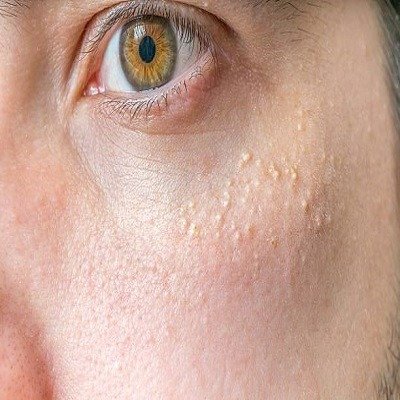
Syringomas are benign and small growths that are formed as a result of the sweat gland. They are usually small, flesh colored or a bit dark yellow, most often in the areas of the face around the eyes, cheeks, or upper face.

They are:

  •  Non-cancerous
  •  Usually painless
  • No cure and persistent.

Since they are located underneath the skin, they are not responsive to the usual skincare products or surface-level treatments.

Unlock Clear Skin: Comprehensive Syringoma Removal Strategies for Long-Term Beauty Gains

Syringomas are difficult to manage. Removal is not the point, though; it should be done in a manner that causes less damage to the skin and promotes long-term clarity.

At the Professional Level First

Proper assessment should be taken before thinking of any form of treatment.

Accurate Diagnosis

Syringomas are not the only small bumps. A specialist assessment will assist in establishing the diagnosis and prevent unneeded and irrational therapies.

Understanding Skin Type

Various skin types respond differently to the procedures, particularly in the sensitive part of the body, such as around the eyes.

Laser Therapy: Surgery on a Target

One of the methods that is more commonly used is laser therapy.

Precision Treatment

Lasers are used to attack growth without any harm to the surrounding tissue.

Controlled Results

The richness and the intensity can be varied, and a more personalised treatment is possible.

Small Lesions of the Electrocaution

The electrocautery involves the use of controlled heat to eliminate the bumps.

Direct Removal

The method is aimed at eliminating the syringoma tissue in a specific manner.

Appropriate in Multiple Small Growths

It is commonly applied in cases where multiple and small lesions occur in a single area.

Surface Refining Chemical Peels

Peels do not eliminate syringomas, but they might help improve the overall skin texture.

Supporting Skin Renewal

The areas surrounding the skin are made to look more even with the aid of chemical peels.

Complementary Treatment

They are normally combined with the other techniques of removal and not as an independent solution.

Slow and Staged Therapeutic Process

Syringoma removal in Riyadh is not always a single procedure.

Multiple Sessions

Certain treatments need to be repeated to have a complete penetration of deeper growths.

Minimising Skin Trauma

Step-wise will decrease the chances of scarring or pigmentary alteration.

Managing Expectations and Risks

One should be moderate in their way of treatment.

Possibility of Recurrence

Syringomas might reoccur periodically, even after they have been removed.

Skin Sensitivity

The eye area is very sensitive, and therefore the treatments should be well handled so as to avoid irritation.

Importance of Aftercare

Post-treatment may affect achieving the result.

Protecting the Skin

Maintaining a tidy space and not being irritated aids in recovery.

Sun Protection

Healing may be influenced by sun exposure, resulting in changes in pigmentation, and it is thus very important to wear protection.

Long-Term Skin Maintenance

The health of the skin is also crucial, even after an effective removal.

Gentle Skincare Routine

Usage of harsh products should be avoided so as to avoid unnecessary irritation.

Regular Monitoring

Any newly developed growths can be monitored, which allows management to act early should it be necessary.

A Thoughtful Perspective

Syringomas are not harmful, but may be intractable. Their treatment is not more of an urgency but a decision.

The speed and violent methods can at times even be counterproductive to the goal, particularly when it comes to a shy and sensitive flesh. A more restrained and professional approach would also have superior and more sustainable results.

Book an appointment today – Unlock Clear and Smoother Skin!

In case you think that clearer and smoother skin is necessary, and you are planning to remove syringoma, you can make an appointment at Enfield Royal Clinic Saudi for Syringoma removal in Riyadh and discuss the most appropriate treatments with a specialist. 

Frequently Asked Questions

Are syringomas harmful?

No, they are harmless lesions and not dangerous to health.

Is it possible to get rid of syringomas on their own?

They do not usually fade away without any treatment.

Is laser removal effective?

Laser therapy is also a popular and effective treatment that can be used to treat or eliminate syringomas.

Syringomas: Do they reappear after their removal?

They may be repeated after some time, and this depends on individual skin tendencies.

Is treatment painful?

The majority of the procedures are not painful, particularly when carried out in a good manner and using the proper technique.

How many sessions are needed?

The length of the sessions depends on the amount and severity of the syringomas.

Every day, radiologists around the world review thousands of scans — chest X-rays, brain MRIs, CT images — searching for the subtle shadows and shapes that could signal cancer, stroke, or disease. AI Radiology Software It’s painstaking, high-stakes work. And now, artificial intelligence is stepping in as a powerful co-pilot. At the heart of this transformation lies a combination that might not sound glamorous but is genuinely revolutionary: DICOM standards and machine learning algorithms working in tandem.

Here’s what that means, why it matters, and what it means for the future of your healthcare.

What Is DICOM, and Why Does It Matter?

Before we talk about AI, we need to talk about the language medical images speak.

DICOM — short for Digital Imaging and Communications in Medicine — is the universal standard format for storing, transmitting, and displaying medical imaging data. Think of it as the PDF of the medical world, except far more sophisticated. Every MRI scan, CT slice, ultrasound, and digital X-ray is stored as a DICOM Viewer file, and that file carries far more than just pixels. It contains embedded metadata: patient demographics, acquisition settings, scanner model, imaging protocol, and clinical context — all packaged together.

This standardization was a landmark achievement in healthcare interoperability. Before DICOM, medical images were trapped in proprietary systems, impossible to share between hospitals or vendors. Today, a scan taken in one country can be read by software or a specialist anywhere in the world.

But DICOM’s real power in the modern era is what it enables for AI: a structured, rich, consistent data format that machine learning models can actually learn from.

Where Machine Learning Enters the Picture

Machine learning – and more specifically, deep learning using convolutional neural networks (CNNs) – has proven extraordinarily effective at analyzing visual patterns in images. These are the same underlying techniques that power facial recognition and self-driving car vision systems. Applied to DICOM images, they can identify patterns that are invisible to the naked eye, consistent in ways no human can be, and fast in ways no human ever could be.

Here’s what that looks like in practice:

1. Automated Anomaly Detection

AI models trained on millions of labeled DICOM scans can flag potential abnormalities — a pulmonary nodule on a chest CT, a hemorrhage on a brain scan, a fracture on an X-ray — often in seconds. The software doesn’t replace the radiologist; it acts as a first-pass filter, prioritizing urgent cases and surfacing the findings that need immediate human attention.

This is particularly transformative in high-volume emergency settings, where a radiologist might have hundreds of scans queued. An AI triage system ensures the stroke patient’s scan isn’t buried behind routine follow-ups.

2. Quantitative Measurement and Segmentation

Traditional radiology relies heavily on qualitative assessment — a radiologist describes what they see. AI enables precise quantification. Tumor volume measured to the millimeter. Organ segmentation done automatically in seconds rather than hours. Longitudinal comparison of lesion size across multiple visits, calculated with mathematical precision rather than visual estimation.

This matters enormously for oncology, where tracking whether a tumor is growing, stable, or shrinking determines treatment decisions.

3. Workflow Integration via DICOM Pipelines

This is where the DICOM standard truly shines as an enabler. AI radiology software doesn’t operate in isolation — it plugs directly into the hospital’s existing Picture Archiving and Communication System (PACS) through DICOM protocols. When a scan is acquired, it flows automatically into the AI pipeline, gets analyzed, and the results are sent back as structured annotations within the DICOM file itself — or as a separate structured report.

The radiologist opens their workstation and sees the AI’s findings overlaid on the scan, ready for review. No extra steps, no separate system to log into. This seamless integration is what drives real-world adoption.

Real-World Impact: The Numbers Tell the Story

The clinical evidence is building rapidly. AI-assisted radiology has demonstrated the ability to reduce missed findings in mammography screening, detect diabetic retinopathy from fundus images with accuracy matching ophthalmologists, and cut the time to identify intracranial bleeds from hours to under a minute.

In radiology departments facing radiologist shortages — a growing global crisis — AI effectively increases reading capacity without adding staff. In under-resourced settings, AI tools can bring specialist-level screening to regions where radiologists are scarce or nonexistent.

Perhaps most importantly, studies consistently show that the human + AI combination outperforms either alone. AI catches what tired eyes miss. Humans catch what AI misclassifies. Together, diagnostic accuracy improves.

Challenges Still on the Table

This technology isn’t without its hurdles, and it’s worth being clear-eyed about them.

Bias in training data is a genuine concern. AI models trained predominantly on data from one demographic or imaging system may perform differently on underrepresented populations or different scanner brands. Ensuring diverse, representative training datasets is an ongoing challenge for developers.

Regulatory pathways vary by country and are still maturing. In the US, the FDA has cleared hundreds of AI radiology tools, but the approval process for continuously learning models is still evolving. Clinicians need confidence that the AI they’re relying on has been rigorously validated.

Explainability remains a friction point. Deep learning models are often described as “black boxes” — they can produce a result without a clear human-readable explanation. For clinicians who need to justify a diagnosis to a patient or a peer, that’s uncomfortable. Interpretability tools like heatmaps and attention maps are helping, but this is an active area of research.

What This Means for Patients

For you as a patient, AI radiology software means a few tangible things:

  • Faster results, especially in emergency situations where speed saves lives.
  • More consistent screening, with AI acting as a tireless second opinion that doesn’t have bad days.
  • Earlier detection, because AI can identify subtle patterns that might be dismissed as ambiguous in a busy clinical environment.
  • Better access, as AI extends specialist-level diagnostics to community hospitals and clinics that can’t recruit top-tier radiologists.

You won’t necessarily know when AI has reviewed your scan — and that’s by design. It works quietly in the background, supporting the radiologist who ultimately signs off on your report.

The Road Ahead

We are still in the early innings of AI radiology. The next frontier includes multimodal AI that combines imaging data with lab results, genetic information, and clinical history for truly holistic diagnostics. Federated learning models that can train across hospital networks without sharing raw patient data are also emerging, addressing privacy concerns while expanding the breadth of training data.

DICOM itself continues to evolve, with newer extensions supporting 3D imaging, structured reporting, and AI result storage natively within the standard.

The partnership between DICOM’s decades of standardisation work and the pattern-recognition power of modern machine learning isn’t just a technical story — it’s a clinical one. It’s about catching the cancer earlier, diagnosing the stroke faster, and giving radiologists the tools to do their best work at scale.

That’s a transformation worth understanding.

Keeping reptiles healthy starts with creating the right environment inside their enclosure. Unlike mammals, reptiles cannot control their body temperature internally. They rely completely on external heat and humidity to stay active, digest food, and maintain healthy body functions. Because of this, monitoring enclosure conditions is one of the most important responsibilities for reptile owners.

This is where reliable reptile thermometers become extremely important. Whether you own a snake, turtle, gecko, chameleon, or bearded dragon, using an accurate thermometer for reptiles helps ensure your pet lives in safe and comfortable conditions. Along with proper temperature control, humidity monitoring using a hygrometer for reptiles and moisture support from a reptile humidifier also play a major role in reptile care.

Many reptile health problems actually begin because of incorrect enclosure temperatures or humidity levels. Small mistakes in climate control can lead to stress, poor appetite, shedding issues, dehydration, and serious illnesses over time.

In this guide, we’ll explain why accurate temperature monitoring matters, how reptile thermometers support reptile health, and how humidity tools help create the perfect terrarium environment.

Why Temperature Is So Important for Reptiles

Reptiles are cold-blooded animals, which means their body temperature depends on the environment around them. In the wild, reptiles move between warm and cool areas throughout the day to regulate body heat naturally.

Inside a terrarium, reptiles rely on heating equipment and accurate reptile thermometers to maintain those same conditions.

Proper temperatures help reptiles:

  • Digest food properly
  • Maintain a healthy metabolism.
  • Stay active and alert.
  • Support immune function
  • Shed skin normally

Without a proper thermometer for reptiles, it becomes difficult to know whether the enclosure is too hot or too cold.

How Reptile Thermometers Help Maintain Health

A quality thermometer does much more than simply display temperature numbers. It helps reptile owners create a stable and safe habitat.

Prevents Overheating

Excessive heat can quickly become dangerous for reptiles.

Overheating may cause:

  • Stress
  • Dehydration
  • Weakness
  • Loss of appetite
  • Breathing problems

Using accurate reptile thermometers helps prevent unsafe temperature spikes.

Prevents Low Temperature Problems

Cold temperatures can also create serious health issues.

Reptiles living in cool environments may experience:

  • Slow digestion
  • Low activity
  • Poor appetite
  • Weak immune systems

A reliable thermometer for reptiles helps maintain healthy basking and resting temperatures.

Supports Proper Digestion

Reptiles need warmth to digest food correctly. If temperatures are too low, food may remain undigested and cause discomfort or illness.

Correct temperatures monitored through reptile thermometers help improve digestion and nutrient absorption.

Helps Reduce Stress

Stable enclosure conditions help reptiles feel safer and more comfortable.

Frequent temperature fluctuations may increase stress and unusual behavior.

Types of Reptile Thermometers

There are several kinds of temperature monitoring devices available for reptile enclosures.

Digital Reptile Thermometers

Digital thermometers are one of the most popular options for reptile owners.

Benefits Include:

  • Accurate readings
  • Fast temperature updates
  • Easy-to-read displays
  • Better reliability

Most reptile owners prefer digital reptile thermometers because they provide more precise information.

Probe Thermometers

Probe thermometers use sensors placed directly inside the enclosure.

Best For:

  • Monitoring basking areas
  • Measuring cool zones
  • Larger terrariums

These are excellent choices for anyone looking for an accurate thermometer for reptiles.

Infrared Temperature Guns

Infrared thermometers measure surface temperatures instantly.

Useful For:

  • Rocks
  • Basking platforms
  • Branches
  • Heating zones

Many reptile owners use these tools along with standard reptile thermometers for extra accuracy.

Importance of Humidity for Reptiles

Temperature is only part of proper reptile care. Humidity is equally important for many species.

Incorrect humidity levels can lead to:

  • Shedding problems
  • Respiratory infections
  • Dehydration
  • Skin irritation

This is why many owners also use a hygrometer for reptiles to monitor moisture levels.

What Is a Hygrometer for Reptiles?

hygrometer for reptiles measures humidity inside the enclosure.

Different reptiles require different humidity levels depending on their natural habitat.

Examples:

  • Tropical reptiles need higher humidity.
  • Desert reptiles need lower humidity.
  • Amphibians often require very moist environments.

A hygrometer helps maintain balanced enclosure conditions.

Role of a Reptile Humidifier

Some reptiles require additional moisture support inside the terrarium.

A reptile humidifier helps maintain healthy humidity levels by adding moisture to the enclosure air.

Benefits of a Reptile Humidifier

  • Supports healthy shedding
  • Prevents dry skin
  • Helps tropical reptiles stay hydrated
  • Maintains stable humidity

Many reptile owners use a reptile humidifier together with a hygrometer for reptiles for better humidity control.

Importance of Temperature Zones

Most reptile habitats should include multiple temperature areas.

Warm Basking Area

The basking zone is the warmest part of the enclosure.

Reptiles use this area to:

  • Raise body temperature
  • Digest food
  • Absorb heat after eating.

Cool Zone

The cooler side helps reptiles cool down naturally.

Proper placement of reptile thermometers helps monitor both areas accurately.

Common Temperature Mistakes Reptile Owners Make

Many reptile health problems happen because of incorrect temperature monitoring.

Common Mistakes Include:

  • Using inaccurate thermometers
  • Measuring only one area
  • Ignoring humidity levels
  • Overheating the enclosure
  • Not checking temperatures regularly.

Using quality reptile thermometers helps avoid these problems.

Signs Your Reptile Habitat Needs Better Monitoring

Poor environmental conditions often lead to visible health changes.

Warning Signs Include:

  • Low activity
  • Poor appetite
  • Constant hiding
  • Incomplete shedding
  • Dehydration
  • Weight loss

Using an accurate thermometer for reptiles and proper humidity monitoring can help improve these issues.

Tips for Better Temperature and Humidity Control

Maintaining stable enclosure conditions becomes easier with the right equipment.

Use Multiple Thermometers

Place thermometers in both warm and cool areas.

Monitor Humidity Daily

Check moisture levels regularly using a hygrometer for reptiles.

Use a Reptile Humidifier When Needed

Tropical reptiles often benefit from extra humidity support.

Check Equipment Regularly

Inspect thermometers, heating systems, and humidifiers for accuracy and proper performance.

Benefits of Accurate Reptile Monitoring

Proper monitoring creates a safer and healthier environment for reptiles.

Key Benefits Include:

  • Better digestion
  • Healthier shedding
  • Reduced stress
  • Stronger immune health
  • Improved activity levels

Reliable reptile thermometers help reptile owners maintain stable and comfortable habitats.

Final Thoughts

Accurate temperature and humidity monitoring are essential parts of responsible reptile care. Reptiles rely completely on their environment to regulate body temperature, digest food, stay active, and remain healthy.

Using high-quality reptile thermometers, along with a dependable thermometer for reptiles, helps maintain safe enclosure temperatures and prevent common health problems. Proper humidity control using a hygrometer for reptiles and a reptile humidifier also supports healthy shedding, hydration, and overall comfort.

By carefully monitoring enclosure conditions and maintaining stable temperatures and humidity levels, reptile owners can create healthier, safer, and more natural habitats for their pets.

FAQs

1. Why are reptile thermometers important?

Reptile thermometers help monitor enclosure temperatures and maintain safe conditions for reptile health and activity.

2. What is the best thermometer for reptiles?

Digital probe thermometers are often considered the most accurate thermometer for reptiles.

3. What does a hygrometer for reptiles measure?

A hygrometer for reptiles measures humidity levels inside the enclosure.

4. Why would I need a reptile humidifier?

A reptile humidifier helps maintain proper moisture levels for reptiles that require humid environments.

5. How often should enclosure temperatures be checked?

Reptile enclosure temperatures and humidity levels should ideally be checked every day.

Body contouring procedures have become increasingly popular among individuals who want to achieve a slimmer and more sculpted appearance. Modern cosmetic surgery now offers advanced solutions for removing stubborn fat that does not respond to diet or exercise. Among the most discussed procedures are traditional liposuction and VASER liposuction. Understanding the differences between these techniques can help patients make informed decisions about their body goals and overall expectations.

Many people searching for liposuction in Islamabad are often confused about which procedure delivers better results, faster recovery, and improved skin contouring. Both treatments are designed to target unwanted fat deposits, but they differ in technology, recovery time, and precision. Choosing the right option depends on factors such as body type, treatment goals, skin elasticity, and the expertise of the surgeon.

  • Learn the difference between traditional and VASER techniques
  • Understand recovery, safety, and expected outcomes
  • Discover which body areas respond best to each procedure
  • Explore factors to consider before selecting a treatment

Understanding Liposuction Procedures

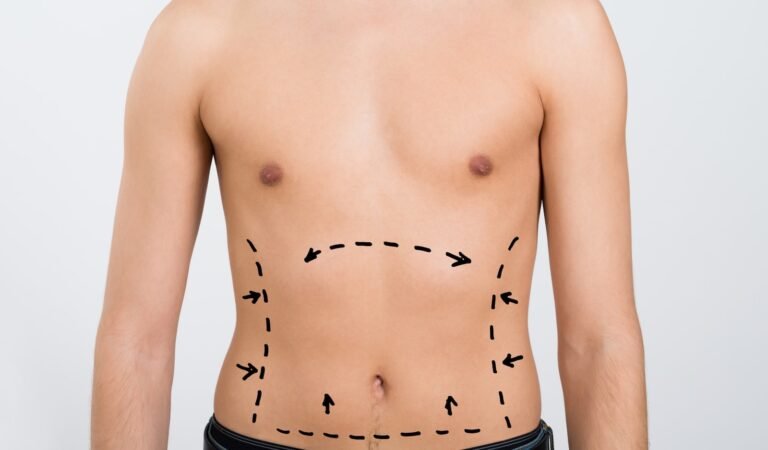
Liposuction in Islamabad is a cosmetic surgical procedure designed to remove excess fat deposits from specific areas of the body. It is commonly performed on the abdomen, thighs, hips, arms, chin, back, and waistline to create a more balanced body contour.

  • Targets localized fat pockets resistant to exercise
  • Improves body proportions and contour definition
  • Commonly used for aesthetic body sculpting
  • Suitable for both men and women

Unlike weight loss surgeries, liposuction is not intended for treating obesity. Instead, it helps refine body shape after healthy lifestyle efforts have already been made. Patients who maintain stable body weight often experience longer-lasting results.

What Is Traditional Liposuction?

Traditional liposuction is one of the earliest and most widely performed fat removal procedures. During this technique, a surgeon inserts a thin tube called a cannula into the targeted fat area. The fat cells are manually broken down and suctioned out using controlled movements.

How Traditional Liposuction Works

The procedure usually involves the following steps:

  • Administration of anesthesia
  • Small incisions in the treatment area
  • Fat removal using suction technology
  • Contouring and reshaping of the body area

Traditional liposuction can effectively remove large volumes of fat, making it suitable for patients who need extensive fat reduction in areas like the abdomen or thighs.

Advantages of Traditional Liposuction

  • Effective for removing significant fat deposits
  • Widely available and well-established procedure
  • Suitable for multiple treatment areas
  • Provides noticeable body contour improvements

Limitations of Traditional Liposuction

  • Longer recovery period in some cases
  • Increased bruising and swelling
  • Less precision in delicate body sculpting
  • Limited skin tightening benefits

What Is VASER Liposuction?

VASER liposuction is a more advanced fat removal technique that uses ultrasound energy to break down fat cells before removal. This technology allows surgeons to target fat more precisely while preserving surrounding tissues such as nerves, blood vessels, and connective tissue.

How VASER Technology Works

VASER stands for Vibration Amplification of Sound Energy at Resonance. The ultrasound waves liquefy fat cells, making them easier to remove with minimal trauma to surrounding tissues.

  • Ultrasound energy loosens fat cells gently
  • Fat is removed with improved precision
  • Surrounding tissues remain less affected
  • Results often appear smoother and more sculpted

This procedure is commonly chosen by patients looking for high-definition body contouring and refined shaping.

Benefits of VASER Liposuction

  • Reduced trauma to surrounding tissues
  • Faster recovery compared to traditional methods
  • Improved skin tightening effects
  • Enhanced body definition and contouring
  • Less bruising and swelling after surgery

Possible Drawbacks of VASER Liposuction

  • May cost more than traditional procedures
  • Requires advanced surgical expertise
  • Not ideal for every patient or body type
  • Availability may vary between clinics

Key Differences Between Traditional and VASER Techniques

Understanding the major distinctions between these two procedures helps patients choose the most suitable option for their needs.

Fat Removal Method

Traditional liposuction manually breaks down fat before suctioning it out. VASER technology uses ultrasound waves to liquefy fat first, making extraction smoother and less traumatic.

  • Traditional approach uses mechanical force
  • VASER uses advanced ultrasound energy
  • VASER often provides more precision

Recovery Time

Recovery experiences differ between patients, but VASER liposuction generally results in shorter downtime because surrounding tissues experience less trauma.

  • Traditional methods may involve more swelling
  • VASER patients often recover faster
  • Compression garments are used in both procedures

Skin Tightening Results

One major advantage associated with VASER technology is its ability to encourage mild skin tightening after fat removal.

  • Traditional liposuction focuses mainly on fat reduction
  • VASER may improve skin contour appearance
  • Better for patients seeking sculpted definition

Body Sculpting Precision

VASER liposuction allows surgeons to sculpt body areas with greater accuracy, making it ideal for contour-focused treatments.

  • Suitable for athletic definition
  • More detailed contouring around muscles
  • Popular for abdomen and waist shaping

Which Areas Can Be Treated?

Both traditional and VASER liposuction can treat several body areas effectively.

Common Treatment Areas

  • Abdomen and waist
  • Hips and thighs
  • Arms and back
  • Chin and neck
  • Chest area in men
  • Flanks and love handles

The choice between procedures often depends on the amount of fat and the desired contouring results.

Who Is a Good Candidate?

Not everyone is automatically suitable for liposuction procedures. Ideal candidates usually meet certain health and lifestyle criteria.

Characteristics of Good Candidates

  • Stable body weight
  • Good skin elasticity
  • Realistic expectations
  • Overall good physical health
  • Localized fat deposits resistant to exercise

People with severe obesity or certain medical conditions may require alternative treatments or additional evaluation before surgery.

What to Expect During Recovery

Recovery varies depending on the treatment area and the extent of fat removal. Patients usually experience swelling, bruising, and mild discomfort during the early healing period.

Recovery Tips

  • Wear compression garments as advised
  • Avoid strenuous activities initially
  • Stay hydrated and maintain balanced nutrition
  • Follow post-operative instructions carefully

Most patients gradually return to normal routines within a few weeks, although final body contour results may take several months to fully appear.

Risks and Safety Considerations

Like any surgical procedure, liposuction carries some risks. Choosing an experienced and qualified surgeon significantly reduces complications.

Possible Risks

  • Swelling and bruising
  • Infection
  • Temporary numbness
  • Uneven contouring
  • Fluid accumulation

Proper consultation and realistic expectations are essential before proceeding with any cosmetic surgery.

Cost Factors to Consider

The cost of liposuction procedures can vary depending on multiple factors.

What Influences the Cost?

  • Treatment area size
  • Number of areas treated
  • Type of liposuction technique
  • Surgeon’s expertise
  • Facility and anesthesia fees

VASER liposuction may involve higher costs due to advanced technology and specialized training requirements.

Choosing the Right Procedure for Your Goals

Selecting between traditional and VASER liposuction depends on your body goals, budget, and recovery expectations.

Traditional Liposuction May Be Better If:

  • Large fat volume removal is needed
  • Budget is a primary concern
  • High-definition contouring is not required

VASER Liposuction May Be Better If:

  • You want more precise body sculpting
  • Faster recovery is important
  • Skin tightening benefits are desired
  • Athletic contour definition is a goal

Patients should always discuss expectations, risks, and treatment plans with a qualified cosmetic surgeon before making a final decision.

Lifestyle Habits After Liposuction

Maintaining long-term results requires healthy lifestyle habits even after successful surgery.

Important Post-Treatment Habits

  • Follow a balanced diet
  • Exercise regularly
  • Avoid major weight fluctuations
  • Stay hydrated
  • Attend follow-up appointments

Liposuction removes fat cells permanently from treated areas, but remaining fat cells can still enlarge if unhealthy habits continue.

Psychological Benefits of Body Contouring

Many patients experience emotional and psychological improvements after achieving their desired body shape.

Common Emotional Benefits

  • Increased confidence
  • Improved body image
  • Better clothing fit
  • Motivation for healthier living

While cosmetic surgery can enhance appearance, realistic expectations remain essential for overall satisfaction.

Final Thoughts

Choosing between traditional and VASER liposuction is a personal decision that depends on your aesthetic goals, body type, and recovery preferences. Both procedures offer effective fat reduction and body contouring benefits when performed by experienced professionals. Careful consultation, realistic expectations, and proper aftercare all contribute to achieving successful outcomes.

If you are considering advanced body contouring treatments and want expert guidance tailored to your goals, Slimthetics Clinic offers personalized cosmetic solutions with modern techniques, patient-focused care, and a commitment to natural-looking results. Their experienced team helps patients feel confident throughout every step of their transformation journey.

Facial contouring procedures have become one of the most popular cosmetic treatments for individuals who want a sharper jawline and more defined facial profile. Among these treatments, Double chin removal in dubai is highly requested because it helps reduce excess fat beneath the chin and improve overall facial balance. While many patients focus on the final aesthetic results, understanding the recovery timeline is equally important before undergoing the procedure.

Patients choosing Double chin removal Dubai often experience a gradual healing process that develops over several weeks. According to the Best doctors in dubai, recovery timelines can vary depending on the patient’s skin elasticity, overall health, and the specific treatment method used. Most patients recover comfortably when they follow professional aftercare instructions carefully.

At clinics such as Perfect Doctors Clinic, patients receive detailed recovery guidance so they know what to expect at every stage of healing after surgery.

The First Few Days After Double chin removal Dubai

The first few days after Double chin removal Dubai are usually focused on rest and swelling management. Mild swelling, bruising, and tightness around the chin and neck area are completely normal during this stage. Patients may also experience slight discomfort, which is usually manageable with prescribed medication and proper aftercare.

The best double chin removal surgeons in dubai often recommend wearing a compression garment to support healing and help reduce swelling. Keeping the head elevated while sleeping can also improve comfort and minimize fluid buildup.

Patients treated at a professional clinic offering double chin removal in dubai are usually encouraged to avoid strenuous physical activity during the initial recovery phase. Clinics associated with cosmetic experts such as dr perfect celebrity frequently provide personalized aftercare plans to help patients recover smoothly and confidently.

How the Best Double chin removal Surgeon in dubai Supports Smooth Recovery

The experience of the Best Double chin removal Surgeon in dubai can significantly influence both recovery comfort and final results. Skilled surgeons use advanced contouring techniques designed to minimize tissue trauma and reduce healing time.

The best double chin removal surgeon in dubai carefully monitors patient recovery through follow-up appointments and personalized recommendations. During these visits, surgeons evaluate swelling, jawline contouring progress, and overall healing response.

Patients visiting Perfect Doctors Clinic often appreciate the professional guidance they receive throughout recovery. The Best doctors in dubai focus on helping patients feel informed and reassured during every stage of the healing journey.

What Happens During the Second Week of Double chin removal in dubai Recovery

By the second week after Double chin removal in dubai, most patients notice significant improvement in swelling and bruising. Daily activities and office work can often be resumed at this stage, although intense exercise is still usually avoided temporarily.

The jawline begins appearing more defined as the tissues settle gradually. Patients undergoing Double chin removal Dubai often feel more comfortable socially during this phase because visible swelling decreases noticeably.

The best double chin removal surgeons in dubai remind patients that healing continues internally even when external improvements become visible. Following recovery instructions carefully remains essential for achieving the best contouring outcome.

Long-Term Healing After Double chin removal Dubai

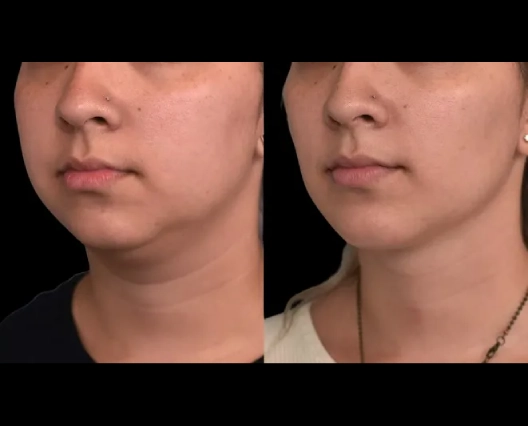
The full results of Double chin removal Dubai become more noticeable over the following weeks and months as swelling completely resolves and the skin adjusts to the new contour. Many patients see continuous improvements in jawline sharpness and neck definition during this stage.

The Best Double chin removal Surgeon in dubai often explains that patience is important because facial tissues need time to settle naturally. Maintaining healthy lifestyle habits, staying hydrated, and attending follow-up appointments all contribute to smoother healing.

At trusted clinics such as Perfect Doctors Clinic, patients are guided throughout the long-term healing process to ensure they remain satisfied with their contouring results.

Why Recovery Guidance from the Best Double chin removal Surgeon in dubai Matters

Professional recovery support plays a major role in achieving successful facial contouring outcomes. The Best Double chin removal Surgeon in dubai provides customized aftercare instructions designed to improve comfort, reduce complications, and protect final results.

Patients considering double chin removal in dubai should understand that recovery experiences can vary from person to person. Skilled surgeons educate patients about realistic timelines and proper healing habits before treatment begins.

Clinics connected with cosmetic specialists such as dr perfect celebrity are often preferred because they combine advanced surgical expertise with personalized patient care throughout the recovery process. The guidance provided by the Best doctors in dubai helps patients achieve smoother healing and long-lasting jawline enhancement.

FAQs

How long does swelling last after Double chin removal in dubai?

Most swelling improves significantly within a few weeks, although minor swelling may continue for a longer period.

Can patients return to work quickly after Double chin removal Dubai?

Many patients resume office work and light activities within about one week after treatment.

Why do surgeons recommend compression garments after surgery?

Compression garments help reduce swelling and support proper jawline contour healing.

When will final results become visible after double chin removal in dubai?

Final contour improvements typically become clearer over several months as healing fully progresses.

Why is choosing the Best Double chin removal Surgeon in dubai important for recovery?

Experienced surgeons provide advanced techniques, personalized aftercare, and smoother recovery experiences for patients.

Facial symmetry plays a major role in overall beauty and confidence. Many individuals seek cosmetic treatments not only to slim their faces but also to create a more balanced and proportionate appearance. One of the most effective procedures for enhancing facial harmony is Buccal fat removal in dubai, which reduces excess cheek fullness and helps define facial contours more clearly.

Patients who choose Buccal fat removal Dubai often feel that their cheeks appear unevenly full or overly round compared to the rest of their facial features. By carefully reducing buccal fat pads, surgeons can create better balance between the cheeks, jawline, and chin. According to the Best doctors in dubai, the goal of modern facial contouring is not dramatic transformation but subtle improvement that enhances natural symmetry.

At advanced cosmetic centers such as Perfect Doctors Clinic, specialists focus on creating refined facial proportions that complement the patient’s natural structure rather than changing their identity.

How the Best Buccal fat removal Surgeon in dubai Improves Facial Harmony

The expertise of the Best Buccal fat removal Surgeon in dubai is essential for achieving symmetrical and natural-looking results. Facial contouring requires precision because even small differences in fat removal can affect overall facial balance.

The Best buccal fat removal surgeons in Dubai carefully evaluate each patient’s facial anatomy before surgery. Some individuals naturally have more fullness on one side of the face, while others may have asymmetrical cheek contours caused by genetics or weight distribution. A skilled surgeon adjusts the treatment plan to create smoother and more proportionate facial lines.

Patients visiting a reputable buccal fat removal clinic in dubai often undergo detailed facial analysis before treatment. Clinics associated with cosmetic professionals such as dr perfect celebrity are particularly recognized for delivering artistic and balanced facial contouring results.

Why Buccal fat removal in dubai Enhances Facial Definition

One of the main reasons patients choose Buccal fat removal in dubai is because it creates more visible facial definition. Excess fullness in the lower cheeks can hide natural bone structure and reduce jawline visibility. Removing buccal fat allows the cheekbones and jawline to appear sharper and more proportionate.

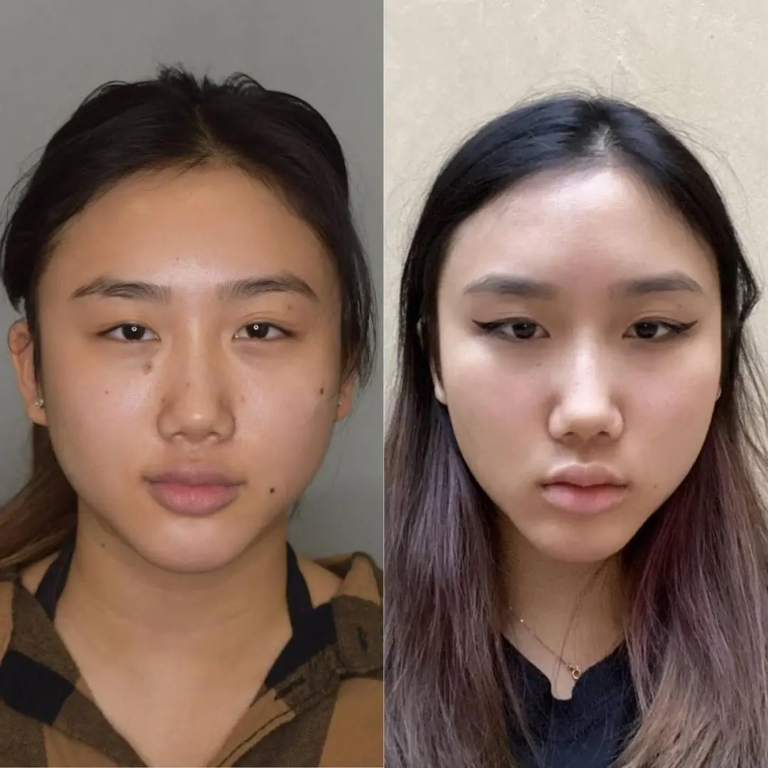
Patients undergoing Buccal fat removal Dubai frequently notice that their facial features appear more refined and balanced after recovery. The procedure can improve side profiles, enhance cheekbone visibility, and create a slimmer overall appearance.

The Best doctors in dubai explain that balanced facial definition often improves self-confidence because patients feel their facial features appear more harmonious in photographs and daily interactions.

Understanding Buccal fat removal Cost in dubai for Symmetry Enhancement

The Buccal fat removal Cost in dubai generally ranges from AED 8000 to AED 14,000 depending on the surgeon’s expertise, clinic facilities, and complexity of the treatment. Many patients view the procedure as a valuable investment because it offers long-lasting facial contouring benefits.

The Buccal fat removal cost in Dubai may include consultation fees, anesthesia, surgery, and follow-up care. Patients choosing the Best Buccal fat removal Surgeon in dubai often prioritize quality and precision because facial symmetry requires careful surgical planning.

Clinics such as Perfect Doctors Clinic provide personalized consultations to explain treatment goals, expected outcomes, and recovery timelines. This helps patients feel informed and confident before undergoing surgery.

The Role of Personalized Planning in Buccal fat removal Dubai

Every face is unique, which is why personalized treatment planning is essential for successful Buccal fat removal Dubai results. The amount of fat removed must be carefully adjusted according to the patient’s facial shape, skin elasticity, and long-term aesthetic goals.

The Best buccal fat removal surgeons in Dubai focus on maintaining youthful softness while improving symmetry and contour definition. Removing too much fat can create an unnatural appearance, especially as the face ages.

At a professional buccal fat removal clinic in dubai, patients receive customized treatment recommendations designed to create elegant and balanced results. Many individuals inspired by cosmetic transformations associated with dr perfect celebrity seek surgeons who prioritize subtle refinement rather than exaggerated contouring.

Why the Best Buccal fat removal Surgeon in dubai Focuses on Natural Results

Modern cosmetic trends increasingly emphasize natural beauty and facial harmony. The Best Buccal fat removal Surgeon in dubai aims to enhance facial symmetry while preserving the patient’s individual appearance and expressions.

Patients considering Buccal fat removal in dubai often want a slimmer and more sculpted face without looking artificial. Experienced surgeons use advanced techniques to contour the cheeks carefully and create gradual, balanced improvements.

The Best doctors in dubai understand that the most attractive cosmetic outcomes are those that appear effortless and natural. With expert planning and professional care from clinics like Perfect Doctors Clinic, patients can achieve refined facial symmetry that enhances confidence and complements their natural features.

FAQs

How does Buccal fat removal in dubai improve facial symmetry?

The procedure reduces excess cheek fullness and creates more balanced facial proportions and contour definition.

Can Buccal fat removal Dubai correct uneven cheek fullness?

Yes, skilled surgeons can adjust fat removal to improve facial balance and asymmetrical cheek contours.

What is the Buccal fat removal Cost in dubai for facial contouring?

The procedure generally costs between AED 8000 and AED 14,000 depending on the clinic and surgeon.

Why is choosing the Best Buccal fat removal Surgeon in dubai important?

Experienced surgeons use precise contouring techniques to create natural-looking and symmetrical facial results.

Will Buccal fat removal in dubai make my face look unnatural?

No, when performed by qualified specialists, the procedure enhances facial harmony while preserving natural beauty.