Author

neotisskinclinic

Browsing

Every skin treatment sounds a little scary before you actually try it. The moment people hear words like “ultrasound energy” or “skin tightening,” the first thought is usually: “Okay… but is this going to hurt?” That’s probably one of the most common questions patients ask before getting HIFU Treatment in Kalyan Nagar at Neotis Skin Clinic. And honestly, it’s a fair concern.

Nobody wants to sign up for a treatment that feels unbearable. The good news? HIFU is usually much more manageable than people imagine. But let’s talk about it honestly, not like an advertisement, but like a real conversation.

First, What Exactly Is HIFU?

HIFU stands for High-Intensity Focused Ultrasound. It’s a non-surgical skin tightening treatment that works beneath the surface of your skin.

Instead of cutting or injecting anything, it sends focused ultrasound energy deep into the skin layers. This stimulates collagen production, which helps the skin become firmer and tighter over time.

At Neotis Skin Clinic, treatments are carefully customised by experienced dermatologists like Dr. Varsha S Patil to make the process both safe and comfortable.

So… Does It Hurt?

Here’s the honest answer: HIFU is not completely sensation-free, but it’s usually not very painful either.

Most people describe it as:

  • Tiny warm pricks
  • Mild tingling
  • Brief zapping sensations
  • A feeling of heat deep under the skin

The intensity varies from person to person. Some areas, especially near the jawline or forehead, may feel slightly more sensitive because the skin is thinner there.

But the important thing is this—the discomfort lasts only while the machine is working on that area. Once the session moves on, the feeling goes away quickly.

Why People Tolerate It Well

One reason HIFU feels manageable is because there’s no cutting, no needles, and no major recovery involved. Compared to surgical procedures, it’s considered far less uncomfortable.

Most patients at Neotis Skin Clinic are surprised by how quick and simple the treatment feels once it starts. The fear before the session is often worse than the actual experience.

A skilled Skin Doctor in Kalyan Nagar also adjusts the settings carefully based on your skin sensitivity, which helps keep the treatment comfortable.

What Happens During the Session?

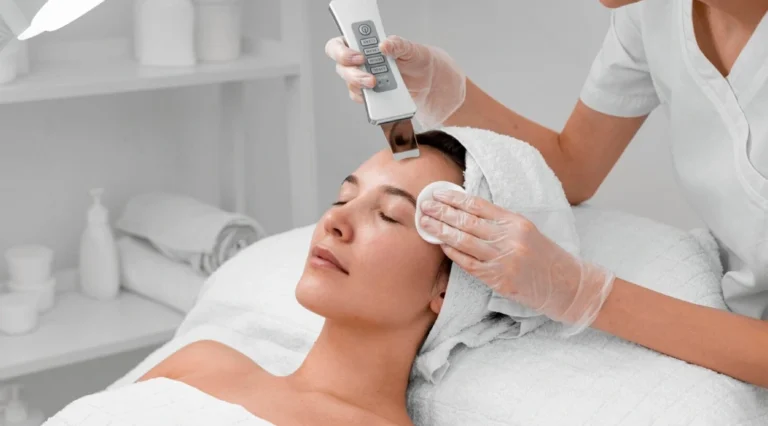
The session usually starts with cleansing the skin and applying a gel. The HIFU device is then moved across specific areas of the face or neck.

As the machine delivers ultrasound energy, you may feel those small pulses under the skin. Some moments feel more noticeable than others, but it’s generally very tolerable.

Many people continue chatting during the session or simply relax through it.

And yes, one common reaction after the treatment is:
“That was much easier than I expected.”

What About After the Treatment?

This is another reason people love HIFU – there’s usually very little downtime.

After the session, some people may notice:

  • Mild redness
  • Slight swelling
  • Tenderness when touching the skin

These effects are usually temporary and settle on their own.

Since the skin surface isn’t damaged, most patients return to normal activities quickly. This makes HIFU Treatment in Kalyan Nagar popular among people who want gradual skin tightening without taking time off from work or social life.

Why Results Take Time

Unlike treatments that give instant dramatic changes, HIFU works slowly and naturally.

The ultrasound energy stimulates collagen deep inside the skin, and collagen takes time to rebuild. So while you may notice a slight tightening early on, the real improvements usually appear over the next few weeks and months.

That gradual change is actually what makes HIFU look natural. Your skin improves quietly instead of looking suddenly “done.”

Small Tips to Make the Experience Easier

A few simple things can help you feel more comfortable during and after treatment:

  • Stay hydrated before your session
  • Avoid overthinking the pain beforehand
  • Follow aftercare instructions properly
  • Choose an experienced dermatologist

At Neotis Skin Clinic, Dr. Varsha S Patil focuses on explaining every step clearly so patients feel relaxed and informed throughout the process.

Is HIFU Worth It?

For many people, yes.

The treatment appeals to those who want firmer skin without surgery, stitches, or long recovery periods. And while there is some mild discomfort during the procedure, most patients feel it’s completely manageable compared to the benefits.

The key is having realistic expectations. HIFU is not about instant transformation—it’s about slow, healthy-looking improvement.

Final Thoughts

HIFU may sound intimidating at first, but the treatment is usually far more comfortable than people expect. Most patients describe the sensation as mild and temporary, not unbearable.

When done under the guidance of an experienced Skin Doctor in Kalyan Nagar, the process becomes smoother, safer, and much less stressful.

At Neotis Skin Clinic, the focus is always on honest guidance, patient comfort, and natural-looking results. Because good skin treatments should make you feel more confident—not more nervous.
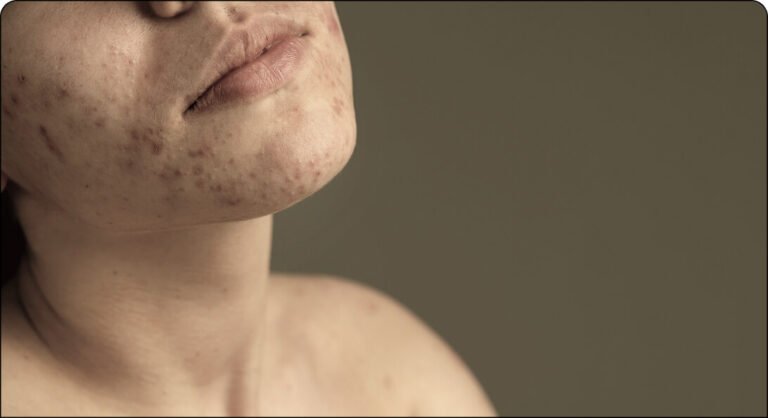
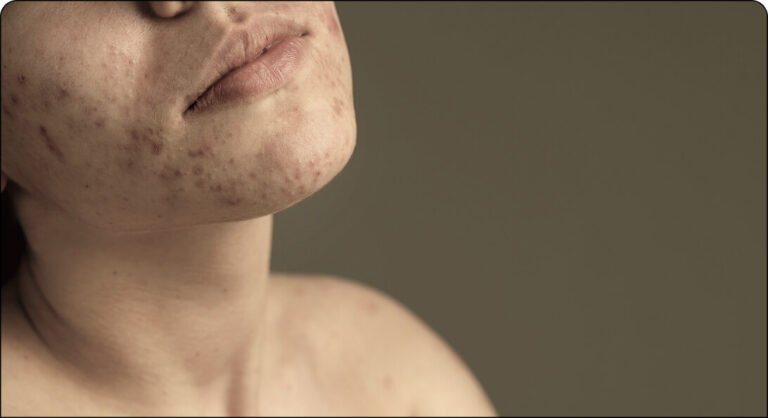
Come on, let’s be frank here; acne could be extremely tough to deal with. No matter what face washes you have been using, or how many spot treatments and serums, and even your home remedies—they simply don’t work. Well, if you find yourself in such a situation, maybe it’s time to take things to the next level. People visiting clinics such as the Neotis Skin Care Clinic usually turn to Acne Treatment in Kalyan Nagar.

Why OTC Products Don’t Always Work

OTC medications are fantastic, especially for mild cases of acne. They typically have milder concentrations of active ingredients such as salicylic acid or benzoyl peroxide that unclog pores and kill bacteria; however, the problem lies here:

  • They take time to work
  • They’re not effective against moderate to severe cases of acne
  • They can’t resolve underlying issues, such as hormonal imbalance or inflammation

This is when you need to stop working hard on getting rid of your acne and start doing it right. This is why consulting with a Best Dermatologist in Kalyan Nagar becomes essential.

What Makes Prescription Acne Treatments Different?

Prescription medications are basically the “stronger, smarter cousins” of OTC products. They’re designed to target acne at its root cause, not just the surface.

Here’s what makes them powerful:

  • Higher strength active ingredients
  • Combination therapies (multiple treatments working together)
  • Personalized plans based on your skin type and acne severity

Doctors at Neotis Clinic often emphasize that acne isn’t one-size-fits-all. What works for your friend might not work for you, and that’s exactly why prescriptions are customized.

Types of Prescription Acne Medications

Let’s break this down in a super simple way. There are a few main categories your dermatologist might recommend:

1. Topical Retinoids

These are a game changer. Retinoids help speed up skin cell turnover, preventing clogged pores (aka the root of acne).

Think of them as your skin’s reset button. They also help with acne marks over time—so double win.

2. Prescription Antibiotics

If your acne is inflamed (red, painful pimples), antibiotics can help reduce bacteria and calm the skin.

These can be:

  • Topical (applied on skin)
  • Oral (taken as tablets for more severe acne)

But they’re usually used short-term to avoid resistance.

3. Hormonal Therapies

If you are suffering from hormonal acne (commonly appearing near the jaw line or during menstruation), then this point cannot be skipped.

Prescribed drugs include:

  • Birth control pills
  • Anti-androgenic drugs

They will regulate the hormones causing your skin to break out.

4. Isotretinoin (Used For Serious Acne)

Usually recommended when other treatment methods fail. An effective drug to minimize oil secretion to an alarming extent.

Its efficacy may be long-term, or even permanent, in many cases.

When Should You See a Dermatologist?

If you’re still debating whether to visit a clinic, here’s a simple checklist:

  • Acne has lasted more than 3–6 months
  • OTC products aren’t helping
  • You’re getting painful or cystic acne
  • You’re noticing scars or dark spots

That’s your sign. Don’t wait for things to get worse. Getting professional Acne Treatment in Kalyan Nagar early can actually prevent long-term skin damage.

What to Expect During Your Visit

A visit to a dermatologist isn’t complicated or scary, it’s actually quite chill.

Here’s what usually happens:

  • Your skin is examined properly (not just a quick glance)
  • You’ll be asked about your lifestyle, diet, and skincare routine
  • A customized treatment plan is created

At places like Neotis, the focus is on understanding your skin story before jumping into treatment. That’s what makes the results more effective.

Patience Is Key (Yes, Really)

Here’s something most people don’t talk about enough—prescription treatments take time.

  • You might see initial purging
  • Results can take 4–8 weeks
  • Consistency matters more than anything

It’s not an overnight fix, but it’s a real fix. And that’s worth it.

Skincare + Medication = The Winning Combo

Even with prescription meds, your daily habits matter.

Keep it simple:

  • Use a gentle cleanser
  • Don’t over-exfoliate
  • Wear sunscreen (non-negotiable!)
  • Avoid picking your skin

Your dermatologist will usually guide you on this too, so you’re not left guessing.

Final Thoughts

Acne isn’t just about appearance—it affects confidence, mood, and how you feel in your own skin. So if drugstore products aren’t cutting it anymore, it’s completely okay to move on to something stronger.

Choosing the Best Dermatologist in Kalyan Nagar can help you skip the trial-and-error phase and get straight to what actually works. With the right prescription plan, guidance from experts at Neotis Clinic and a little patience, clearer skin is absolutely achievable.

And honestly? Your skin deserves that level of care.

Ever felt like your skin suddenly decided to act up for no reason? One week it’s clear, and the next week—boom—breakouts everywhere. That’s usually when people start searching for Acne Treatment in Kalyan Nagar or trying to find the Best Dermatologist in Kalyan Nagar to finally understand what’s going on. The truth is, acne isn’t random. There’s a proper “behind-the-scenes” process happening inside your pores.

Let’s break it down in the simplest way possible.

Your Pores Are Busier Than You Think

The skin is covered with numerous pores through which oil glands work to ensure that your skin remains lubricated and healthy. The process occurs without any problem until some factors come in and make it dysfunctional, leading to the formation of acne. There are four major factors that usually cause acne, often referred to as “4 Pillars of Acne.”

First Pillar: Excess Oil Production

The skin normally produces excess oil known as sebum. The condition may be caused by hormonal changes, stress, or genetics.

When too much oil is produced, your pores start getting clogged. Think of it like too much traffic on a small road—it just can’t move smoothly.

This is often the very first point from where the problem of acne starts. At Neotis Clinic, doctors concentrate on regulating this oil secretion at an early stage; hence, the significance of Professional Acne Treatment in Kalyan Nagar.

Pillar 2: Dead Skin Buildup

This is a continuous process that involves the removal and replacement of dead skin cells. However, sometimes the dead skin cells do not slough off.

Rather, they adhere to each other and combine with oils. This leads to clogging of the pores, creating conditions for blackheads and whiteheads to develop.

While some exfoliation can be helpful, too much of it may end up causing harm to your skin. Here, the assistance of the Best Dermatologist in Kalyan Nagar can prove invaluable.

Pillar 3: Bacteria Growth

Now comes the part that turns a simple clogged pore into an angry red pimple.

There’s a type of bacteria that naturally lives on your skin. When your pores are clogged with oil and dead skin, this bacteria starts multiplying inside. Your body reacts to this with inflammation, which is why pimples become red, swollen, and sometimes painful.

This is also why acne isn’t just a surface issue—it’s happening deeper in your skin.

Pillar 4: Inflammation

This is the final step where things become visible.

Inflammation is your body’s way of fighting what it sees as a problem. But in the case of acne, it leads to redness, swelling, and sometimes pus-filled pimples.

If inflammation continues for too long, it can damage the skin and lead to scars or dark marks. That’s why treating acne early is so important.

Why Understanding These Pillars Matters

A lot of people try random products hoping something will work. But acne doesn’t have a one-size-fits-all solution because these four factors can affect each person differently.

Some people have more oil, some have more sensitivity, and some have more bacterial activity. That’s why personalised treatment plans work better than guesswork.

At Neotis Clinic, the doctors focus on identifying which pillar is causing the most trouble for your skin and treating that specifically.

So, What Actually Helps?

The process for treating acne involves just these four foundations.

  • Limit excessive production of oil
  • Facilitate proper shedding of the skin
  • Inhibit bacterial growth
  • Suppress inflammation

All this may be achieved by way of combination of medical intervention, skin care practices, and procedures, depending on the severity of the condition.

However, when you see the Best Dermatologist in Kalyan Nagar, your treatment would actually be about achieving harmony in your skin rather than only drying your spots.

Little Actions to Help Your Skin

Although treatment is very important, there are still some little actions that can help your skin heal faster.

  • Do not touch or pick your face
  • Apply appropriate skincare products gently
  • Avoid over-washing your skin
  • Have a regular schedule

It will be easier for your skin to recover from these conditions.

Final Thoughts

Although acne appears to be quite straightforward, it actually consists of several components such as oil, dead skin cells, bacteria, and inflammation. After you become aware of this fact, acne becomes easier to manage.

By not making assumptions and following a proper treatment plan, you can significantly improve your skin health. With the appropriate guidance and treatment, your skin will eventually revert to its natural state.

In some cases, all you need is to realize what your pores have been telling you all along.

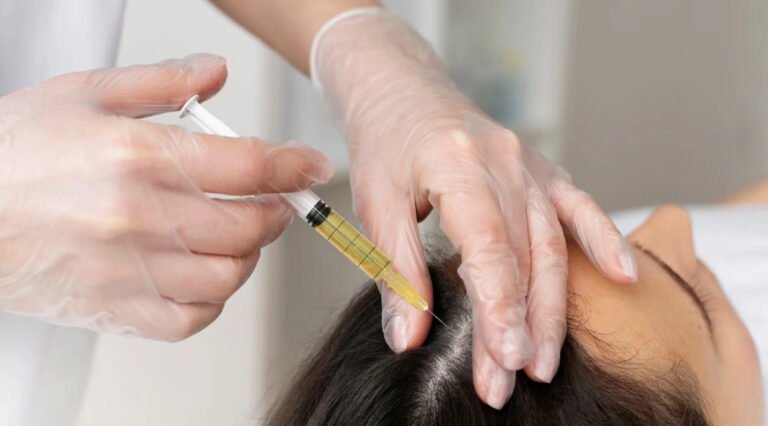
Hair fall has a way of quietly affecting your confidence. One day it’s a few extra strands on your pillow, and suddenly you’re searching for solutions like GFC Treatment in Kalyan Nagar and hoping for something that actually works. If you’ve already heard about this treatment, your next question is obvious—how soon will I see results? A good Skin Doctor in Kalyan Nagar will always tell you the same thing: hair regrowth is a process, not a quick fix.

Let’s walk through what really happens after you start GFC treatment, in the simplest way possible.

First, What Is GFC Treatment in Simple Words?

GFC Treatment employs natural elements from within your body to nourish weakened hair follicles and stimulate hair growth. Being that it comes from your own blood, GFC is regarded as entirely safe for use.

At Neotis Skin Clinic, doctors focus on using GFC in a very targeted and personalised way, depending on how your hair is thinning and what your scalp needs.

Week 1–2: The “Nothing Is Happening” Phase

Right after your first session, don’t expect visible changes. This is where most people get impatient.

Your scalp is actually responding internally. The growth factors are starting to activate hair follicles and improve blood supply. You won’t see new hair yet, but the foundation is being built.

This stage is totally natural, and your Skin Doctor in Kalyan Nagar will always caution you that you should keep following the routine without making judgments too early.

Week 3-6: Reduced Hairfall, Initial Indications of Improvement

This is the stage where everything starts to feel better.

Many patients notice reduced hair fall during this phase. You may see fewer strands on your comb or while washing your hair. While regrowth is still in early stages, your hair roots are becoming stronger.

If you’re taking GFC Treatment in Kalyan Nagar, this stage is a good sign that the treatment is working, even if you don’t see visible growth yet.

Month 2–3: Baby Hair Starts Appearing

This is the stage most people get excited about.

You may start noticing tiny, thin “baby hairs” in areas where hair was thinning. These are new strands beginning to grow. They might be soft and light at first, but over time, they become thicker.

Adhering to the sessions and following the guidance of your physician is crucial in this regard.

Months 4-6: Improved Hair Density

This is where the changes start to show more clearly.

Hair begins to look denser, while the thinned out areas improve. The hair strands become tougher and blend in nicely with the rest of your hair.

This is usually the stage where patients feel more confident and satisfied with their decision.

What Affects Your Results Timeline?

Not everyone sees results at the exact same speed. A few factors play a big role:

  • Stage of hair loss – early treatment shows faster results
  • Age and overall health
  • Consistency of sessions
  • Scalp condition and genetics

That’s why a personalised plan by an experienced dermatologist matters so much.

How Many Sessions Do You Usually Need?

Most patients require multiple sessions spaced a few weeks apart. Your doctor will decide the exact number based on your hair condition.

At Neotis Skin Clinic, the emphasis is always on slow and consistent improvement and never on getting quick results. Specialists at Noetis Clinic guarantee you step-by-step progress in the process of each appointment.

Small things that contribute to seeing more visible effects:

  • Adhere to the scalp care regimen recommended by your dermatologist
  • Do not expose yourself to too much heat styling
  • Maintain a healthy diet
  • Keep stress under control

This list may seem elementary, but it is crucial for the improvement of your hair.

Final Thoughts

GFC therapy is not for immediate results; it is designed to rejuvenate your hair follicles gradually. Although the initial stages may seem slow, all phases have their significance in improving your hair condition.

As long as you keep up with your expectations, are properly guided, and give your hair enough time to heal, you should see results after several months. When performed by a professional, hair growth feels effortless and looks natural.

At Neotis Skin Clinic, our priority is to grow your hair naturally, healthily, and permanently.

Summer usually means one thing – more sun, more sweat, and definitely more time spent worrying about body hair. Shaving becomes frequent, waxing appointments feel never-ending, and honestly, it all gets tiring. That’s why many people start exploring options like Laser Hair Removal in Kalyan Nagar during this season. Interestingly, summer can be an optimal period for you to start your treatment journey, provided you get assistance from a trusted Skin Doctor in Kalyan Nagar who understands the importance of proper planning.

Let’s get into the details of this in a simple way.

The Truth About Laser Hair Removal Timing

It is commonly believed that laser hair removal should be done in winter. However, this is not entirely true. While sun protection is essential, summer can be an optimal period for you to get your desired results with proper precautions.

In fact, starting in summer means you’re already taking a step toward smoother skin for the months ahead. Laser hair removal is not a one-session solution. It works gradually, over multiple sessions, because hair grows in cycles. Starting earlier simply means finishing sooner.

Why Starting in Summer Actually Makes Sense

Summer routines are usually more active—you’re more aware of your skin, grooming habits, and overall appearance. This makes it easier to stay consistent with sessions, which is very important for good results.

You Reduce the Need for Constant Waxing

Let’s be honest—waxing in summer is uncomfortable. The heat, sweat, and irritation don’t help. Laser hair removal reduces hair growth over time, meaning fewer painful waxing sessions and less skin irritation.

You Prepare Your Skin for the Future

Laser treatment is a process. By starting in summer, you’re setting yourself up for smoother, low-maintenance skin in the coming months. Instead of rushing before an event or vacation, you’re already ahead.

But What About Sun Exposure?

This is the biggest concern—and a valid one.

While the skin may feel a little sensitive after a laser session, this does not mean that you should not get a laser session done in the summer. It simply means that you need to be a little more careful.

At Neotis Skin Care Clinic, patients are advised by experienced dermatologists, how to protect their skin from the sun. This can be done in a number of ways, such as by using sunscreen.

When done under the supervision of a skilled Skin Doctor in Kalyan Nagar, laser hair removal remains safe even during warmer months.

What to Expect During the Treatment

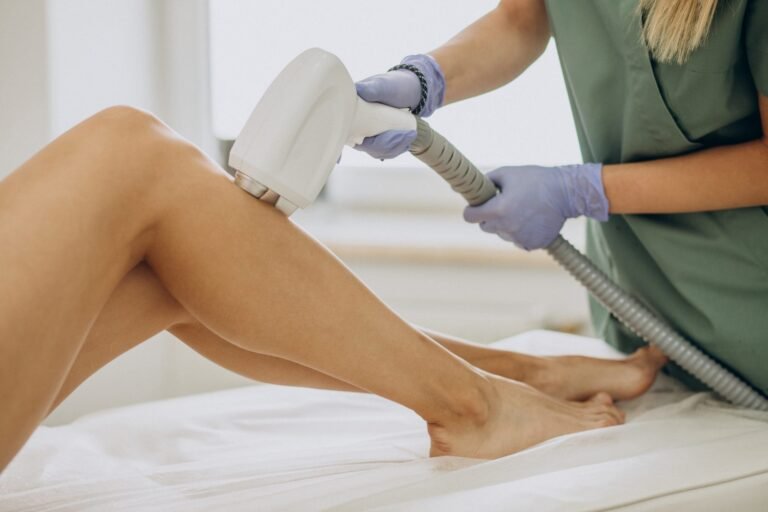
Laser hair removal is not as complicated as people think it is. The procedure involves the use of laser light to affect the hair follicles in such a way that the growth of the hair is reduced in the future.

Laser hair removal is not meant to make the hair disappear immediately, but rather slow down the regrowth of the hair over time. The procedure is quick, and the pain is not extreme. It is easy to manage and only requires a few sessions before the regrowth of the hair is thin, light in color, and not easily visible.

Laser hair removal in Kalyan Nagar, done in a clinic that is well-equipped, ensures that the laser is safe and suitable for your skin type.

Who Should Consider Starting Now?

Summer is a great time to begin if:

  • You’re tired of frequent shaving or waxing
  • You get rashes or ingrown hair after hair removal
  • You want a long-term solution instead of temporary fixes
  • You prefer gradual, natural-looking results

Starting now means you’re not waiting for “the perfect time,” because honestly, the perfect time is when you’re ready to take that first step.

Small Precautions That Make a Big Difference

To achieve the best results, it is essential to maintain the following:

  • Regular application of sunscreen to treated areas
  • Avoiding exposure to the sun
  • Following your dermatologist’s guidelines
  • Sticking to your schedule of sessions

These are simple steps, but they make your laser hair removal experience smoother and more effective.

Final Thoughts

Laser hair removal is not based on the season but rather consistency and care. Summer is not the right season to consider laser hair removal, but in reality, it is the best season to start and look forward to long-term results.

At Neotis Skin Care Clinic, the emphasis is always on safe and personalized treatments. With the right guidance from experts, patients can confidently embark on their laser hair removal journey without overthinking the season.

If smooth, low-maintenance skin has been on your mind, summer might just be the right time to begin.

If you’ve been losing hair for a while, this question has probably crossed your mind more than once: “Is a hair transplant permanent or will my hair fall again?” People searching for Hair Transplant in Kalyan Nagar often walk into Neotis Skin Clinic with equal parts hope and confusion. And honestly, that’s completely normal. Hair loss is emotional, personal, and sometimes overwhelming. So let’s slow it down and talk about the truth—no hype, no scary medical words, just honest answers from doctors who deal with this every single day.

First, the simple answer (without drama)

Yes, hair transplant results are considered permanent—but (and this is important) permanence depends on how your hair loss behaves, how the procedure is done, and how well you care for your scalp afterward. A transplant isn’t magic, and it’s definitely not instant. Knowing what to expect makes all the difference.

Why transplanted hair usually stays for life

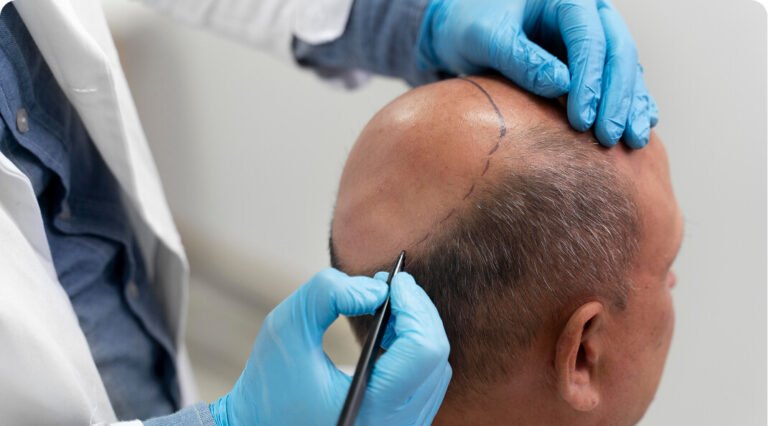
During a hair transplant, doctors take hair follicles from areas of your scalp that are genetically resistant to hair fall—usually the back or sides of the head. These follicles are then placed in the thinning or bald areas. Since these donor hairs are naturally strong, they usually continue to grow even after being moved.

At Neotis Skin Clinic, procedures are planned very carefully by experienced dermatologists who focuses on long-term results, not just how things look immediately after surgery. The idea is to make the transplant age naturally with you.

The confusing part: “My transplanted hair is falling!”

This is where patients panic—and unnecessarily so.

A few weeks after your transplant, the newly transplanted hair often falls out. This phase is called shedding, and it is completely normal. The hair falls, but the follicle stays safely under the skin. New, stronger hair usually starts growing again after 3 to 4 months.

So no—this doesn’t mean the transplant failed. It means your scalp is doing exactly what it’s supposed to do.

What a hair transplant will NOT do

Let’s be very clear here. A hair transplant:

  • Will not stop natural hair loss in non-transplanted areas
  • Will not give you overnight results
  • Will not replace proper hair care or medical guidance

This is why consulting the Best Dermatologist in Kalyan Nagar before planning a transplant is crucial. A good dermatologist looks at your age, hair loss pattern, family history, and future hair fall before recommending surgery.

Timeline: what patients should realistically expect

Here’s a very honest timeline:

  • First 2 weeks: Mild redness, scabbing, healing phase
  • 1–2 months: Shedding of transplanted hair (normal!)
  • 3–4 months: New hair growth begins
  • 6–9 months: Hair looks visibly thicker
  • 12 months: Final results settle in

Patience is key. Hair growth is slow by nature, and rushing the process only leads to disappointment.

Is everyone a good candidate for permanent results?

Not always. Hair transplant works best when:

  • Hair loss is stable
  • Donor hair quality is good
  • Expectations are realistic

This is why proper evaluation matters more than flashy promises. At Neotis, doctors take time to explain whether a transplant is the right option now or if medical treatment should be started first.

Aftercare matters more than you think

A transplant doesn’t end in the operation theatre. Post-procedure care plays a huge role in long-term success. This includes:

  • Gentle scalp care
  • Avoiding smoking and excessive stress
  • Following medications and hair routines advised by your dermatologist

Patients who treat their transplant like a long-term investment usually see the best results.

So… is it really permanent?

Here’s the honest answer: Transplanted hair is long-lasting and often permanent, but your overall hair health still needs care. A transplant restores lost hair, but maintaining existing hair is just as important.

That’s why people often keep coming back to the Best Dermatologist in Kalyan Nagar, not only for surgery but also for ongoing guidance, treatments, and reassurance.

Final thoughts

A hair transplant is not about changing who you are; it is about finding that confidence when you stare into the mirror. When done thoughtfully, with appropriate expectations and expert hands guiding the procedure, it can be a life-changing decision.

Hair Transplant in Kalyan Nagar: Takeaway

Always, the best results are a consequence of clarity, patience, and choosing a clinic that truly listens to you, not just sells you a solution.

Your hair journey deserves honesty, not shortcuts.