
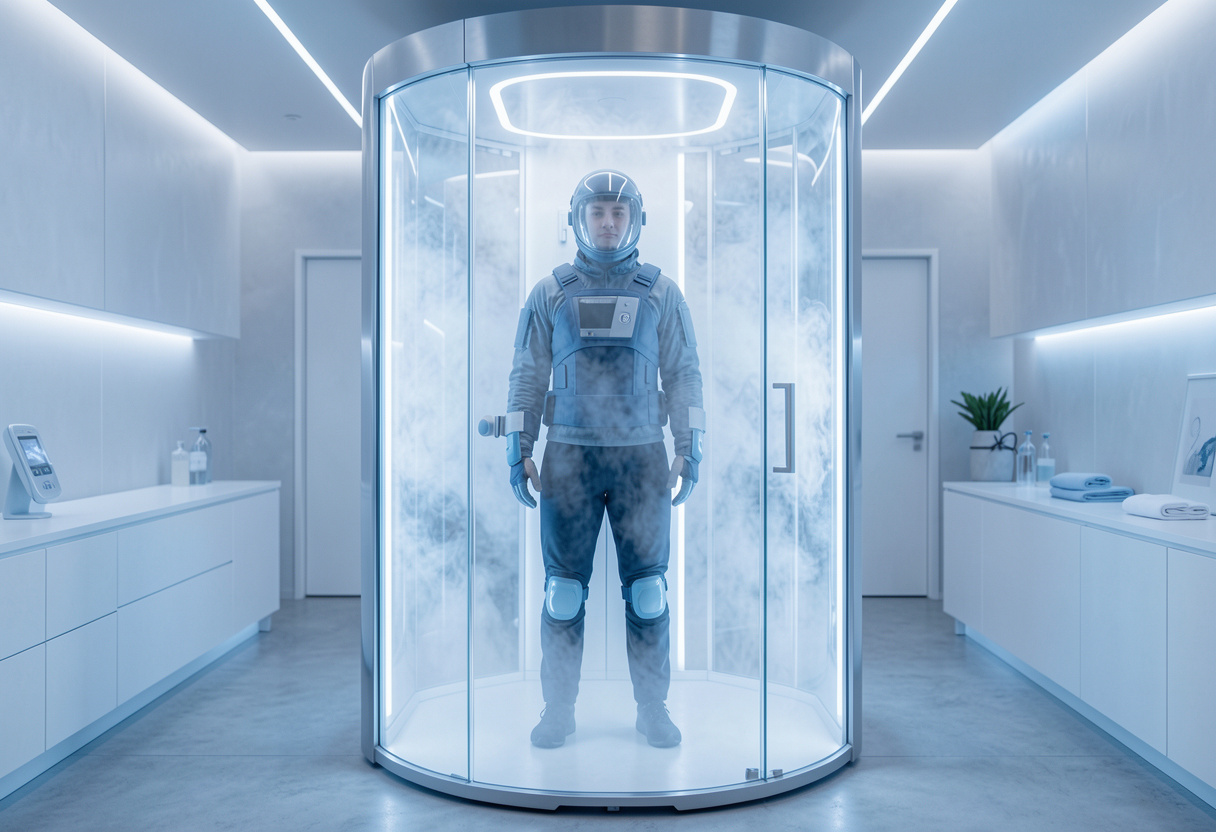
In the modern fitness industry, lifting weights and cardio training are no longer enough to keep members engaged. Today’s gym-goers expect faster recovery, better performance results, and science-backed wellness solutions. This shift has led many fitness centers to invest heavily in advanced recovery tools—especially cryotherapy technology.
From professional athletes to everyday fitness enthusiasts, recovery has become just as important as training itself. As a result, equipment like the cryotherapy chamber is becoming a common feature in high-end gyms, sports facilities, and wellness centers. But what’s driving this trend, and why are gyms willing to spend so much on it?
Let’s break it down.
1. The Evolution of Recovery in Fitness Culture
A decade ago, recovery was often an afterthought in gyms. Stretching, hydration, and rest were considered enough. However, as sports science evolved, research began showing that recovery plays a critical role in muscle growth, injury prevention, and long-term performance.
Athletes started using advanced recovery methods like cold therapy, infrared therapy, compression boots, and mobility work. Soon, this approach trickled down into mainstream fitness culture.
Today, recovery is no longer optional—it is a selling point. Many gyms now promote themselves not just as training spaces but as full recovery and wellness hubs.
This shift has created demand for technologies such as cryotherapy, making equipment like a cryotherapy chamber a valuable investment.
2. What Cryotherapy Actually Does (and Why It Works)
Cryotherapy involves exposing the body to extremely cold temperatures for a short period, usually 2–4 minutes. A cryotherapy chamber typically uses liquid nitrogen or electric cooling systems to rapidly lower skin temperature.
This cold exposure triggers several physiological responses:
- Reduced inflammation in muscles and joints
- Improved blood circulation after treatment
- Faster muscle recovery after intense workouts
- Temporary pain relief for sore muscles
When the body is exposed to extreme cold, blood vessels constrict and then dilate afterward. This process helps flush out metabolic waste and brings oxygen-rich blood back into tissues.
Because of these benefits, cryotherapy is widely used by professional athletes, physiotherapy clinics, and now increasingly by commercial gyms.
3. Why Gyms Are Investing in Cryotherapy Technology
There are two major reasons gyms are adopting cryotherapy and recovery systems: member demand and business growth.
1. Competitive Advantage
Fitness is a highly competitive industry. Gyms are no longer just competing on equipment or pricing—they compete on experience.
By offering advanced recovery tools like cryotherapy, gyms differentiate themselves from basic fitness centers. A modern facility that includes a cryotherapy chamber instantly appears more premium and science-driven.
2. Member Retention
One of the biggest challenges gyms face is member dropout. Many people sign up in January but quit within months due to soreness, lack of motivation, or slow results.
Recovery technology helps solve this problem. When members recover faster, they train more consistently. This improves results and increases long-term gym retention.
3. Additional Revenue Streams
Cryotherapy sessions can be offered as premium add-on services. Instead of relying only on membership fees, gyms can charge per session or include recovery packages.
Some facilities even allow clients to explore options like buy a cryotherapy chamber for private studios or wellness clinics, expanding the business ecosystem beyond traditional memberships.
4. The Business ROI of Recovery Equipment
Investing in cryotherapy equipment is not cheap, but gyms see it as a long-term return strategy.
A single cryotherapy chamber can attract high-paying clients such as athletes, influencers, and wellness-focused individuals. These clients are often willing to pay more for advanced recovery services.
Here’s how gyms benefit financially:
- Higher membership tiers with recovery access
- Pay-per-session cryotherapy services
- Increased brand reputation as a “premium gym”
- Stronger customer loyalty and referrals
In many cases, gyms position cryotherapy as part of a larger wellness ecosystem that includes saunas, compression therapy, and mobility training zones.
This approach transforms the gym from a workout space into a complete performance recovery center.
5. Cryotherapy Chambers in Modern Fitness Facilities
The physical presence of a cryotherapy chamber inside a gym is also a marketing tool.
When members walk in and see advanced recovery equipment, it builds trust in the gym’s professionalism and commitment to results. It also creates curiosity among new visitors.
Modern chambers are designed to be safe, user-friendly, and efficient. Sessions are short, usually under five minutes, making them easy to integrate into a workout routine.
Some gyms even combine cryotherapy with other treatments like:
- Infrared sauna therapy
- Normatec compression systems
- Cold plunge pools
- Sports massage therapy
Together, these create a full recovery suite that enhances athletic performance and general wellness.
6. The Rise of Home Recovery and Consumer Demand
Interestingly, the popularity of recovery technology is not limited to gyms. At-home wellness is also growing rapidly.
Search trends show increasing interest in solutions like a home cryotherapy machine, especially among athletes, trainers, and wellness enthusiasts who want recovery access outside the gym.
While full cryotherapy chambers for home use are still expensive and not widely available, smaller recovery devices and localized cryotherapy tools are becoming more common.
However, gyms still hold a major advantage. Professional-grade cryotherapy systems offer higher safety standards, better cooling consistency, and supervised usage, which makes them more reliable than home alternatives.
For most people, gym-based cryotherapy remains the most practical option.
7. Is Cryotherapy Just a Trend or the Future of Fitness?
Some people argue that cryotherapy is just a wellness trend, but its adoption in professional sports and rehabilitation suggests otherwise.
While more research is still needed to fully understand long-term effects, current evidence supports its benefits for:
- Muscle recovery
- Reduced soreness
- Improved training frequency
- Injury management support
What makes cryotherapy especially powerful is not just the science, but the experience. It creates a sense of innovation and high-performance lifestyle that appeals to modern gym users.
For gyms, this combination of science and experience is extremely valuable.
Conclusion
The fitness industry is evolving from simple workout spaces into advanced wellness ecosystems. Recovery is now a core part of training, not an afterthought.
This shift explains why gyms are investing heavily in technologies like the cryotherapy chamber. It improves member performance, increases retention, creates new revenue streams, and positions gyms as premium fitness destinations.
As demand for recovery-based fitness continues to grow, we can expect even more innovation in this space—from integrated recovery suites to more accessible cryotherapy solutions for consumers exploring options like a home cryotherapy machine.
One thing is clear: recovery is no longer optional—it is the future of fitness.