
Tag

Holistic Health

Browsing

Health challenges are often seen only through the lens of symptoms, but true healing goes much deeper. A holistic health approach focuses on the complete well-being of an individual by addressing physical, emotional, mental, and behavioural aspects together. This method creates meaningful and lasting improvements because it does not simply aim to manage problems on the surface. Instead, it works to understand the root causes that may be affecting health and quality of life.

A holistic approach recognises that habits, emotions, beliefs, and lifestyle patterns all contribute to overall wellness. When these factors are addressed together, the journey toward better health can become more effective and transformative.

Behavioural Patterns and Their Impact on Health

Many health struggles are closely connected to behavioural patterns that develop over time. These patterns can influence choices related to nutrition, stress management, physical activity, sleep, and emotional responses. Often, individuals may not realise how deeply these habits and beliefs affect their health outcomes.

Health and wellness coaching helps identify these obstacles and provides support in overcoming them. By focusing on behaviour change, self-awareness, and sustainable habits, coaching creates a pathway for individuals to move toward healthier lifestyles. It empowers people to understand their actions, recognise limiting beliefs, and make positive choices that align with their health goals.

This process is not just about temporary changes. It is about creating a shift in mindset and building habits that support long-term well-being.

Transformative Healing Through Wellness Coaching

A holistic health journey can lead to improvements in ways that may not have been expected. When individuals receive the right guidance and support, they often experience positive changes not only in physical health but also in confidence, emotional balance, and overall quality of life.

Health and wellness coaching plays an important role in facilitating this transformation. Coaches work to support individuals in overcoming behavioural barriers and encourage them to adopt healthier practices. Through structured guidance, motivation, and accountability, people are able to take meaningful steps toward better health.

This transformation highlights the importance of addressing the person as a whole rather than focusing only on isolated health concerns. A holistic perspective creates opportunities for deeper healing and personal growth.

Weljii’s Role in Building Future Health and Wellness Coaches

Weljii has taken this transformative approach to a much larger scale by educating and training future health and wellness coaches. Through its efforts, it is helping create a strong network of professionals who are equipped to support positive health changes in the lives of others.

As a premium health and wellness coach training institute in India, Weljii has built a community that focuses on empowering individuals through education, practical knowledge, and coaching skills. This community is dedicated to encouraging healthier habits, stronger self-beliefs, and improved behaviours among those they work with.

By training future coaches, Weljii contributes to expanding the reach of holistic health practices and making wellness coaching more impactful across communities.

Creating Positive Change Through Beliefs and Habits

True wellness is often achieved when individuals begin to transform their self-beliefs, habits, and behaviours. Positive change starts with understanding that health is not only about treating illness but also about nurturing a balanced and healthier lifestyle.

A supportive coaching environment can help individuals strengthen their confidence, develop healthier routines, and overcome patterns that may have been holding them back. Over time, these changes can lead to significant improvements in well-being and personal growth.

Holistic health and wellness coaching demonstrates that when the mind, body, and behaviour are aligned, healing and transformation become possible in ways that can create lasting positive change.
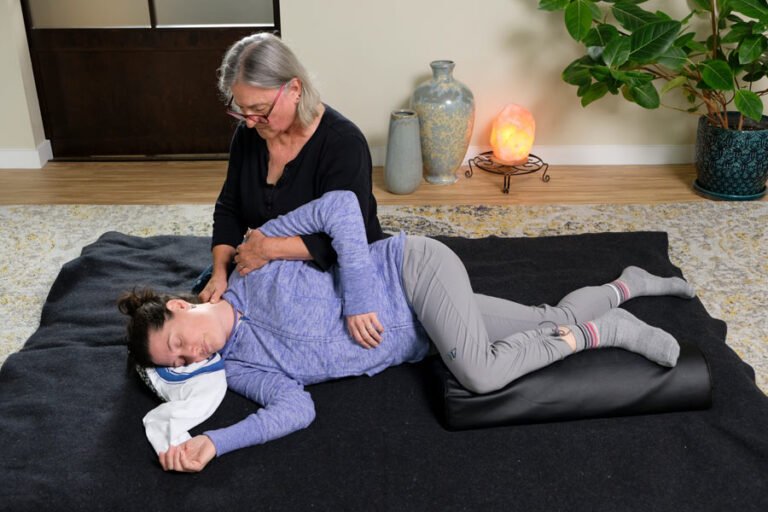
Massage therapy has been used for centuries to relieve tension and promote overall well-being. Techniques such as deep tissue, Swedish, and Shiatsu massage focus on both the body and mind. Programs like the Shiatsu Massage Training Course Online highlight the importance of proper methods to achieve maximum results. Modern studies show massage reduces stress, enhances circulation, supports emotional balance, and improves flexibility. Integrating regular sessions into personal routines creates a holistic approach to wellness, supporting energy balance, improved posture, and long-term physical and mental health, making massage an essential part of self-care.

Physical Health Improvements Through Massage

Massage therapy delivers clear benefits to the physical body. Muscle tension, stiffness, and soreness are reduced through targeted pressure and specialized techniques. Circulation improves, allowing oxygen and nutrients to reach tissues more efficiently. Deep tissue and Swedish massage can accelerate recovery from injuries by reducing inflammation. Massage also enhances joint flexibility and range of motion, supporting mobility in daily activities. Individuals of all ages benefit, from athletes recovering from training to older adults seeking relief from chronic pain. Consistent massage strengthens muscles, reduces fatigue, and contributes to long-term physical health and vitality.

Mental Health and Emotional Well-being

Massage therapy significantly influences mental health and emotional balance. It lowers cortisol levels while stimulating serotonin and dopamine, creating a calm and relaxed state. Regular sessions reduce anxiety, improve mood, and promote restorative sleep. The nurturing aspect of touch fosters a sense of comfort and emotional security. Over time, individuals experience greater mental clarity and improved resilience to stress. Integrating massage with mindfulness techniques amplifies these effects. Emotional and mental well-being benefits combine with physical improvements, making massage a central practice for holistic health and supporting both body and mind simultaneously.

Enhancing Holistic Health Through Stress Reduction

Chronic stress can impair multiple systems, including the cardiovascular, digestive, and immune systems. Massage therapy activates the parasympathetic nervous system, inducing relaxation and reducing tension. Techniques like aromatherapy massage or gentle Swedish methods provide additional calming effects. By addressing physical tension and emotional stress simultaneously, massage supports overall resilience and improved daily functioning. Reduced stress leads to better focus, improved energy, and enhanced immune response. Incorporating massage into a weekly routine allows individuals to manage stress proactively. Stress reduction through massage is an effective tool to maintain holistic wellness and prevent long-term health complications.

Key Holistic Health Benefits of Massage

  • Improved Circulation: Increases blood flow, supplying oxygen and nutrients efficiently.
  • Pain Relief: Reduces chronic pain and muscle soreness naturally.
  • Enhanced Flexibility: Loosens muscles, supporting mobility and daily activities.
  • Stress Management: Lowers cortisol levels and encourages relaxation.
  • Mental Clarity: Supports emotional balance and reduces anxiety.
  • Immune Support: Stimulates lymphatic drainage, enhancing immune function.

Regular massage combines these benefits, creating a holistic wellness approach that strengthens both physical and emotional health.

Supporting Immune Function and Overall Wellness

Massage positively affects the immune system by improving circulation and stimulating lymphatic flow. The body eliminates toxins more efficiently, supporting immune cell function and reducing illness risk. These benefits also contribute to faster recovery from minor ailments. Massage complements other holistic health strategies, including nutrition, exercise, and adequate sleep. Incorporating massage into a lifestyle promotes long-term wellness and resilience. Individuals practicing consistent massage experience improved energy, reduced fatigue, and stronger defenses against stress and illness, making it a practical preventive care tool for maintaining balanced physical and mental health over time.

Integrating Massage Into Daily Life

Daily routines can include massage without relying solely on professional sessions. Self-massage, foam rollers, and massage tools can provide relief between appointments. Combining these practices with proper nutrition, exercise, and mindfulness enhances holistic benefits. Short daily sessions improve muscle relaxation, reduce tension, and elevate energy levels. Individuals experience improved focus, mobility, and mood through consistent attention to muscle and mental health. Creating a habit of daily relaxation reinforces self-care practices. Regular massage, whether professional or self-administered, contributes to a balanced, sustainable approach to wellness, supporting long-term physical, mental, and emotional well-being.

The Role of Education and Professional Guidance

Proper training ensures massage is applied safely and effectively. Courses like the Shiatsu Massage Training Course Online teach anatomy, physiology, and correct pressure application. Practitioners gain skills to target specific muscle groups and adapt techniques to individual needs. Understanding energy pathways and therapeutic methods maximizes both physical and emotional benefits. Education reduces the risk of injury while improving client outcomes. Trained guidance supports holistic health by combining physical relief with emotional support. Knowledgeable practitioners provide therapeutic massage that promotes lasting wellness, offering a professional approach that complements self-care practices and strengthens overall health.

Long-Term Benefits and Lifestyle Impact

Regular massage therapy produces lasting benefits for overall quality of life. Individuals report sustained pain relief, improved flexibility, better sleep, and enhanced mental resilience. Consistent sessions support energy levels, posture, and immune function. Addressing physical, emotional, and mental needs simultaneously ensures a comprehensive approach to wellness. Integrating massage into routines encourages preventive care and stress management. Those who make massage part of their lifestyle experience improved daily functioning and vitality. Over time, this practice reinforces healthy habits, enhances holistic balance, and promotes long-term well-being, making massage a foundational element of a wellness-focused lifestyle.

Conclusion

Massage therapy is a vital component of holistic health. It addresses physical tension, mental clarity, emotional balance, and immune support in a single practice. Programs like the Shiatsu Massage Training Course Online teach proper techniques that maximize benefits. Consistent practice reduces pain, improves flexibility, lowers stress, and supports overall wellness. Incorporating massage into daily life, whether professionally or through self-care techniques, strengthens resilience, energy, and emotional stability. Massage serves as a cornerstone of long-term well-being, encouraging a lifestyle centered on harmony, balance, and sustained health for both mind and body.

FAQs

1. How often should massage therapy be practiced for holistic benefits?
Weekly sessions are ideal, though self-massage and short daily practices enhance results and maintain muscle health.

2. Can massage improve mental clarity and emotional balance?
Yes, massage lowers cortisol, releases serotonin, and fosters calmness, supporting mental resilience and emotional stability.

3. Which massage types best support overall wellness?
Shiatsu, Swedish, and deep tissue massages provide physical relief, stress reduction, and improved flexibility.

4. How does massage support the immune system?
Massage enhances lymphatic flow and circulation, aiding toxin removal and strengthening immune function.

5. Are self-massage techniques effective between sessions?
Yes, foam rollers, massage balls, and guided self-massage maintain muscle relaxation and support stress relief.