
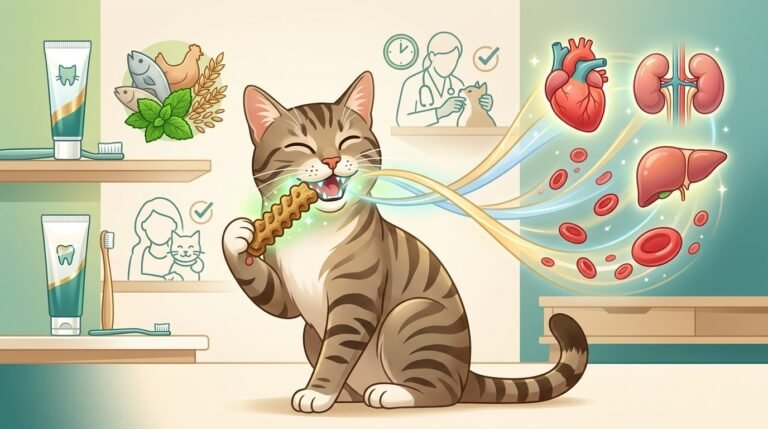
Cats are beloved members of countless households, offering companionship, affection, and endless entertainment. While pet owners often focus on diet, play, and routine checkups, one essential aspect of feline health is frequently overlooked: oral care. Dental hygiene is more than just keeping your cat’s breath fresh—it plays a pivotal role in preventing serious health issues down the line. Among the tools available to support feline oral health, cat dental treats have emerged as a convenient and effective option.
Understanding the Importance of Dental Health in Cats
Dental disease is a silent but prevalent concern in cats. According to veterinary studies, a significant proportion of adult cats show signs of periodontal disease by the age of three. Plaque and tartar build-up, if left unchecked, can lead to painful inflammation, gum disease, and even tooth loss. Beyond oral discomfort, poor dental hygiene can affect your cat’s overall health. Bacteria from untreated dental conditions can enter the bloodstream, potentially impacting organs such as the heart, liver, and kidneys. Maintaining proper oral care is, therefore, crucial not just for comfort, but for longevity.
How Cat Dental Treats Work
Many cat owners wonder: do cat dental treats work? The answer is yes, when used correctly and as part of a comprehensive oral care routine. These treats are designed with specialized textures and ingredients that promote chewing. As your cat gnaws on these treats, the mechanical action helps reduce plaque and tartar accumulation. Some treats also include natural additives like enzymes or minerals that further support oral health.
The effectiveness of dental treats hinges on several factors:
- Texture and Shape: Crunchy or specially ridged treats provide a brushing-like action, reaching areas that might be difficult to clean otherwise.
- Regular Usage: Consistency is key. Administering treats daily or as recommended by the product ensures ongoing oral care.
- Complementary Care: While dental treats help, they should supplement brushing and routine veterinary dental exams rather than replace them.
Benefits Beyond Oral Hygiene
Cat dental treats do more than clean teeth. Their role in preventive care has far-reaching benefits:
- Prevention of Systemic Illnesses: By reducing oral bacteria, these treats help prevent infections that could spread to vital organs.
- Enhanced Comfort and Appetite: Cats with dental issues may experience pain while eating. Maintaining oral health ensures they continue to eat comfortably, supporting nutrition and overall well-being.
- Reduced Veterinary Costs: Regular use of dental treats can help delay or prevent the need for professional dental interventions, which often require anesthesia and can be costly.
- Positive Behavioral Reinforcement: Many cats enjoy dental treats as a reward, making oral care a positive and stress-free experience.
Choosing the Right Cat Dental Treats
Selecting the right dental treats is critical to ensure both safety and efficacy. Here are some considerations:
- Ingredient Quality: Opt for treats made with natural proteins and minimal fillers. Avoid artificial colors, flavors, or preservatives that may upset your cat’s digestive system.
- Size and Age Appropriateness: Treats should match your cat’s size and age. Smaller cats or kittens may need softer or smaller-textured treats.
- Veterinary Endorsement: Products accepted by veterinary organizations are often tested for safety and effectiveness, providing an additional layer of assurance.
Integrating Dental Treats Into Your Cat’s Routine
To maximize benefits, incorporate dental treats strategically:
- Consistency Over Quantity: A few well-chosen treats per day are better than excessive treats in one sitting.
- Monitor Response: Watch how your cat responds to new treats. Some may need time to adjust to texture or flavor.
- Combine With Brushing: Even if your cat resists brushing, pairing dental treats with occasional brushing can dramatically improve oral outcomes.
- Regular Vet Checkups: Routine veterinary dental exams ensure that any underlying issues are addressed early.
Common Myths About Cat Dental Treats
Despite their growing popularity, misconceptions persist:
- Myth 1: Treats Replace Brushing
Truth: Dental treats are supportive, not a substitute for proper brushing or professional cleanings. - Myth 2: All Dental Treats Are the Same
Truth: Only treats specifically designed for dental health have the mechanical and nutritional properties necessary to reduce plaque and tartar. - Myth 3: More Treats Equals Better Results
Truth: Overfeeding can cause obesity or digestive upset. Stick to recommended amounts.
Preventive Care for Lifelong Health
Regular oral care through dental treats can dramatically improve a cat’s quality of life. From reducing pain to preventing serious systemic illnesses, the benefits are tangible. Incorporating high-quality cat dental treats into daily routines, alongside periodic veterinary assessments, ensures that your cat maintains healthy teeth and gums well into their golden years.
Conclusion
By choosing the right cat dental treats and integrating them into your pet’s daily care, you can ensure healthier teeth, fresher breath, and potentially prevent serious health issues. Oral health is an essential part of overall feline wellness, and dental treats make it easier to maintain without stress for both you and your cat.
FAQs
1. Do cat dental treats actually work?
Yes, when used consistently and combined with routine dental care. Their specialized textures help reduce plaque and tartar, supporting oral hygiene.
2. How often should I give my cat dental treats?
Most cats benefit from one to two dental treats per day, depending on size and veterinary recommendations. Always follow product-specific guidelines.
3. Can dental treats prevent serious illnesses?
While treats alone cannot guarantee complete prevention, they reduce oral bacteria and inflammation, which lowers the risk of heart, kidney, and liver complications related to poor oral health.
4. Are dental treats suitable for all cats?
Generally, yes, but kittens, seniors, or cats with specific health concerns may need age-appropriate or specially formulated treats. Consult your veterinarian if unsure.
5. What makes a good dental treat for cats?
Effective treats have a crunchy or ridged texture, natural ingredients, limited fillers, and are specifically formulated to support oral health.
Read more: The Complete Guide to Cat Feeders: Essential Items for Your New Cat Checklist