Author

Suzzan

Browsing

Cats are beloved members of countless households, offering companionship, affection, and endless entertainment. While pet owners often focus on diet, play, and routine checkups, one essential aspect of feline health is frequently overlooked: oral care. Dental hygiene is more than just keeping your cat’s breath fresh—it plays a pivotal role in preventing serious health issues down the line. Among the tools available to support feline oral health, cat dental treats have emerged as a convenient and effective option.

Understanding the Importance of Dental Health in Cats

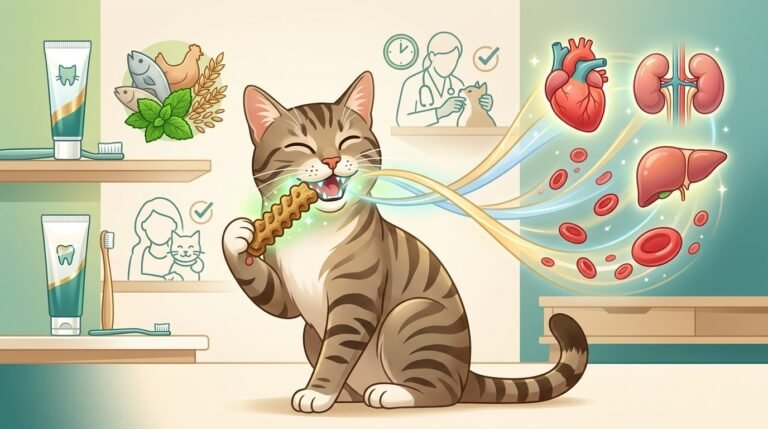
Dental disease is a silent but prevalent concern in cats. According to veterinary studies, a significant proportion of adult cats show signs of periodontal disease by the age of three. Plaque and tartar build-up, if left unchecked, can lead to painful inflammation, gum disease, and even tooth loss. Beyond oral discomfort, poor dental hygiene can affect your cat’s overall health. Bacteria from untreated dental conditions can enter the bloodstream, potentially impacting organs such as the heart, liver, and kidneys. Maintaining proper oral care is, therefore, crucial not just for comfort, but for longevity.

How Cat Dental Treats Work

Many cat owners wonder: do cat dental treats work? The answer is yes, when used correctly and as part of a comprehensive oral care routine. These treats are designed with specialized textures and ingredients that promote chewing. As your cat gnaws on these treats, the mechanical action helps reduce plaque and tartar accumulation. Some treats also include natural additives like enzymes or minerals that further support oral health.

The effectiveness of dental treats hinges on several factors:

  1. Texture and Shape: Crunchy or specially ridged treats provide a brushing-like action, reaching areas that might be difficult to clean otherwise.
  2. Regular Usage: Consistency is key. Administering treats daily or as recommended by the product ensures ongoing oral care.
  3. Complementary Care: While dental treats help, they should supplement brushing and routine veterinary dental exams rather than replace them.

Benefits Beyond Oral Hygiene

Cat dental treats do more than clean teeth. Their role in preventive care has far-reaching benefits:

  • Prevention of Systemic Illnesses: By reducing oral bacteria, these treats help prevent infections that could spread to vital organs.
  • Enhanced Comfort and Appetite: Cats with dental issues may experience pain while eating. Maintaining oral health ensures they continue to eat comfortably, supporting nutrition and overall well-being.
  • Reduced Veterinary Costs: Regular use of dental treats can help delay or prevent the need for professional dental interventions, which often require anesthesia and can be costly.
  • Positive Behavioral Reinforcement: Many cats enjoy dental treats as a reward, making oral care a positive and stress-free experience.

Choosing the Right Cat Dental Treats

Selecting the right dental treats is critical to ensure both safety and efficacy. Here are some considerations:

  • Ingredient Quality: Opt for treats made with natural proteins and minimal fillers. Avoid artificial colors, flavors, or preservatives that may upset your cat’s digestive system.
  • Size and Age Appropriateness: Treats should match your cat’s size and age. Smaller cats or kittens may need softer or smaller-textured treats.
  • Veterinary Endorsement: Products accepted by veterinary organizations are often tested for safety and effectiveness, providing an additional layer of assurance.

Integrating Dental Treats Into Your Cat’s Routine

To maximize benefits, incorporate dental treats strategically:

  1. Consistency Over Quantity: A few well-chosen treats per day are better than excessive treats in one sitting.
  2. Monitor Response: Watch how your cat responds to new treats. Some may need time to adjust to texture or flavor.
  3. Combine With Brushing: Even if your cat resists brushing, pairing dental treats with occasional brushing can dramatically improve oral outcomes.
  4. Regular Vet Checkups: Routine veterinary dental exams ensure that any underlying issues are addressed early.

Common Myths About Cat Dental Treats

Despite their growing popularity, misconceptions persist:

  • Myth 1: Treats Replace Brushing
    Truth: Dental treats are supportive, not a substitute for proper brushing or professional cleanings.
  • Myth 2: All Dental Treats Are the Same
    Truth: Only treats specifically designed for dental health have the mechanical and nutritional properties necessary to reduce plaque and tartar.
  • Myth 3: More Treats Equals Better Results
    Truth: Overfeeding can cause obesity or digestive upset. Stick to recommended amounts.

Preventive Care for Lifelong Health

Regular oral care through dental treats can dramatically improve a cat’s quality of life. From reducing pain to preventing serious systemic illnesses, the benefits are tangible. Incorporating high-quality cat dental treats into daily routines, alongside periodic veterinary assessments, ensures that your cat maintains healthy teeth and gums well into their golden years.

Conclusion

By choosing the right cat dental treats and integrating them into your pet’s daily care, you can ensure healthier teeth, fresher breath, and potentially prevent serious health issues. Oral health is an essential part of overall feline wellness, and dental treats make it easier to maintain without stress for both you and your cat.

FAQs

1. Do cat dental treats actually work?

Yes, when used consistently and combined with routine dental care. Their specialized textures help reduce plaque and tartar, supporting oral hygiene.

2. How often should I give my cat dental treats?

Most cats benefit from one to two dental treats per day, depending on size and veterinary recommendations. Always follow product-specific guidelines.

3. Can dental treats prevent serious illnesses?

While treats alone cannot guarantee complete prevention, they reduce oral bacteria and inflammation, which lowers the risk of heart, kidney, and liver complications related to poor oral health.

4. Are dental treats suitable for all cats?

Generally, yes, but kittens, seniors, or cats with specific health concerns may need age-appropriate or specially formulated treats. Consult your veterinarian if unsure.

5. What makes a good dental treat for cats?

Effective treats have a crunchy or ridged texture, natural ingredients, limited fillers, and are specifically formulated to support oral health.

Read more: The Complete Guide to Cat Feeders: Essential Items for Your New Cat Checklist
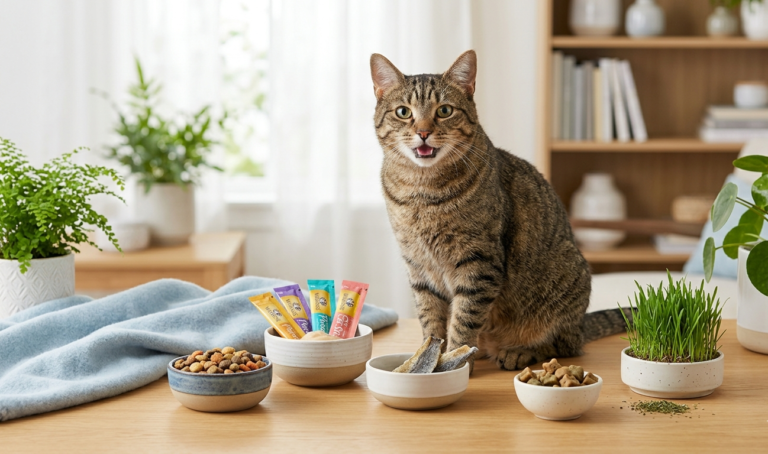
Cats are more than just pets—they’re cherished family members. As a responsible cat owner, providing them with nutritious treats that not only delight their taste buds but also support their health is crucial. With so many options available, it can be challenging to identify which treats are truly healthy and suitable for your furry friend. In this guide, we’ll explore the top 10 healthy cat treats that your feline will love, along with tips on how to incorporate them into their daily diet alongside the best wet cat food for indoor cats.

1. Temptations Crunchy & Soft Treats

One of the most popular choices among cat owners, Temptations offers a dual texture—crunchy outside and soft inside—that keeps cats engaged while satisfying their natural cravings. These treats are protein-rich and provide essential nutrients without artificial additives. They’re ideal for both adult cats and kittens, offering a tasty way to supplement their diet and reward good behavior.

Why it’s healthy: Low-calorie, fortified with vitamins and minerals, and helps prevent boredom.

2. Wellness Puree Grain-Free Lickable Treats

Some cats prefer soft, lickable treats over crunchy bites. Wellness Puree treats are smooth, creamy, and incredibly tempting, made with real tuna or chicken as the first ingredient. Being grain-free, these treats are gentle on sensitive stomachs and ideal for cats with dietary restrictions.

Why it’s healthy: Supports digestive health, maintains healthy skin and coat, and provides hydration.

3. Emerald Pet Wholly Fish! Crunchy Treats

For cats with seafood preferences or sensitivities to poultry, Wholly Fish! treats are a great option. Made with premium salmon fillets sourced sustainably, these crunchy treats are free from grains, soy, and dairy. They offer a satisfying bite and essential omega-3 fatty acids that promote skin, coat, and heart health.

Why it’s healthy: Single-source protein, hypoallergenic, and packed with omega fatty acids.

4. Polkadog Alaskan Cod Chips

Made from a single ingredient—wild-caught Alaskan cod—these treats are simple, nutritious, and ideal for cats with food sensitivities. Their high omega-3 content supports overall wellness, while their lean protein helps maintain a healthy weight. These chips can be broken into smaller pieces for portion control, making them a versatile addition to your cat’s snack options.

Why it’s healthy: Single-ingredient, high in omega-3, supports healthy skin and coat.

5. Tiki Pets Cat Stix Lickable Treats

Tiki Pets Cat Stix treats focus on real meat with no fillers or unnecessary extras. Available in tuna or chicken, they are soft, low-calorie, and perfect for cats of all ages. The convenient, mess-free format makes them easy to serve, encouraging bonding time between you and your cat.

Why it’s healthy: High-quality protein, low-calorie, easy to digest, and supports hydration.

6. Whimzees Natural Dental Treats

Dental health is often overlooked but is vital for a cat’s overall well-being. Whimzees treats are designed to act like tiny toothbrushes, helping reduce plaque and tartar buildup while freshening breath. They are formulated to be nutritionally complete and balanced for adult cats.

Why it’s healthy: Supports oral hygiene, complete nutrition, and low in calories.

7. Get Naked Digestive Health Treats

Stressful situations or changes in routine can affect a cat’s digestive system. Get Naked treats are formulated with fiber, prebiotics, and probiotics to promote gut health. Made with real chicken, they are soft, low-calorie, and heart-shaped, making them fun and functional treats.

Why it’s healthy: Supports digestive health, low-calorie, rich in protein and fiber.

8. Icelandic+ Herring Whole Fish Treats

Icelandic+ treats offer whole fish that is minimally processed to retain nutrients. Rich in omega-3 and high-quality protein, they provide a natural source of essential fatty acids. These treats are suitable for cats with specific dietary preferences or sensitivities.

Why it’s healthy: Whole-food-based, high in omega-3, supports cardiovascular and skin health.

9. Freeze-Dried Raw Treats

Freeze-dried raw treats are a fantastic way to give cats a protein-rich snack while preserving nutrients. They are convenient, long-lasting, and often made with single-protein sources like chicken, turkey, or fish. This type of treat is particularly useful for cats with allergies or sensitivities to fillers.

Why it’s healthy: Nutrient-dense, minimally processed, supports lean muscle maintenance.

10. Catnip & Organic Cat Grass Treats

Catnip and cat grass aren’t just fun—they can also provide health benefits. Catnip stimulates play and activity, encouraging exercise, while cat grass aids digestion and helps prevent hairballs. These treats are ideal for indoor cats who may not get much natural enrichment.

Why it’s healthy: Natural, promotes mental stimulation, supports digestion and hairball control.

Incorporating Healthy Treats with Daily Diet

While treats are a wonderful addition to a cat’s diet, moderation is key. Overfeeding can lead to obesity, especially in indoor cats with lower activity levels. Pairing treats with the best wet cat food for indoor cats ensures your feline receives balanced nutrition and hydration. Wet cat food is particularly important for indoor cats, as it helps maintain healthy urinary tract function, supports hydration, and can prevent common issues like hairballs and obesity.

Tips for feeding:

  • Limit treats to no more than 10% of daily caloric intake.
  • Offer treats as rewards for training or positive behavior.
  • Rotate different types of treats to provide variety and prevent selective eating.
  • Always provide fresh water alongside treats and meals.

By choosing from these top 10 healthy cat treats and pairing them with the best wet cat food for indoor cats, you can provide a balanced, enjoyable, and nutrient-rich experience for your feline friend. Remember, treats are not just snacks—they’re a way to show love, encourage good behavior, and support your cat’s overall health and well-being.

FAQs

1. Are crunchy or soft treats better for my cat?

Both have benefits. Crunchy treats can help with dental health, while soft or lickable treats are ideal for cats with sensitive teeth or those who prefer moist textures. A mix of both can provide variety and comprehensive benefits.

2. How often can I give my cat treats?

Treats should generally make up no more than 10% of a cat’s daily caloric intake. Overfeeding can lead to obesity and digestive issues. Always consider the treat’s calorie content and your cat’s overall diet.

3. Can treats replace meals?

No. Treats are supplementary and should not replace nutritionally complete meals. Wet cat food and dry cat food provide essential nutrients that treats alone cannot supply.

4. What should I look for in a healthy cat treat?

Check for high-quality protein sources, low filler content, absence of artificial colors or preservatives, and added functional benefits like dental support, digestive aid, or omega fatty acids.

5. Are freeze-dried or raw treats safe for all cats?

Yes, when given in moderation. They are nutrient-dense and minimally processed. However, always monitor for any allergies or sensitivities, and consult your veterinarian if introducing new treat types to your cat’s diet.

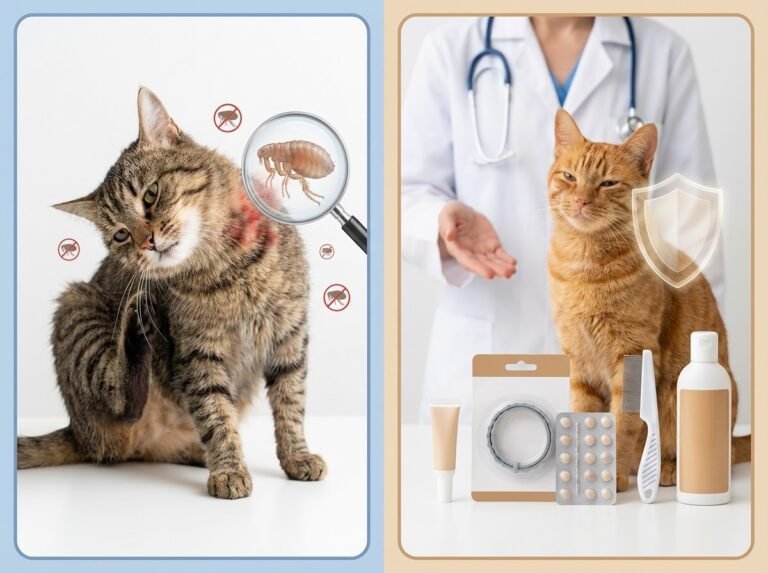
This complete guide explains how fleas affect cats, how to identify them, the safest treatment options, and how to choose the best flea treatment for cats based on your pet’s lifestyle and age.

Why Fleas Are More Than Just an Itch

Fleas aren’t just annoying—they can harm your cat’s health in several ways.

Health risks caused by fleas include:

  • Skin irritation leading to redness, scabs, or hair loss
  • Allergic reactions, especially in cats with flea allergy dermatitis
  • Anemia, caused by excessive blood loss in kittens or small cats
  • Tapeworm infections, since fleas can transmit tapeworm eggs
  • Behavioral changes, such as restlessness or scratching fits

Quick action and consistent prevention help keep your cat safe, comfortable, and flea-free year-round.

How to Know if Your Cat Has Fleas

Common symptoms of flea infestation

  • Constant scratching or biting at the skin
  • Tiny black specks (called flea dirt) on the fur or bedding
  • Small, fast-moving brown insects visible on the coat
  • Scabs around the neck, lower back, or tail
  • Over-grooming or bald patches

If you’re unsure, place your cat on a white towel and comb through their fur. If black specks fall and turn reddish-brown when wet, that’s flea dirt.

Types of Cat Flea Treatment

Today’s flea treatments come in multiple forms, making it easy to find something your cat tolerates well.

Topical Treatments (Spot-On)

These are applied to the back of the neck, where your cat can’t lick.

Benefits:

  • Easy to use
  • Long-lasting protection (usually 30 days)
  • Kills fleas, eggs, and larvae

Great for cats who dislike oral medications.

Oral Flea Medication

Given as a chew or tablet, these work internally.

Benefits:

  • Fast-acting
  • Ideal for cats sensitive to topical solutions
  • Some formulas also kill ticks

Always ensure the product is approved for cats—not dogs.

Flea Collars

Modern flea collars are safer and more effective than older versions.

Benefits:

  • Long-term protection (up to 8 months)
  • Helps repel and kill fleas
  • Water-resistant options available

These work best for cats who spend time outdoors.

Flea Shampoos

While not used daily, these are helpful for immediate relief.

Benefits:

  • Washes fleas off instantly
  • Soothes irritated skin
  • Ideal for kittens over 12 weeks

Should be used along with long-term protection.

Flea Combs

Great for mild infestations or regular checking.

Benefits:

  • Chemical-free
  • Helps remove flea dirt and live fleas
  • Safe for kittens and senior cats

Pair this with stronger treatments for best results.

How to Choose the Best Flea Treatment for Cats

The best flea treatment for cats depends on your pet’s age, health, and environment. Here’s how to make the right choice:

1. Consider Your Cat’s Age

  • Kittens (8–12 weeks): Use kitten-safe topicals or flea combs
  • Adults: Most topical and oral options are safe
  • Senior Cats: Choose gentle formulas recommended by vets

2. Check for Skin Sensitivities

If your cat has allergies, a mild topical or oral medication may be safer than a collar.

3. Evaluate Your Cat’s Environment

  • Indoor cats: A basic topical treatment is usually enough
  • Outdoor or multi-pet homes: Stronger formulas provide better protection

4. Look for Broad-Spectrum Protection

The best products protect against:

  • Adult fleas
  • Flea eggs
  • Larvae
  • Ticks
  • Mites (optional)

What Ingredients to Look For (and Avoid)

Effective and safe flea-fighting ingredients

  • Fipronil
  • Imidacloprid
  • Selamectin
  • Spinosad
  • Fluralaner
  • Sarolaner

These ingredients are found in many trusted vet-approved brands.

Ingredients to avoid

One of the most common and dangerous questions pet parents ask is can you use dog flea treatment on cats, and the answer is no, as dog flea products often contain ingredients that are toxic to cats and can cause serious health issues.

  • Essential oils (unsafe for cats)
  • Pyrethrin/pyrethroids (toxic when overdosed)
  • Dog-specific formulas

Always check labels carefully before buying anything new.

How to Apply Cat Flea Treatment the Right Way

Topical Treatment Tips

  1. Part your cat’s fur at the neck
  2. Apply directly on the skin, not the hair
  3. Allow it to dry completely
  4. Avoid touching the area for 24 hours

Oral Treatment Tips

  1. Hide the tablet in a treat
  2. Monitor for swallowing
  3. Give water afterward
  4. Never double-dose

General Safety Tips

  • Never mix products
  • Always choose cat-specific treatments
  • Wash hands after application
  • Keep children away until the area dries

Home & Environment Tips to Prevent Fleas

Even the strongest treatment won’t work if your home stays infested.

Clean your home regularly:

  • Wash bedding weekly
  • Vacuum carpets and furniture
  • Clean cat trees and scratching posts
  • Treat rugs with safe flea sprays (if needed)

Outdoor prevention

  • Trim bushes and grass
  • Avoid letting your cat roam during warm seasons
  • Keep wildlife away from your yard

Real-Life Example: What Most Cat Parents Do

Many cat owners combine:

  • Monthly topical flea medication
  • Weekly flea combing
  • Regular bedding wash
  • Vacuuming high-traffic areas

This simple routine keeps fleas away for good.

Common Mistakes to Avoid

  • Using dog flea products on cats
  • Overusing home remedies like vinegar or oils
  • Not treating the home environment
  • Skipping monthly doses
  • Stopping treatment after fleas seem gone

Fleas can live up to 90 days, so consistency is key.

When to See a Veterinarian

Consult a vet if your cat shows:

  • Hair loss
  • Open wounds
  • Pale gums
  • Extreme itchiness
  • Lethargy
  • Skin infections

A vet can recommend the safest cat flea treatment tailored to your cat’s needs.

Final Thoughts

Fleas may be tiny, but they can make a huge impact on your cat’s well-being. With proper prevention, consistent cleaning habits, and the right product, you can enjoy a flea-free home and a much happier cat.

Whether you prefer shampoos, topicals, collars, or oral treatments, choosing the best flea treatment for cats ensures long-lasting protection and peace of mind.

Read more: The Complete Guide to Cat Feeders: Essential Items for Your New Cat Checklist