
Author

LamontJ.White

Browsing

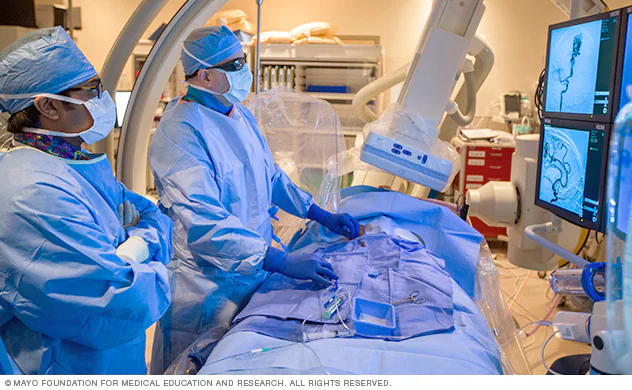
A specialized Brain Aneurysm Center plays a critical role in diagnosing, monitoring, and treating cerebral aneurysms before they become life-threatening. Brain aneurysms occur when a weakened area of a blood vessel in the brain bulges outward, creating a risk of rupture that can lead to hemorrhagic stroke. Early detection and expert neurosurgical intervention significantly improve patient outcomes and survival rates.

Advanced Diagnosis at a Brain Aneurysm Center

Comprehensive evaluation is the foundation of effective treatment. A modern Brain Aneurysm Center utilizes advanced imaging technologies such as

  • Magnetic Resonance Angiography (MRA)
  • Computed Tomography Angiography (CTA)
  • Digital Subtraction Angiography (DSA)

These diagnostic tools allow specialists to assess aneurysm size, location, and rupture risk with precision. Early detection is especially important for patients with risk factors such as high blood pressure, smoking history, genetic predisposition, or a family history of aneurysms.

Expert Treatment Options

Treatment at a brain aneurysm center depends on whether the aneurysm is ruptured or unruptured, as well as its size and anatomical complexity. Leading centers provide both surgical and minimally invasive options, including

1. Surgical Clipping

A neurosurgeon places a small metal clip at the base of the aneurysm to stop blood flow into the bulge. This prevents rupture and offers a durable, long-term solution.

2. Endovascular Coiling

This minimally invasive procedure involves inserting a catheter through the blood vessels to place tiny coils inside the aneurysm, promoting clot formation and sealing it off from circulation.

3. Flow Diversion Devices

Advanced stent-like implants redirect blood flow away from the aneurysm, allowing the vessel wall to heal naturally over time.

The availability of multiple treatment modalities within a Brain Aneurysm Center ensures individualized care tailored to each patient’s clinical profile.

Multidisciplinary Care Approach

A hallmark of a high-quality Brain Aneurysm Center is a collaborative, multidisciplinary model. Neurosurgeons, interventional neuroradiologists, neurologists, and critical care specialists work together to create comprehensive treatment plans. This coordinated approach enhances safety, reduces complications, and optimizes neurological outcomes.

Recovery and Long-Term Monitoring

Recovery timelines vary depending on the procedure and whether the aneurysm ruptured. Minimally invasive treatments often allow for shorter hospital stays and faster rehabilitation. Follow-up imaging is essential to confirm successful treatment and monitor for recurrence.

Lifestyle management is equally important. Blood pressure control, smoking cessation, and routine neurological evaluations significantly reduce future risk.

Why Specialized Care Matters

Seeking treatment at a dedicated Brain Aneurysm Center provides access to advanced technology, experienced neurosurgical expertise, and evidence-based protocols. Early intervention, precision techniques, and coordinated aftercare dramatically improve both survival rates and quality of life.

Orthodontic treatment is no longer limited to teenagers. In recent years, there has been a significant rise in adults seeking teeth-straightening solutions, particularly clear aligner systems like Invisalign. For working professionals, appearance, convenience, and efficiency matter, and that’s exactly why Invisalign has become a preferred option in adult orthodontics.

The Growing Demand for Adult Orthodontics

Modern dentistry has shifted toward discreet and lifestyle-friendly treatments. Many adults who missed orthodontic care in their youth or experienced relapse after braces are now investing in smile correction. Crooked teeth, crowding, spacing, and bite issues can affect not only aesthetics but also oral health and confidence in professional settings.

Adult orthodontics focuses on correcting alignment while accommodating career responsibilities, social commitments, and personal comfort.

Why Invisalign Appeals to Professionals

1. Nearly Invisible Appearance

Invisalign uses clear, custom-made aligners that fit snugly over the teeth. Unlike metal braces, there are no brackets or wires. For professionals who attend meetings, presentations, or client-facing roles, the subtle appearance of Invisalign offers a major advantage.

2. Removable Convenience

Aligners can be removed while eating, drinking (except water), brushing, and flossing. This flexibility allows adults to maintain oral hygiene easily and avoid dietary restrictions typically associated with traditional braces.

3. Comfort and Fewer Appointments

Invisalign aligners are made from smooth medical-grade plastic, reducing irritation to the cheeks and gums. Additionally, fewer in-office adjustments are usually required compared to traditional braces—ideal for busy professionals with tight schedules.

4. Predictable Digital Treatment Planning

Advanced 3D digital scanning technology maps out tooth movement from start to finish. Patients can often see a virtual preview of their expected results before beginning treatment. This structured, data-driven approach appeals to professionals who value clarity and planning.

Common Issues Invisalign Can Correct

Many adults are surprised to learn that Invisalign can treat more than minor cosmetic concerns. It can effectively address:

  • Crowded teeth
  • Gaps between teeth
  • Overbite
  • Underbite
  • Crossbite
  • Mild to moderate misalignment

In more complex cases, a consultation with an experienced orthodontist determines whether Invisalign is the most suitable option.

Career Confidence and Smile Aesthetics

A confident smile plays a role in professional interactions. Research consistently links smile aesthetics with perceived confidence and approachability. For executives, entrepreneurs, healthcare providers, and corporate employees, discreet orthodontic treatment allows them to enhance their smile without drawing attention to the process.

Adult orthodontics is no longer about vanity—it’s about self-presentation and long-term dental health.

Treatment Timeline and Commitment

Most Invisalign treatments range between 12 and 18 months, depending on complexity. Patients must wear aligners 20–22 hours per day for optimal results. Compliance is critical; consistency ensures predictable tooth movement and timely completion.

Is Invisalign Worth It for Adults?

For many professionals, the combination of discretion, comfort, and efficiency makes Invisalign a worthwhile investment. While cost varies depending on case complexity, many clinics offer flexible payment options, making treatment accessible without financial strain.

Final Thoughts

Adult orthodontics continues to grow as more professionals prioritize both oral health and appearance. Invisalign provides a modern, subtle, and effective alternative to traditional braces—aligning teeth without disrupting daily life.

If you are considering orthodontic treatment, a consultation with a qualified orthodontist can determine whether Invisalign aligns with your clinical needs and lifestyle goals.