
Author

khanzada

Browsing

Edinburgh is a city that demands movement. Whether you are a dedicated runner training for the Edinburgh Marathon, a hiker tackling the steep gradients of Arthur’s Seat, or a professional navigating the long walk between Haymarket and the New Town, your feet are your most important piece of “equipment.” However, an active lifestyle places unique mechanical stresses on the lower limbs that can lead to pain, reduced performance, and injury if not managed correctly.

Accessing specialist Footcare services in Edinburgh is the key to ensuring that your passion for activity isn’t sidelined by preventable foot issues. Professional podiatry isn’t just about treating problems; it’s about optimizing your foundation so you can go further, faster, and longer.

1. The Impact of High-Impact Activity on Foot Health

When you run, hike, or even walk briskly on Edinburgh’s hard stone pavements, your feet absorb between two and four times your body weight in force with every single step. Over thousands of steps, even a minor misalignment can lead to significant tissue stress.

Common Issues for the Active Resident:

  • Subungual Hematoma (Runner’s Toe): Repetitive striking of the nail against the shoe causes blood to pool under the nail, often leading to nail loss.
  • Plantar Fasciitis: Intense heel pain caused by inflammation of the thick band of tissue running across the bottom of your foot, common in those who increase their activity levels too quickly.
  • Blisters and Hyperkeratosis: Friction from high-mileage walks can cause painful blisters or thick calluses that alter your gait and lead to secondary pain in the knees or hips.

2. Advanced Biomechanical Analysis for Performance

One of the most valuable Footcare services in Edinburgh for the active individual is a comprehensive biomechanical assessment. This goes beyond looking at the skin and nails to analyze how your bones, muscles, and joints move in unison.

The Analysis Process:

  • Video Gait Analysis: A specialist records you walking or running on a treadmill to identify “overpronation” (feet rolling in) or “oversupination” (feet rolling out).
  • Pressure Mapping: Identifying exactly where you are placing the most force on your soles. This allows the podiatrist to see if you are “offloading” weight correctly.
  • Functional Testing: Assessing the strength of your intrinsic foot muscles and the flexibility of your Achilles tendon, both of which are critical for explosive movement and injury prevention.

3. Custom Orthotics: Engineering Your Success

For many active residents, the solution to recurring pain lies in custom-made orthotics. Unlike over-the-counter insoles, these medical devices are crafted based on a 3D scan or cast of your feet.

Why Custom Orthotics Matter:

  • Structural Alignment: They hold the foot in its most efficient neutral position, reducing the strain on the shins and knees.
  • Targeted Cushioning: For those with high arches or flat feet, orthotics provide support where it is needed most, preventing the “collapsed” feeling during long-distance walks.
  • Enhanced Energy Return: By ensuring your foot is positioned correctly during the “push-off” phase, orthotics can actually improve your running and walking efficiency.

4. Medical-Grade Skin and Nail Care for Athletes

Even the most expensive running shoes cannot protect your feet if your skin and nails are in poor condition. Professional Footcare services in Edinburgh provide “medical pedicures” that are specifically designed for the high-demand foot.

Sub-Blocks of Specialist Care:

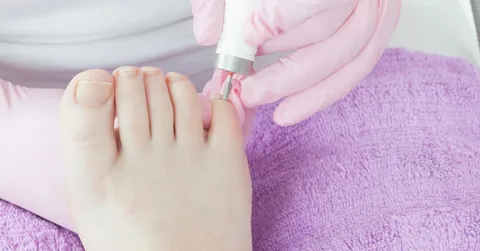
  • Nail Thinning and Reshaping: Professionals use specialized drills to thin out thickened nails, ensuring they don’t catch on your socks or press painfully against the toe box of your shoes.
  • Professional Debridement: Removing hard skin (callus) safely. While some callus is protective, too much becomes inelastic and can tear, leading to deep, painful fissures.
  • Anti-Fungal Strategies: For those who use public locker rooms or spend long hours in sweaty footwear, a podiatrist provides medical-grade anti-fungal treatments to keep “Athlete’s Foot” from ruining your training schedule.

5. Transitioning Between Terrains: From Old Town to Pentlands

Edinburgh presents a unique challenge: the constant transition from hard, flat pavements to uneven, soft, or rocky trails. This requires your feet to be highly adaptable.

  • Proprioceptive Training: A podiatrist can teach you specific exercises to improve your “joint position sense.” This reduces the risk of rolling an ankle when transitioning from the pavement to a trail.
  • Footwear Prescription: Not all “trainers” are equal. A specialist can advise you on the specific “drop,” “offset,” and “grip” patterns needed for the specific terrain you frequent, whether it’s the stairs of the Royal Mile or the mud of the Pentlands.

6. Recovery and Injury Rehabilitation

If an injury does occur, specialized Footcare services in Edinburgh offer the fastest route back to your active lifestyle.

  1. Shockwave Therapy: Using acoustic waves to treat chronic tendon issues like Achilles tendinopathy or plantar fasciitis by stimulating blood flow and cellular repair.
  2. Taping and Strapping: Utilizing Kinesiology tape to support joints and muscles while they heal, allowing for “active recovery.”
  3. Strengthening Programs: Designing a “pre-hab” routine that strengthens the 29 muscles in the foot, creating a resilient foundation that is less likely to suffer from stress fractures or ligament tears.

7. The Long-Term Vision for Your Mobility

An active lifestyle is a lifelong journey. Routine checks with a foot health professional ensure that you are not just managing today’s run, but protecting your mobility for the next thirty years.

  • Consistency: Booking a session every 8 to 12 weeks catches minor biomechanical shifts before they become major injuries.
  • Education: Understanding the “red flags” of foot pain so you know when to push through and when to seek professional help.
  • Empowerment: Getting the right tools—from the right socks to the right orthotics—so you can take control of your performance.

Final Thought: Don’t Let Your Feet Hold You Back

In a city as beautiful as Edinburgh, the best way to see the sights and maintain your health is on your feet. By investing in specialist Footcare services in Edinburgh, you are ensuring that your active lifestyle is sustainable, enjoyable, and pain-free.

Whether you are chasing a personal best or simply enjoying a sunset walk on the coast, make sure your feet are as ready for the challenge as you are. Your active life deserves a professional foundation.
In the construction landscape of Qatar, heat is more than just a seasonal discomfort—it is a significant occupational hazard. With summer temperatures frequently soaring above 45°C and humidity levels reaching peak intensity, “Heat Stress” becomes a critical concern for site managers and safety officers. To maintain the health of the workforce and the momentum of the project, high-performance site ventilation is non-negotiable.

Securing the right equipment requires a strategic partnership with a reputable building material supplier in Qatar who can provide industrial-grade cooling solutions designed specifically for the Middle Eastern climate.

1. The Physiology of Heat Stress on Construction Sites

When the ambient temperature exceeds the body’s natural cooling capacity, the risk of heat exhaustion and heatstroke increases exponentially. On a construction site, this leads to reduced cognitive function, slower reaction times, and a higher frequency of accidents.

Why Natural Airflow Isn’t Enough:

In confined spaces, basements, or partially enclosed structures common in Doha’s high-rise developments, air becomes stagnant. This “dead air” traps heat and moisture, creating a localized greenhouse effect. Powerful site ventilation fans are required to forcibly displace this hot air and introduce a constant stream of fresh, moving air that facilitates sweat evaporation—the body’s primary cooling mechanism.

2. Key Features of Industrial Ventilation Fans for Qatar

A standard domestic fan is useless in the face of a Qatari summer. When sourcing from a building material supplier in Qatar, you must look for industrial specifications that can withstand the rigors of a desert construction site.

High Airflow Volume (CFM)

The effectiveness of a ventilation fan is measured in Cubic Feet per Minute (CFM). For large-scale sites, fans must be capable of high-velocity output to ensure air reaches the deep recesses of a structure.

Durability and Dust Resistance

Qatar’s environment is not just hot; it is incredibly dusty. Industrial fans must have:

  • Enclosed Motors: To prevent fine desert sand from clogging the internal components.
  • Reinforced Blades: Often made of heavy-duty steel or high-impact polymers to resist pitting from airborne particulates.
  • Portable Design: Rugged wheels and “roll-cage” frames are essential for moving the units across uneven site terrain.

3. Types of Ventilation Solutions for Construction

Depending on the stage and type of your project, different ventilation strategies may be required.

Man-Cooling Fans (High-Velocity Fans)

These are large-diameter fans designed to blow air directly onto workers in open areas. They are essential for “Cooling Stations” where workers take mandatory breaks during the hottest parts of the day.

Axial Fans with Ducting

For basement work or tunneling, axial fans are used in conjunction with flexible ducting. These “extract” hot, toxic air and “inject” fresh air from the outside, ensuring a safe breathable atmosphere in enclosed zones.

Misting Fans

By combining high-velocity air with a fine mist of water, these fans can drop the localized temperature by as much as 10–15°C. They are highly effective in Qatar’s dry heat periods, though their effectiveness varies during high-humidity days.

4. Legal Compliance and Worker Safety Standards

The Qatar Ministry of Labour enforces strict “Summer Working Hours” and safety protocols to protect laborers. Utilizing professional ventilation equipment from a trusted building material supplier in Qatar helps contractors comply with these regulations.

  • The Midday Work Ban: While work stops during the peak sun hours, ventilation fans are crucial for cooling down workspaces before workers return, ensuring the environment is safe for the evening or night shifts.
  • The WBGT Index: Many sites now monitor the Wet Bulb Globe Temperature (WBGT). Powerful ventilation is the primary tool used to lower this index and keep work zones within the “Green” or “Yellow” safety zones.

5. Why Choose a Local Building Material Supplier in Qatar?

Sourcing your ventilation equipment locally offers several strategic advantages:

  1. Climate-Tested Equipment: Local suppliers stock brands that have been proven to survive the Qatari heat.
  2. Immediate Availability: When a heatwave hits, you cannot wait weeks for an international shipment. Local stockists ensure you can deploy cooling solutions within hours.
  3. Maintenance and Parts: Industrial fans on construction sites take a beating. A local partner provides the spare filters, motors, and technical support needed to keep the fans spinning throughout the summer.

6. Calculating Your Ventilation Needs

To combat heat stress effectively, you must calculate the “Air Change per Hour” (ACH) required for your specific space. A professional supplier can help you determine:

  • The number of fans needed based on the square footage of the work zone.
  • The optimal placement of fans to avoid “short-circuiting” the airflow (where air just circles in a small loop).
  • The power requirements to ensure the site’s generators can handle the additional load.

Final Thought: Protecting Your Most Valuable Asset

In the race to complete Qatar’s ambitious infrastructure projects, the workforce is the most valuable asset. Heat stress is a formidable opponent, but with the right industrial ventilation fans, it is a manageable one. By investing in high-quality cooling technology and partnering with a reliable building material supplier in Qatar, you ensure that your site remains productive, compliant, and—most importantly—safe.

Don’t let the heat slow your progress. Power up your site ventilation and build with confidence through the Qatari summer.

Physical resilience is the body’s ability to recover from stress, injury, and daily physical demands. Strong muscles, flexible joints, and proper movement patterns all contribute to maintaining an active and healthy lifestyle. However, injuries, poor posture, repetitive strain, and inactive routines can weaken the body over time. As a result, many people experience pain, reduced mobility, and difficulty performing everyday tasks. Therefore, professional physiotherapy plays an important role in restoring strength, preventing injuries, and improving overall physical well-being.

Working with the best Physiotherapist Edinburgh can help individuals improve mobility, recover from injuries, and build long-term physical resilience. Physiotherapy focuses on treating the root cause of pain rather than only reducing symptoms. Moreover, personalized rehabilitation plans help strengthen the body, improve movement efficiency, and reduce the risk of future injuries. Whether you are an athlete, office worker, or older adult, physiotherapy provides effective support for long-term health and recovery.

1. Understanding Physical Resilience and Its Importance

Physical resilience allows the body to adapt to movement, stress, and physical activity without injury. It helps muscles, joints, and ligaments work together efficiently while maintaining balance and stability.

When physical resilience decreases, the body becomes more vulnerable to pain, stiffness, and injuries. Poor posture, muscle weakness, and limited flexibility often contribute to these problems. Over time, even simple activities such as walking or lifting objects may become difficult.

The best Physiotherapist Edinburgh focuses on identifying weaknesses and movement limitations before creating personalized treatment plans. This targeted approach supports safer movement and long-term physical improvement.

✔ Benefits of Improved Physical Resilience

  • Better balance and coordination
  • Increased muscle strength
  • Reduced risk of injuries
  • Improved posture and flexibility
  • Faster recovery after physical activity

Strong physical resilience supports healthier movement and greater confidence in daily life.

2. How Physiotherapy Supports Recovery and Strength

Physiotherapy is designed to restore movement, reduce pain, and improve overall physical function. It combines exercise therapy, manual treatment, and rehabilitation techniques to help the body heal safely and effectively.

A professional best Physiotherapist Edinburgh carefully assesses posture, joint mobility, muscle function, and movement patterns before beginning treatment. This ensures that rehabilitation focuses on the root cause of discomfort.

✔ Conditions Commonly Treated with Physiotherapy

  • Back and neck pain
  • Sports injuries and muscle strains
  • Joint stiffness and arthritis
  • Tendon and ligament injuries
  • Post-surgical rehabilitation
  • Repetitive strain injuries

With personalized treatment, patients often experience improved mobility, reduced pain, and greater physical confidence.

3. Building Long-Term Strength Through Rehabilitation

Strength is an essential part of physical resilience. Weak muscles place additional strain on joints and ligaments, increasing the likelihood of injury. Therefore, rehabilitation exercises play a major role in physiotherapy care.

The best Physiotherapist Edinburgh creates targeted exercise programs based on the patient’s condition, fitness level, and recovery goals. Exercises are gradually progressed to improve endurance, stability, and coordination safely.

✔ Key Components of Rehabilitation Programs

  • Muscle strengthening exercises
  • Core stability training
  • Joint mobility improvement
  • Balance and coordination exercises
  • Flexibility and stretching routines

These rehabilitation methods help restore proper movement patterns and reduce stress on vulnerable areas of the body.

4. Preventing Injuries and Recurring Pain

Many injuries develop because of poor posture, repetitive movement, or muscle imbalances. Without proper correction, pain and discomfort often return repeatedly. Therefore, prevention is an important part of physiotherapy treatment.

A skilled best Physiotherapist Edinburgh identifies movement issues that may increase strain on muscles and joints. Treatment plans then focus on improving body mechanics and strengthening weak areas.

✔ How Physiotherapy Prevents Injuries

  • Corrects posture and movement habits
  • Improves muscle balance and flexibility
  • Enhances joint stability
  • Reduces unnecessary strain during activity
  • Supports safer sports and exercise performance

Preventive physiotherapy helps individuals stay active while reducing the risk of future injuries and long-term physical problems.

5. Improving Mobility and Daily Performance

Reduced mobility can affect both physical and emotional well-being. Pain and stiffness often make walking, exercising, or completing daily tasks more difficult. Over time, this may reduce confidence and independence.

The best Physiotherapist Edinburgh focuses on restoring mobility through guided movement therapy and rehabilitation exercises. Improved flexibility and strength allow individuals to move more comfortably and efficiently.

✔ Everyday Benefits of Physiotherapy

  • Easier walking and movement
  • Better posture during work and activities
  • Reduced muscle tension and fatigue
  • Increased energy and physical confidence
  • Greater independence and comfort

Improved mobility contributes to a healthier and more active lifestyle.

6. Physiotherapy for Athletes and Active Individuals

Athletes and active individuals place high physical demands on their bodies. Training, competition, and repetitive movements increase the risk of strains, sprains, and overuse injuries. Therefore, physiotherapy is essential for both recovery and performance improvement.

A professional best Physiotherapist Edinburgh uses movement analysis and rehabilitation techniques to help athletes improve performance safely. Treatment focuses on strengthening muscles, improving flexibility, and correcting movement patterns.

✔ Sports Physiotherapy Benefits

  • Faster recovery after training or injury
  • Improved flexibility and balance
  • Better movement efficiency
  • Reduced injury risk
  • Enhanced physical endurance and performance

Sports rehabilitation helps athletes maintain peak condition while protecting long-term physical health.

7. Supporting Long-Term Wellness and Healthy Living

Physiotherapy is not only about injury recovery. It also supports long-term wellness and healthy aging. Regular physiotherapy care helps maintain flexibility, strength, and joint health over time.

The best Physiotherapist Edinburgh provides ongoing support and education to help patients manage physical health more effectively. This includes posture advice, exercise guidance, and injury prevention strategies.

✔ Long-Term Wellness Benefits

  • Improved overall physical health
  • Reduced risk of chronic pain
  • Better joint and muscle function
  • Increased physical independence
  • Enhanced quality of life

With proper physiotherapy support, individuals can enjoy healthier movement and greater physical resilience for years.

Final Thoughts

Physical resilience is essential for maintaining mobility, preventing injuries, and supporting long-term health. Physiotherapy provides effective solutions for strengthening the body, improving flexibility, and restoring movement after injury or physical strain. Moreover, personalized rehabilitation helps individuals stay active while reducing the risk of recurring pain and future complications.

By working with the best Physiotherapist Edinburgh, patients receive expert care tailored to their unique physical needs and recovery goals. From pain management and injury rehabilitation to strength training and wellness support, physiotherapy offers comprehensive benefits for people of all ages.

Foot pain is often the silent companion of a busy life. Whether it’s a sharp twinge in your heel during your morning coffee or a dull ache that settles in after a walk through Princes Street Gardens, persistent discomfort can quickly transition from a minor annoyance to a lifestyle-limiting problem.

If you find yourself searching for footcare services in Edinburgh, you aren’t just looking for a quick fix; you are looking to reclaim your mobility. Professional podiatry is the bridge between enduring pain and enjoying the vibrant, walkable city we call home.

Why You Shouldn’t Ignore Foot Pain

Many people treat foot pain as an inevitable part of aging or a consequence of a long workday. However, your feet are the foundation of your entire musculoskeletal system. When your foundation is unstable, the rest of the structure—your knees, hips, and lower back—begins to suffer.

The Ripple Effect of Foot Issues

Ignoring a seemingly small issue like a corn or a slight arch pain can lead to:

  • Compensatory Injuries: You may unconsciously change the way you walk (your gait) to avoid pain, leading to strain in other joints.
  • Chronic Inflammation: Conditions like plantar fasciitis can become chronic if the underlying cause isn’t addressed.
  • Reduced Activity: When it hurts to move, you move less. This can impact your cardiovascular health and mental well-being.

Common Conditions Treated by Footcare Services in Edinburgh

Edinburgh’s top podiatry clinics offer a comprehensive range of treatments designed to address everything from surface-level skin issues to complex structural misalignments.

1. Plantar Fasciitis and Heel Pain

This is perhaps the most common complaint among residents. It is characterized by a sharp, stabbing pain at the base of the heel, usually worst during those first few steps in the morning. Specialist footcare services in Edinburgh use advanced techniques like Shockwave Therapy and custom orthotics to relieve tension on the plantar fascia.

2. Ingrown Toenails

An ingrown toenail can transform from a minor pinch to a severe infection overnight. Nail surgery under local anesthetic is a routine and highly effective service offered in the city, providing a permanent solution for those prone to recurring nail issues.

3. Corns, Calluses, and Verrucae

The cobbled streets of the Old Town are beautiful but unforgiving on the skin of your feet.

  • Corns and Calluses: These areas of thickened skin form due to pressure. Professional removal is painless and provides immediate relief.
  • Verrucae: Modern clinics now offer Swift Microwave Therapy, a cutting-edge treatment that stimulates the body’s immune system to clear the virus.

4. Biomechanical Issues and Flat Feet

If your pain is felt in the arches or ankles, you may have a biomechanical imbalance. When seeking footcare services in Edinburgh, look for clinics that utilize Gait Analysis—often involving high-tech treadmills and pressure mapping—to see exactly how your foot strikes the ground.

What to Expect During Your First Appointment

If you’ve never visited a podiatrist, the prospect can be a bit daunting. However, professional footcare is focused on patient comfort and long-term education.

The Assessment Phase

Your initial consultation will typically involve:

  1. Medical History: Discussing any systemic conditions like diabetes or arthritis.
  2. Physical Examination: Checking circulation, sensation, and joint mobility.
  3. Gait Assessment: Watching you walk to identify any irregularities in your movement.

The Treatment Plan

Based on the assessment, your podiatrist won’t just treat the symptom; they will create a plan to prevent the pain from returning. This might include:

  • Medical Pedicures: A sterile, medical-grade cleaning of the feet.
  • Custom Orthotics: Bespoke insoles designed specifically for your foot shape and shoe type.
  • Exercise Programs: Targeted stretches and strengthening moves for your lower limbs.

Specialist Care: Diabetic Foot Management in Edinburgh

For those living with diabetes, footcare isn’t just about comfort—it’s about safety. Diabetes can lead to reduced blood flow and nerve damage (neuropathy), meaning small cuts can go unnoticed and turn into serious ulcers.

Comprehensive footcare services in Edinburgh provide essential diabetic screenings that check for:

  • Vascular Health: Using Doppler ultrasound to monitor blood flow.
  • Sensory Perception: Testing for “numb spots” using specialized filaments.
  • Wound Prevention: Professional nail and skin care to prevent breaks in the skin.

Professional vs. DIY: The Risks of “Bathroom Surgery”

It is tempting to pick up a blade or a harsh chemical plaster from the pharmacy to deal with a corn or a verruca. However, experts providing footcare services in Edinburgh frequently see patients who have caused infections or scarring through “bathroom surgery.”

Professional care ensures that instruments are sterile and that the removal of hard skin is done precisely without damaging the healthy tissue underneath. This is particularly vital for elderly patients or those with poor circulation.

Conclusion: Take the First Step Toward Pain-Free Living

Your feet carry you through every stage of your life. Whether you are navigating the hilly terrain of Arthur’s Seat or simply want to walk to the local shops without wincing, the right footcare services in Edinburgh offer the expertise you need.

By addressing “minor” pains today, you prevent the major mobility issues of tomorrow. From routine nail maintenance to advanced biomechanical corrections, Edinburgh’s podiatry community is equipped to keep you on your feet.