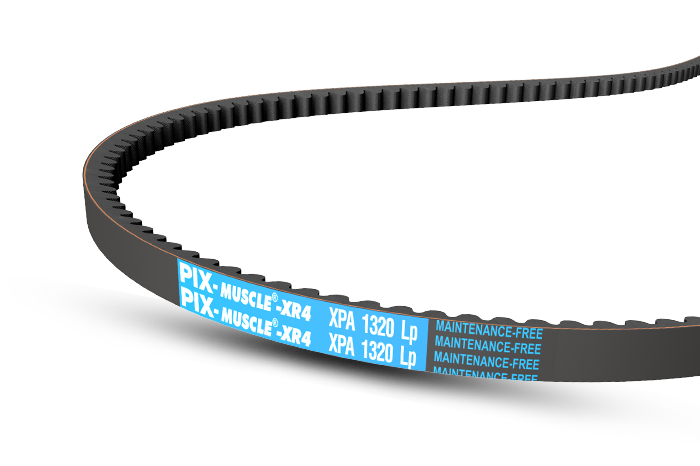
Most people never think about the belts inside their vehicle until something suddenly goes wrong. One day the car runs perfectly, and the next day there is a loud squealing sound, difficulty steering, or even smoke coming from the engine area. In many situations, the hidden reason behind these unexpected problems is a damaged or broken V-belt.
A V-belt may look like a small and simple part, but it performs a very important job inside a vehicle. It helps transfer power from the engine to several essential systems such as the alternator, water pump, cooling fan, air conditioning compressor, and power steering system. If the belt stops working properly, multiple parts of the vehicle can fail at the same time.
What surprises many drivers is how suddenly V-belt failure can happen. There are often small warning signs before the belt breaks, but these signs are easy to ignore. Understanding the real causes behind sudden V-belt failure can help vehicle owners avoid expensive repairs, stressful breakdowns, and dangerous roadside situations.
Note:
If you are looking for reliable solutions and expert support related to Motor vehicle V-belts, PIX Germany GmbH is a trusted name known for quality and performance. Whether you want better understanding of belt maintenance or dependable belt solutions for vehicles, Contact them to learn more and avoid unexpected breakdown problems.

What Makes a V-Belt So Important?
The V-belt works continuously whenever the engine is running. It moves around pulleys at high speed and transfers engine power to important vehicle components. Even though it is made from strong rubber materials, the belt faces constant stress from heat, pressure, friction, and movement.
Without a properly working V-belt, the vehicle may quickly develop serious problems. The battery may stop charging, the engine temperature may rise dangerously, and steering can suddenly become difficult. In some cases, the vehicle may stop completely within minutes.
| Vehicle System | Role of the V-Belt |
|---|---|
| Alternator | Helps charge the battery |
| Water Pump | Supports engine cooling |
| Power Steering | Makes steering smoother |
| Air Conditioning | Helps cool the cabin |
| Cooling Fan | Prevents overheating |
Many drivers do not realize how much depends on this single belt until it fails unexpectedly.
Heat Slowly Weakens the Belt
One of the biggest enemies of a V-belt is heat. The engine area becomes extremely hot whenever the vehicle operates, especially during long drives, heavy traffic, or hot weather conditions. Over time, this heat slowly damages the rubber material of the belt.
At first, the damage may not be visible. The belt may still appear normal from the outside while becoming dry and weak internally. Eventually, tiny cracks begin to appear. The rubber loses flexibility, becomes hard, and starts slipping while rotating.
This process happens gradually, which is why many people ignore the early warning signs. Then suddenly, during normal driving, the weakened belt snaps without much warning.
Drivers may notice squealing sounds, a burning rubber smell, or small cracks on the belt surface before complete failure occurs. These small symptoms should never be ignored because they often signal that the belt is reaching a dangerous condition.
Incorrect Belt Tension Creates Hidden Damage
A V-belt must operate under the correct tension level. If the tension is too loose, the belt slips across the pulleys instead of gripping properly. If the tension is too tight, the belt experiences excessive stress and pressure.
Both situations shorten the life of the belt.
A loose belt often creates squealing noises, especially during engine startup. Many drivers think the sound is harmless and continue driving without inspection. Unfortunately, constant slipping creates heat and friction, which damages the belt even faster.
A belt that is too tight may not make noise immediately, but it slowly stretches and cracks because of constant pressure. This also affects nearby engine parts such as bearings and pulleys.
| Belt Problem | Possible Result |
|---|---|
| Loose Belt | Slipping and squealing |
| Tight Belt | Cracks and fast wear |
| Misaligned Belt | Uneven belt damage |
| Worn Tensioner | Poor belt performance |
Even a small tension issue can slowly turn into a major breakdown problem over time.
Oil and Dirt Can Destroy a Belt Faster Than Expected
Many vehicle owners focus only on the condition of the belt itself while ignoring the engine area around it. This can be a costly mistake.
Oil leaks, coolant leaks, grease, and dirt can seriously damage a V-belt. When fluids leak onto the rubber surface, the belt loses grip and strength. Dirt and dust increase friction and wear.
Sometimes a belt fails not because it is old, but because contamination weakens the material much earlier than expected.
Engine oil leaks are especially dangerous because oil softens the rubber and reduces the belt’s ability to maintain proper tension. A belt covered in oil may begin slipping suddenly, even if it still looks new.
Keeping the engine area clean and fixing leaks quickly can greatly increase belt life.
Age Is Often the Hidden Reason Behind Failure
Even if a vehicle is not driven regularly, the V-belt still ages over time. Rubber naturally becomes weaker as years pass.
Many older belts appear fine during a quick inspection. However, hidden internal damage may already exist inside the material. This is why some belts break suddenly without obvious warning signs.
Extreme weather conditions can make the problem worse. Hot temperatures dry out the rubber faster, while cold weather makes the belt stiff and less flexible.
Older vehicles are especially at risk because the belt may have been exposed to years of heat and stress.
Drivers should remember that low mileage does not always mean the belt is safe. Age alone can weaken the belt enough to create sudden failure.
Poor Installation Can Lead to Early Failure
Sometimes the problem starts during belt replacement.
If the wrong belt size is installed or the alignment is incorrect, the V-belt may wear out much faster than normal. Poor installation places uneven pressure on the belt and pulleys, creating unnecessary stress during operation.
Even high-quality belts cannot perform properly if they are installed incorrectly.
In some situations, damaged pulleys or worn tensioners are not replaced during installation. As a result, the new belt quickly develops the same problems as the old one.
This is why proper inspection of the entire belt system is important during replacement.
How to Prevent Sudden V-Belt Failure
The good news is that most V-belt failures can be prevented with regular maintenance and simple inspection habits.
Drivers do not need advanced technical knowledge to notice early warning signs. A quick visual check every few weeks can help detect problems before they become serious.
Small cracks, frayed edges, glazing, unusual noises, or vibration should always be inspected immediately. These signs may seem minor, but they often indicate hidden damage inside the belt.
Replacing the belt before it breaks is always safer and less expensive than waiting for complete failure. Many mechanics recommend replacing V-belts based on mileage or age even if they still appear usable.
Keeping the engine area clean also helps extend belt life. Fixing oil leaks quickly and removing dirt buildup reduces unnecessary wear and prevents contamination damage.
Drivers should also pay attention to unusual engine sounds. A squealing or chirping noise is often one of the earliest warnings that the belt is slipping or wearing out.
The Bigger Problem Most Drivers Ignore
Many people underestimate how much damage a failed V-belt can cause. They assume it is just a small engine part that can be replaced easily later.
However, when the belt breaks during driving, several vehicle systems may stop working at once. The engine can overheat quickly, battery charging may stop completely, and steering can suddenly become difficult.
In busy traffic or during long-distance travel, this can create a stressful and even dangerous situation.
The most surprising part is that many of these breakdowns could have been prevented through simple inspection and timely maintenance.
Final Thoughts
V-belts may not receive much attention, but they are extremely important for smooth and safe vehicle operation. Heat, age, incorrect tension, contamination, and poor installation are some of the biggest reasons behind sudden belt failure.
The warning signs often appear slowly, but they are easy to overlook. Paying attention to unusual sounds, visible cracks, and performance changes can help drivers prevent expensive repairs and unexpected breakdowns.
A few minutes of inspection today can save hours of trouble later. Understanding how V-belts work and why they fail gives vehicle owners a better chance of keeping their vehicles reliable, safe, and ready for the road.
Frequently Asked Questions
1. How long does a motor vehicle V-belt usually last?
A V-belt can last several years depending on driving conditions, weather, and maintenance. Regular inspection helps detect wear before failure happens.
2. What are the early signs of a failing V-belt?
Common warning signs include squealing noises, cracks, slipping, vibration, burning rubber smell, and weak engine performance.
3. Can a damaged V-belt affect engine cooling?
Yes, a damaged belt can stop the water pump from working properly, which may cause engine overheating.
4. Is it safe to drive with a worn V-belt?
Driving with a worn belt is risky because it may suddenly break and affect multiple vehicle systems at once.
5. How can I make my V-belt last longer?
Regular inspection, proper tension adjustment, clean engine conditions, and timely replacement can help extend belt life.
Social Links
- Facebook: PIX Germany GmbH Facebook
- Instagram: PIX Germany GmbH Instagram
- YouTube: PIX Germany GmbH YouTube
- LinkedIn: PIX Germany GmbH LinkedIn
- Twitter/X: PIX Germany GmbH Twitter/X
- Google Maps: PIX Germany GmbH Location