Tag

event management

Browsing

Are you planning to have a product launch? It’s a great way to introduce new offerings from your company, build excitement, and make a lasting impression on your target audience. Whether you’re offering retail items, tech solutions, or other services, having a well-planned product launch can help drive sales and boost visibility.

A successful business often looks for opportunities for new launches and assesses its products and services. And with the help of a product launch, it’s easier to do both in a single event. However, the first thing you should ensure is to establish a reliable corporate event management team.

At the same time, in this article, we’ll discuss some tips for planning a successful product launch event in 2026.

1. Start with Clear Objectives

Before you get busy with the logistics part of the event, the first thing you should define is the objectives of the product launch. Besides, having a corporate event just because it’s common won’t help you achieve great results. So, if you want to do it right, ensure that you set clear objectives before you start the planning process.

With clear objectives, it’s easier to measure the results, so you can easily know whether the product launch is a success.

2. Know Your Target Audience

Another thing you should consider is your target audience. Since any event won’t succeed with the help of the audience, the planning process should also be based on their preferences, interests, and expectations. Besides, there can be a lot of differences depending on the type of audience there is, so you should know them well to plan the event thoroughly.

3. Choose the Right Venue

The venue also plays a vital role in making sure the product launch is going to be successful. When choosing the right venue, you should consider the target audience, brand, and whether the guests will be comfortable.

For instance, if the target audience is professionals, the ideal venue is an indoor conference hall or room, depending on the number.

4. Create a Memorable Theme

Another thing you should consider when planning a product launch is choosing a memorable theme. This should also reflect the brand personality and product identity. At the same time, these should be included in the lighting, consistent elements, giveaways, and presentation.

When it comes to organising a corporate event, there are many interesting and memorable themes to choose from. Of course, the final theme should still depend on the type of product you’re launching.

5. Build Anticipation with Marketing

Aside from planning the event, you also need to inform the audience about it. Besides, the product launch won’t be successful if there’s no one to appreciate it. So, as early as possible, you should start informing your target audience about the product’s launch to build anticipation.

In addition, you should also make announcements using mix channels, including social media, email, influencer partnerships, and press releases.

6. Plan Engaging Content

The product reveal is the most important part of your event, which is why the content should be engaging enough that the target audience won’t lose interest in it. In doing so, you should include videos, live demonstrations, and storytelling to show the benefits and best features of the product. In addition, you can collaborate with marketers and designers to improve the overall impact of your content.

7. Coordinate with Vendors and Partners

Corporate event management is also about coordinating with partners and vendors to ensure that you have catering, entertainment, decorations, and audio-visual setup. At the same time, ensure clear communication among everyone and confirm the details as early as possible to avoid last-minute changes.

Aside from vendors, you should also explore partnering with industry experts and niche influencers to boost your brand’s credibility. This is even more important if you’re targeting a new audience or launching a new brand.

8. Incorporate Technology

Nowadays, the use of technology isn’t just an option, but a must when it comes to product launches. So, unless your brand is specifically about not using technology, you should incorporate it in every step of the way.

Some of the most essential technological elements that you can use for a product launch include QR codes, event apps, online registration, social media, VR, and AR.

9. Prepare for the Unexpected

Even well-planned events may experience challenges along the way, which is why you should ensure that you have a backup plan, especially for the core elements of the event. Some of these include weather changes (for outdoor venues), technical problems, and last-minute cancellations from vendors and other businesses involved in the event.

10. Measure Success and Follow Up

Even after the product launch is over, and things seem perfect, you still need to measure success and have a follow-up. This can help you identify the elements that are perfect and can be included in future events, and change those that aren’t as effective as perceived. The follow-up is also necessary, so that you won’t overlook things that may only be visible from the audience’s perspective.

Final Thoughts

Attention to detail and careful planning are some of the most important things about a product launch. By considering the tips listed in this article, you can ensure that you’re ready for the event, including facing challenges along the way.

Conferences have become one of the most important tools for communication, networking, education, and business growth. Companies across different industries organize conferences to connect with clients, partners, investors, employees, and industry professionals. In Abu Dhabi, conferences play a major role in sectors such as technology, healthcare, finance, tourism, education, government, and energy.

Modern conferences are no longer simple meeting gatherings. Today’s audiences expect highly organized experiences that combine professionalism, technology, audience engagement, seamless logistics, and strong brand presentation. Because of these growing expectations, businesses increasingly invest in professional event services to ensure their conferences deliver value and leave lasting impressions.

Professional event management helps companies improve organization, reduce operational risks, enhance attendee experiences, and strengthen brand credibility. From planning and logistics to production and audience engagement, professional event teams handle every detail necessary for successful conference execution.

This article explores why companies invest in professional event services for conferences and how expert event management contributes to business success in Abu Dhabi.

Professional Event Services Improve Organization

Conference planning involves multiple moving parts that must work together smoothly. Organizing speakers, managing attendees, coordinating schedules, handling vendors, arranging technology, and controlling logistics require significant expertise and attention to detail.

Businesses working with a corporate events management company in abu dhabi often benefit from structured planning systems and experienced coordination teams that help ensure smooth event execution.

Professional event organizers manage:

  • Venue coordination
  • Registration systems
  • Speaker scheduling
  • Technical setup
  • Guest management
  • Vendor communication
  • Catering arrangements
  • Transportation planning
  • Event timelines
  • Emergency planning

Without professional support, conference management can quickly become overwhelming and lead to operational mistakes.

Conferences Reflect Brand Reputation

The quality of a conference directly influences how attendees perceive the organizing company.

Poorly managed conferences may create negative impressions, while professionally organized events improve brand credibility and trust.

Professional event services help businesses create:

  • Strong first impressions
  • Professional event environments
  • Consistent branding
  • Organized attendee experiences
  • High-quality presentations
  • Smooth event flow

A well-executed conference demonstrates professionalism, attention to detail, and commitment to excellence.

In competitive business markets like Abu Dhabi, brand perception can strongly influence client relationships and business opportunities.

Professional Event Teams Reduce Operational Stress

Managing conferences internally can place significant pressure on company staff.

Employees often already have regular responsibilities, making it difficult to manage event planning effectively without additional support.

Professional event management companies handle complex logistics and operational challenges, allowing businesses to focus on:

  • Business goals
  • Client interaction
  • Networking
  • Presentations
  • Strategic communication

Reducing internal stress also improves efficiency and helps organizations maintain productivity during conference preparation.

Event Technology Requires Professional Expertise

Modern conferences depend heavily on technology.

Businesses now use advanced systems for:

  • Registration and ticketing
  • Live streaming
  • Audience interaction
  • Presentation management
  • Hybrid participation
  • Real-time analytics
  • Event mobile applications
  • Virtual networking

Many companies choose events and exhibition companies in abu dhabi because of their expertise in managing advanced event technology and technical operations.

Professional technical support reduces the risk of:

  • Audio failures
  • Presentation disruptions
  • Connectivity issues
  • Streaming problems
  • Registration delays

Reliable technology significantly improves attendee experience and event professionalism.

Professional Event Services Improve Guest Experience

Attendee satisfaction is one of the most important measures of conference success.

Professional event planners focus heavily on creating smooth, engaging, and comfortable guest experiences.

Key guest experience factors include:

  • Fast registration processes
  • Comfortable seating arrangements
  • Clear event navigation
  • Professional hospitality
  • Effective scheduling
  • Quality catering
  • Interactive sessions
  • Networking opportunities

Positive attendee experiences increase engagement, strengthen brand reputation, and encourage future participation.

Conferences Require Strong Time Management

Conferences often involve multiple sessions, speakers, activities, and networking opportunities within limited timeframes.

Professional event teams use structured schedules and coordination systems to ensure:

  • Sessions start on time
  • Speakers remain organized
  • Breaks are properly managed
  • Technical transitions run smoothly
  • Attendees move efficiently between sessions

Strong time management improves the overall flow and professionalism of the event.

Professional Production Enhances Conference Quality

Conference production quality plays a major role in audience engagement and brand perception.

Professional production services include:

  • Stage design
  • Lighting systems
  • Audio management
  • LED screens
  • Presentation support
  • Visual branding
  • Live broadcasting

High-quality production creates more engaging environments while improving audience attention and participation.

Professionally produced conferences also generate stronger visual impact for media coverage and social media sharing.

Networking Opportunities Require Strategic Planning

One of the main purposes of conferences is networking.

Professional event planners design conference layouts and schedules to encourage meaningful interaction among attendees.

Networking strategies may include:

  • Dedicated networking lounges
  • Structured networking sessions
  • VIP meeting areas
  • Interactive discussion zones
  • Business matchmaking systems

Well-planned networking opportunities improve attendee satisfaction and increase the overall value of the conference.

Risk Management Is Essential for Large Conferences

Conferences involve operational risks that require careful planning.

Professional event teams are trained to manage:

  • Crowd control
  • Health and safety procedures
  • Emergency response planning
  • Technical backups
  • Security coordination
  • Vendor management
  • Last-minute schedule changes

Effective risk management helps prevent disruptions and protects both attendees and organizers.

Hybrid Conferences Are Increasing in Popularity

Hybrid conferences combine physical and virtual participation.

This format allows businesses to reach larger audiences while offering flexible attendance options.

Professional event services help companies manage:

  • Multi-camera live streaming
  • Virtual audience interaction
  • Remote speaker coordination
  • Online networking systems
  • Digital content delivery

Hybrid conferences have become especially important for international business communication and global audience engagement.

Conferences Support Business Growth

Companies invest in conferences because they support multiple business objectives, including:

  • Lead generation
  • Brand awareness
  • Client relationship building
  • Industry positioning
  • Product promotion
  • Employee development
  • Partnership opportunities

Professional event management helps maximize these business outcomes through strategic planning and audience engagement.

Professional Event Services Improve Sponsor Value

Sponsors play an important role in many conferences.

Professional event organizers help create attractive sponsorship opportunities through:

  • Branded installations
  • Exhibition spaces
  • Digital visibility
  • Networking opportunities
  • Audience engagement activities

Strong sponsor experiences improve revenue opportunities and strengthen long-term partnerships.

Conferences Require Strong Communication Management

Successful conferences depend on clear communication before, during, and after the event.

Professional event services help manage:

  • Attendee communication
  • Speaker coordination
  • Vendor updates
  • Schedule announcements
  • Registration support
  • Real-time event information

Clear communication improves organization and reduces confusion for participants.

Data Analytics Improve Future Conferences

Professional event services often include analytics and reporting tools that help companies measure conference performance.

Important event data may include:

  • Registration trends
  • Audience engagement levels
  • Session attendance
  • Networking activity
  • Sponsor visibility
  • Feedback surveys

This information helps businesses improve future conferences and make better strategic decisions.

Cultural Awareness Matters in Abu Dhabi Conferences

Abu Dhabi hosts highly diverse international audiences.

Professional event teams understand the importance of:

  • Cultural sensitivity
  • Multilingual communication
  • Regional business etiquette
  • Inclusive hospitality
  • Appropriate entertainment selection

Culturally aware event planning improves guest comfort and enhances professional reputation.

Sustainability Is Becoming a Priority

Many businesses are now prioritizing environmentally responsible conferences.

Professional event organizers help implement sustainable practices such as:

  • Digital registration systems
  • Paperless event materials
  • Sustainable catering
  • Waste reduction strategies
  • Energy-efficient production systems

Sustainable event planning improves corporate reputation and aligns with modern audience expectations.

Helpful Tips for Organizing Successful Conferences

Define Clear Objectives

Understand the goals of the conference before starting the planning process.

Invest in Professional Support

Experienced event teams improve organization, production quality, and attendee experience.

Focus on Audience Engagement

Interactive sessions and networking opportunities increase participation.

Use Reliable Technology

Strong technical systems reduce disruptions and improve professionalism.

Plan for Hybrid Participation

Hybrid options expand audience reach and improve accessibility.

Prioritize Communication

Clear communication keeps attendees informed and improves organization.

Evaluate Event Performance

Collect feedback and analyze data to improve future conferences.

Heading Ideas for Related Blogs

  • How Professional Event Management Improves Conference Success
  • Why Hybrid Conferences Are Shaping the Future of Business Events
  • The Importance of Networking at Corporate Conferences
  • How Event Technology Improves Audience Engagement
  • Best Strategies for Planning Large Conferences in Abu Dhabi
  • Why Conference Production Quality Matters
  • The Role of Sponsorships in Business Conferences
  • How Conferences Support Brand Growth and Visibility
  • Key Challenges in Conference Planning and How to Solve Them
  • Why Businesses Invest in Experiential Conference Design

FAQs

Why do companies invest in professional event services?

Professional event services improve organization, reduce operational stress, enhance attendee experience, and strengthen brand reputation.

What are the benefits of professional conference management?

Benefits include better logistics, stronger audience engagement, improved technology management, and smoother event execution.

Why is technology important in conferences?

Technology supports registration, live streaming, audience interaction, presentations, and hybrid participation.

What is a hybrid conference?

A hybrid conference combines physical attendance with virtual participation.

How do conferences help businesses grow?

Conferences support networking, lead generation, brand awareness, education, and partnership opportunities.

Why is production quality important in conferences?

Professional production improves audience engagement, visual impact, and overall event professionalism.

Why is attendee experience important for conference success?

Positive attendee experiences increase engagement, improve brand perception, and encourage future participation.

Final Words

Professional event services have become essential for companies organizing conferences in Abu Dhabi’s competitive business environment. Modern conferences require far more than booking a venue and inviting attendees. Successful events depend on strategic planning, seamless logistics, strong production quality, advanced technology, audience engagement, and professional coordination.

Businesses invest in professional event management because it improves efficiency, reduces operational risks, strengthens brand reputation, and creates valuable experiences for attendees. Well-organized conferences help companies build stronger relationships, expand industry influence, generate new business opportunities, and position themselves as leaders in their sectors.

As audience expectations continue to evolve, the demand for innovative, technology-driven, and professionally managed conferences will continue to grow. Companies that prioritize quality event experiences and invest in expert event services will be better positioned to achieve long-term business success and maintain a strong presence in Abu Dhabi’s dynamic corporate landscape.

The future of conferences will increasingly focus on engagement, personalization, hybrid participation, and immersive experiences — all of which require the expertise of professional event management teams.

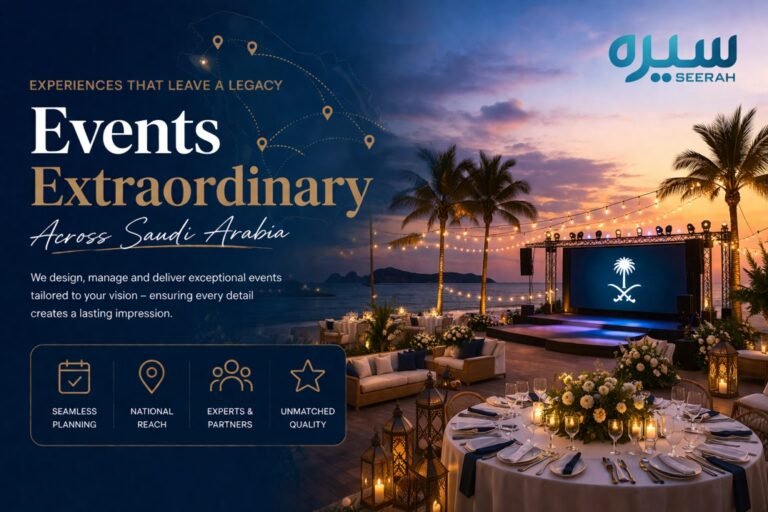
Planning an event sounds exciting—until you actually start doing it. From venue selection and logistics to guest management and branding, even a small mistake can ruin the entire experience. This is where professional Event Management becomes essential.

In Saudi Arabia, where events range from corporate conferences to luxury weddings and large-scale exhibitions, expectations are incredibly high. Businesses and individuals need flawless execution, cultural understanding, and modern technology to deliver memorable experiences.

That’s exactly what professional Event Management Services offer—a structured, stress-free approach to planning, organizing, and executing events with precision and creativity.
What is Event Management?

Event Management is the process of planning, organizing, and executing events such as corporate meetings, weddings, exhibitions, conferences, and social gatherings.

Key Components of Event Management:

  • Event planning and concept creation
  • Budget management
  • Venue selection and logistics
  • Vendor coordination
  • Marketing and promotion
  • On-site execution

In simple terms, it transforms an idea into a well-executed, memorable experience.

Why Event Management is Growing in Saudi Arabia

Saudi Arabia is undergoing rapid transformation under Vision 2030, making the events industry one of the fastest-growing sectors.

Key Growth Factors:

  • Increase in corporate events and international conferences
  • Expansion of entertainment and tourism sectors
  • Rise in luxury weddings and private celebrations
  • Government support for large-scale exhibitions and festivals

Cities like Riyadh, Jeddah, and Dammam are becoming major hubs for professional Event Management Services.

Types of Event Management Services

1. Corporate Event Management

Corporate events require precision, professionalism, and branding consistency.

Examples:

  • Conferences and seminars
  • Product launches
  • Business meetings
  • Networking events

Professional teams ensure smooth execution while maintaining your brand identity.

2. Wedding Event Management

Weddings in Saudi Arabia are grand and culturally significant. A professional planner handles everything from décor to guest coordination.

Services Include:

  • Venue decoration
  • Catering arrangements
  • Entertainment setup
  • Guest management

3. Exhibition & Trade Show Management

These events require strategic planning and marketing.

Key Elements:

  • Booth design
  • Visitor engagement strategies
  • Logistics and setup
  • Promotion and branding

4. Social Event Management

From birthdays to private parties, these events focus on creativity and personalization.

5. Government & Public Events

Large-scale events require strict compliance, security planning, and coordination with authorities.

Step-by-Step Event Management Process

Step 1: Define Objectives

Clearly understand the purpose of your event:

  • Brand awareness
  • Lead generation
  • Celebration

Step 2: Budget Planning

Create a realistic budget that includes:

  • Venue costs
  • Catering
  • Marketing
  • Logistics

Step 3: Venue Selection

Choose a location based on:

  • Audience size
  • Accessibility
  • Facilities

Step 4: Vendor Management

Coordinate with:

  • Caterers
  • Decorators
  • Audio-visual teams

Step 5: Marketing & Promotion

Use digital and offline channels:

  • Social media campaigns
  • Email marketing
  • Influencer collaborations

Step 6: Event Execution

Ensure smooth on-site coordination with a professional team.

Step 7: Post-Event Analysis

Measure success through:

  • Feedback
  • ROI analysis
  • Engagement metrics

Key Skills Required for Successful Event Management

A professional Event Management in Saudi Arabia team brings a mix of technical and creative skills.

Essential Skills:

  • Strong organizational abilities
  • Communication and negotiation skills
  • Problem-solving mindset
  • Time management
  • Attention to detail

Latest Event Management Trends in Saudi Arabia

1. Hybrid Events

Combination of physical and virtual experiences.

2. Sustainable Events

Eco-friendly practices like:

  • Digital invitations
  • Waste reduction

3. Technology Integration

  • Event apps
  • Live streaming
  • AI-based audience engagement

4. Experiential Marketing

Creating immersive experiences for attendees.

Benefits of Hiring Professional Event Management Services

Hiring experts can make a huge difference.

Top Benefits:

  • Saves time and effort
  • Access to reliable vendors
  • Cost-effective planning
  • Professional execution
  • Stress-free experience

Common Challenges in Event Management

Even experienced planners face challenges.

Major Challenges:

  • Budget constraints
  • Last-minute changes
  • Vendor issues
  • Technical failures

Solution:

Hiring experienced professionals ensures quick problem resolution.

Event Management Cost in Saudi Arabia

Event TypeEstimated Cost Range
Corporate EventsSAR 10,000 – SAR 100,000+
WeddingsSAR 50,000 – SAR 500,000+
ExhibitionsSAR 20,000 – SAR 200,000+

Costs vary depending on scale, location, and customization.

Tips for Choosing the Right Event Management Company

1. Check Experience

Look for companies with a strong portfolio.

2. Review Client Feedback

Testimonials reveal service quality.

3. Evaluate Creativity

Innovative ideas make your event stand out.

4. Assess Communication

Clear communication ensures smooth execution.

How Event Management Supports Business Growth

Professional Event Management Services play a vital role in business success.

Business Benefits:

  • Brand visibility
  • Customer engagement
  • Lead generation
  • Networking opportunities

Image Suggestions (SEO Optimized)

  1. Image: Corporate Event Setup
    ALT: “Event Management corporate event Saudi Arabia”
  2. Image: Wedding Decoration
    ALT: “Luxury wedding event management Saudi Arabia”
  3. Image: Exhibition Booth
    ALT: “Exhibition event management services Saudi Arabia”

Conclusion

In today’s competitive and fast-growing market, Event Management is no longer optional—it’s essential. Whether you’re organizing a corporate conference, wedding, or exhibition, professional Event Management Services ensure your event is seamless, impactful, and memorable.

Saudi Arabia’s evolving event landscape offers endless opportunities, but success depends on expertise, planning, and execution. Investing in the right event management partner can turn your vision into reality—without stress.

FAQs (Schema-Ready)

1. What is Event Management?

Event Management is the process of planning, organizing, and executing events such as corporate meetings, weddings, and exhibitions.

2. Why hire Event Management Services in Saudi Arabia?

Professional services ensure smooth execution, save time, and deliver high-quality results with minimal stress.

3. How much does Event Management cost in Saudi Arabia?

Costs vary from SAR 10,000 to SAR 500,000 depending on event type and scale.

4. What types of events do Event Management companies handle?

They manage corporate events, weddings, exhibitions, social events, and public events.

5. How early should I plan an event?

Ideally, 3–6 months in advance for small events and 6–12 months for large events.

6. What are the latest trends in Event Management?

Hybrid events, sustainability, and technology integration are leading trends.

7. How do I choose the best Event Management company?

Check experience, portfolio, client reviews, and communication quality.

Efficient planning is the foundation of any successful event, ensuring that every aspect, from guest comfort to logistical coordination, is addressed. Including solutions such as luxury portable bathrooms Fresno CA adds convenience and professionalism to events of any size. Identifying the required facilities, predicting potential challenges, and organizing resources in advance reduces stress and creates a seamless experience for attendees. Planning is not only about logistics but also about creating an environment that prioritizes safety, accessibility, and enjoyment, making every decision impactful for the overall event outcome.

Assessing Event Requirements

Accurate assessment of an event’s requirements determines the success of the facility setup.

Key factors for consideration include:

  • Event size and expected guest count
  • Venue type and accessibility
  • Specific facility needs such as seating, staging, lighting, and sanitation
  • Duration and timing considerations

Evaluating these factors early provides clarity on space allocation, resource needs, and the types of equipment and services required. It also helps in identifying challenges such as limited parking, uneven terrain, or restricted access points, which can be resolved during the planning stage to prevent last-minute complications.

Choosing Suitable Event Facilities

Selecting the right facilities aligns with the assessed requirements and ensures functionality during the event. Options include tents, stages, chairs, tables, audio-visual equipment, and sanitation units. Choosing portable restroom solutions that match guest expectations contributes to comfort and convenience, while considering durability and ease of maintenance reduces operational issues. Facilities must be compatible with the venue layout and the planned guest flow. Availability of power sources, weather protection, and accessibility should be verified to ensure every facility operates without interruption. Coordination with vendors offering reliable services ensures timely delivery and setup, maintaining high standards throughout the event.

Planning Layout and Placement

Designing an effective layout is crucial for smooth movement and accessibility across the event space.

Important considerations include:

  • Placement of entrances and exits for efficient crowd flow
  • Positioning of restrooms, food stations, and emergency services
  • Accessibility arrangements for guests with mobility challenges
  • Space allocation for performers, vendors, and staff

Proper placement ensures all facilities are easily accessible, avoids congestion, and enhances overall safety. A well-thought layout integrates pathways, activity zones, and relaxation areas, allowing guests to navigate freely and comfortably. Mapping the layout digitally or using a scaled model helps visualize potential problem areas and provides a reference for staff during setup.

Coordinating Vendors and Equipment

Vendor coordination is essential for timely and accurate facility installation. Confirming schedules for deliveries, setup, and dismantling prevents delays. Communication with suppliers ensures all rented equipment, including seating, stages, and portable restroom units, meets specifications and arrives on schedule. Assigning a point of contact for each vendor maintains accountability and reduces the chance of miscommunication. Monitoring the setup process on-site allows quick adjustments, prevents overlaps between teams, and ensures compliance with the layout plan. Having backup vendors or replacement equipment ready addresses unforeseen issues and maintains the event schedule.

Safety and Compliance Measures

Ensuring safety and compliance protects guests, staff, and the event organizer from risks and legal complications. Adequate planning addresses fire safety, sanitation standards, and emergency response protocols. Obtaining necessary permits, arranging inspections, and confirming insurance coverage provides legal compliance and peace of mind. Safety considerations include clear signage, emergency exits, first aid stations, and staff trained to handle contingencies. Regular checks during setup ensure all equipment functions correctly and adheres to safety guidelines. Proactive planning mitigates hazards and reassures attendees, contributing to a professional and reliable event environment.

Testing and Rehearsals

Conducting dry runs or rehearsals ensures that every facility and setup element operates smoothly. Testing equipment, verifying lighting and sound systems, checking restroom functionality, and reviewing accessibility paths identify potential issues. Staff can rehearse their roles, understand responsibilities, and learn to respond to emergencies or guest inquiries efficiently. Rehearsals provide an opportunity to fine-tune timing, layout adjustments, and coordination between teams. Ensuring all components function as intended reduces stress during the actual event and allows last-minute improvements that enhance overall operational efficiency.

Final Setup and Monitoring

Finalizing the setup requires careful execution of all planned arrangements, confirming readiness across all facilities. Staff should check seating arrangements, verify lighting and sound systems, and inspect sanitation units for cleanliness and accessibility. Continuous monitoring throughout the event ensures facilities remain functional and any emerging issues are addressed promptly. Assigning team members to specific zones, including restrooms, food areas, and activity spaces, ensures guest support is immediate and effective. Efficient monitoring creates a seamless experience, reflecting professionalism and attention to detail that guests will notice and appreciate.

Conclusion

Strategic planning steps ensure smooth setup of event facilities, covering assessment, selection, layout, coordination, safety, testing, and monitoring. Each step contributes to guest comfort, operational efficiency, and overall event success. Meticulous preparation, professional facility management, and attention to detail reduce risks, streamline operations, and leave a positive impression on attendees, reinforcing the value of well-organized events.


FAQs

What is the first step in planning event facilities?
The first step involves assessing the event requirements, including guest count, venue type, and specific facility needs, to ensure accurate resource allocation.

How can portable restrooms improve guest experience?
Portable restrooms provide convenience, accessibility, and hygiene for guests, making them a vital part of facility planning for events of any size.

Why is vendor coordination crucial for smooth setup?
Coordinating vendors ensures timely delivery, proper installation, and functioning of all equipment, reducing delays and operational disruptions.

How does testing and rehearsal benefit event execution?
Rehearsals allow staff to practice roles, check equipment functionality, and identify potential problems, enabling adjustments before the event starts.