Author

aliana

Browsing

Nowadays, it’s common for companies to host purpose-driven events to give back to the community and create meaningful impact. At the same time, success goes beyond profit, and these events are a powerful way to strengthen the brand’s reputation and align corporate goals with social good.

Since CSR, or Corporate Social Responsibility, is evolving, most companies are making more similar investments, despite the many challenges they face. Besides, many employees admire the companies that often host purpose-driven events.

In this article, we’ll dive deeper into understanding more about hosting purpose-driven events as a part of Corporate Social Responsibility.

What Are Purpose-Driven Events?

Purpose-driven events are different from other corporate events in the sense that the main goal is based on supporting environmental, social, and community initiatives. Some of the most common types of purpose-driven events include fundraising activities for charities, awareness campaigns, volunteering, and sustainability seminars.

The more your company hosts these events, the more people can see your level of commitment to CSR. Aside from feeling good about these activities, since you’re able to give back, they can also help your company in resolving certain challenges, such as attracting new talent.

Why Corporate Social Responsibility-Focused Events Matter

1. Strengthens Brand Reputation

Nowadays, consumers are becoming more interested in companies showing their commitment towards CSR. And hosting regular purpose-driven events is a great way to show how you value life and others. At the same time, you’re building the trust of your stakeholders.

However, when hosting purpose-driven events, it’s essential to make sure that everything goes well. In doing so, you can hire corporate event planners every now and then to lessen the possibility of encountering challenges along the way. So, aside from being able to set and plan the event, it’s also important to execute it the right way.

2. Boosts Employee Engagement

One of the things that employees appreciate is when they know that their work has purpose. By simply hosting purpose-driven events now and then, they can feel that all their hard work is compensated not just with money, but also with the feeling of belonging to something that’s committed to social responsibility.

At the same time, employees tend to be more loyal, especially when their values align with the projects and activities of the company.

3. Creates Lasting Impact

Purpose-driven events often leave a lasting impact compared to traditional corporate events. Whether it’s about supporting your chosen charity or foundation, building awareness, or being there for the community, these ways of giving back are easily remembered by everyone.

At the same time, taking initiatives also influences other companies to do the same. So, it’s not just for the benefit of the company, but also for the success of the whole community.

For instance, if one of your purpose-driven events includes encouraging or making people aware of the new ways to support sustainability, it can easily reflect the values of your company and its commitment to giving back.

4. Attracts Like-Minded Stakeholders

When your company supports meaningful causes, it’s easier to find other stakeholders who support the same thing. With this, it’s easier to work together, especially since you all think of the same thing whenever you plan for the next steps for the company.

Purpose-Driven Events

Key Elements of a Successful Purpose-Driven Event

1. Define a Clear Purpose

When planning for a purpose-driven event, the first step you should take is to define a clear purpose. And when doing so, ensure that it aligns with what the company believe in, and don’t forget to consider your audience.

Having a clear purpose allows you to focus and set your targets that align with it.

2. Choose the Right Format

Another thing that can significantly help you achieve a successful, purpose-driven event is choosing the right format. As you know, there’s the right event type depending on the goal. For instance, if you want to gain engagement with the local community, having a volunteering event can help you understand more about their cause.

3. Collaborate with Relevant Organisations

No matter what your way of giving back is, you can always find a relevant organisation that’s working for the same cause. And if you collaborate with these organisations, it’s easier to get recognised as a company that truly supports the same advocacy.

4. Engage Participants Meaningfully

Being actively involved in activities, such as workshops, hands-on volunteering, and interactive sessions, can significantly deepen the connection between the community and other stakeholders. Besides, when people attend events with a cause, it’s easier to gain participation, especially if they know it’s genuine.

Purpose-Driven Events

5. Measure and Share Impact

It’s great to be a part of something that gives back to the community. However, it’s also essential to measure and share the impact of the event with others. This allows you to inform others about the benefits these types of events can provide and demonstrates accountability.

Final Thoughts

Organising purpose-driven events isn’t just a trend. It’s a powerful way to combine social responsibility into the corporate world. By being a part of such activities, you can inspire others, and let the world know about the good things your company are supporting.

ABOUT THE AUTHOR

Aliana Baraquio is a content writer for Pink Caviar Events Sydney, a full-service event management and decorative hire company located in Sydney. When she’s not typing out blog posts, you can find her watching anime series or baking cupcakes.

Did you know that there are various levels of arborists? Although all arborists are knowledgeable when it comes to trees, there’s the Australian Qualifications Framework (AQF) wherein levels 3 and 5 are the most common. Understanding the differences in the levels of arborists can help you determine who you hire for your tree-related concerns.

Basically, the AQF Level 3 Arborist handles the pruning, maintenance, and tree removal, while the AQF Level 5 Arborist provide advanced assessments, management plans, and reports.

In this article, we’ll dive deeply into the differences between the AQF Level 3 Arborist and the AQF Level 5 Arborist.

What Is an AQF Level 3 Arborist?

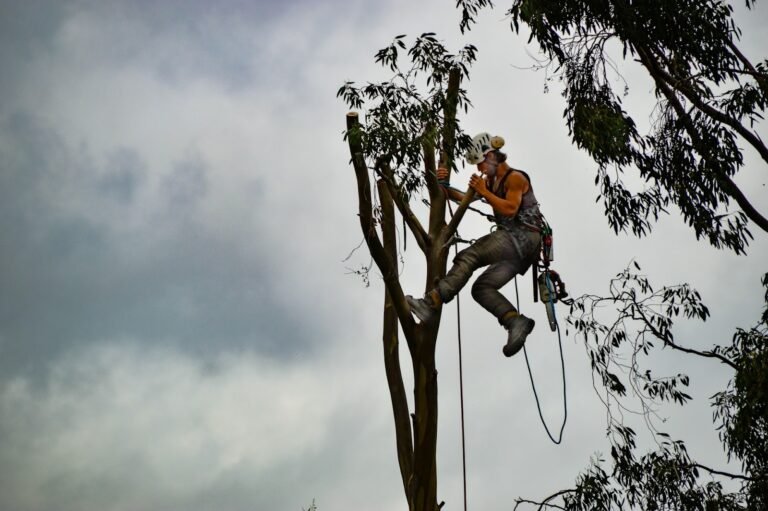
The AQF Level 3 Arborist is trained for tree maintenance and practical tree care. In addition, they’re also known as the arborists who are qualified to climb. They’re also knowledgeable about species identification, tree biology, and health assessment.

At the same time, they’re also skilled in diagnosing common tree diseases and practising safety standards, so you don’t have to worry about the process since they can handle it well. They know about the theoretical and practical stuff about trees, so they can guarantee that they can keep the trees healthy.

Key Skills and Responsibilities:

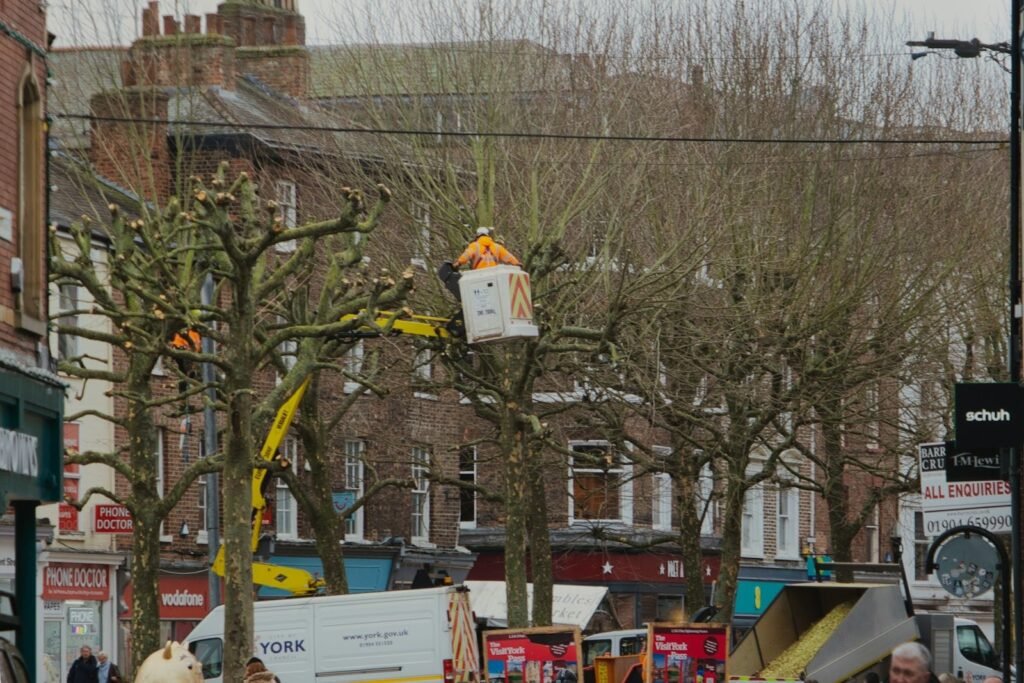
As mentioned, an AQF Level 3 Arborist has enough knowledge about trees and their proper maintenance. Specifically, their skills and responsibilities involve trimming, pruning, tree removal, stump grinding, chipping, and planting and transplanting of trees.

And since they can do a lot of tree-related skills, they also work at heights using the proper equipment, like harnesses and ropes. So, aside from keeping the trees in good condition, they’re also safe from accidents.

When to Hire a Level 3 Arborist:

Whether you just moved in or have been living in your property for a while, you can hire an AQF Level 3 Arborist when the tree branches have overgrown, removing or replanting hazardous trees, or just for regular maintenance.

Meanwhile, when looking for the right AQF Level 3 Arborist, ensure that they have the proper certification, tools and equipment, and are easy to talk to.

Arborists

What Is an AQF Level 5 Arborist?

An AQF Level 5 Arborist specialises in advanced theoretical knowledge about tree risk assessment, biology, and management. Compared to the Level 3 arborist, an AQF Level 5 Arborist inspects, reports, and conducts professional consultation rather than working in the field.

So, if you’re working on a land that has a lot of trees, you can start by consulting with an AQF Level 5 Arborist for tree preservation and management.

Key Skills and Responsibilities:

Known for being the consulting arborist, an AQF Level 5 Arborist specialises in arboriculture. Specifically, they know about risk management, tree health assessment, and consultancy. When they conduct an extensive tree risk assessment, it usually comes with pest and disease diagnosis, reports for developers and local councils, and creating and recommending a tree protection plan.

In addition, they also advise their clients to select the right species based on a specific situation and how to handle them in the long term.

When to Hire a Level 5 Arborist:

You should work with an AQF Level 5 Arborist if you need formal documentation, expert advice, and legal reports. For instance, if you’re seeking the approval of the local council for pruning or removing a tree for your construction site, hiring an AQF Level 5 Arborist is the best option.

Since they have advanced knowledge about arboriculture, they can provide the best solutions for high-stakes projects and complicated situations.

Arborists

Level 3 and Level 5 Arborists Often Work Together

Since both AQF Level 5 and Level 3 Arborists have different skills and responsibilities, they often work together on projects. As mentioned, the level 3 does the hands-on work, such as tree removal, pruning, and general maintenance, while the level 5 conducts inspections, provides expert recommendations, and assesses tree health and risks.

Which Arborist Should You Hire?

If your concerns include pruning, tree removal, maintenance, or on-site tree work, consult with an AQF Level 3 Arborist. On the other hand, if you need tree health and risk assessment, a report for council and developers, or an assessment for the construction site, don’t hesitate to consult with an AQF Level 5 Arborist.

However, when in doubt, you should first consult with an AQF Level 5 Arborist since they’re in charge of the assessments and consultations. After that, you can ask them if you should hire an AQF Level 3 Arborist for the remainder of the project.

Final Thoughts

Choosing the right level of an arborist to hire is essential, especially since it can save you time and money, and you can immediately get the results you need. Whether you need counselling approval or tree pruning and removal, you should first be aware of the differences between an AQF Level 3 and Level 5 Arborist.

TradingView is a popular charting platform that also features a global trading community where strategies, ideas, and analyses are shared constantly. As a part of the community, getting featured on TradingView’s homepage can significantly help you connect with other traders and boost your credibility. However, getting featured on TradingView’s Ideas can be a bit hard to achieve, especially if you’re not yet a pro trader.

So, before you can be featured on Ideas, you should first try to post some of your thoughts or interact with other traders by commenting on their ideas and reacting to their comments about yours.

Meanwhile, here are some tips for publishing ideas in TradingView that are worth featuring.

1. Choose a Relevant Topic

One of the most important factors that can help you get featured on TradingView Ideas is to choose a timely and relevant topic. You can try focusing on gold, Bitcoin, or NASDAQ, and share your analysis of the markets.

In addition, you can always check out the section on the editors’ picks to spot the ideal models, charts, and trending topics, so that you can think of other options for your topic. When deciding on a topic, make sure that it’s rich in keywords, clear, and also interesting for your fellow traders.

2. Present a Clear and Logical Analysis

Even if you’re using TradingView, having a well-designed chart isn’t enough. You should also have a clear and good reasoning about the topic you choose, so that your idea will stand out.

When presenting a clear idea, you should first have a flow and structure, so start by stating the background, which is a brief overview of what you’re planning to discuss. Next is the plan or the body of your idea, which may include the indicators, patterns, and zones. Lastly, set clear expectations about your scenario or trade outlook.

3. Use Informative Charts

Having a visual presentation for your idea plays a big role if you’re aiming to be a part of the editors’ pick and be featured on the home page. Usually, the editors choose an idea that is consistent, clean, and easy to read. At the same time, limit your setup to a maximum of three key indicators, so that it’s easier to label them clearly, and use colours that are uniform throughout the chart.

TradingView

4. Add Educational Value

Most of the time, traders are browsing for ideas and tips to improve their trading experience. This is why adding educational content is an essential part of an idea you’re going to publish. So, instead of just stating what you do, you should also explain your reasoning, share lessons from your past trades, and highlight mistakes that you recommend others to avoid.

In some cases, your idea might not be an ideal one, so it’s best if you can add some updates and provide some tips so that you can authentically inspire others.

5. Craft a Catchy but Honest Title

Although the title can be one of the things you can decide later on, having a catchy title can also add some points as to being a part of the feature ideas. However, even if you’re aiming to have a catchy title, don’t make it so complicated that traders might think that it’s clickbait.

So, aside from a catchy phrase, you should still state the technical terms or specific markets that the idea is about. In addition, if you’re planning to encourage others to try a strategy, don’t make false promises, especially since trading is different for each individual.

6. Engage With the Community

TradingView is known for its community-based feature, where traders can communicate or engage. So, whenever you post an idea, ensure to reply to each comment that you see under it. In addition, don’t forget to thank them for their feedback, and explain your ideas if there are some who don’t get it at first.

At the same time, if you find other ideas to be interesting, you should also interact with or comment on their posts. This can help you identify the traders you’re interested in following and learn from them.

TradingView

7. Maintain Consistency and Quality

Once your idea gets featured on TradingView, this is the right time to ensure that your ideas are consistent and credible. If you continue this momentum, you can also land many opportunities as a trader. For instance, you can collaborate with other professional trades, become a speaker, or gain more followers that you can inspire as a trader.

Final Thoughts

If you’re aiming to get featured on TradingView, you’ll need a lot more than just luck. You should also know everything about trading, markets, and have solid analytical thinking about how things work. Although it might not happen soon, you can still achieve it by improving your knowledge and experience in trading.