
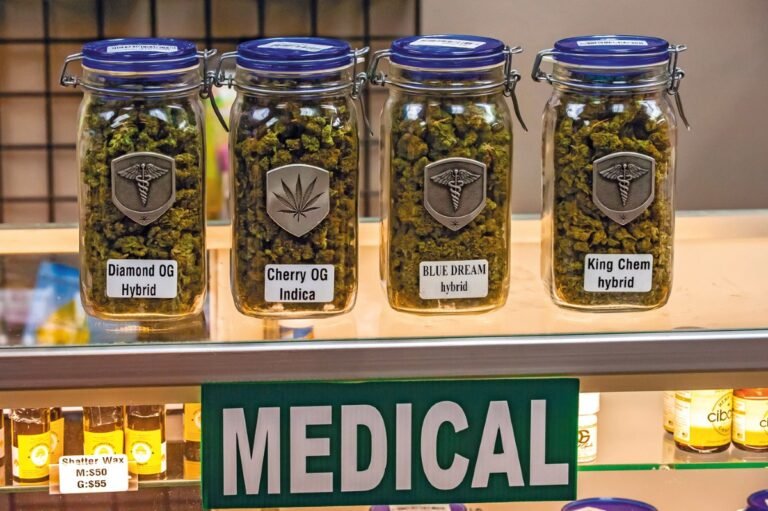
Medical cannabis has come a long way from the margins. More than 38 states in the United States now allow patients to utilize medical marijuana in some capacity and there are more options for patients to choose from than ever before. The foremost of those: where to obtain their drugs. More and more, patients are cutting out the middleman and visiting a medical weed dispensary for their cannabis treatment. But why? It’s more than just convenience, it’s about safety, trust, expertise, and results.
What Sets a Medical Weed Dispensary Apart?
But not all cannabis stores are equal. While a general purpose cannabis retailer might have a wide selection of products that can be used for recreational and casual purposes, a medical weed dispensary has a different aim: to meet the needs of patients.
Below are some of the differences between a medical dispensary and a regular cannabis shop:
State Licensed for patient care: Medical dispensaries are regulated in a stricter fashion to ensure that the vulnerable populations are protected.
Trained staff (budtenders with medical knowledge): Employees at medical dispensaries often receive specialized training in pharmacology, dosing, and patient interaction.
Verified product sourcing: Product tested, tracked and documented to medical grade.
Patient privacy protections: Medical dispensaries adhere to HIPAA-like protocols in order to safeguard sensitive health information.
Physician collaboration: Many also collaborate with physicians and care teams to ensure that a patient’s cannabis plan is consistent with their overall care plan.
The Trust Factor — the reason patients return.
In the world of health care, trust is money. Those who are suffering from chronic pain, anxiety, epilepsy, PTSD, or cancer-related symptoms must be assured with the products they take or the professionals that help them.
Consistency and transparency are key to building that trust in a well-run medical weed dispensary. A 2022 study published in the Journal of Studies on Alcohol and Drugs found that patients who bought their cannabis from dedicated medical dispensaries were more satisfied with the quality of the cannabis product and the guidance of the dispensary staff than those who purchased from general cannabis retailers.
One-on-One Consultations Can Make a Difference
The one of the most valued aspects of a medical dispensary is really the one-on-one consultation. Medical dispensaries have a lot more to offer than a regular cannabis shop where people can wander the shelves and not have much help.
- Intake assessments which consider a patient’s medical history, current medication, and therapeutic goals.
- Advice for using specific varieties, also known as strains, and how they can be adapted to specific needs (e.g., high CBD varieties for seizure disorders, indica-dominant varieties for sleep disorders).
- Safest dosing regimens to maximize therapeutic effect and minimize risk.
- Revaluations to modify recommendations as a patient’s needs change.
You can’t find this kind of personal service at a run-of-the-mill weed shop.
The quality and safety of the product that you can depend on.
A medical patient doesn’t want to risk quality. Contaminants, inaccuracies in potency information, or variations in formulation may cause severe health effects, particularly in people with weakened immune systems or those taking extensive medication.
A good medical marijuana dispensary reduces these risks by:
Third-party lab testing: Every product undergoes potency, pesticide, heavy metals and microbial testing before hitting the shelf.
Seed-to-sale tracking: All products are traceable from cultivation to the point of sale.
Repeatable dosing with standardized forms: Flower alone provides no options for repeatable and precise dosing, as tinctures, capsules, and transdermal patches do.
Clear labelling: Cannabinoid profiles (THC, CBD, CBN, CBG) and terpene content clearly shown for informed choices.
While some of these protections are available at recreational cannabis stores, they are not necessarily mandated by law to be as transparent as medical stores about product quality.
Knowledgeable Staff in Cannabis Care
Inquire with any patient who has visited a medical weed dispensary on what worked best for them and the response will almost invariably be the same – the people.
A qualified medical budtender is a combination of pharmacist, wellness coach and patient advocate. They know about the entourage effect (cannabinoids and terpenes working together) and can connect with them on a science level and translate it to a product that they will want to recommend.
Great Dispensary Staff can help patients to understand
- When it comes to extracting from the cannabis plant, there are three main types of product: full-spectrum, broad-spectrum, and isolate.
- The impact of different ways of consuming the drug: vaping, edibles, sublingual tinctures, topicals, etc., on onset time and length of time it is in the body.
- The interactions between cannabis and other drugs, such as blood thinners or SSRI’s.
- Going low and slow: a key concept for new medical patients.
Accessibility, Discretion and Patient Experience
A visit to a medical cannabis store shouldn’t be like shopping, but more like a health care visit. Top dispensaries are putting a lot of money into the patient experience:
- Pupil consultation rooms for confidential discussions.
- The ability to pre-order online and intake via telehealth to minimize wait times.
- Home delivery if mobility is difficult or if they are tired or fatigued.
- Hospital personnel who speak multiple languages to cater to the needs of different patient populations.
- Sliding scale charges or help for the low-income patient.
These are features which indicate a patient-first approach which is distinct from recreational retailers of medical dispensaries.
Cost, Insurance and Financial Considerations
Unfortunately, insurance doesn’t usually cover the use of medical cannabis in the U.S., which can be a major hassle for many patients. But a medical weed dispensary typically offers monetary benefits that more than make up for this cost:
Medical cannabis exemptions: Some states even have a reduction in the price of medical cannabis as it is exempt from recreational cannabis taxes.
Loyalty programs: Some dispensaries may offer patients discounts on subsequent visits if they sign up for a loyalty program.
Increased purchase limits: Medical cardholders may be able to purchase more at a time, which will mean fewer trips.
These savings can add up quickly in the case of patients with chronic diseases.
Conclusion
The distinction between a regular cannabis shop and a medical cannabis dispensary isn’t simply just cosmetic, it’s medical. By opting for a medical dispensary, patients benefit from knowledgeable counsellors, trusted products, individual attention, and a healthcare setting, all focused on their well-being.
The distinction between recreational and medical cannabis is only growing more apparent as the cannabis industry evolves. For those that use cannabis for therapeutic purposes, selecting a licensed medical weed dispensary isn’t a personal choice, it’s a healthcare decision.
From chronic pain to mental health issues, there’s a cannabis dispensary that can make a difference in your life. Ask the right questions, do your research and don’t settle for the standard of care you don’t deserve.