
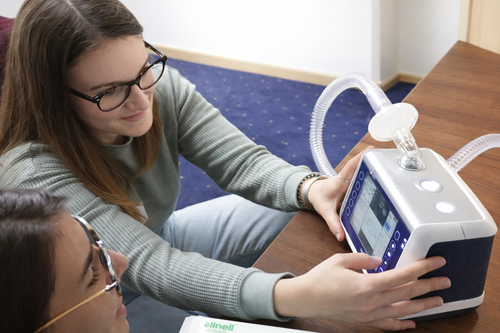
Caring for a loved one is a journey filled with emotion responsibility and learning. Many people step into this role without any prior experience. They want to do their best but often feel unsure about how to provide the right kind of support. This is where Carer and Family Training and Education becomes a guiding light helping families feel more confident and capable in their caregiving role.
Carer and Family Training and Education is designed to make caregiving easier to understand. It focuses on real life situations and practical skills that carers can use every day. Instead of feeling overwhelmed by responsibilities carers begin to feel more in control. This sense of control can bring comfort not only to the carer but also to the person receiving care.
One of the first things carers learn is how to manage daily tasks safely. Helping someone move from one place to another assisting with personal care or managing medications can be challenging without proper knowledge. Training provides clear steps and simple techniques that reduce the risk of injury. This makes daily routines smoother and safer for everyone involved.
Another important benefit of Carer and Family Training and Education is reducing stress. Caregiving can be physically demanding and emotionally draining. Without support carers may feel exhausted or even burnt out. Training programs often include guidance on how to manage stress and maintain personal wellbeing. This helps carers stay strong and continue their role without feeling overwhelmed.
Communication is a key part of caregiving that is often overlooked. Some individuals may have difficulty expressing their needs due to health conditions or age. Carer and Family Training and Education teaches carers how to listen carefully and respond with patience. It also helps them understand non verbal communication which can be just as important. This creates a deeper connection and builds trust between the carer and the loved one.
Families often work together when caring for someone but without proper coordination misunderstandings can happen. Training helps bring clarity by defining roles and responsibilities. When everyone knows what they need to do it reduces confusion and creates a more supportive environment. Teamwork becomes stronger and the caregiving process becomes more organized.
Encouraging independence is another valuable lesson. It is natural to want to do everything for someone you care about but allowing them to do what they can on their own is important. It helps maintain their confidence and dignity. Carer and Family Training and Education shows how to support independence while still providing the help that is needed.
Confidence is one of the biggest outcomes of proper training. When carers understand what they are doing they feel more secure in their role. This confidence reduces fear and hesitation. It allows carers to focus on providing comfort and care instead of worrying about making mistakes.
Modern caregiving also involves the use of simple tools and technology. These can include reminder systems monitoring devices or basic equipment that makes daily tasks easier. Training helps carers learn how to use these tools effectively. This can save time and make caregiving more efficient.
Cultural values and personal preferences play a big role in caregiving. Every family is different and what works for one may not work for another. Carer and Family Training and Education respects these differences and encourages carers to provide support in a way that feels natural and respectful. This creates a more comfortable environment for the person receiving care.
Another important aspect is emotional support. Caregiving is not just about physical tasks it is also about being there emotionally. Training helps carers understand how to provide comfort and reassurance. It also teaches them how to handle difficult emotions such as frustration or sadness in a healthy way.
Carer and Family Training and Education also helps build a sense of community. Many training programs bring carers together allowing them to share their experiences. Listening to others who are going through similar situations can be comforting. It reminds carers that they are not alone and that support is always available.
Financial awareness can also be part of caregiving education. Caring for someone can involve extra expenses and it is important to plan for them. Training can provide information about available resources and support options. This knowledge can reduce financial stress and help families manage their situation more effectively.
The benefits of training extend beyond the carer and the person receiving care. It improves the overall atmosphere within the family. When caregiving is organized and less stressful relationships become stronger. There is more understanding and less tension which creates a positive home environment.
Children in caregiving families can also benefit. When adults are more confident and less stressed children experience a more stable and supportive environment. This shows how Carer and Family Training and Education can have a positive impact on the entire household.
Flexibility is another reason why training is accessible to many people. Programs are often designed to fit around busy schedules. Whether through online learning or in person sessions carers can find options that suit their needs. This makes it easier to gain knowledge without adding extra pressure.
Caregiving is not something that stays the same over time. Needs can change as health conditions evolve. Ongoing Carer and Family Training and Education helps carers stay updated and prepared for these changes. This ensures that they can continue providing the best possible care.
Some people may feel unsure about seeking training because they think they should already know how to care for a loved one. In reality caregiving is a skill that develops over time. Learning is a natural part of the process and seeking help shows commitment and care.
The journey of caregiving is filled with both challenges and meaningful moments. Having the right support through Carer and Family Training and Education makes this journey easier to navigate. It provides guidance reassurance and practical tools that help carers do their best.
In the end the goal is simple. It is about improving the quality of life for both the carer and the person receiving care. When carers feel supported they can provide better care. This leads to greater comfort dignity and happiness for their loved ones.
Choosing Carer and Family Training and Education is a step toward confidence understanding and better care. It helps families face challenges with strength and compassion. With the right knowledge and support caregiving becomes not just a responsibility but a meaningful and fulfilling experience.