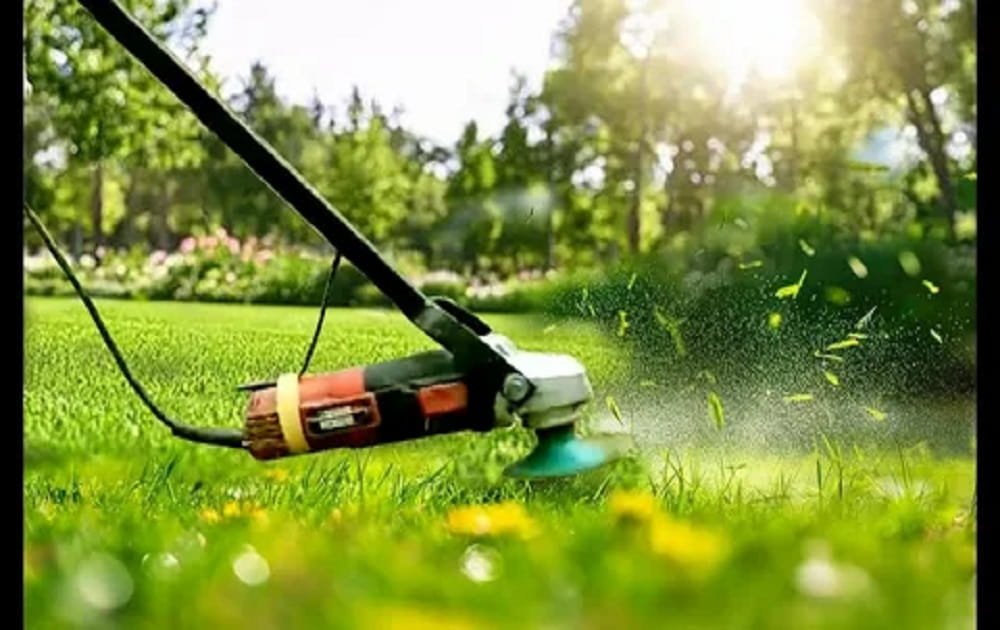
Proper maintenance of a Grass Cutting Machine is essential if you want it to perform efficiently and last for years. In 2026, with more advanced designs and higher expectations for durability, cleaning your equipment after every use is no longer optional—it is a basic requirement. Many users in Pakistan overlook this step, which leads to reduced performance, frequent breakdowns, and higher repair costs.
A well-maintained Grass Cutting Machine not only delivers cleaner cuts but also ensures safety and fuel efficiency. Grasscuttingmachine.pk emphasizes proper post-use care because it significantly extends the life of your equipment and improves overall performance.
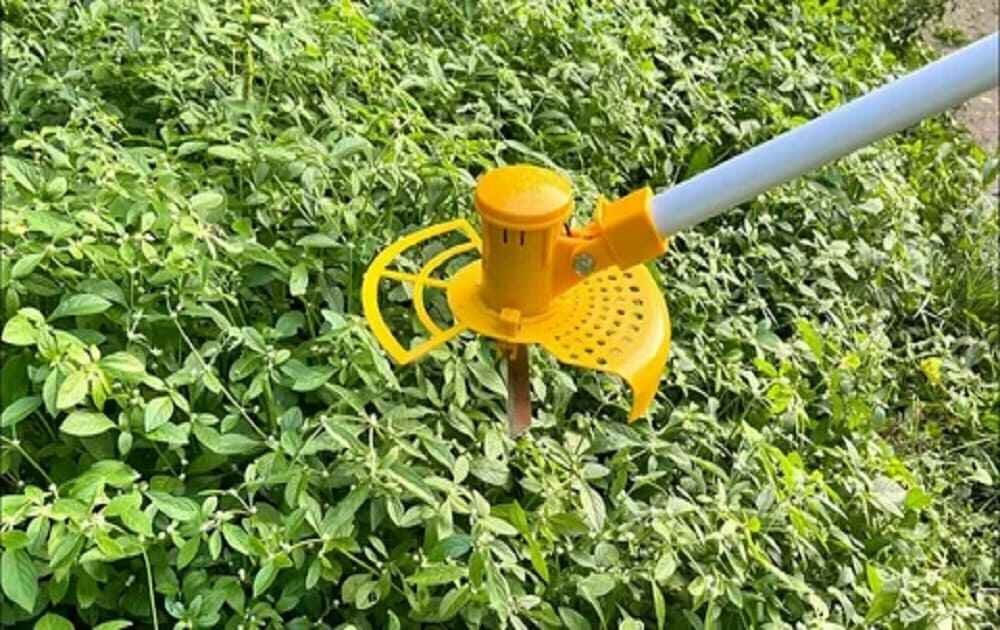
Why Cleaning After Use Is So Important
After every use, grass clippings, dust, and debris accumulate on the machine’s blades, body, and engine area. If not cleaned properly, this buildup can harden and affect the machine’s functionality.
Dirty blades reduce cutting efficiency and can damage grass instead of trimming it cleanly. In addition, leftover moisture and debris can lead to rusting and corrosion. Over time, this neglect shortens the lifespan of your equipment and increases maintenance costs.
Safety First Before Cleaning
Before you start cleaning your machine, safety should always be your first priority. Make sure the machine is turned off completely and disconnected from its power source. For petrol models, allow the engine to cool down before handling any part of it.
Wear gloves to protect your hands from sharp blades and rough surfaces. Avoid using excessive force when cleaning around delicate parts. Following basic safety precautions ensures that the cleaning process is smooth and risk-free.
Removing Grass Clippings and Debris
The first step in cleaning is removing visible grass clippings and dirt. Use a soft brush or dry cloth to clean the outer body of the machine. Focus on areas where grass tends to accumulate, such as the blade housing and wheels.
For stubborn debris, a plastic scraper can be used gently. Avoid using metal tools as they may scratch or damage the surface. Regular removal of debris prevents buildup and keeps the machine functioning smoothly.
Cleaning the Blades Properly
Blades are the most important part of any Grass Cutting Machine, and they require special attention. After each use, blades should be cleaned thoroughly to remove stuck grass and dirt.
Use a brush or damp cloth to wipe the blades carefully. If the buildup is heavy, you can use mild soapy water to clean them. Always ensure the blades are completely dry afterward to prevent rusting. Keeping blades clean ensures sharp and precise cutting performance.
Washing the Undercarriage
The underside of the machine collects the most grass and dirt during operation. Cleaning this area is essential for maintaining efficiency.
Tilt the machine carefully (as per manufacturer guidelines) and remove all debris stuck underneath. You can use a hose with moderate water pressure, but avoid soaking electrical or engine parts. Proper undercarriage cleaning helps maintain balance and cutting accuracy.
Air Filter Maintenance
The air filter plays a crucial role in engine performance. A clogged air filter can reduce efficiency and increase fuel consumption.
Remove the air filter and gently clean it using compressed air or by tapping out dust. If the filter is too dirty, consider replacing it. Regular maintenance of the air filter ensures smooth engine operation and longer machine life.
Engine Area Cleaning Tips
The engine area should be cleaned carefully to avoid damage. Use a dry cloth or soft brush to remove dust and debris from the surface.
Avoid using water directly on the engine unless specifically recommended. Keeping the engine clean helps prevent overheating and ensures better performance during operation.
Checking for Loose Parts
After cleaning, it is important to inspect the machine for any loose bolts, screws, or damaged parts. Regular inspection helps identify small issues before they become major problems.
Tighten any loose components and replace damaged parts immediately. This ensures safe operation and prevents unexpected breakdowns during use.
Lubrication After Cleaning
Once the machine is clean and dry, lubrication is necessary for moving parts. Apply oil to joints, wheels, and blades as recommended by the manufacturer.
Lubrication reduces friction and ensures smooth movement. It also protects metal parts from rust and wear. Skipping this step can reduce the overall efficiency of your machine.
Proper Storage After Cleaning
Storing your machine correctly is just as important as cleaning it. Always keep it in a dry and covered area to protect it from dust and moisture.
Avoid leaving it outdoors, as exposure to weather conditions can damage its components. Proper storage ensures that your machine remains in good condition for the next use.
Common Mistakes to Avoid
Many users make mistakes while cleaning their machines. One common mistake is using too much water, which can damage electrical parts. Another mistake is ignoring blade cleaning, which affects cutting performance.
Some users also forget to lubricate the machine after cleaning, leading to increased wear and tear. Avoiding these mistakes ensures better performance and longer machine life.
Benefits of Regular Cleaning Routine
Maintaining a regular cleaning routine offers several benefits. It improves cutting efficiency, reduces fuel consumption, and extends the lifespan of the machine.
A clean machine also operates more safely and produces better results. Over time, regular maintenance saves money by reducing repair and replacement costs.
Seasonal Maintenance Considerations
In Pakistan, seasonal changes can affect how often you need to clean your machine. During summer and monsoon seasons, grass grows faster and is often wetter, leading to more buildup.
In winter, usage may decrease, but proper cleaning is still necessary before storage. Adjusting your maintenance routine according to the season ensures consistent performance.
Eco-Friendly Cleaning Practices
In 2026, eco-friendly practices are becoming more important. Instead of using harsh chemicals, opt for mild cleaning solutions that are safe for the environment.
Proper disposal of grass waste is also important. Composting grass clippings is a great way to reduce waste and support environmental sustainability.
Professional Maintenance vs DIY Cleaning
While basic cleaning can be done at home, professional servicing is recommended occasionally. Experts can inspect internal components and perform deep cleaning that may not be possible at home.
However, regular DIY cleaning after each use is essential for daily maintenance. Combining both approaches ensures optimal performance.
In the middle of your maintenance routine, taking care of your Grass Cutting Machine properly ensures long-term reliability and efficiency. Grasscuttingmachine.pk encourages users in Pakistan to follow proper cleaning habits for better results and durability.
Final Thoughts on Machine Care
Cleaning your machine is not just about appearance—it directly affects performance and lifespan. A well-maintained Grass Cutting Machine delivers better results, operates safely, and lasts longer.
By following a proper cleaning routine after each use, users in Pakistan can ensure that their equipment remains in excellent condition throughout the year. Grasscuttingmachine.pk continues to guide users with practical tips and reliable solutions for long-term machine care.
FAQs
How often should I clean my grass cutting machine?
You should clean it after every use to maintain performance and prevent debris buildup.
Can I wash my grass cutting machine with water?
Yes, but avoid using water on electrical or engine parts unless recommended by the manufacturer.
Why is blade cleaning important?
Clean blades ensure smooth and precise cutting and prevent damage to grass and machine.
Do I need to lubricate the machine after cleaning?
Yes, lubrication helps reduce friction and protects moving parts from wear and rust.
Where should I store my machine after cleaning?
Store it in a dry, covered place to protect it from moisture, dust, and weather damage.