
Understanding medical tests can sometimes feel confusing or even stressful. Many people worry when they hear about procedures related to the digestive system, especially when they are not sure what to expect. A colonoscopy is one such test that often raises questions, but in reality, it is a very common and safe procedure.
If your doctor has recommended a colonoscopy test in dubai, it is usually to check the health of your large intestine, also known as the colon. This test helps in detecting problems early, which makes treatment easier and more effective.
In this article, you will learn everything you need to know about a colonoscopy, including why it is done, how to prepare, what happens during the procedure, and what to expect after it.
What Is a Colonoscopy?
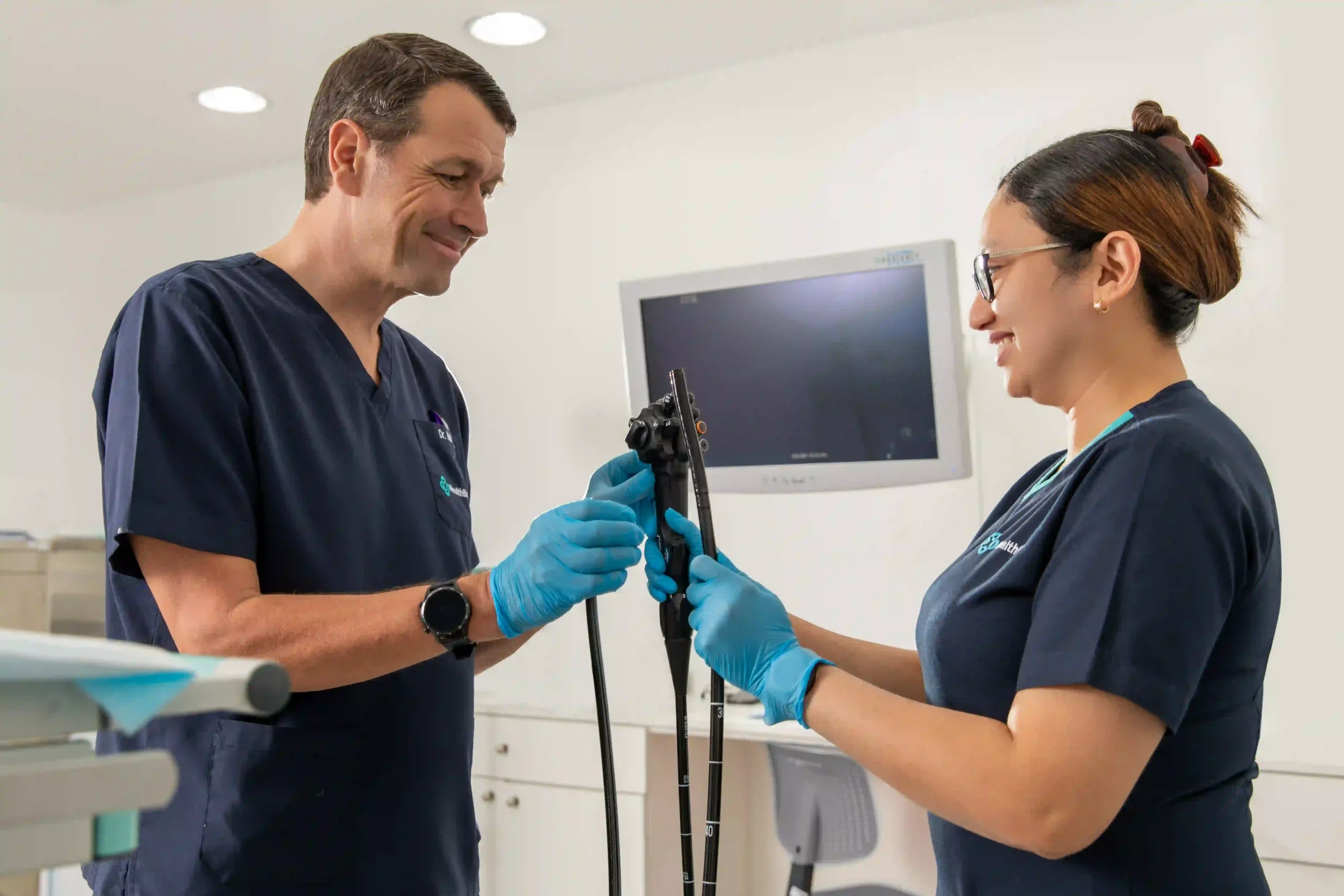
A colonoscopy is a medical test used to examine the inside of your large intestine. Doctors use a long, flexible tube called a colonoscope. This tube has a small camera at its tip, which sends images to a screen.
The doctor carefully inserts the tube through the rectum and moves it through the colon. This allows them to look for any changes or problems, such as swelling, ulcers, polyps, or signs of cancer.
The procedure is usually done in a hospital or clinic and does not take a long time. Most people can go home the same day.
Why Is a Colonoscopy Done?
A colonoscopy is recommended for several reasons. It is not only used when someone has symptoms but also as a preventive test.
1. To Check Unexplained Symptoms
Doctors may suggest a colonoscopy if you have symptoms such as:
- Ongoing stomach pain
- Blood in stool
- Long-term constipation or diarrhea
- Unexplained weight loss
2. To Screen for Colon Cancer
Colonoscopy is one of the best ways to detect colon cancer early. Even before cancer develops, small growths called polyps can be found and removed.
3. To Monitor Existing Conditions
If you already have a condition like inflammatory bowel disease, your doctor may recommend regular colonoscopies to monitor your health.
Who Should Get a Colonoscopy?
Doctors usually recommend colonoscopy screening for people above the age of 45 or earlier if there is a family history of colon cancer.
You may need this test if:
- You have a family history of colon cancer
- You have digestive problems that do not go away
- You have had polyps before
- You are at higher risk due to lifestyle or medical history
How to Prepare for a Colonoscopy
Preparation is one of the most important parts of the colonoscopy. A clean colon helps the doctor see clearly and get accurate results.
1. Dietary Changes
A few days before the test, you may need to:
- Avoid high-fiber foods
- Eat light meals
- Switch to clear liquids like water, soup, and juice
2. Bowel Preparation
You will be given a special medicine (laxative) to clean your bowels. This may cause frequent trips to the bathroom, which is normal.
3. Avoid Certain Medicines
Your doctor may ask you to stop certain medicines temporarily, especially blood thinners.
4. Follow Instructions Carefully
It is very important to follow all instructions given by your doctor. Proper preparation ensures accurate results.
What Happens During the Procedure?
Many people feel nervous about the procedure, but it is usually simple and comfortable.
Before the Test
You will be asked to change into a hospital gown. A nurse may place an IV line in your arm to give you medication.
Sedation
Most patients are given mild sedation to help them relax. You may feel sleepy and comfortable during the procedure.
During the Colonoscopy
- You will lie on your side
- The doctor inserts the colonoscope gently
- Air may be passed into the colon to improve visibility
- The doctor examines the lining of the colon
If any polyps are found, they can often be removed during the same procedure.
Duration
The procedure usually takes about 20 to 40 minutes.
Is a Colonoscopy Painful?
Most people do not feel pain during the procedure because of sedation. You may feel slight pressure or mild discomfort, but it is usually not serious.
After the test, you might feel a little bloated or have mild cramps, but this goes away quickly.
What Happens After the Colonoscopy?
After the procedure, you will be moved to a recovery area.
Recovery Time
You will need to rest until the sedation wears off. This usually takes about an hour.
Going Home
You should not drive yourself home. It is best to have someone accompany you.
Eating After the Test
You can usually return to your normal diet unless your doctor advises otherwise.
Results
- Some results may be shared immediately
- If samples (biopsies) are taken, results may take a few days
Possible Risks and Complications
A colonoscopy is generally very safe, but like any medical procedure, it has some risks.
These may include:
- Mild bleeding (especially if a polyp is removed)
- Reaction to sedation
- Rarely, a tear in the colon wall
It is important to contact your doctor if you experience:
- Severe abdominal pain
- Heavy bleeding
- Fever
Benefits of a Colonoscopy
The benefits of a colonoscopy are significant, especially when it comes to early detection.
1. Early Detection of Cancer
Finding cancer early improves the chances of successful treatment.
2. Removal of Polyps
Polyps can be removed before they turn into cancer.
3. Accurate Diagnosis
The test provides clear and detailed images, helping doctors diagnose conditions correctly.
Common Myths About Colonoscopy
There are many misconceptions about colonoscopy that can cause unnecessary fear.
Myth 1: It Is Very Painful
Most patients feel little to no pain due to sedation.
Myth 2: It Is Only for Older People
While it is more common after age 45, younger people may also need it.
Myth 3: Preparation Is Too Difficult
Although preparation requires effort, it is manageable and very important.
Tips to Make the Process Easier
Here are some simple tips to help you prepare and feel comfortable:
- Follow your doctor’s instructions carefully
- Stay hydrated during preparation
- Wear comfortable clothing on the day of the test
- Ask questions if you feel unsure
- Plan your day so you can rest afterward
When to Talk to a Doctor
You should consider speaking to a doctor if you have:
- Persistent digestive problems
- Blood in stool
- Family history of colon issues
- Changes in bowel habits
Do not ignore symptoms, as early diagnosis can make a big difference.
Conclusion
A colonoscopy is an important and reliable test that helps protect your digestive health. While it may seem intimidating at first, understanding the process can make it much easier to handle. From preparation to recovery, each step is designed to ensure your comfort and safety.
If you have been advised to undergo this test, it is best to follow your doctor’s guidance and not delay the procedure. Early detection of potential problems can lead to better outcomes and peace of mind.
For those seeking professional advice and care, consulting an experienced specialist like Dr. Neil Philip Galletly can help you understand the procedure clearly and feel confident about your health decisions.
