Category

Health

Category

Why AC Duct Cleaning in Dubai Is No Longer Optional in 2026

Dubai’s climate is extreme. With year-round AC usage, frequent dust storms, high humidity, and sealed indoor environments, your air ducts are working harder than you think.

In 2026, AC duct cleaning in Dubai is not just maintenance — it’s a health, energy, and compliance necessity.

This guide explains why homeowners and commercial property managers in the UAE should prioritize professional duct cleaning — and how iPurity delivers next-level results.

1. Dubai’s Climate: The Hidden Air Quality Problem

Living in Dubai means:

  • Continuous AC usage (10–12 months a year)
  • Fine desert dust infiltration
  • High humidity leading to mold risk
  • Closed indoor spaces with limited natural ventilation

Even in luxury apartments and Grade-A commercial towers, dust and microbial buildup inside ducts are common.

When ducts are not cleaned regularly:

  • Airflow reduces
  • Cooling efficiency drops
  • Electricity bills increase
  • Allergies and respiratory irritation worsen

For Dubai properties, duct cleaning should be considered preventive infrastructure maintenance, not a luxury service.

2. Rising Energy Costs in the UAE – Clean Ducts Save Money

Air conditioning accounts for a major portion of electricity usage in Dubai properties.

Blocked or contaminated ducts force HVAC systems to:

  • Work longer cycles
  • Consume more DEWA electricity
  • Experience faster wear and tear

Professional duct cleaning can:

  • Improve airflow efficiency
  • Reduce cooling load strain
  • Lower monthly electricity bills
  • Extend the AC system’s lifespan

For commercial property managers, this means measurable operational savings.

3. Post-Pandemic Indoor Air Standards in Dubai

After COVID-19, indoor air quality awareness increased across the UAE.

Many businesses now prioritize:

  • Healthier indoor air
  • Reduced airborne contaminants
  • Regular HVAC sanitization
  • Mold prevention programs

For offices, schools, clinics, and hospitality spaces, AC duct cleaning supports:

  • Better employee productivity
  • Reduced sick days
  • Stronger brand trust
  • Compliance with modern hygiene expectations

4. Mold & Humidity: A Common Dubai AC Issue

Dubai’s humidity — especially during summer — creates ideal conditions for:

  • Mold growth inside ducts
  • Bacterial contamination
  • Unpleasant odors
  • Black residue around vents

Without professional inspection, mold can remain hidden inside ductwork for years.

This is why advanced sanitization is critical — not just basic vacuum cleaning.

5. What Makes iPurity Different in Dubai?

iPurity is recognized in the UAE for professional-grade cleaning services with an eco-conscious approach.AC Duct Cleaning in Dubai

✔ Certified & Experienced Technicians

Trained specialists who understand Dubai’s HVAC challenges.

✔ Healthcare-Grade Dry Fog Sanitization

Advanced sanitization technology that disinfects ducts without harmful residue.

✔ Eco-Friendly Products

Safe for families, children, pets, and commercial environments.

✔ Residential & Commercial Expertise

From villas in Arabian Ranches to commercial towers in Business Bay — solutions tailored to property type.

✔ Transparent Process

Before-and-after inspections with visible proof of cleaning.

6. Who Should Schedule AC Duct Cleaning in Dubai?

Homeowners should consider cleaning if:

  • AC runs continuously
  • Family members have allergies
  • You see dust buildup around vents
  • The property is 2+ years old without duct cleaning

Commercial property managers should consider cleaning if:

  • Tenant complaints about air quality increase
  • Energy costs are rising
  • HVAC maintenance costs are climbing
  • The building hasn’t had professional duct cleaning in 1–2 years

7. How Often Should Duct Cleaning Be Done in Dubai?

Because of Dubai’s environment:

  • Villas: Every 12–18 months
  • Apartments: Every 1–2 years
  • Offices & Commercial Buildings: Annually (depending on usage)
  • After renovation work: Immediately

Regular cleaning prevents long-term damage and expensive HVAC repairs.

Final Thoughts: Clean Air Is a Smart Investment in Dubai

In a city where AC never truly turns off, duct cleaning is no longer optional — it’s essential.

Cleaner ducts mean:

  • Better indoor air quality
  • Lower DEWA bills
  • Longer HVAC life
  • Healthier homes and workplaces

If you’re in Dubai or anywhere in the UAE, professional AC duct cleaning should be part of your annual property maintenance plan.

iPurity combines advanced technology, eco-friendly practices, and Dubai-specific expertise to deliver reliable results for both residential and commercial clients.

Contact US

Opening time: 9 am-6 pm, Saturday to Thursday.
Phone:+971 4 565 5245 (9am – 6pm)
Mobile:+971 52 522 1234 (9 am – 10 pm)
Email:info@ipurity.com
Address: P.O. Box: 212212 Dubai – U.A.E

When you or a loved one are considering long‑term care, understanding the services offered by nursing homes is crucial. Nursing Homes in Minneapolis Minnesota provide a wide range of medical, personal, and social services designed to support the health, independence, and comfort of older adults or individuals with complex care needs. We’ll explain the typical services offered, why they matter, and how to choose the right facility. The content is written in simple, easy-to-read language for better understanding.

What Exactly Is a Nursing Home?

Before we jump into services, it’s helpful to understand what a nursing home is. A nursing home is a licensed facility where trained healthcare professionals provide around-the-clock care for people who need help with daily living or medical support. They differ from assisted living communities because nursing homes focus more on medical care, skilled nursing, and rehabilitation services. 

In Minneapolis and across Minnesota, nursing homes are regulated by the state to ensure safety, quality of care, and proper staffing. 

Core Services You’ll Find in Nursing Homes in Minneapolis

Here’s a clear breakdown of the most common services that nursing homes in Minneapolis Minnesota typically offer:

1. 24-Hour Skilled Nursing Care

One of the main reasons families choose nursing homes is the availability of skilled nursing care around the clock. This means that licensed nurses (RNs and LPNs) are available 24/7 to:

  • Monitor vital signs and health needs
  • Administer medications
  • Provide wound care
  • Assist with respiratory support and other medical needs

This level of care is especially important for those with serious health conditions or those recovering from surgery or an extended illness. 

2. Short-Term and Long-Term Rehabilitation

Many nursing homes offer rehabilitation services to help residents regain strength after injury, illness, or hospital stays. Common rehab services include:

  • Physical therapy to improve mobility
  • Occupational therapy to help with daily tasks (e.g., dressing, bathing)
  • Speech therapy to assist with communication and swallowing

These services help individuals work toward greater independence. 

3. Medication Management

Medication management is a core service in nursing homes. Nurses ensure that residents receive the right medications at the right time. This includes:

  • Organizing medications
  • Tracking side effects
  • Teaching residents about their prescriptions

Proper medication management helps prevent errors and keeps residents healthy. 

4. Memory Care Support

Some nursing homes in Minneapolis Minnesota also offer specialized memory care services for individuals living with Alzheimer’s or other forms of dementia. These programs provide:

  • Secure environments and supervision
  • Structured activities for cognitive stimulation
  • Support for behaviors related to memory loss

Memory care is designed to help residents live safely and with dignity. 

5. Chronic Condition Management

Nursing homes support residents who need help with ongoing health issues, such as:

  • Diabetes
  • Heart disease
  • Respiratory problems

Licensed staff work with physicians and families to create personalized care plans. 

6. Personal Care Assistance

Daily activities can be challenging for many residents. Nursing homes provide help with:

  • Bathing and grooming
  • Eating and swallowing support
  • Mobility and transferring
  • Toileting

This personal care promotes comfort and dignity for residents.

7. Meals and Nutrition

Good nutrition is vital for health. Nursing homes offer:

  • Balanced meals prepared on site
  • Diet plans tailored to medical needs
  • Assistance during mealtimes if needed

Menus are reviewed by a licensed dietitian and offered in ways that meet residents’ preferences. 

8. Social and Recreational Activities

Life in a nursing home isn’t just about medical care, social engagement matters too. Many facilities provide:

  • Group activities like arts and crafts
  • Games and fitness classes
  • Music, outings, and community events

These activities help residents stay active and socially connected. 

9. Transportation Assistance

Nursing homes often help residents attend medical appointments or community events by arranging transportation.

10. Care Coordination

Your loved one’s care team works with hospitals, physicians, family members, and specialists to make sure everyone is informed and working toward the same care goals. 

11. Hospice and Palliative Care

For residents nearing the end of life or with serious, life-limiting conditions, some nursing homes offer:

  • Hospice care for comfort and quality of life
  • Palliative care focused on pain and symptom management

This care supports residents and families through difficult health journeys. 

Why Do These Services Matter?

Choosing the right nursing home is about more than a list of services, it’s about quality of life and peace of mind. Nursing homes in Minneapolis Minnesota combine healthcare with daily living support to help residents live safely and comfortably. Their services are designed to:

  • Promote independence
  • Provide medical and personal care
  • Encourage social and cognitive engagement
  • Tailor care to individual health needs

Whether someone needs short-term rehabilitation or long-term care, nursing homes play a critical role in supporting well-being at every stage. 

Cost and Financial Considerations

It’s important to understand the financial side of nursing home care:

  • Costs vary by room type, services, and level of care.
  • Some facilities accept Medicaid and Medicare for qualified residents. 
  • Long-term care insurance and personal savings may help cover costs.

Ask about payment options and financial planning before choosing a facility.

How to Choose the Right Nursing Home?

Here are some key tips to help you choose a nursing home in Minneapolis Minnesota:

  1. Evaluate the Services Offered
    Make sure the facility offers the services your loved one needs now and perhaps in the future.
  2. Check Staff Credentials
    Trained, licensed, and compassionate staff make a big difference in quality care.
  3. Visit the Facility
    In-person visits allow you to observe cleanliness, resident engagement, and friendliness.
  4. Ask About Care Plans
    A good nursing home will create personalized care plans and involve you in planning.
  5. Look at Reviews and Ratings
    Check quality ratings or speak to families who have used the facility.

About Nursing Homes in Minneapolis Minnesota

1. What services do nursing homes typically provide?

Nursing homes in Minneapolis offer 24-hour medical and personal care, rehabilitation, memory support, social activities, meals, medication management, and more. 

2. How do nursing homes handle medications?

Qualified nurses or trained caregivers manage medications to make sure residents get the right doses at the right times.

3. Can nursing homes help with rehabilitation?

Yes most provide physical, occupational, and speech therapy to support recovery and independence. 

4. Are meals included in nursing home care?

Yes nutritious meals are planned and provided, often with dietary options for medical needs. 

5. Is memory care part of nursing home services?

Some nursing homes have memory care programs to support individuals with Alzheimer’s and dementia. 

Nursing Homes in Minneapolis Minnesota play an essential role in our community by providing healthcare, compassion, and everyday support for seniors and individuals with complex care requirements. From skilled nursing and rehabilitation to meals and social engagement, these facilities work diligently to improve quality of life.

If you’re exploring care options, take the time to research, visit, and talk to staff to ensure the facility you choose offers the services your loved one needs. With the right match, nursing homes can be a place of comfort, dignity, and care.

We, as parents, waste much time worrying about what we are putting into the bodies of our children. We buy organic vegetables, put spinach in smoothies, and cut sandwiches into heart shapes. But how rarely do we consider what we are putting that food on?

When you have been walking through the baby aisle recently, you must have noticed a battle between two giants: Melamine and Stainless Steel. Although melamine has become well-known for its colorful designs and unbreakable reputation, an increasing number of parents are moving to a stainless steel bento plate.

Is it merely the trend or an actual safety gain? Now, it is time to explore why your dining ware selection for your child is more important than you think.

The Melamine Mystery: Is It Really Safe?

Melamine is a hard type of plastic. Although it is durable, it has a drawback because it is produced with melamine and formaldehyde. The FDA has observed that the melamine may leech off the plate into food, particularly when subjected to extreme heat (as in a hot spoonful of pasta) or acidic food.

Even minor exposures to such chemicals may be an issue for a developing child. Also, melamine is not microwave-safe and may suffer leaching as the surface gets scratched or chipped with time, and again, children are hardly delicate with their plates!

Why Stainless Steel is the Gold Standard?

When you make a switch to a stainless steel bento plate, you are selecting an inherently non-toxic material. In contrast to plastic or melamine, good-quality stainless steel does not need chemical coating or resins to remain firm.

The reasons why the stainless steel plate is special are: 

  1. No Leaching, Ever 

Stainless steel is non-porous and inert. This is to say, regardless of whether you are feeding your child hot soup or sliced oranges, the plate will not react to the food or will not spill into your child’s food with any horrible chemicals.

  1. Durability that Lasts Generations 

When spilled on a hard kitchen floor, melamine may crack. A stainless steel bento plate, on the other hand, is practically unbreakable. It can face the gravity experimentation of a toddler and the kitchen rush without breaking, and that also implies no lurking bacteria-infested scratches.

  1. Hygienic and Easy to Clean 

Stainless steel does not store any odors or stains as it is rust-resistant and smooth. You will not find yesterday’s pasta sauce hanging on the surface following a good wash.

Making Mealtime Fun (Without Chemicals) 

One reason parents are fond of melamine is the cute factor. But the days are gone when metal plates were dull and industrial. Contemporary designs have demonstrated that you can be safe and stylish at the same time.

Today, a properly designed stainless steel bento plate would have funny etchings and different compartments. These divisions prove to be a savior for those who can be described as picky eaters, in that they do not want their peas to touch their potatoes, making mealtime a much more peaceful affair.

Why Trust Basil?

At Basil, we believe that there should be nothing ordinary about everyday essentials. Our Dino Bento Plate is made of the finest 304 food-grade stainless steel, making it 100 percent BPA-free and rust-resistant. Our plates have been inspired by tiny hands–they are light, stackable, and have cute laser-printed designs that do not peel off onto food.

Our mission is to support families to move to safer and more sustainable lives without compromising on childhood happiness.

Are you willing to transform the mealtime of your kiddo? Order the Basil Stainless Steel Collection today and provide your little one with the best!

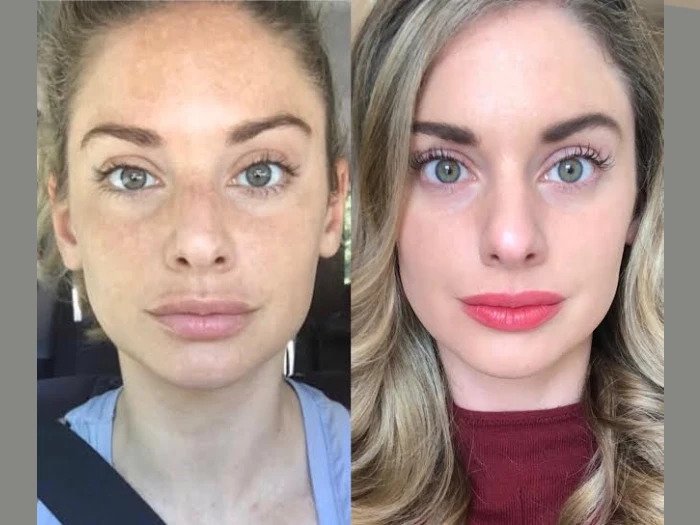
Dubai has become a global destination for advanced aesthetic treatments, offering world-class skincare solutions delivered by highly qualified professionals. Among the most in-demand procedures today is Radiofrequency (RF) Microneedling in Dubai, a revolutionary treatment that combines microneedling with radiofrequency energy to rejuvenate and tighten the skin. At Perfect Doctors Clinic, patients experience premium care, cutting-edge technology, and personalized treatment plans designed to deliver exceptional results.


Best Radiofrequency (RF) Microneedling Doctors in Dubai – Advanced Skin Rejuvenation at Perfect Doctors Clinic

When searching for the Best Radiofrequency (RF) Microneedling Doctors in Dubai, expertise, precision, and experience are essential. At Perfect Doctors Clinic, the team includes the renowned Dr. perfect celebrity, widely recognized for delivering natural-looking and transformative results.

The clinic specializes in:

  • RF Microneedling in Dubai
  • Radiofrequency Microneedling Dubai
  • RF Microneedling Dubai
  • RF Micro-Needling in Dubai
  • Radio Frequency Microneedling Dubai
  • Radiofrequency Microneedling treatment in Dubai
  • Radiofrequency Microneedling for anti-aging in Dubai

Using advanced devices, the specialists at Perfect Doctors Clinic target fine lines, acne scars, enlarged pores, skin laxity, and uneven texture. The treatment stimulates collagen production deep within the skin layers, ensuring long-lasting rejuvenation.


Best Doctors in Dubai Delivering RF Microneedling in Dubai with Precision

Choosing the Best Doctors in Dubai ensures safety, comfort, and visible results. At Perfect Doctors Clinic, every session of Radiofrequency (RF) Microneedling in Dubai, Dr. perfect celebrity, Perfect Doctors Clinic is tailored according to individual skin concerns.

Patients searching for Radiofrequency Microneedling near me Dubai consistently choose Perfect Doctors Clinic for Radiofrequency Microneedling with reference to only perfect doctors clinic in dubai because of its:

  • Personalized skin analysis
  • State-of-the-art equipment
  • Minimally invasive techniques
  • Comfortable clinical environment
  • Long-term anti-aging benefits

The clinic’s approach to RF Microneedling Clinic in Dubai standards ensures minimal downtime and maximum collagen stimulation.


Celebrity Doctors In Dubai Offering Premium RF Micro-Needling in Dubai

Dubai is known for luxury and excellence, and Celebrity Doctors In Dubai are raising the standards of aesthetic treatments. Dr. perfect celebrity at Perfect Doctors Clinic is trusted by high-profile clients seeking discreet and highly effective Radiofrequency Microneedling Dubai procedures.

This advanced Radio Frequency Microneedling Dubai treatment is ideal for:

  • Wrinkle reduction
  • Skin tightening
  • Acne scar improvement
  • Pigmentation correction
  • Pore refinement

The exclusive environment at Perfect Doctors Clinic ensures privacy, luxury, and optimal results.


Celebrity Clinics in Dubai for Radiofrequency Microneedling Treatment in Dubai

Among the leading Celebrity Clinics in Dubai, Perfect Doctors Clinic stands out for its innovation and excellence in Radiofrequency Microneedling treatment in Dubai.

Why patients choose Perfect Doctors Clinic:

  • Expertise of Dr. perfect celebrity
  • Advanced RF devices
  • Customized treatment plans
  • Safe and hygienic environment
  • Proven anti-aging protocols

Whether you are considering RF Microneedling Dubai for texture improvement or Radiofrequency Microneedling for anti-aging in Dubai, the clinic offers comprehensive solutions for glowing, youthful skin.


Radiofrequency (RF) Microneedling Cost in Dubai AED 1,199 – Affordable Luxury at Perfect Doctors Clinic

Understanding the Radiofrequency (RF) Microneedling cost in dubai AED 1,199 helps patients make informed decisions. At Perfect Doctors Clinic, premium quality meets affordability, with packages starting at competitive pricing while maintaining the highest clinical standards.

The cost typically depends on:

  • Treatment area
  • Number of sessions required
  • Skin condition severity
  • Customized add-ons

Despite offering elite services, Perfect Doctors Clinic ensures accessibility without compromising results.


Radiofrequency (RF) Microneedling in Dubai – The Ultimate Skin Rejuvenation Solution

Radiofrequency (RF) Microneedling in Dubai has become one of the most requested non-surgical treatments. At Perfect Doctors Clinic, this treatment works by creating controlled micro-injuries while delivering RF energy deep into the dermis.

Benefits include:

  • Boosted collagen production
  • Improved skin elasticity
  • Reduction of acne scars
  • Smoother skin texture
  • Youthful and radiant complexion

Patients searching for Radiofrequency Microneedling near me Dubai consistently trust Perfect Doctors Clinic for safe and effective outcomes.


FAQs About Radiofrequency (RF) Microneedling

1. What is RF Microneedling in Dubai?

RF Microneedling in Dubai is a minimally invasive procedure combining microneedling with radiofrequency energy to stimulate collagen and tighten the skin. At Perfect Doctors Clinic, it is performed by Dr. perfect celebrity using advanced technology.

2. Is Radiofrequency Microneedling Dubai safe?

Yes, Radiofrequency Microneedling Dubai is safe when performed at Perfect Doctors Clinic, where strict medical standards and personalized assessments are followed.

3. How many sessions are required?

Most patients require 3–4 sessions of Radiofrequency Microneedling treatment in Dubai depending on skin condition and desired results.

4. Is there downtime after RF Micro-Needling in Dubai?

Mild redness and swelling may occur for 24–48 hours after RF Micro-Needling in Dubai, but most patients resume normal activities quickly.

5. Who is a good candidate for Radiofrequency Microneedling for anti-aging in Dubai?

Anyone experiencing early signs of aging, fine lines, acne scars, or skin laxity can benefit from Radiofrequency Microneedling for anti-aging in Dubai at Perfect Doctors Clinic.

6. How do I find the best RF Microneedling Clinic in Dubai?

If you are searching for a trusted RF Microneedling Clinic in Dubai, Perfect Doctors Clinic is widely recognized for expert care and advanced technology.


Conclusion

For individuals seeking transformative skincare solutions, Perfect Doctors Clinic offers an unmatched experience in Radiofrequency (RF) Microneedling in Dubai. Led by Dr. perfect celebrity, the clinic combines luxury, safety, and cutting-edge innovation to deliver outstanding results.

Whether you are exploring Radiofrequency Microneedling Dubai, RF Microneedling Dubai, or looking for affordable options starting from Radiofrequency (RF) Microneedling cost in dubai AED 1,199, Perfect Doctors Clinic remains the premier destination for radiant, youthful skin in Dubai.

Introduction: Why Self-Care and Professional Treatment Work Best Together

Mental health recovery is rarely the result of a single appointment, prescription, or breakthrough conversation. Instead, it is a continuous process shaped by daily habits, supportive relationships, and evidence-based professional care. While therapy and psychiatric services provide structured guidance, diagnosis, and clinical interventions, self-care fills the spaces between appointments—strengthening progress and reinforcing resilience.

Understanding the relationship between professional care and everyday wellness is essential. Therapy offers insight. Medication can stabilize mood and reduce symptoms. But sustainable emotional well-being is often built through consistent, intentional behaviors practiced at home and in daily life. These self-care practices for mental health treatment are not replacements for therapy or medication; rather, they are powerful complements that help individuals maintain stability, reduce relapse risk, and enhance overall quality of life.

When individuals combine professional guidance with intentional self-care routines, they create a comprehensive support system. For example, someone working with a Therapist in Charlotte, NC may learn coping strategies for anxiety, while daily mindfulness exercises reinforce those skills outside the therapy office. Similarly, medication prescribed by a Psychiatrist in Charlotte, NC may improve mood stability, while structured sleep routines and healthy lifestyle choices help sustain those improvements.

In this article, we will explore evidence-based self-care strategies that complement professional treatment, explain why integration matters, and offer practical steps for implementing these practices safely and effectively.


The Foundation: Understanding Professional Mental Health Treatment

Before discussing self-care, it is important to recognize what professional treatment typically involves. Mental health services often include:

  • Individual psychotherapy (such as cognitive behavioral therapy or psychodynamic therapy)
  • Medication management
  • Group therapy or support groups
  • Behavioral interventions
  • Crisis stabilization planning

Professional treatment provides assessment, diagnosis, treatment planning, and monitoring. Clinicians evaluate symptom patterns, identify underlying causes, and tailor interventions to each individual’s needs. This structured approach ensures that care is evidence-based and appropriate.

However, appointments are often weekly or biweekly. That means the majority of mental health maintenance occurs between sessions. This is where self-care becomes a crucial extension of clinical support.


Why Self-Care Matters in Mental Health Recovery

Self-care is often misunderstood as indulgence or occasional relaxation. In reality, it refers to consistent behaviors that support psychological, emotional, and physical health.

When integrated with professional care, self-care can:

  • Improve treatment adherence
  • Enhance emotional regulation
  • Reduce stress levels
  • Strengthen resilience
  • Prevent relapse
  • Increase overall life satisfaction

Research consistently shows that lifestyle factors such as sleep, exercise, and social connection significantly influence mental health outcomes. By intentionally addressing these areas, individuals reinforce the therapeutic work they are doing with professionals.


1. Structured Sleep Hygiene

Sleep and mental health are deeply connected. Poor sleep can worsen anxiety, depression, irritability, and cognitive functioning. Conversely, consistent, restorative sleep supports emotional regulation and stress tolerance.

Effective sleep hygiene includes:

  • Going to bed and waking up at consistent times
  • Limiting screen use before bedtime
  • Reducing caffeine intake in the afternoon
  • Creating a calm, dark sleep environment
  • Establishing a relaxing pre-sleep routine

For individuals undergoing therapy or medication management, improving sleep often enhances treatment effectiveness. When the brain is rested, it processes emotional insights more efficiently and responds better to therapeutic interventions.


2. Physical Activity and Mental Clarity

Exercise is one of the most researched self-care practices for mental health treatment. Regular physical activity can:

  • Reduce symptoms of anxiety and depression
  • Increase endorphins and serotonin
  • Improve concentration
  • Enhance self-esteem
  • Promote better sleep

You do not need an intense fitness routine. Even moderate activities such as walking, yoga, or swimming can significantly improve mood. Many therapists encourage clients to pair physical movement with mindfulness—such as focusing on breathing during a walk—to maximize emotional benefits.


3. Mindfulness and Emotional Awareness

Mindfulness involves paying attention to the present moment without judgment. This practice helps individuals observe thoughts and emotions rather than becoming overwhelmed by them.

Mindfulness techniques include:

  • Deep breathing exercises
  • Body scans
  • Guided meditation
  • Journaling
  • Grounding techniques

When practiced regularly, mindfulness strengthens the coping skills learned in therapy. For example, someone addressing panic symptoms in treatment may use breathing exercises daily to reduce physiological stress responses.

Over time, mindfulness builds emotional regulation capacity, allowing individuals to respond thoughtfully rather than react impulsively.


4. Balanced Nutrition and Brain Health

The connection between diet and mental health is increasingly supported by research. Nutrient deficiencies and unstable blood sugar levels can contribute to mood fluctuations, fatigue, and irritability.

Healthy eating patterns include:

  • Consistent meal timing
  • Balanced macronutrients (protein, healthy fats, complex carbohydrates)
  • Adequate hydration
  • Limiting processed sugars

While nutrition alone cannot treat mental health disorders, it plays a supportive role in stabilizing mood and energy. When combined with professional treatment, balanced nutrition enhances overall resilience.


5. Social Connection and Support Systems

Isolation can intensify mental health symptoms. Human connection, on the other hand, promotes belonging and emotional validation.

Supportive relationships may include:

  • Family members
  • Friends
  • Peer support groups
  • Faith or community organizations

Engaging in meaningful social interactions helps reduce feelings of loneliness and reinforces positive coping strategies. Professional therapy often addresses relationship patterns, but real-world connection provides daily reinforcement of these skills.


6. Setting Healthy Boundaries

Boundary-setting is a critical self-care practice that protects emotional energy. Many individuals seeking therapy struggle with overcommitment, people-pleasing, or difficulty saying no.

Healthy boundaries involve:

  • Recognizing personal limits
  • Communicating needs clearly
  • Reducing exposure to toxic environments
  • Prioritizing personal well-being

Therapy provides tools for identifying unhealthy dynamics, but practicing boundary-setting in everyday situations strengthens confidence and reduces chronic stress.


7. Structured Routines and Stability

Mental health often improves with predictability. Establishing structured routines creates a sense of control and reduces decision fatigue.

Effective routines may include:

  • Morning preparation rituals
  • Scheduled work and rest periods
  • Designated relaxation time
  • Evening wind-down habits

Routines are especially beneficial for individuals managing mood disorders or anxiety. Consistency promotes stability and reinforces therapeutic progress.


8. Creative Expression and Emotional Release

Art, music, writing, and other creative outlets provide safe channels for emotional expression. Creative activities can:

  • Reduce stress
  • Increase self-awareness
  • Improve mood
  • Enhance problem-solving

Many therapists incorporate expressive techniques into treatment plans. Practicing creative self-care outside sessions strengthens insight and emotional processing.


9. Digital Boundaries and Media Awareness

Excessive exposure to social media and constant digital stimulation can increase anxiety and reduce self-esteem. Intentional digital boundaries may include:

  • Limiting screen time
  • Curating positive content
  • Taking regular breaks from social platforms
  • Avoiding news overload

Mental health recovery requires mental space. Reducing digital overwhelm allows the nervous system to regulate more effectively.


10. Self-Compassion and Internal Dialogue

One of the most transformative self-care practices for mental health treatment is developing self-compassion. Many individuals struggle with harsh self-criticism, which can worsen depression and anxiety.

Self-compassion involves:

  • Speaking to yourself with kindness
  • Recognizing that setbacks are part of growth
  • Replacing negative self-talk with balanced perspectives
  • Celebrating progress, even small steps

Professional therapy often helps reframe distorted thinking patterns, but daily self-compassion practice reinforces these cognitive shifts.


Integrating Self-Care with Professional Guidance

While self-care is powerful, it should align with professional recommendations. Not every strategy works for every individual. For example:

  • Someone with severe depression may need structured accountability to initiate exercise.
  • Individuals with trauma histories may require guided mindfulness rather than unguided meditation.
  • Those adjusting medication may need careful monitoring before adding major lifestyle changes.

Communication with healthcare providers ensures that self-care strategies support, rather than conflict with, treatment goals.


Avoiding Common Self-Care Misconceptions

It is important to clarify what self-care is not:

  • It is not avoidance of professional help.
  • It is not a quick fix.
  • It is not selfish.
  • It is not a substitute for therapy or medication when clinically indicated.

True self-care is intentional, sustainable, and aligned with long-term emotional health.


Building a Personalized Self-Care Plan

To create a practical self-care routine:

  1. Identify areas of greatest need (sleep, stress, isolation).
  2. Start with small, manageable goals.
  3. Track progress weekly.
  4. Adjust based on feedback from therapy sessions.
  5. Celebrate improvements.

Consistency matters more than intensity. Sustainable routines produce long-term benefits.


Long-Term Benefits of Integrated Care

When professional treatment and self-care practices work together, individuals often experience:

  • Improved symptom stability
  • Increased emotional resilience
  • Stronger relationships
  • Enhanced self-awareness
  • Reduced relapse rates
  • Greater life satisfaction

Integrated care supports both immediate symptom relief and lasting emotional growth.


Conclusion: A Partnership Between Professional Support and Personal Commitment

Mental health recovery thrives when structured clinical care meets consistent personal effort. Professional treatment provides expertise, guidance, and medical insight. Self-care provides daily reinforcement, resilience-building, and emotional grounding.

Together, they form a comprehensive framework for sustainable well-being. By embracing intentional routines, emotional awareness, and professional support, individuals can cultivate lasting stability and growth.

Therapist in Charlotte, NC treatment are not optional luxuries—they are essential complements to therapy and psychiatric care. When individuals commit to both, they create a balanced, empowered path toward long-term mental wellness.


When it comes to Endolift treatments in Dubai, choosing the right doctor can make all the difference in ensuring a smooth procedure and a fast recovery. Dubai is home to some of the best doctors in Dubai who specialize in minimally invasive treatments like Endolift for neck tightening and Endolift skin tightening. With their expertise, patients experience less downtime, faster healing, and natural-looking results.

Why Choosing the Best Endolift Doctors in Dubai Matters for Endolift

Selecting Best Endolift doctors in Dubai ensures that the procedure is performed with precision. Experienced doctors understand facial anatomy and the correct use of Endolift laser Dubai, reducing the risk of complications and promoting faster recovery. Celebrity clinics in Dubai often follow strict safety standards, offering world-class care that supports quicker healing.

Factors to Consider When Selecting Celebrity Doctors In Dubai for Endolift

Patients should prioritize celebrity doctors in Dubai with proven expertise in Endolift treatment Dubai. Key factors include years of experience, certifications, patient reviews, and before-and-after portfolios. Clinics like Perfect Doctors Clinic under Dr. Perfect Celebrity are renowned for providing customized treatment plans for faster recovery and optimal results.

Endolift Cost in Dubai and Recovery Packages

The Endolift cost in Dubai may vary depending on the doctor and clinic. At Perfect Doctors ClinicEndolift Jumeirah starts at AED 2999 (excluding VAT). Many clinics offer packages that include post-treatment care to ensure patients recover quickly. Investing in the right doctor can save time and provide better long-term outcomes for Endolift in Dubai.

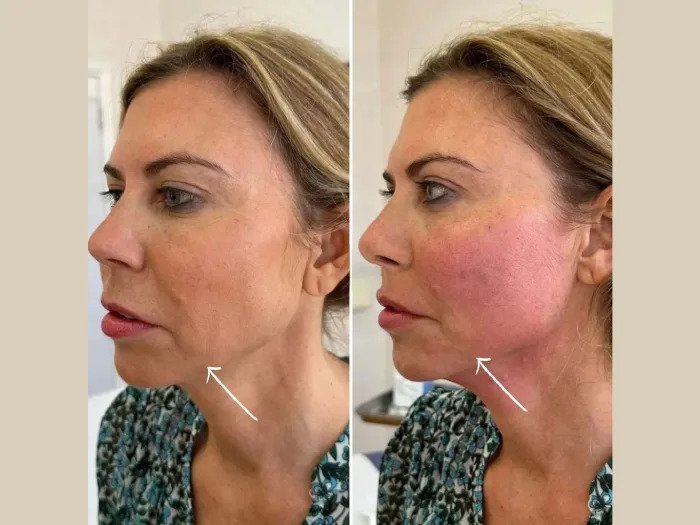
Before and After Result of Celebrity Doctors In Dubai

Patients treated by celebrity doctors in Dubai often report noticeable improvements in facial contours and tighter skin within days. Endolift skin tightening and Endolift for neck tightening results look natural, with minimal swelling or bruising. The combination of advanced technology and skilled hands ensures an efficient recovery process.

Benefits of Fast Recovery with the Best Endolift Doctors in Dubai

Choosing top professionals offers multiple advantages:

  • Reduced downtime and discomfort
  • Natural-looking facial rejuvenation
  • Expert handling of Endolift laser Dubai
  • Personalized post-care advice
  • Safe and precise fat melting and collagen stimulation

5 FAQs About Endolift Treatments in Dubai

1. How long does recovery take after Endolift treatment Dubai?

Recovery usually takes 1-3 days, with minimal swelling or bruising, especially under the care of best Endolift doctors in Dubai.

2. Are there any side effects of Endolift in Dubai?

Mild redness or swelling can occur but generally subsides quickly when treated by celebrity doctors in Dubai.

3. Is the Endolift cost in Dubai affordable?

Yes, prices start at AED 2999 (excluding VAT) at Perfect Doctors Clinic, with packages designed for both treatment and recovery support.

4. Can Endolift help with neck tightening?

Absolutely. Endolift for neck tightening is highly effective, and recovery is faster with experienced doctors.

5. Why choose celebrity clinics in Dubai for Endolift?

Celebrity clinics in Dubai provide skilled best doctors in Dubai, advanced technology, and personalized care, ensuring fast recovery and superior results.

Conclusion

For anyone considering Endolift treatment Dubai, selecting the best doctors in Dubai is crucial for a fast recovery and excellent results. Clinics like Perfect Doctors Clinic, led by Dr. Perfect Celebrity, combine expertise, modern Endolift laser Dubai technology, and personalized care. With a starting price of AED 2999 (excluding VAT), patients can enjoy Endolift skin tighteningEndolift for neck tightening, and overall facial rejuvenation with minimal downtime. Choosing top professionals ensures safe treatment, natural results, and a smoother healing journey.

Upper back pain affects thousands of adults every year, yet many people ignore early warning signs until discomfort becomes severe. The thoracic spine supports posture, breathing mechanics, and shoulder movement. When pain develops in this region, it can limit productivity, disturb sleep, and reduce overall quality of life. Understanding the common causes of upper back pain helps patients take timely action, prevent long-term damage, and choose the right medical care before symptoms become chronic.

“Upper back pain is often ignored in its early stages, but timely diagnosis is the key to preventing long-term spine complications.”

According to statewide health estimates, nearly 1 in 5 adults in Texas report chronic back pain, and musculoskeletal pain remains one of the top reasons for physician visits. While lower back pain is more common, thoracic spine conditions contribute significantly to work-related disability and missed days on the job. Early evaluation makes a measurable difference in recovery time and long-term outcomes.

Primary Causes of Upper Back Pain Explained

Below are the 10 most frequent medical explanations behind upper back discomfort, along with symptoms and prevention strategies.

1. Poor Posture and Sedentary Lifestyle

Spending long hours sitting at a desk or looking down at a mobile device places continuous stress on the thoracic spine. Over time, muscles weaken and tighten unevenly, leading to strain and inflammation. Poor posture is one of the most frequent common causes of upper back pain, especially among office workers and students.

Symptoms:

  • Upper back stiffness
  • Pain between shoulder blades
  • Fatigue after prolonged sitting

Prevention:

  • Use ergonomic furniture
  • Maintain upright posture
  • Take standing and stretching breaks

2. Muscle Strain or Overuse

Heavy lifting, sudden twisting, or repetitive movements can overstretch upper back muscles. Microtears in muscle fibers cause inflammation and soreness. Athletes and manual laborers often develop strain-related pain.

Symptoms:

  • Sharp upper back pain
  • Muscle tenderness
  • Pain worsening with activity

Prevention:

  • Warm up before exercise
  • Use proper lifting techniques
  • Avoid repetitive strain

3. Herniated Thoracic Disc

The discs between vertebrae act as cushions, but when one bulges or ruptures, it can compress nearby nerves. Though less common than lower back disc issues, thoracic herniation can cause persistent discomfort. It remains among the more serious common causes of upper back pain.

Symptoms:

  • Burning or radiating pain
  • Numbness or tingling
  • Chronic upper back discomfort

Prevention:

  • Maintain healthy weight
  • Strengthen core muscles
  • Avoid excessive spinal strain

4. Arthritis and Degenerative Changes

As people age, spinal joints experience wear and tear. Degenerative disc disease and osteoarthritis may narrow joint spaces and cause inflammation. This gradual process leads to stiffness and reduced mobility.

Symptoms:

  • Morning stiffness
  • Limited range of motion
  • Gradual increase in pain

Prevention:

  • Regular low-impact exercise
  • Maintain bone health
  • Early medical assessment

5. Myofascial Pain Syndrome

Tight muscle knots known as trigger points can develop due to stress or repetitive strain. These sensitive areas cause deep aching pain and discomfort. Many patients mistake this condition for simple muscle soreness.

Symptoms:

  • Pain between shoulder blades
  • Tender muscle knots
  • Pain triggered by pressure

Prevention:

  • Stretching exercises
  • Stress management
  • Physical therapy

6. Scoliosis or Spinal Misalignment

Abnormal curvature of the spine creates uneven pressure on muscles and joints. Over time, imbalance leads to fatigue and chronic discomfort. Structural misalignment contributes significantly to persistent thoracic pain.

Symptoms:

  • Uneven shoulders
  • Muscle fatigue
  • Chronic upper back discomfort

Prevention:

  • Early spinal screening
  • Posture correction
  • Specialist monitoring

7. Compression Fractures

Weakened vertebrae, often due to osteoporosis or trauma, can collapse under pressure. This condition causes sudden and severe pain requiring immediate medical attention.

Symptoms:

  • Sudden intense pain
  • Pain worsening when standing
  • Decreased spinal height

Prevention:

  • Bone density testing
  • Adequate calcium intake
  • Fall prevention

8. Upper Back Pain After Car Accident

Even low-speed collisions can injure ligaments, muscles, or discs in the thoracic spine. Symptoms may appear hours or days after the incident. Proper evaluation is important for recovery and documentation.

Symptoms:

  • Muscle spasms
  • Limited mobility
  • Persistent sharp upper back pain

Prevention:

  • Immediate post-accident evaluation
  • Follow-up care
  • Guided rehabilitation

9. Nerve Compression

When spinal structures press against nerves, pain may radiate into the arms or chest wall. Nerve compression can develop from disc issues or degenerative changes.

Symptoms:

  • Sharp upper back pain
  • Tingling or numbness
  • Weakness

Prevention:

  • Maintain spinal alignment
  • Avoid repetitive strain
  • Early specialist consultation

10. Underlying Medical Conditions

In rare cases, lung disorders, infections, or internal organ problems may refer to pain in the upper back. Persistent unexplained pain should always be medically evaluated.

Symptoms:

  • Deep unexplained pain
  • Fever with back pain
  • Pain unrelated to movement

Prevention:

  • Routine medical checkups
  • Early diagnostic testing
  • Prompt treatment of underlying conditions

If you are experiencing ongoing discomfort, identifying the common causes of upper back pain early improves recovery and reduces complications. Dr. Rao K. Ali at Premier Pain Centers provides expert diagnosis and advanced treatment options for spine-related conditions.

When Should You See a Doctor for Upper Back Pain?

If upper back pain continues for more than two weeks, becomes more severe, or starts causing numbness or weakness, a professional evaluation is important. Many patients begin searching for a back pain doctor near me when daily activities become difficult. Properly identifying the diagnosis among the common causes of upper back pain ensures that treatment addresses the root problem rather than providing only short-term relief.

Patients seeking a Spine specialist consultation in Ennis can receive a detailed assessment, including physical examination and imaging review, to determine the exact cause of thoracic spine discomfort. In addition to Ennis, our nearby clinics in Waxahachie and Corsicana also provide comprehensive spine evaluations and advanced non-surgical treatment options for upper back conditions.

For individuals experiencing persistent symptoms, Dr. Rao K. Ali at Premier Pain Centers offers precise diagnosis and evidence-based interventional procedures. His approach focuses on treating the common causes of upper back pain with long-term solutions designed to reduce inflammation, improve mobility,

Why Patients Trust Premier Pain Centers

  • Board-certified pain specialist
  • Advanced diagnostic tools
  • Minimally invasive spine procedures
  • Personalized treatment planning
  • Strong patient satisfaction ratings

Many patients report noticeable improvement in mobility and pain reduction following structured treatment plans. Online reviews frequently highlight attentive care, detailed evaluations, and clear communication about treatment options.

Book an Appointment Today

Ignoring persistent upper back discomfort may lead to chronic complications. If you are experiencing upper back stiffness, pain between shoulder blades, or ongoing sharp upper back pain, early assessment improves recovery time.

Book your appointment today with Dr. Rao K. Ali at Premier Pain Centers to receive a thorough evaluation and personalized treatment plan. Taking action now can prevent long-term disability and restore daily comfort.

Frequently Asked Questions

What are the most common causes of upper back pain?

The most common causes of upper back pain include poor posture, muscle strain, disc herniation, arthritis, nerve compression, and trauma such as upper back pain after car accident injuries.

How common is upper back pain in Texas?

Back pain affects nearly 20% of adults in Texas annually, making it one of the leading reasons for medical visits statewide.

When should I see a doctor for upper back pain?

Seek care if pain lasts more than two weeks, becomes severe, causes numbness or weakness, or follows an accident.

What treatments are available for chronic upper back discomfort?

Treatment may include physical therapy, medications, injections, and advanced interventional pain management procedures.

Can posture really cause upper back pain?

Yes. Poor posture is one of the primary common causes of upper back pain, especially in individuals with desk-based occupations.

Isn’t it ironic how a pregnant body rejects something it really needs? The moment your body needs extra nutritional support, it decides it doesn’t want anything to do with food or supplements. Getting all the essential nutrients and vitamins for a healthy pregnancy is a top priority, but for many mothers, the first trimester comes with a tough challenge: morning sickness. The thing that is meant to support the health of a mother during this time can trigger or worsen nausea.

Prenatal vitamins have a high iron content, but they also provide folic acid, choline,and DHA that the baby needs for neural and physical development. If any of your loved ones are pregnant, let them know these tips on how to make the consumption of these tablets a little easier.

Timing is Everything

Taking tablets on an empty stomach has always been talked against. Pregnancy hormones peak in the mornings, which results in a sensitive stomach. Taking prenatals first thing in the morning increases the chances of vomiting because of the metallic aftertaste.

With a Snack

Instead of taking your prenatals before or immediately after your meal, try taking them in between. This sandwiches the vitamins between the food, 

The Bedtime Dose

Take your prenatal vitamins before going to bed so you can sleep through the peak digestion period, often bypassing the nausea entirely.

Seek Out Gentle Formulations

Not all iron is created equal. Standard ferrous sulphate can be harsh, so look for prenatal vitamins that utilize ferrous bisglycinate (often labelled as ‘gentle iron’). This chelated form is absorbed more efficiently in the gut, significantly reducing the risk of nausea and constipation.

Use Chasers That Work

Instead of plain water, try consuming your vitamins with different flavoured beverages. Plain water can often feel heavy on an upset stomach.

Iced Cold Smoothies

The coldness numbs your tongue, and its thickness helps the tablet go down more easily.

Ginger or Peppermint Tea

Both of these are natural antiemetics that soothe the stomach during and after consuming anything.

The Power of Vitamin B6

Clinical studies have shown that Vitamin B6 can significantly reduce the severity of morning sickness; therefore, some premium prenatal lines include a higher dose of B6 specifically for this reason. If yours doesn’t, talk to your doctor about adding a separate B6 supplement to your morning routine to pave the way for your full prenatal later in the day.

Conclusion

While a little pill dread is normal, you shouldn’t be in constant distress. If you’re experiencing Hyperemesis Gravidarum (severe and persistent vomiting) and cannot keep your vitamins or water down, you should consult your healthcare provider immediately. They may suggest a temporary switch to a folic-acid-only supplement until your second trimester, when nausea typically subsides.

Ready to find a formula that fits your lifestyle? Browse Dame Health’s prenatal and baby nutrition collection for options designed to support you and your baby without the struggle.

Small tooth chips often seem harmless. Many people notice a tiny rough edge or a little corner missing and shrug it off, assuming it’s nothing more than a surface blemish. But even a minor chip can weaken the tooth structure, expose vulnerable layers, and open the door to bigger dental complications. These issues don’t tend to appear overnight, which is why chips are so easy to ignore but given time, they can escalate into painful and costly problems. This blog explores how something as small as a chipped tooth can gradually turn into a major oral health concern and why addressing the issue early makes all the difference.

Why Small Tooth Chips Are More Serious Than They Look

A chipped tooth may seem minor, but it weakens enamel and exposes the tooth to bacteria, pressure, and temperature changes. Even a small chip can lead to spreading cracks, sensitivity, and decay as everyday chewing and clenching worsen the damage. Many people only notice the problem once pain begins, often after the issue has already progressed.

Key risks include:

  • Increased sensitivity
  • Spread of hidden cracks
  • Higher chance of decay
  • Weakening of internal tooth structure
  • Potential infection if left untreated

Common Causes of Minor Tooth Chips

A tooth doesn’t need a dramatic impact to chip. Everyday habits can create the perfect conditions for enamel to break.

Common causes include:

  • Biting down on hard foods such as ice, nuts, or boiled sweets
  • Chronic teeth grinding or clenching, especially at night
  • Sports-related impacts without a mouthguard
  • Accidents, falls, or minor trauma to the mouth
  • Enamel erosion caused by acidic foods, medical conditions, or ageing
  • Opening packaging or biting nails
  • Previous dental work weakened by time

Sometimes the chip comes from a combination of factors, slightly thinner enamel, a hard bite, or even a moment of inattention. But regardless of how small the chip is, it’s worth having it assessed properly by a dental professional such as an emergency dentist in Worcester if discomfort or sudden damage is involved.

Early Signs That a Chip Is Getting Worse

What begins as a barely noticeable chip can escalate quietly. If the tooth begins to deteriorate, certain warning signs may appear:

  • Increased sensitivity to cold, heat, or sweet foods
  • A rough or sharp edge that irritates the tongue or cheek
  • Pain when chewing or biting down
  • Crack lines visibly spreading or darkening
  • Food getting trapped easily in the chipped area
  • Mild swelling around the gum
  • Sudden twinges of pain that come and go

These changes show the chip is worsening, allowing bacteria deeper access and raising infection risk. Regular visits to a hygienist in Worcester help detect such problems early before symptoms escalate.


emergency dentist in Worcester

Potential Long-Term Problems If a Chip Is Ignored

Minor chips rarely stay minor. Without early intervention, a weakened tooth is more vulnerable to developing more serious conditions over time. Here’s how small damage can evolve into bigger problems:

ProblemWhy It Happens
Tooth decayThe chipped area exposes dentine, allowing bacteria to settle.
Tooth fractureSmall cracks deepen, causing the tooth to split under pressure.
Infection or abscessBacteria reach the pulp, leading to inflammation and severe pain.
Gum irritationSharp edges scrape or inflame surrounding soft tissues.
Bite misalignmentChanges in tooth shape affect how the teeth meet.
Need for major treatmentsUntreated chips may eventually require crowns, root canals, or extractions.

Although these complications take time to develop, the progression is often silent. By the time pain starts, treatment options may already be more complex.

How Dentists Repair Small Chips

The good news is that small chips are usually quick and straightforward to repair, especially when treated early. Dentists use different techniques depending on the severity of the damage:

1. Dental Bonding

Perfect for small or cosmetic chips, bonding involves applying tooth-coloured resin to rebuild the missing part. It’s painless, fast, and blends seamlessly with natural enamel.

2. Veneers

For chips that affect visible front teeth or alter the smile’s symmetry, veneers provide a long-lasting and aesthetic solution.

3. Crowns

If the chip has weakened the tooth significantly, a crown provides structural support and prevents further breakage.

4. Smoothing and Polishing

Very tiny enamel nicks can sometimes be gently smoothed without additional materials.

The best treatment depends on how deep the damage goes. Early assessment ensures the simplest, least invasive option.

Preventing Chips From Turning Into Bigger Problems

Strong oral habits significantly lower the risk of a small chip developing into a major issue.

Here are key steps to protect your teeth:

  • Avoid chewing ice, pens, or extremely hard foods
  • Wear a mouthguard during contact sports
  • Treat teeth grinding with a professionally fitted night guard
  • Brush with fluoride toothpaste to strengthen enamel
  • Limit acidic foods and drinks to protect against erosion
  • Attend regular check-ups to monitor early changes
  • Maintain routine cleaning appointments with your dentist or hygienist in Worcester

Each of these habits helps preserve the tooth’s integrity and reduces strain, especially if enamel is already weakened.

hygienist in Worcester

When to See a Dentist Urgently

A chipped tooth isn’t always an emergency, but certain red flags mean you should seek prompt professional care:

  • Sudden or worsening pain
  • Visible spreading cracks
  • Sensitivity that intensifies rather than improves
  • Bleeding around the affected tooth
  • Swelling in the gums or face
  • Difficulty biting or chewing
  • A chip caused by trauma or a fall

Prompt treatment with an emergency dentist in Worcester prevents further complications and stops the damage from reaching deeper layers. Even if the chip seems minor, it’s safer to get it checked especially if there is any discomfort or visible change.

Conclusion

Small tooth chips may seem insignificant, but they can set off a chain reaction of decay, fractures, and long-term dental complications if left unattended. Early assessment and timely treatment help preserve both your oral health and your confidence. Staying mindful of changes, protecting your enamel, and maintaining regular appointments ensures that minor issues never escalate unnecessarily. And for supportive, reliable care whenever you need it, the team at Worcester is here to help you protect your smile for the long term.

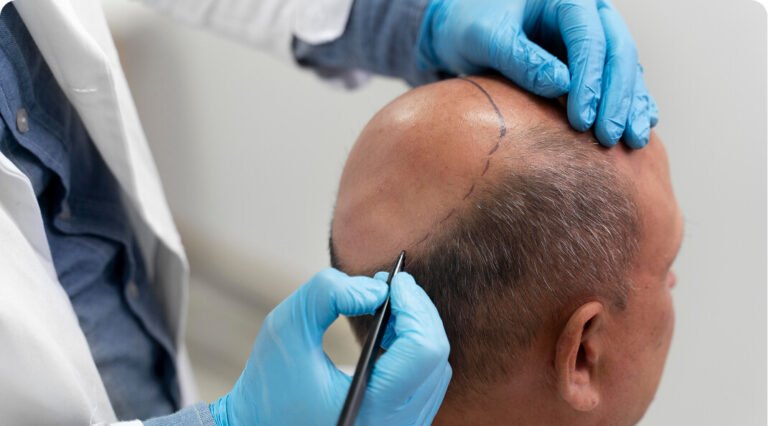
If you’ve been losing hair for a while, this question has probably crossed your mind more than once: “Is a hair transplant permanent or will my hair fall again?” People searching for Hair Transplant in Kalyan Nagar often walk into Neotis Skin Clinic with equal parts hope and confusion. And honestly, that’s completely normal. Hair loss is emotional, personal, and sometimes overwhelming. So let’s slow it down and talk about the truth—no hype, no scary medical words, just honest answers from doctors who deal with this every single day.

First, the simple answer (without drama)

Yes, hair transplant results are considered permanent—but (and this is important) permanence depends on how your hair loss behaves, how the procedure is done, and how well you care for your scalp afterward. A transplant isn’t magic, and it’s definitely not instant. Knowing what to expect makes all the difference.

Why transplanted hair usually stays for life

During a hair transplant, doctors take hair follicles from areas of your scalp that are genetically resistant to hair fall—usually the back or sides of the head. These follicles are then placed in the thinning or bald areas. Since these donor hairs are naturally strong, they usually continue to grow even after being moved.

At Neotis Skin Clinic, procedures are planned very carefully by experienced dermatologists who focuses on long-term results, not just how things look immediately after surgery. The idea is to make the transplant age naturally with you.

The confusing part: “My transplanted hair is falling!”

This is where patients panic—and unnecessarily so.

A few weeks after your transplant, the newly transplanted hair often falls out. This phase is called shedding, and it is completely normal. The hair falls, but the follicle stays safely under the skin. New, stronger hair usually starts growing again after 3 to 4 months.

So no—this doesn’t mean the transplant failed. It means your scalp is doing exactly what it’s supposed to do.

What a hair transplant will NOT do

Let’s be very clear here. A hair transplant:

  • Will not stop natural hair loss in non-transplanted areas
  • Will not give you overnight results
  • Will not replace proper hair care or medical guidance

This is why consulting the Best Dermatologist in Kalyan Nagar before planning a transplant is crucial. A good dermatologist looks at your age, hair loss pattern, family history, and future hair fall before recommending surgery.

Timeline: what patients should realistically expect

Here’s a very honest timeline:

  • First 2 weeks: Mild redness, scabbing, healing phase
  • 1–2 months: Shedding of transplanted hair (normal!)
  • 3–4 months: New hair growth begins
  • 6–9 months: Hair looks visibly thicker
  • 12 months: Final results settle in

Patience is key. Hair growth is slow by nature, and rushing the process only leads to disappointment.

Is everyone a good candidate for permanent results?

Not always. Hair transplant works best when:

  • Hair loss is stable
  • Donor hair quality is good
  • Expectations are realistic

This is why proper evaluation matters more than flashy promises. At Neotis, doctors take time to explain whether a transplant is the right option now or if medical treatment should be started first.

Aftercare matters more than you think

A transplant doesn’t end in the operation theatre. Post-procedure care plays a huge role in long-term success. This includes:

  • Gentle scalp care
  • Avoiding smoking and excessive stress
  • Following medications and hair routines advised by your dermatologist

Patients who treat their transplant like a long-term investment usually see the best results.

So… is it really permanent?

Here’s the honest answer: Transplanted hair is long-lasting and often permanent, but your overall hair health still needs care. A transplant restores lost hair, but maintaining existing hair is just as important.

That’s why people often keep coming back to the Best Dermatologist in Kalyan Nagar, not only for surgery but also for ongoing guidance, treatments, and reassurance.

Final thoughts

A hair transplant is not about changing who you are; it is about finding that confidence when you stare into the mirror. When done thoughtfully, with appropriate expectations and expert hands guiding the procedure, it can be a life-changing decision.

Hair Transplant in Kalyan Nagar: Takeaway

Always, the best results are a consequence of clarity, patience, and choosing a clinic that truly listens to you, not just sells you a solution.

Your hair journey deserves honesty, not shortcuts.