
Author

Sonam

Browsing

Every bathroom tells a story about daily life. How we start our mornings, where we find privacy, and how our homes accommodate basic human needs. When that bathroom needs an upgrade, few decisions matter more than choosing the right toilet commode. This is not merely about replacing porcelain – it is about balancing function, comfort, and budget in a space that works for everyone in your household. 

The market offers overwhelming choices, from basic models to advanced smart toilets. Prices vary dramatically, and the difference between models often seems mysterious until you understand what actually drives value. Before shopping for your next commode, understanding these fundamentals will save you time, money, and potential regret. 

Types of Toilet Commodes and Where They Work Best 

Not all toilets fit every space or lifestyle. The right toilet commode depends on your bathroom layout, household needs, and long-term plans. 

One-piece toilets combine the tank and bowl into a single unit. They are easier to clean since there are no joints where dirt accumulates. These models typically cost more upfront but reduce maintenance time. Families with children or elderly members benefit from the sleek profile that eliminates hard-to-reach crevices. 

Two-piece toilets separate the tank from the bowl. They remain the most common type because they are lighter to transport and easier to repair. If your bathroom has narrow doorways or stairs to navigate, two-piece models offer practical advantages during installation. 

Wall-hung toilets mount directly to the wall with a concealed tank. They create an illusion of more space and make cleaning underneath simple. However, they require a sturdy wall structure and upfront investment in the concealed tank system. Before choosing this style, verify your wall framing can support the weight. 

Corner toilets maximize tight spaces where every inch counts. They fit triangular areas and allow better traffic flow in small bathrooms. While specialty options, they solve real problems in older homes where bathrooms were added without architectural planning. 

Features That Actually Improve Daily Life 

Modern commodes offer features that extend beyond basic flushing. The question is which ones matter for your household. 

Water efficiency has become standard across the industry. Most new toilets use 1.28 gallons per flush or less, compared to older models that used 3.5 to 7 gallons. This translates to lower water bills and environmental benefits without sacrificing performance. When comparing commode prices, efficient models rarely cost more than wasteful alternatives. 

Comfort height refers to toilets measuring 16 to 17 inches from floor to seat, compared to standard 15-inch models. This height matches standard chair height and reduces strain for older adults or those with mobility challenges. Installing comfort height during renovation prevents future bathroom modifications. 

Dual flush technology offers two flushing options: light for liquids and heavy for solids. This simple feature can reduce water usage by up to 40 percent. Some models place buttons on top of the tank, while others integrate levers with different pressure requirements. 

Soft-close seats eliminate the loud slamming sound of traditional seats. The mechanism uses hydraulic dampers similar to those in luxury car doors. While adding modest cost to your commode price, this feature improves daily comfort and prevents accidental pinched fingers. 

Understanding Commode Price Differences 

Price variations between similar-looking toilets stem from materials, manufacturing processes, and brand positioning. Understanding these factors prevents overspending and helps identify genuine value. 

Basic one-piece models start around $150 and serve their purpose well. These typically use standard ceramic construction with basic flushing mechanisms. For rental properties or occasional-use bathrooms, this price point offers reliable function. 

Mid-range models between $300 and $600 include better flushing technology and improved bowl designs. You will find brands like American Standard and Kohler offering enhanced performance features without premium markup. Most homeowners find excellent value in this category. 

Premium commodes exceeding $800 often incorporate smart features, advanced materials, or designer aesthetics. Smart toilets with heated seats, automatic lids, and bidet functions fall into this range. Consider whether these conveniences justify the significant price jump for your daily routine. 

Installation costs vary independently of commode purchase price. Simple replacements using existing plumbing typically add $100 to $200 for labor. Moving plumbing rough-ins or upgrading supply lines increase costs proportionally. Always factor installation into your total project budget. 

Making the Right Investment Decision 

Your ideal toilet commode balances immediate needs with long-term value. Start by measuring available space – including rough-in distance from wall to floor bolts – before visiting showrooms. 

Consider household demographics carefully. Families with young children benefit from easy-clean surfaces and durable components. Multigenerational households often need comfort height and grab bar compatibility. Singles might prioritize water efficiency and modern aesthetics. 

Budget planning requires separating fixture cost from installation complexity. A $200 toilet with complicated installation might exceed a $400 model with straightforward replacing. Get plumbing quotes before finalizing purchases. 

Warranty coverage varies significantly between manufacturers. Basic models often include five-year coverage, while premium brands extend to ten years or lifetime on certain components. Longer warranties reflect manufacturer confidence and protect your investment. 

The best commode for your home solves specific problems rather than simply looking impressive. Whether upgrading for efficiency, comfort, or reliability, focus on features that address real concerns in your daily routine. Quality construction and thoughtful design pay dividends every day. 
The bathroom has long been a battleground for space. In compact homes and apartments, every square inch counts. Traditional free-standing sinks often feel like an obstacle course in tight quarters. But a quiet revolution is underway. The under-counter basin – once a niche option – is now a game-changer for anyone wrestling with limited square footage. This isn’t just about a new sink; it’s about rethinking how we use the most functional room in the house. 

The Shift from Obtrusive to Integrated 

For decades, the standard bathroom sink dominated the space. Its visible base and exposed plumbing created visual clutter and physical barriers. Enter the under-counter basin. This design hides the basin beneath the counter, creating a seamless, built-in look. The plumbing is concealed within the cabinetry, eliminating the bulky pedestal or cabinet base. The result? A cleaner, more spacious feel. The counter surface extends uninterrupted, making the room feel larger and more open. This integration isn’t merely cosmetic; it fundamentally changes how the space functions. Movement becomes easier, cleaning is simpler, and the overall aesthetic shifts towards modern minimalism. 

Solving the Space Crunch 

The core appeal of under-counter basins lies in their space-saving prowess. In a small bathroom, every inch matters. A traditional pedestal sink can consume valuable floor space. An under-counter model, however, leverages the counter itself as part of the sink structure. This allows for deeper basins without increasing footprint. It’s a clever solution for maximizing utility in confined areas. Homeowners aren’t just saving space; they’re gaining usable area. The counter remains a functional workspace, not just a platform for a sink. This design philosophy caters directly to the needs of urban dwellers, first-time homeowners, and anyone seeking a more efficient bathroom layout. 

Beyond the Basics: Modern Materials and Maintenance 

The evolution of under-counter basins extends beyond form to function. Materials now offer durability and ease of care. Porcelain and composite materials resist stains and scratches better than older ceramics. Non-porous surfaces make cleaning a breeze, a crucial factor in small spaces where hygiene is paramount. The hidden plumbing also simplifies maintenance. Leaks are easier to detect and repair since the pipes are accessible within the cabinetry. This contrasts sharply with older designs where plumbing was buried within walls, making repairs a major headache. Modern basins design often feature integrated overflow drains and robust seals, reducing the risk of water damage – a significant concern in compact bathrooms where water can spread quickly. 

Installation: A Do-It-Yourself Friendly Upgrade? 

The prospect of installing a new sink can be daunting. However, the under-counter basin often simplifies the process compared to traditional models. Many modern designs feature pre-drilled holes and modular components. This allows for easier assembly and connection to existing plumbing. While professional installation is recommended for complex setups, the modular nature of many under-counter systems reduces the skill level required. Homeowners can often tackle the project themselves with basic tools and careful planning. This accessibility empowers individuals to upgrade their bathroom without a major contractor, making stylish, space-efficient design achievable for more people. 

The Future is Integrated 

The rise of the under-counter basin signals a broader trend in bathroom design: integration and efficiency. It reflects a shift away from standalone fixtures towards systems that work harmoniously within the space. This approach prioritizes functionality without sacrificing aesthetics. As homes continue to shrink and design sensibilities evolve, the under-counter basin stands out as a practical, elegant solution. It transforms a necessary fixture into a seamless part of the room’s architecture, proving that smart design can indeed conquer even the smallest spaces. 

This content explores the practical benefits and design evolution of under-counter basins, weaving in the target keywords naturally while focusing on the angle of space optimization and modern integration. It avoids any mention of specific brands or competitors, adhering to the project guidelines. 

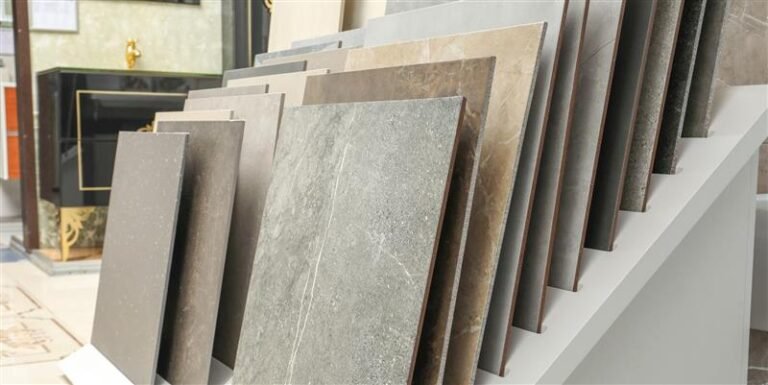
A floor is more than a surface; it is the foundation of how a room feels, functions and ages. When homeowners think about renovation they often focus on paint or furniture, yet the choice of flooring decides the room’s durability, comfort and visual flow. In particular, the price tag attached to floor tiles price can mask a range of hidden costs, from installation complexity to long‑term maintenance. Understanding these layers helps transform a simple purchase into a strategic investment that serves both aesthetic ambition and practical need.

1) Why floor tiles price matters beyond the tag
The number displayed on a tile box rarely tells the whole story. Shipping, subfloor preparation, grout selection and professional laying all add to the final expenditure. Moreover, a low price may conceal inferior wear resistance, especially in high‑traffic zones such as the living room. When budgeting, it is useful to break the cost into three causal stages: material cost, labor intensity and lifecycle expense. By mapping each stage, homeowners can see where a modest increase today prevents costly replacements tomorrow.

2) Decoding wooden floor tiles for living spaces
Wooden floor tiles offer the warmth of timber with the resilience of porcelain. They mimic grain patterns while resisting scratches, moisture and stains — attributes that matter in a living room where furniture is moved frequently and children play. The key is to match the visual tone of the wood with the room’s lighting and wall colors, ensuring the tiles enhance rather than compete with existing décor. In this context, the term wooden floor tiles becomes a bridge between tradition and modernity, allowing designers to present a space that feels both cozy and contemporary.

3) Linking style and durability in living room floor tiles
Choosing living room floor tiles is a decision that balances style, function and cost. Large‑format tiles reduce grout lines, creating a seamless look that makes the room appear larger. Textured finishes add slip resistance, a safety feature often overlooked in open‑plan areas. At the same time, the colour palette should complement natural light; lighter shades reflect brightness, while deeper hues create a grounded, intimate ambience. By treating tiles as both a design element and a performance material, the selection process moves from cosmetic preference to informed utility.

4) Practical steps to align budget with long‑term benefit
A systematic approach can turn the abstract notion of floor tiles price into a concrete plan. First, define the primary use of the room — frequent gatherings, occasional use, or a blend of both. Second, set a realistic total budget that includes a contingency for unexpected subfloor repairs. Third, research manufacturers that provide warranties on wear layers, as these protect against premature fading or cracking. Finally, obtain multiple quotes that itemize material, labor and disposal fees, allowing a clear comparison before purchase. This methodical workflow reduces the likelihood of hidden overruns and ensures the final installation aligns with both aesthetic goals and financial limits.

Conclusion
Investing in flooring is an exercise in foresight. By dissecting the components of floor tiles price, appreciating the dual nature of wooden floor tiles, and selecting living room floor tiles that marry style with durability, homeowners can craft a space that feels intentional and resilient. The steps outlined above translate abstract numbers into actionable choices, turning a simple floor covering into a catalyst for lasting satisfaction.

1) The Real Cost Behind Floor Tile Price
When the sticker price of a tile set seems attractive, the true expense often emerges later. Shipping fees, especially for heavy porcelain slabs, can add a significant margin. Subfloor leveling may be required if the existing surface is uneven, and this preparatory work can cost as much as the tiles themselves. Grout selection also influences the final look; premium grout colors resist staining and maintain a clean appearance over years of use. Labor rates vary by region, and complex patterns — such as herringbone or diagonal layouts — demand more skilled installers, driving up the hourly charge. Additionally, disposal of old flooring and site cleanup contribute hidden line items that can surprise the unprepared buyer. Recognizing these factors early helps the homeowner allocate funds proportionally, preventing budget overruns that derail the renovation timeline.

2) Why Wooden Floor Tiles Appeal to Modern Living Rooms
Wooden floor tiles capture the tactile warmth of hardwood while delivering the hardwearing performance of ceramic. Their surface mimics grain patterns, knots and subtle colour variations that evoke natural timber, yet they are treated to resist moisture and scuffs. This makes them ideal for living rooms where coffee tables are moved, pets roam and seasonal humidity swings occur. Moreover, the range of finishes — from matte to satin — lets designers tailor the glare level to suit daylight cycles, ensuring the space remains inviting without harsh reflections. By positioning wooden floor tiles as a bridge between rustic charm and modern resilience, the material supports a design narrative that values both heritage aesthetics and contemporary durability.

3) Aligning Style and Longevity in Living Room Floor Tiles
Selecting living room floor tiles involves more than picking a colour; it requires evaluating how the tile’s texture, size and finish interact with the room’s functional demands. Large‑format tiles, typically 24 inches or larger, minimize grout lines, creating a visual flow that expands the perceived space. Textured surfaces provide slip resistance, an asset in homes with children or elderly residents. The colour temperature of the tile should complement ambient lighting; cool whites amplify bright natural light, while warm earth tones absorb it, fostering a cozy atmosphere in evenings. Additionally, considering the tile’s wear rating ensures it can withstand furniture movement and foot traffic without premature wear. By treating these tiles as a performance material, designers can craft environments that feel polished yet robust.

4) Building a Budget that Serves Long‑Term Goals
A clear, step‑by‑step budgeting framework transforms the abstract notion of floor tiles price into a concrete financial plan. Begin by defining the room’s primary purpose — whether it is a hub for social gatherings, a quiet family zone, or a hybrid space. Next, establish a total budget that includes a 10‑15 % contingency for unforeseen subfloor repairs or design changes. Then, compare products from manufacturers that provide transparent warranty information on wear layers and colourfastness. Finally, request detailed quotations that break down material costs, labor hours, and ancillary expenses such as disposal and delivery. This systematic approach demystifies the cost structure, enabling informed decisions that balance immediate affordability with future resilience.

In summary, the journey from selecting a tile to enjoying a finished living room floor is guided by an awareness of hidden costs, an appreciation for material benefits, and a disciplined budgeting process. When homeowners internalize these elements, the purchase transcends a simple transaction and becomes a strategic choice that enhances both the beauty and functionality of their living spaces.