
Author

robertharbour

Browsing

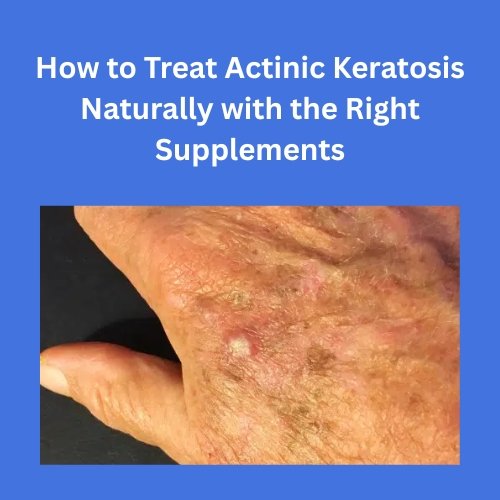
Actinic Keratosis is a skin condition that results from long-term exposure to ultraviolet (UV) rays, usually from the sun or tanning beds. It often appears as rough, scaly patches on sun-exposed areas like the face, ears, scalp, neck, and hands. While actinic keratosis is considered a precancerous condition, early intervention can prevent it from developing into squamous cell carcinoma—a type of skin cancer.

Conventional treatments such as cryotherapy, laser therapy, or topical medications are commonly used, but many people are exploring natural ways to support skin healing. This includes the use of dietary and Herbal Treatment for Actinic Keratosis to nourish the skin and boost the body’s natural defenses.

How to treat actinic keratosis naturally with the right supplements, focusing on the benefits of using a herbal supplement for actinic keratosis as part of a holistic skin health plan.

What is Actinic Keratosis?

Actinic Keratosis (AK) is a precancerous skin condition that develops due to long-term exposure to ultraviolet (UV) radiation from the sun or tanning beds. It appears as rough, scaly, or crusty patches on areas of the skin that are frequently exposed to the sun, such as the face, ears, neck, scalp, forearms, and hands.

These patches may vary in color—ranging from skin-toned to red or brown—and are often easier to feel than see. While they may be small and painless, actinic keratoses can sometimes itch, burn, or become irritated.

Key Characteristics of Actinic Keratosis:

  • Dry, scaly, or crusted spots
  • Common on sun-exposed skin
  • May feel like sandpaper
  • Can be flat or slightly raised
  • Often appear in clusters

Why Is Actinic Keratosis a Concern?

Actinic keratosis is considered precancerous because if left untreated, it can develop into squamous cell carcinoma (SCC)—a type of skin cancer. This makes early detection and proper treatment very important.

How to Treat Actinic Keratosis Naturally

Actinic Keratosis (AK) is a skin condition caused by long-term exposure to ultraviolet (UV) radiation from the sun or tanning beds. It typically appears as rough, scaly patches on sun-exposed areas like the face, scalp, ears, neck, and hands. Because actinic keratosis is considered precancerous, it’s important to address it early.

While medical treatments like cryotherapy and topical creams are often necessary, many people also explore natural ways to support skin healing and prevent further damage. Here’s how you can approach actinic keratosis naturally, using lifestyle changes, skin care practices, and supplements.

1. Use Natural Sun Protection

The most important step in treating and preventing actinic keratosis naturally is protecting your skin from further UV damage:

  • Wear broad-spectrum sunscreen (SPF 30 or higher) daily
  • Avoid sun exposure during peak hours (10 AM to 4 PM)
  • Wear protective clothing, hats, and sunglasses

2. Adopt an Antioxidant-Rich Diet

A diet full of antioxidants can help fight oxidative stress and support skin repair:

  • Eat plenty of colorful fruits and vegetables (berries, spinach, kale, carrots)
  • Include healthy fats like olive oil, avocados, and nuts
  • Drink green tea, which contains powerful compounds like EGCG

3. Try Herbal Supplements for Skin Health

Several Buy Best Herbal Supplements Products and Natural Remedies may help nourish the skin and support healing. These include:

  • Green Tea Extract – Contains EGCG, which protects skin cells from UV damage
  • Milk Thistle (Silymarin) – A natural liver detoxifier that also supports skin clarity
  • Curcumin (from Turmeric) – Reduces inflammation and oxidative stress
  • Aloe Vera – Soothes irritated skin and promotes healing
  • Omega-3 Fatty Acids – Found in flaxseed and fish oil, these help reduce skin inflammation

Always consult with a healthcare provider before starting any new supplement, especially if you are on medication or have other health conditions.

4. Apply Natural Topicals

Certain natural topical treatments may help reduce irritation and support healing:

  • Aloe Vera gel – Cools and hydrates damaged skin
  • Green tea compresses – May help calm inflammation
  • Vitamin E oil – Helps moisturize and repair dry, scaly patches

These remedies can be used alongside medical treatments but should not replace them.

5. Stay Hydrated and Maintain Skin Hygiene

Keeping your body and skin hydrated helps support the healing process:

  • Drink plenty of water
  • Use a gentle, natural moisturizer
  • Avoid harsh soaps or exfoliants that can irritate the skin

Natural Treatment for Actinic Keratosis

Natural treatment does not mean ignoring medical advice. Instead, it involves supporting your body with nutrition, lifestyle changes, and targeted supplements that promote skin healing, reduce inflammation, and fight oxidative stress. These approaches can be used alongside conventional treatments or as preventive care under medical supervision.

Lifestyle Tips to Enhance Natural Healing

  • Wear SPF daily to protect against further sun damage
  • Stay hydrated to support skin function
  • Eat an antioxidant-rich diet (fruits, vegetables, healthy fats)
  • Avoid tanning beds and limit sun exposure during peak hours
  • Do regular skin checks to monitor for changes

Final Thoughts

While Actinic Keratosis should be evaluated and treated by a dermatologist, using the right natural supplements can support your skin’s ability to heal and resist further damage. A carefully selected Herbal Supplement for Actinic Keratosis may help manage symptoms, reduce inflammation, and enhance your overall skin resilience.

Remember, natural remedies are best used in combination with medical guidance. Talk to your healthcare provider before starting any new supplement regimen, especially if you have existing health conditions or are undergoing treatment
Granuloma annulare is a rare but often frustrating skin condition that leaves many sufferers searching for relief beyond traditional treatments. With an increasing interest in natural health solutions, many people are now asking: Can supplements cure granuloma annulare? Specifically, there’s growing curiosity about the potential of using a Best Herbal Supplements for Granuloma Annulare Skin Condition Relief. The truth behind supplements, herbal remedies, and natural remedies for granuloma annulare—separating hope from hype.

What Is Granuloma Annulare?

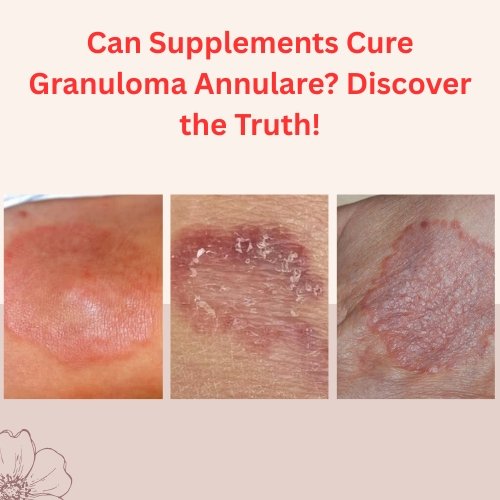
Granuloma annulare is a chronic skin condition characterized by raised, reddish or skin-colored bumps that often form ring-shaped patterns. It typically appears on the hands, feet, elbows, or knees, and while it isn’t dangerous or contagious, it can be cosmetically distressing and persist for months or even years.

There are several subtypes:

  • Localized Granuloma Annulare: The most common form, usually affecting the hands or feet.
  • Generalized Granuloma Annulare: Widespread bumps across the body.
  • Subcutaneous Granuloma Annulare: Hard lumps beneath the skin, more common in children.
  • Perforating Granuloma Annulare: A rare type where the skin lesions leak pus or dead tissue.

Despite decades of research, the exact cause remains unknown. However, it is believed to involve immune system dysfunction, possibly triggered by minor injuries, infections, or even chronic health conditions like diabetes or thyroid disorders.

Conventional Treatments: Limited and Unreliable

Traditional medical treatments for granuloma annulare include:

  • Topical steroids
  • Intralesional corticosteroid injections
  • Cryotherapy (freezing the lesions)
  • Phototherapy (light therapy)
  • Immunosuppressive drugs for widespread cases

Unfortunately, these treatments often yield inconsistent results. Some patients find relief, while others report relapses or side effects from long-term steroid use.

This uncertainty has driven many sufferers to explore Natural Remedies for Granuloma Annulare, especially herbal supplements, in hopes of a gentler and more effective approach.

Can Supplements Really Cure Granuloma Annulare?

To address this question, it’s important to clarify one thing: There is no universally recognized cure for granuloma annulare, whether conventional or natural. However, there is growing anecdotal and scientific interest in herbal supplement for granuloma annulare as a way to manage symptoms, promote skin healing, and potentially reduce recurrence.

Let’s explore the most talked-about supplements and natural remedies.

Best Herbal Supplement for Granuloma Annulare: Top Contenders

1. Turmeric (Curcumin)

Turmeric is a powerful anti-inflammatory herb widely known for its skin-healing properties. Curcumin, its active ingredient, helps regulate the immune system and reduce inflammation—two key factors in granuloma annulare.

  • How to Use: Turmeric can be taken in capsules, teas, or mixed with black pepper to enhance absorption.
  • Studies Support: Clinical research has shown turmeric’s effectiveness in treating various inflammatory skin conditions like psoriasis and eczema.

Verdict: Promising natural remedy with systemic immune-modulating effects.

2. Aloe Vera

Though often used topically, aloe vera supplements can support skin healing from within.

  • Why It Works: Aloe has both immunomodulatory and anti-inflammatory effects. It also helps hydrate the skin and reduce irritation.
  • How to Take: Aloe vera juice or capsules are available in health stores.

Verdict: Excellent for both topical and internal use as a herbal supplement for granuloma annulare.

3. Licorice Root

Licorice root has powerful anti-inflammatory properties and is often used in traditional Chinese medicine to treat skin issues.

  • Immune Regulation: It may help rebalance immune system activity in autoimmune-related skin conditions.
  • Caution: Prolonged use can cause high blood pressure in some individuals, so moderation is key.

Verdict: A potentially effective herbal remedy with strong traditional backing.

4. Gotu Kola (Centella Asiatica)

Gotu Kola is a staple in Ayurvedic and Chinese medicine for skin repair.

  • Benefits: Promotes collagen production and wound healing, making it ideal for skin recovery.
  • Form: Available as capsules, teas, or tinctures.

Verdict: Highly recommended as a natural remedy for granuloma annulare, especially for skin regeneration.

5. Boswellia Serrata (Indian Frankincense)

Boswellia is a natural anti-inflammatory herb used in arthritis and autoimmune conditions.

  • Why Consider It: Some experts believe granuloma annulare may be autoimmune-related.
  • Availability: Found in capsule or resin form.

Verdict: Great systemic anti-inflammatory supplement with minimal side effects.

Other Natural Remedies for Granuloma Annulare

Beyond Organic Herbal Care Products for Skin and Hair Care at Home, here are other natural remedies for granuloma annulare worth exploring:

1. Dietary Changes

Many patients report flare-ups related to gluten, sugar, or processed foods. While there’s no hard scientific proof, an anti-inflammatory diet may reduce symptoms.

  • Focus on: Omega-3-rich fish, leafy greens, berries, and healthy fats.
  • Avoid: Processed foods, sugars, and allergens (gluten, dairy for some).

Pro Tip: Try an elimination diet to pinpoint food sensitivities.

2. Apple Cider Vinegar (ACV)

ACV is a popular natural remedy due to its antimicrobial and anti-inflammatory properties.

  • Use: Can be applied topically or taken internally with water (1 tbsp daily).
  • Caution: Dilute before topical use to avoid skin irritation.

Verdict: Common DIY remedy—anecdotal reports show mild improvement.

3. Essential Oils

Certain essential oils may help soothe the skin and reduce inflammation:

  • Tea Tree Oil: Antimicrobial and anti-inflammatory.
  • Lavender Oil: Calming and soothing to irritated skin.
  • Frankincense Oil: May aid in skin regeneration.

Usage: Always dilute with a carrier oil before application.

4. Stress Management

Chronic stress can trigger or worsen skin conditions. Consider:

  • Yoga
  • Meditation
  • Deep breathing exercises

Scientific Link: Studies show cortisol (the stress hormone) plays a role in autoimmune skin flare-ups.

5. Sun Exposure (with Caution)

Short, safe periods of sun exposure may improve some cases of granuloma annulare, especially the localized type. However, excessive UV exposure can cause damage.

Note: Consult with a dermatologist before attempting light-based therapies.

Real People, Real Results: What Are Patients Saying?

Many online forums, support groups, and testimonials indicate that certain supplements have made a difference for some individuals with granuloma annulare.

  • Case 1: A 42-year-old woman reported full clearance after using turmeric capsules daily and switching to an anti-inflammatory diet.
  • Case 2: A patient with generalized GA saw visible improvement within 3 months of taking Gotu Kola and aloe vera juice daily.
  • Case 3: Licorice root supplements helped reduce inflammation, but the person had to stop due to mild hypertension.

While these stories are encouraging, individual results vary. Supplements are not one-size-fits-all, and what works for one person may not work for another.

Are There Risks to Using Herbal Supplements?

Though natural, supplements can still cause side effects or interact with medications. Here are some precautions:

  • Consult your doctor before starting any new supplement, especially if you’re on medication or have chronic conditions.
  • Buy high-quality products from reputable brands to avoid contamination.
  • Start slow and observe your body’s response.

Scientific Research: What Does the Evidence Say?

Unfortunately, large-scale clinical trials specifically targeting granuloma annulare with herbal supplements are lacking. However, there is promising evidence that many of these herbs (like turmeric, boswellia, and gotu kola) can improve skin inflammation, autoimmune balance, and tissue repair.

In the absence of targeted studies, much of the support comes from:

  • General research into anti-inflammatory herbs.
  • Anecdotal evidence.
  • Holistic practitioner insights.

So, Can Supplements Cure Granuloma Annulare?

The short answer is: No, supplements alone cannot “cure”granuloma annulare. But they can play a powerful role in managing symptoms, supporting skin healing, and possibly reducing recurrence when used as part of a holistic treatment plan.

The phrase “cure” is often misleading. What you can hope for is significant improvement, symptom remission, and better quality of life with the consistent use of aherbal supplement for granuloma annulare alongside other natural remedies for granuloma annulare.

Final Thoughts: A Balanced Approach to Healing

If you’re dealing with granuloma annulare and seeking a gentler, more natural route, herbal supplements can offer real hope—but with realistic expectations. Consider them as part of a holistic approach that includes diet, stress management, and possibly limited conventional treatments.

Here’s a simple starting plan:

  1. Begin with Turmeric or Gotu Kola as your primary supplement.
  2. Add Aloe Vera Juice to support skin healing internally.
  3. Use essential oils topically, like diluted frankincense or tea tree.
  4. Adopt an anti-inflammatory diet to support immune health.
  5. Monitor your progress over 8–12 weeks.

With patience and consistency, many people have found real relief using natural remedies for granuloma annulare—and you might too.

Frequently Asked Questions

Q: How long does it take for herbal supplements to show results?

A: It varies by individual, but most people notice improvements within 4–12 weeks of consistent use.

Q: Are there any herbs to avoid?

A: Some herbs like licorice root should be used with caution, especially if you have high blood pressure.

Q: Can I use herbal supplements with prescription medications?

A: Always consult your healthcare provider to avoid interactions.

Q: Will granuloma annulare come back after stopping supplements?

A: It’s possible. This condition can relapse, which is why long-term lifestyle changes are recommended.