
Author

rathis

Browsing

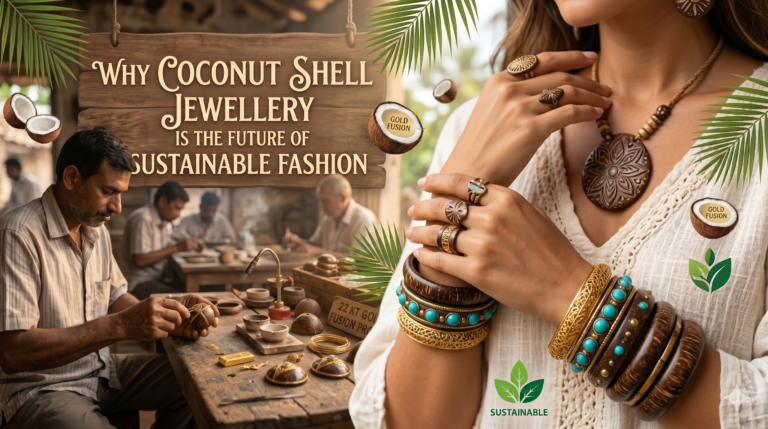
Fashion is evolving rapidly, and consumers today are becoming more conscious about what they wear and where it comes from. Sustainability is no longer just a trend — it has become a necessity. As people move away from mass-produced accessories and environmentally harmful materials, eco-friendly alternatives are gaining popularity. One of the most exciting developments in sustainable accessories is coconut shell jewellery.

Made from natural coconut shells that would otherwise be discarded as waste, this unique form of handmade jewellery combines creativity, sustainability, and timeless style. From earrings and necklaces to bracelets and pendants, coconut shell accessories are transforming the fashion industry with their rustic charm and eco-conscious appeal.

In this blog, we will explore why coconut shell jewellery is becoming the future of sustainable fashion and why consumers around the world are embracing this beautiful handmade trend.

The Rise of Sustainable Fashion

The fashion industry is one of the largest contributors to pollution and environmental waste globally. Fast fashion encourages excessive production and consumption, leading to resource depletion and landfill waste. Modern consumers are now seeking products that align with ethical and environmental values.

Sustainable fashion focuses on reducing environmental impact by using eco-friendly materials, ethical production methods, and recyclable resources. This shift has increased the demand for products made from natural materials such as bamboo, wood, jute, and coconut shells.

Among these options, coconut shell jewellery stands out because it transforms agricultural waste into stylish accessories without harming the environment.

What is Coconut Shell Jewellery?

Coconut shell jewellery is created using discarded coconut shells that are cleaned, shaped, polished, and handcrafted into fashionable accessories. Skilled artisans carefully design each piece to showcase the natural texture and beauty of the shell.

Unlike plastic or synthetic jewellery, coconut shell accessories are biodegradable, lightweight, and environmentally friendly. Since every shell has a unique texture and pattern, each jewellery piece becomes one-of-a-kind.

This type of handmade jewellery often includes:

  • Coconut shell earrings
  • Coconut shell necklaces
  • Coconut shell bangles
  • Coconut shell pendants
  • Beaded eco-friendly accessories

The earthy and natural appearance of coconut shell jewellery makes it perfect for both casual and bohemian fashion styles.

Eco-Friendly and Sustainable Material

One of the biggest reasons coconut shell jewellery is gaining attention is its sustainability. Coconut shells are natural waste products generated after consuming coconut water and flesh. Instead of throwing them away, artisans recycle them into beautiful fashion accessories.

This process reduces waste while minimizing the need for synthetic materials like plastic and resin. Unlike metal mining or plastic manufacturing, coconut shell processing has a significantly lower environmental impact.

Benefits of coconut shell as a sustainable material include:

  • Biodegradable and eco-friendly
  • Renewable natural resource
  • Reduces agricultural waste
  • Requires minimal energy for processing
  • Non-toxic and safe for the environment

As sustainability becomes a major priority for consumers, products like coconut shell jewellery are expected to dominate the eco-fashion market.

The Beauty of Handmade Jewellery

Another reason coconut shell jewellery is the future of fashion is the growing appreciation for handmade products. Consumers are increasingly valuing craftsmanship over factory-made accessories.

Every piece of handmade jewellery reflects the creativity, skill, and dedication of artisans. Unlike mass-produced items, handmade jewellery carries individuality and authenticity.

Coconut shell jewellery artisans often use traditional crafting techniques, including hand carving, polishing, engraving, and natural finishing methods. This makes each product unique and meaningful.

Handmade jewellery also supports small businesses and local artisan communities, helping preserve traditional craftsmanship while promoting ethical fashion practices.

Lightweight and Comfortable to Wear

Comfort is an important factor in fashion accessories, and coconut shell jewellery excels in this area. Coconut shell pieces are incredibly lightweight compared to metal jewellery, making them easy to wear for long hours.

People who experience discomfort from heavy earrings or chunky necklaces often prefer natural handmade jewellery because it feels lighter on the skin.

Additionally, coconut shell jewellery is ideal for:

  • Daily wear
  • Summer fashion
  • Travel accessories
  • Beachwear styling
  • Bohemian and minimalist outfits

Its lightweight nature makes it practical while maintaining a stylish appearance.

Unique and Natural Aesthetic

Modern consumers are moving toward authentic and nature-inspired designs. Coconut shell jewellery offers a raw, earthy, and organic aesthetic that cannot be replicated by machine-made accessories.

Each coconut shell has its own natural grain, texture, and color variations, making every jewellery item visually distinct. No two pieces are exactly alike.

This uniqueness appeals to fashion lovers who want accessories that stand out while reflecting their eco-conscious lifestyle.

Coconut shell jewellery pairs beautifully with:

  • Cotton and linen outfits
  • Ethnic wear
  • Boho fashion
  • Resort wear
  • Casual everyday styling

Its versatility makes it suitable for multiple fashion trends and personal styles.

Affordable Sustainable Fashion

Sustainable fashion is often associated with expensive pricing, but coconut shell jewellery offers an affordable alternative. Since coconut shells are widely available as waste material, production costs remain relatively low.

This allows consumers to purchase eco-friendly handmade jewellery without spending excessively.

Affordable pricing also makes coconut shell jewellery attractive for:

  • Gift items
  • Fashion boutiques
  • Online handmade stores
  • Eco-conscious shoppers
  • Artisan exhibitions and fairs

As demand grows, more brands are incorporating coconut shell accessories into their sustainable collections.

Supports Ethical and Local Businesses

Buying handmade jewellery made from coconut shells often means supporting local artisans and small-scale businesses. Many coconut shell jewellery products are handcrafted by rural communities and independent craftsmen.

This creates employment opportunities while preserving traditional artistic skills.

Ethical shopping has become a major consumer trend, with people preferring products that positively impact communities and the environment.

When consumers choose coconut shell jewellery, they contribute to:

  • Fair trade practices
  • Rural employment generation
  • Sustainable craftsmanship
  • Women-led artisan businesses
  • Eco-conscious entrepreneurship

This social impact further strengthens the value of sustainable handmade accessories.

Growing Popularity in Global Fashion

The global fashion industry is embracing eco-friendly accessories more than ever before. Designers, influencers, and sustainable fashion brands are promoting natural materials as alternatives to synthetic products.

Coconut shell jewellery is increasingly featured in:

  • Eco-fashion collections
  • Handmade jewellery marketplaces
  • Sustainable lifestyle brands
  • Fashion exhibitions
  • Online artisan platforms

Social media has also played a major role in increasing awareness about sustainable fashion trends. Consumers now actively search for products that align with eco-friendly values.

As environmental concerns continue to grow, the demand for sustainable accessories like coconut shell jewellery is expected to rise significantly in the coming years.

Final Thoughts

The future of fashion is sustainable, ethical, and environmentally responsible. Coconut shell jewellery perfectly represents this transformation by turning natural waste into stylish and meaningful accessories.

Its eco-friendly nature, affordability, handcrafted beauty, and unique aesthetic make it an ideal choice for modern consumers who value sustainability and individuality.

As awareness about environmental conservation continues to increase, more people are likely to embrace handmade jewellery made from natural materials. Coconut shell jewellery is not just a fashion accessory — it is a symbol of conscious living and sustainable style.

For anyone looking to support eco-friendly fashion while wearing something unique and artistic, coconut shell jewellery is undoubtedly the future of sustainable fashion.

India is a land where every ornament tells a story. Jewellery is not merely an accessory here—it is deeply woven into the social, cultural, and spiritual fabric of life. From ancient civilizations to modern-day celebrations, the importance of jewellery in Indian tradition goes far beyond beauty and adornment. It reflects identity, heritage, status, beliefs, and emotional connections that span generations.

In Indian culture, jewellery is seen as a symbol of prosperity, spirituality, and femininity. Whether it is a bride adorned in gold or a newborn wearing tiny silver anklets, jewellery plays a role in almost every stage of life. This blog explores how jewellery holds immense significance in Indian traditions—touching on its spiritual symbolism, cultural value, regional diversity, and modern relevance.


1. Historical Roots of Jewellery in India

The importance of jewellery in Indian tradition dates back thousands of years to the Indus Valley Civilization. Archaeological discoveries have revealed intricate ornaments made from gold, beads, shells, and semi-precious stones. These early pieces were not just decorative—they indicated social status and were often used in rituals.

Over centuries, jewellery evolved with influences from different dynasties like the Mauryas, Guptas, Mughals, and Rajputs. Each era contributed unique styles, such as Kundan, Meenakari, Polki, and Temple jewellery. These styles were often inspired by nature, mythology, and spirituality, making each piece deeply meaningful.

Jewellery was also considered a form of wealth storage. In times when banking systems did not exist, gold ornaments acted as financial security, especially for women. This tradition still continues today, reinforcing the cultural and economic importance of jewellery.


2. Spiritual Significance of Jewellery

One of the most profound aspects of jewellery in Indian culture is its spiritual connection. Jewellery is believed to have protective and healing properties, often linked to energy flow in the body.

a) Connection with Chakras and Energy

In Indian spiritual philosophy, the human body has energy centers known as chakras. Many traditional ornaments are designed to align with these points:

  • Maang Tikka (forehead) is placed near the Ajna Chakra (third eye), symbolizing wisdom and focus.
  • Necklaces are worn around the Vishuddha Chakra (throat), representing communication and truth.
  • Bangles and rings influence energy flow in the hands.
  • Anklets and toe rings are connected to grounding energy and stability.

This alignment reflects the deeper importance of jewellery in Indian tradition—not just as decoration, but as a tool for balance and well-being.

b) Protection from Negative Energies

Jewellery, especially gold and silver, is believed to ward off negative energies. In many households, children are made to wear black beads or silver ornaments to protect them from the evil eye. Similarly, sacred symbols engraved in jewellery serve as spiritual shields.

c) Religious Symbolism

Many ornaments are directly linked to religious beliefs. For example:

  • Mangalsutra symbolizes marital commitment and protection.
  • Nose rings are associated with Goddess Parvati, representing purity and devotion.
  • Temple jewellery is inspired by deities and worn during rituals and classical dances.

These traditions emphasize how jewellery is not just worn—it is revered.


3. Cultural Importance in Indian Traditions

Jewellery plays a central role in Indian culture, especially in ceremonies and life milestones. It reflects customs, values, and social identity.

a) Weddings and Bridal Jewellery

Indian weddings are incomplete without elaborate jewellery. Each piece worn by the bride has cultural and symbolic significance:

  • Mangalsutra signifies marital status.
  • Chooda (red bangles) represents prosperity and happiness.
  • Nath (nose ring) symbolizes honor and beauty.
  • Payal (anklets) reflect grace and femininity.

Bridal jewellery is often passed down through generations, making it a symbol of family heritage. The importance of jewellery in Indian tradition is most visible during weddings, where it represents not only beauty but also blessings, wealth, and cultural continuity.

b) Festivals and Rituals

During festivals like Diwali, Durga Puja, and Akshaya Tritiya, wearing jewellery is considered auspicious. Buying gold on Akshaya Tritiya, for instance, is believed to bring prosperity and good fortune.

Jewellery is also offered to deities in temples as a form of devotion. This practice highlights its sacred value beyond material worth.

c) Social Identity and Status

Historically, jewellery indicated a person’s social and economic status. Heavier and more intricate designs were worn by royalty and wealthy families, while simpler pieces were used by common people.

Even today, jewellery can reflect regional identity, marital status, and cultural background. It acts as a visual language that communicates tradition and belonging.


4. Regional Diversity in Jewellery Traditions

India’s diversity is beautifully reflected in its jewellery styles. Each region has its own unique designs, materials, and symbolism.

  • South India: Temple jewellery made of gold, often featuring deities and mythological motifs.
  • Rajasthan and Gujarat: Heavy silver jewellery, vibrant designs, and intricate craftsmanship.
  • Maharashtra: Traditional pieces like the Thushi necklace and Nath.
  • Punjab: Bold bridal jewellery including Chooda and Kalire.
  • West Bengal: Delicate gold jewellery with artistic detailing.

This regional variety adds depth to the importance of jewellery in Indian tradition, making it a rich and diverse cultural expression.


5. Jewellery as a Symbol of Feminine Power

In Indian culture, jewellery is often associated with femininity and empowerment. It enhances beauty, but more importantly, it represents strength, dignity, and identity.

Goddesses in Hindu mythology are depicted wearing elaborate jewellery, symbolizing power and abundance. Women wearing jewellery are seen as embodiments of these divine qualities.

Moreover, jewellery serves as a form of financial independence for women. Gold ornaments, in particular, are considered personal assets that provide security during difficult times.


6. Emotional and Generational Value

Beyond its material and cultural significance, jewellery holds deep emotional value. It is often gifted during important life events—birthdays, weddings, anniversaries—and becomes a cherished memory.

Heirloom jewellery passed from one generation to another carries stories, traditions, and family legacy. Wearing such pieces creates a connection with one’s roots and ancestors.

This emotional aspect further strengthens the importance of jewellery in Indian tradition, making it timeless and irreplaceable.


7. Modern Relevance and Changing Trends

While traditions remain strong, jewellery in India has evolved with changing lifestyles and fashion trends. Today, people prefer lightweight, minimalistic designs for daily wear, while still valuing traditional pieces for special occasions.

Artificial jewellery has also gained popularity due to affordability and versatility. However, gold and traditional jewellery continue to hold a special place, especially during weddings and festivals.

Modern designers are blending traditional craftsmanship with contemporary styles, creating jewellery that appeals to younger generations while preserving cultural heritage.


8. Economic Importance of Jewellery

India is one of the largest consumers of gold in the world. The jewellery industry plays a significant role in the country’s economy, providing employment to millions of artisans and craftsmen.

From small local jewellers to large brands, the industry supports livelihoods and promotes traditional skills. The continued demand for jewellery highlights its enduring importance in Indian tradition and economy.


Conclusion

The importance of jewellery in Indian tradition goes far beyond aesthetics. It is a powerful symbol of spirituality, culture, identity, and heritage. From ancient times to the modern era, jewellery has remained an integral part of Indian life—marking celebrations, protecting beliefs, and preserving traditions.

Each ornament tells a story—of love, faith, prosperity, and legacy. Whether worn during rituals, gifted in celebrations, or passed down through generations, jewellery continues to hold a sacred and cultural significance that is uniquely Indian.

In a world that is constantly evolving, jewellery remains a timeless link between the past and the present—a shining reflection of India’s rich and vibrant traditions.