Author

alizabeth

Browsing

GLP-1 medications have become an important topic in medical weight management because they may help some patients regulate appetite, improve satiety, and support metabolic health under clinical supervision. These treatments are not one-size-fits-all, so anyone considering a GLP-1 treatment program in Irvine should understand how the medications work, who may qualify, what monitoring involves, and why medical guidance is important.

What Are GLP-1 Medications?

GLP-1 stands for glucagon-like peptide-1, a hormone involved in blood sugar regulation, digestion, and appetite signaling. GLP-1 receptor agonist medications are designed to mimic some of the effects of this hormone in the body. They can help slow stomach emptying, support feelings of fullness, and influence how the body manages glucose.

GLP-1 receptor agonists are commonly used in the treatment of type 2 diabetes and obesity, and researchers have noted rapid growth in their use for weight-related care. Some weight management programs describe semaglutide and tirzepatide as medications that affect appetite and blood sugar regulation, often alongside nutrition and lifestyle support. Because these medications affect important metabolic processes, they should be used only under appropriate medical supervision.

Why Medical Supervision Matters?

A GLP-1 program should begin with a health evaluation. This may include a review of medical history, current medications, weight history, metabolic risk factors, lab work, and treatment goals. Medical supervision helps determine whether GLP-1 therapy is suitable and whether any precautions are needed.

People searching for a GLP-1 treatment program in Irvine should be careful with programs that focus only on fast weight loss without proper evaluation. A safe program should include eligibility screening, side effect education, dose planning, follow-up visits, and monitoring. Some medical weight loss programs in Irvine include comprehensive lab testing, consultations, medication management, and follow-up support as part of the treatment process.

Who May Be a Candidate?

GLP-1 medications may be considered for adults with obesity or certain weight-related health conditions, depending on the specific medication and clinical guidelines. Some programs mention that GLP-1 injections are commonly prescribed for individuals with a BMI of 30 or higher, or a BMI of 27 or higher with obesity-related conditions such as type 2 diabetes. However, eligibility should always be confirmed by a qualified medical professional.

Not everyone is a good candidate. A clinician may need to review personal or family history of certain endocrine conditions, pancreatitis risk, gallbladder concerns, pregnancy status, digestive disorders, and current medications. This is why self-prescribing or using compounded products without oversight can be risky.

What Happens During Treatment?

A GLP-1 treatment program usually begins with a low dose and may increase gradually depending on tolerance and clinical goals. This gradual approach can help reduce side effects and allow the body to adjust. Some patients may notice appetite changes within weeks, while broader weight and metabolic changes often take longer.

When reviewing a GLP-1 treatment program in Irvine, patients should ask how often follow-ups occur and what is monitored. Regular check-ins may include weight trends, waist measurements, side effects, appetite response, blood pressure, blood sugar markers, and lifestyle habits. Treatment should be adjusted based on individual response rather than a fixed plan for everyone.

Possible Side Effects

Like all prescription medications, GLP-1 treatments can cause side effects. Common side effects may include nausea, vomiting, diarrhea, constipation, bloating, reduced appetite, or digestive discomfort. These effects are often mild and may improve as the body adjusts, but some people may need dose changes or additional support.

Medical weight loss resources note that common side effects of GLP-1 injections include nausea, vomiting, diarrhea, and constipation, and that many side effects are mild and improve with time. Patients should immediately report severe abdominal pain, persistent vomiting, dehydration symptoms, or other concerning reactions. A responsible program should explain both benefits and risks before treatment begins.

Lifestyle Support Still Matters

GLP-1 medications are not a replacement for healthy habits. Nutrition, protein intake, strength training, sleep, hydration, and long-term behavior change all play important roles in sustainable results. Without these foundations, patients may lose muscle, struggle with energy, or regain weight after stopping medication.

Many supervised medical weight loss programs combine GLP-1 medications with diet and lifestyle modification for safer and more effective weight management. A complete plan should help patients build habits that continue beyond the medication phase. This includes learning how to manage hunger cues, maintain muscle mass, choose nutrient-dense foods, and keep realistic goals.

Questions to Ask Before Starting

Before beginning treatment, patients should ask clear questions. What medication is being prescribed? Is it FDA-approved for the intended use? What labs are needed? What side effects should be expected? How often are follow-ups scheduled? What happens if weight loss is too fast or side effects become difficult?

People comparing GLP-1 treatment programs in Irvine should also ask about medication sourcing, dose escalation, ongoing monitoring, and long-term maintenance planning. If a program cannot explain safety protocols or medical oversight, it may not be the right choice. A thoughtful provider should focus on health markers, sustainable progress, and patient education rather than only the number on the scale.

Conclusion

GLP-1 medications may support weight management for appropriate patients, but they require careful screening, dosing, monitoring, and lifestyle support. Patients considering treatment under Dr. Adonis Saremi or any qualified medical provider should ask detailed questions, review risks and benefits, and choose a plan built around individualized care. A well-structured program should focus on safety, metabolic health, side effect management, and long-term habits instead of rapid results alone. 

The demand for skilled massage therapists continues to grow as more people recognize the benefits of wellness and therapeutic care. Choosing the right schools for massage is a critical step for anyone looking to enter this rewarding field. A quality massage school not only provides technical knowledge but also prepares students for real-world practice through hands-on training and professional development.

With various institutions offering different programs, facilities, and learning methods, understanding what to look for in a massage school can help you make an informed decision and build a successful career.

What Are Massage Schools?

San Antonio massage schools are specialized institutions that train students in the art and science of massage therapy. These programs typically include coursework in anatomy, physiology, massage techniques, and professional ethics. Most programs are designed to meet state licensing requirements, which often mandate a minimum number of training hours.

For example, many massage therapy programs require at least 500 hours of instruction, covering both theoretical knowledge and practical experience to prepare students for licensing exams.

Key Features of Quality Massage Schools

Comprehensive Curriculum

A well-rounded curriculum is essential for developing both technical and theoretical expertise. Students should learn a variety of massage techniques, including relaxation massage, deep tissue therapy, and clinical applications. Programs often include subjects like anatomy, kinesiology, and health sciences to ensure a strong foundation.

Hands-On Training

Practical experience is one of the most important aspects of massage education. Many schools offer internship programs or clinic-based training where students can practice their skills on real clients under supervision. This hands-on exposure helps build confidence and prepares students for professional work.

Experienced Instructors

The quality of instructors significantly impacts the learning experience. Skilled educators with industry experience can provide valuable insights, techniques, and guidance that go beyond textbooks.

Modern Facilities

Advanced training facilities enhance the learning environment. Some schools provide specialized equipment such as professional massage tables, hydrotherapy setups, and dedicated practice rooms to simulate real-world settings.

Types of Massage Therapy Programs

Fundamental Programs

These programs focus on the basics of massage therapy and meet licensing requirements. They typically include foundational courses and introductory hands-on training.

Advanced or Mastery Programs

Advanced programs offer additional training hours and specialized techniques. These programs often include extended internships, allowing students to refine their skills and gain more practical experience.

Hybrid Learning Options

Some schools now offer hybrid programs that combine online theoretical learning with in-person practical training. This flexible approach allows students to balance education with other commitments.

Benefits of Attending a Massage School

  • Career Opportunities
  • Skill Development
  • Licensing and Certification

Factors to Consider When Choosing a School

Accreditation and Licensing

Ensure the school is recognized by relevant regulatory bodies and meets state requirements. This guarantees that your education will be valid for licensing.

Program Duration and Flexibility

Programs can vary in length, typically ranging from 6 to 9 months, depending on the schedule and course structure. Flexible options such as part-time or evening classes can be beneficial for working students.

Internship Opportunities

A strong internship program allows students to gain real-world experience and refine their techniques. Some schools operate clinics where students can practice regularly.

Financial Options

Many institutions offer payment plans or financial assistance to make education more accessible. Understanding tuition costs and available support can help you plan your education effectively.

The Role of Practical Experience in Massage Training

The Academy for Massage in San Antonio offers Hands-on practice, which is essential for mastering massage therapy techniques. Internship clinics and supervised practice sessions provide students with the opportunity to work with real clients, allowing students to gain valuable experience before entering the workforce.

Conclusion

Choosing the right massage school is a crucial step toward building a successful career in wellness and therapy. By focusing on curriculum quality, hands-on training, and professional development opportunities, students can find programs that align with their goals. Whether you are considering a massage therapy school in San Antonio, selecting the right institution will set the foundation for long-term success in the industry. Therefore, making an informed choice ensures you gain the right skills, credentials, and confidence needed to thrive in a professional massage therapy career.

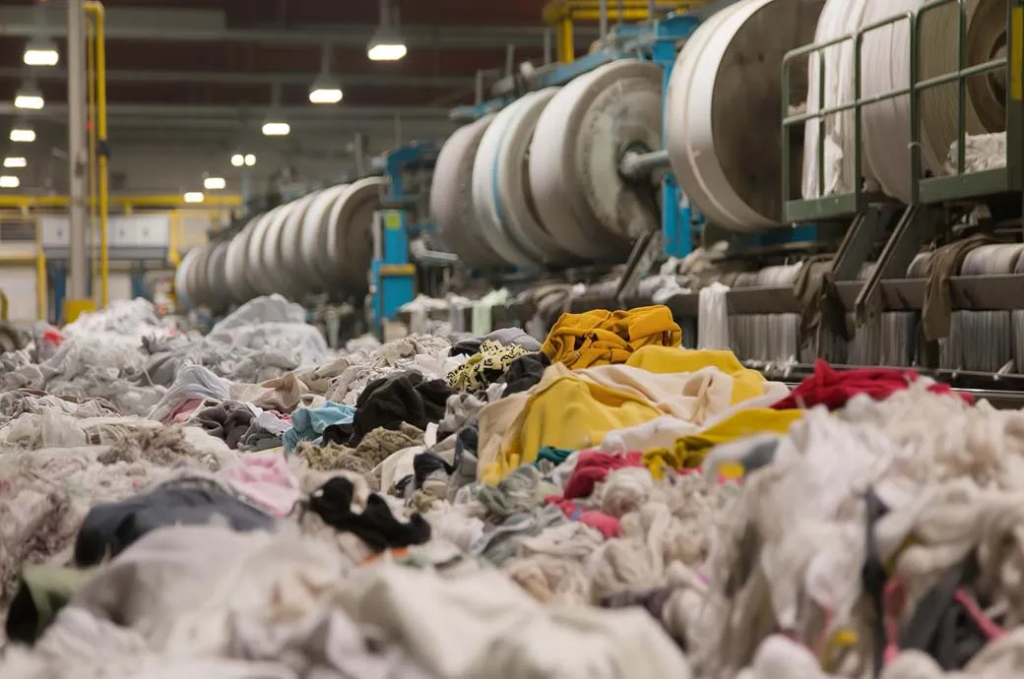
Textile waste is a growing concern in Australia, with millions of tons of clothing and fabrics ending up in landfills each year. To combat this environmental challenge, textile recycling programs have emerged across the country, helping to reduce waste, conserve resources, and promote sustainable practices. This blog explores the leading textile recycling in Australia and what makes it impactful. Understanding these programs can help individuals and businesses participate effectively in recycling initiatives.

The Importance of Textile Recycling in Australia

Textile recycling initiatives in Australia aim to reduce environmental harm caused by discarded fabrics. Clothing and textiles contribute significantly to landfill waste, taking years to decompose and releasing harmful greenhouse gases in the process. By recycling textiles, valuable materials such as cotton, wool, and synthetic fibres can be repurposed into new products, minimising waste and supporting the circular economy.

Recycling also reduces the need to produce raw materials, which consume water, energy, and chemicals. With rising awareness of sustainable fashion, textile recycling programs have gained attention among consumers, designers, and businesses looking to adopt eco-friendly practices.

Leading Textile Recycling Programs in Australia

1. REDcycle Program

The REDcycle program is one of Australia’s most recognised recycling initiatives. While primarily focused on soft plastics, many participating centres accept textiles as part of broader sustainability efforts. Retailers like Coles and Woolworths collaborate with REDcycle to collect items that would otherwise go to landfill.

2. Salvos Stores by The Salvation Army

The Salvation Army operates an extensive network of Salvos Stores across Australia, collecting second-hand clothing and household textiles. Donated items are either resold in stores, extending their lifespan, or recycled into products such as rags and insulation. This program not only reduces waste but also supports community programs funded by the organisation.

3. St Vincent de Paul Society

St Vincent de Paul Society provides collection bins nationwide for clothing and textiles. Items in good condition are resold to support local communities, while damaged textiles are recycled into industrial rags or processed into fibres for manufacturing. This dual approach maximises resource use while benefiting charitable causes.

4. Oxfam Shops and Recycling Bins

Oxfam in Australia runs stores and recycling bins accepting a wide range of textiles. Clothing donations are inspected and sold, and items unsuitable for resale are recycled responsibly. The program combines environmental impact with social benefits, funding Oxfam’s community and development programs.

5. Local Council Recycling Initiatives

Many local councils across Australia provide textile recycling services through kerbside collection, drop-off points, or community recycling centres. These initiatives are designed to make textile recycling accessible to residents, encouraging participation in sustainable waste management. Programs vary by region, so checking local council websites for details is recommended.

How to Participate Effectively

Participating in textile recycling programs in Australia requires understanding what items are acceptable. Most programs accept clothing, shoes, and household textiles, including towels and sheets. Items should be clean and dry, and heavily soiled or damaged textiles may need to be separated for specialised recycling.

Businesses, particularly those in the fashion and hospitality industries, can contribute significantly by implementing internal collection points or partnering with textile recycling providers. This not only supports environmental responsibility but also enhances brand reputation among eco-conscious consumers.

Benefits of Engaging in Textile Recycling

Engaging with textile recycling Australia programs provides multiple benefits:

  • Environmental Impact: Reduces landfill waste and greenhouse gas emissions.
  • Resource Conservation: Recycles fibres, reducing the need for virgin materials.
  • Social Benefits: Many programs fund charitable initiatives through reselling donated textiles.
  • Economic Value: Creates jobs in sorting, processing, and resale of recycled materials.

Conclusion: 

Textile recycling programs in Australia are essential tools for combating clothing waste and promoting sustainability. By participating in initiatives like REDcycle, Salvos Stores, and local council programs, both individuals and businesses can make a tangible difference. For businesses managing large volumes of textile waste, integrating recycling initiatives with infrastructure solutions such as waste compactors can further enhance efficiency and sustainability. These programs not only extend the life of textiles but also create social and environmental value.

The global vodka market has evolved significantly, with consumers now seeking more than just a neutral spirit. Taste, origin, ingredients, and craftsmanship all play a role in defining premium quality. Among the newer entries gaining attention is Dutch Barn vodka, known for its distinctive production process and flavour profile.

This shift toward unique, craft-style spirits reflects a growing demand for authenticity and innovation in the beverage industry.

What Is Dutch Barn Vodka?

Dutch Barn Vodka is a premium spirit produced in North Yorkshire, England, crafted using an unconventional base ingredient—British apples. Unlike traditional vodkas made from grains or potatoes alone, this vodka blends apple-based spirit with a small amount of potato spirit, resulting in a unique texture and taste.

With an alcohol content of around 40% ABV and a standard 70cl bottle size, it fits within the typical vodka category while offering a different sensory experience.

Unique Production Process

Apple-Based Distillation

One of the defining features of Dutch barn vodka is its use of apples as the primary ingredient. Apples contribute a naturally smooth and slightly fruity character that sets it apart from grain-based vodkas.

Multi-Stage Distillation

The vodka is distilled through multiple stages—reportedly up to 70 distillation plates—to refine the spirit and remove impurities. This process results in a clean, crisp finish.

Small-Batch Craftsmanship

Each batch is carefully monitored during production, with regular tasting to ensure consistency and quality. This attention to detail enhances the final product’s smoothness and balance.

Flavour Profile and Characteristics

Crisp and Clean Taste

The taste of Dutch barn vodka is often described as crisp and clean, with subtle orchard fruit notes derived from the apple base.

Smooth Texture

The addition of potato spirit contributes a creamy mouthfeel, making the vodka smoother compared to many traditional options.

Balanced Aroma

It features light aromas of ripe apples with hints of spice, offering a refined sensory experience without being overpowering.

How does it differ from Traditional Vodka?

Ingredient Innovation

Most vodkas are made from grains like wheat or corn, but Dutch Barn vodka uses apples, giving it a distinct identity and flavour profile.

Craft Approach

Unlike mass-produced spirits, this vodka focuses on small-batch production and careful refinement, which enhances quality and consistency.

Sustainability Elements

The use of locally sourced ingredients and efficient production methods reflects a growing emphasis on sustainability within the spirits industry.

Ways to Enjoy Dutch Barn Vodka

Neat or On the Rocks

Due to its smoothness, it can be enjoyed on its own, allowing the subtle apple notes to stand out.

Classic Cocktails

It works well in cocktails like martinis or vodka tonics, where its clean profile complements other ingredients.

Creative Mixology

The slightly fruity undertone makes it suitable for modern cocktail recipes that highlight fresh flavours and balanced sweetness.

Growing Popularity of Craft Vodkas

The rise of craft spirits has changed how consumers perceive vodka. Instead of being seen as a neutral base, vodka is now appreciated for its origin, ingredients, and production methods.

Products like Dutch Barn vodka reflect this trend, offering a more refined and distinctive alternative to traditional options. Consumers are increasingly drawn to beverages that tell a story—whether it’s about craftsmanship, sustainability, or unique ingredients.

Factors to Consider When Choosing a Premium Vodka

Ingredients

Look for vodkas made from high-quality raw materials, as this directly impacts taste and smoothness.

Distillation Process

Multiple distillation stages often result in a cleaner and more refined spirit.

Flavor Profile

Some vodkas are neutral, while others—like apple-based varieties—offer subtle flavor notes.

Intended Use

Choose a vodka based on whether you plan to drink it neat or use it in cocktails.

Conclusion

The vodka industry continues to evolve as consumers seek higher-quality and more distinctive options. For those looking to explore premium spirits, platforms like RV Drinks offer access to a variety of unique options, making it easier to discover new and interesting flavours. With its apple-based composition and careful production process, Dutch Barn Vodka stands out as a modern take on a classic spirit.

The post natal period presents unique challenges for returning to exercise after pregnancy and birth. The body has changed dramatically, and resuming activity safely requires thoughtful progression rather than jumping back to pre-pregnancy routines immediately. Understanding what a proper postnatal exercise program includes, when to start different activities, and what to watch for helps new mothers rebuild strength and fitness safely without the setbacks that rushing causes. The goal is sustainable return to full activity over months, not a rushed return within weeks that creates problems taking far longer to address than patient progression would have required.

What Changes During Pregnancy and Birth

Pregnancy and birth produce significant changes that affect exercise readiness. Abdominal muscles stretch and may separate into diastasis recti to varying degrees. Pelvic floor muscles stretch and may weaken from vaginal delivery or remain tight from cesarean recovery. Posture changes from pregnancy affect back and core function even after delivery. Cesarean delivery involves abdominal surgery requiring specific recovery considerations that differ from vaginal birth recovery. Hormonal changes continue for months, especially while breastfeeding. All of these factors influence how any post natal exercise program should be structured.

Timeline Expectations

Most providers clear women for exercise at the six-week postpartum check, though cesarean recoveries often need longer before higher-impact activity becomes appropriate. Early return focuses on gentle movement: walking, breathing exercises, and pelvic floor rehabilitation. Higher-impact activity typically waits until core and pelvic floor function is assessed and restored to appropriate levels. Rushing the timeline risks injury and setbacks that take far longer to address than patient progression would have required. Patient progression produces a sustainable return to full activity without the recurring setbacks that rushed returns cause reliably.

Core and Pelvic Floor Rehabilitation

A good post natal exercise program prioritizes rebuilding core and pelvic floor function before higher-demand activities that require that foundation. Deep abdominal activation, diaphragmatic breathing, and pelvic floor exercises form the base. Checking for diastasis recti guides which core exercises are appropriate and when to progress them. Many women benefit from working with pelvic health physiotherapists who assess function and provide specific guidance rather than following generic programs that may not match individual needs. The foundation built during these early weeks supports everything that comes later in the return to activity.

Building Back Strength and Fitness

After core and pelvic floor foundations are established, programs progress through bodyweight strengthening, gradual resistance training, and eventually higher-intensity work over weeks and months. Focus areas include the posterior chain of glutes and back to counter pregnancy posture changes, upper body strengthening for carrying-related tasks that only intensify with a growing baby, and overall strength for daily life demands. Avoid exercises that dramatically increase intra-abdominal pressure until core function can support them without bulging or leaking, both signs that progression should slow.

Considerations for Specific Situations

Cesarean recoveries need extended timelines and specific attention to scar mobilization and abdominal wall healing. Diastasis recti requires specific core rehabilitation rather than traditional abdominal exercises that can worsen the separation. Pelvic floor dysfunction signs such as leaking, pressure, or heaviness warrant specialist assessment before continuing exercise progression. Breastfeeding mothers benefit from extra hydration and fuel for exercise beyond typical caloric guidance. Individual situations vary widely, and any quality post natal exercise program accommodates these differences rather than applying a single template universally.

Signs to Pause and Reassess

Certain symptoms indicate exercise should pause until proper assessment can identify what is happening. Urine leaking during exercise suggests pelvic floor dysfunction needing specific attention. Bulging or doming of the abdominal wall indicates diastasis or core insufficiency that higher-intensity exercise will worsen. Pelvic pressure or heaviness suggests prolapse concerns warranting medical review. Lower back pain indicates compensation patterns needing addressing. Proper response to these signs protects long-term function rather than dismissing them and pushing through into worsening problems.

Mental and Emotional Benefits

Beyond physical recovery, thoughtful return to exercise supports mental and emotional wellbeing during a period when many new mothers experience significant mood challenges. Movement releases natural mood support chemistry, provides stress relief from the demands of infant care, creates adult time and space away from continuous caregiving, and supports healthy sleep that affects mood profoundly. These benefits often become more important than the pure physical benefits during the first postpartum year and justify patient investment in exercise even when time feels scarce.

Final Thoughts

For mothers in the Inner West considering professional support, working with a physio Leichhardt practice that offers specialized post natal exercise physiology combines expert assessment with personalized progression that returns women to full activity safely and sustainably without the setbacks generic programs often cause.