Author

alexmargon

Browsing

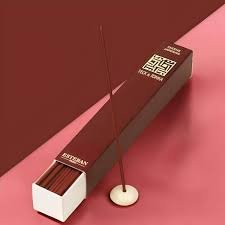
Incense has been used for a long time in homes, temples and personal places. People still buy incense today for peace, relaxation and fresh air. This demand increases when people feel stress in their daily life and seek simple ways to relax at home. When retailers understand what people need, they can design their products to meet their needs. This is where smart manufacturing plans begin for better sales and long-term customer interest. They also think about safety, comfort, and trust. If the incense is natural and smooth, people are more likely to purchase it again.

How does scent quality affect buying behavior?

Scent is the main reason people choose incense. Buyers react quickly to smell. If the scent feels balanced, buyers return. If the scent feels too strong or too weak, buyers stop buying. Sellers need to test different scent types with real users. When people like scent, they often tell others about their experience. This increases demand without extra cost. Many small shops grow this way. A simple scent that works well in home use brings repeat buyers. This builds long-term demand for incense sellers

How can storytelling support incense sales?

Storytelling helps customers understand the product’s meaning. Instead of only selling incense, sellers can explain how incense gets made or how incense gets used in daily life. This builds interest. One small shop shared how incense production started with family help. People liked this simple story. Sales increased because buyers felt closer to the product. Story helps turn normal products into something people remember. This increases demand naturally without strong marketing

How do seasons affect incense demand?

Incense demand changes during the year. In the cold season people use warm scents. In the hot season, people prefer light scents. Sellers who understand this pattern can plan stock better. Festivals also increase demand. People buy incense for home use and gifts. If sellers prepare early they can sell more during these times. Planning with seasons helps maintain steady business and avoids stock problems

How does social media help increase reach?

Social media helps sellers show products to more people. Simple posts of incense sticks, home use or packaging can attract attention. People like to see real use before buying. Customer reviews also matter. When buyers share feedback others trust the product more. This creates natural demand growth. Sellers who stay active online can reach new customers without high cost. Consistent posts keep the brand visible in daily feed

How does pricing affect demand?

Price affects buying decisions directly. If the price stays too high some customers avoid buying. If the price stays too low, customers may think the product lacks quality. Balance stays important. Sellers can offer small packs for new buyers. If customers like the product they buy larger packs later. This method helps build trust step by step. Fair pricing supports steady demand and long-term customer base

Why do eco-friendly materials increase demand?

Many buyers now care about the environment. Buyers prefer products that do not harm nature. This includes packaging and raw materials. One example is biodegradable incense packaging USA, which shows how eco-friendly choices can support both business and nature. People feel better when they know a product stays safe for the environment. This increases trust and demand. Eco friendly approach also improves brand image and attracts modern customers who think about future impact

How can shelf placement improve sales?

In stores placement of product matters. If incense stays at eye level more people notice the product. If incense stays hidden, sales drop. Clear design also helps on shelves. Simple and readable packaging makes decisions easier for buyers. Many sellers use neat design systems like Packlim solutions to improve shelf display. Better visibility leads to more chances of purchase

How do partnerships help incense sellers grow?

Partnerships help sellers reach new markets. Working with gift shops, wellness stores or home shops brings more buyers. When incense shows in different places more people see the product. This increases demand without direct advertising. Small businesses grow faster through such links. Partnerships also help in learning customer needs from different markets

What future trends will shape incense demand?

Future demand will focus on simple products, natural use and online buying. People want easy access and clear information before purchase. Online stores will grow more in incense sales. Sellers who adapt early will get better results. Clean design, clear message and stable quality will matter more than complex branding. Demand will grow for sellers who understand simple customer needs

How can packaging support long term incense growth?

Packaging is not only for looks. Packaging protects products and builds trust. Good packaging keeps incense safe during storage and transport. Packaging also shows product details clearly. Simple packaging design helps customers decide faster. When buyers understand the product easily buyers purchase more. This supports long term demand growth. Sellers who focus on packaging often see better repeat sales and stronger market presence over time
When people walk inside a bakery or store, they do not first taste sweets. They first see them. That first look decides if they want to buy or not. Premium-looking sweets are not always about expensive ingredients. It is more about how they are shown. Clean design, soft colors, and neat arrangement make a big difference. Even simple sweets can look special if they are placed with care. Good lighting also helps products look fresh and rich. When everything looks balanced and neat, customers feel trust. That trust is what makes sweets feel more valuable before they are even tasted.

How does packaging shape the first customer impression?

Packaging creates the first message between product and customer before any direct experience. A strong box or wrap tells a story of care and quality. When packaging feels clean and firm, customers assume the sweets inside are fresh and safe. Weak or messy packaging can reduce interest even if the product inside is good. Shape fold quality and surface finish all work together to build an impression. Transparent windows also help customers see products clearly without opening the box. This small detail increases confidence and curiosity at the same time. Simple design often works better than crowded patterns because the eyes understand it faster.

Why do colors matter in sweet packaging design?

Color choice plays a strong role in how sweets are seen on shelves. Soft shades like cream light brown and pastel pink create a calm feeling and connect with freshness. Dark tones can show richness especially for chocolate-based sweets. Bright colors attract attention but too many shades together can create confusion. When colors match flavor or theme customers understand the product faster without reading much text. Balanced color use also keeps the shelf view clean and organized. In busy display areas simple color harmony helps products stand out quietly. This visual balance improves trust and makes sweets look more premium.

How can typography improve product appeal?

Typography means the style of letters used on packaging and labels. Simple and clean fonts help customers read product details without effort. If writing is too decorative or crowded the message becomes hard to understand and people may ignore the product. Clear font choice improves trust because everything looks more organized. Font size also matters since important details like flavor or name should stand out first. Good spacing between letters makes design easy on the eyes. When typography is balanced the whole packaging feels more professional and neat. It also guides customer focus toward key information quickly. Even small bakery brands can look well structured with proper font selection.

What role does material quality play in shelf presentation?

Material quality decides how the product feels before opening. Strong and smooth material gives the impression of care and safety. Thin or rough material can make sweets look less fresh even when the taste is good. Cardboard kraft paper and food-safe layers are commonly used to improve structure and appearance. Good material also protects sweets during transport so they reach the shelf in proper shape. When the box stays firm and clean customer trust increases naturally. Material also affects how design prints appear on the surface because smooth texture supports clearer printing. This makes colors and fonts look sharp and clean.

How does product shape influence buying behavior?

Shape affects attention before the customer even reads the label. Square round or custom shapes all send different signals. Square boxes feel structured and professional while round shapes feel soft and friendly. Unique shapes attract curiosity because they break normal shelf patterns. People often pick items that look different first because eyes notice contrast quickly. Shape also helps stacking and arrangement on shelves which keeps the display clean and balanced. If products are easy to place and align the shelf looks more organized. This order improves the shopping experience because customers find items faster. Shape also connects with memory since unusual forms stay in mind longer.

Why is branding consistency important for sweets?

Brand consistency means keeping the same visual style across all products. This includes colors, fonts , logo placement and packaging style. When everything looks similar customers recognize the brand quickly without confusion. This builds trust over time because a familiar look feels safe. If each product uses a different style the brand message becomes unclear and less memorable. Consistency also helps new products fit into the same family design making shelf presence stronger. Even small bakery shops can look professional when they follow simple design rules. In competitive markets like the USA consistent branding helps stand out in crowded shelves.

How do bakery displays affect customer choices?

The bakery display plays a strong role in the final buying decision. Clean and organized shelves help customers see products clearly without confusion. When sweets are arranged properly each item gets the attention it deserves. Poor arrangement can hide good products and reduce interest. Height placement also matters because eye-level items get more attention. Lighting improves the fresh look and makes colors appear more appealing. Grouping similar items together helps customers compare easily. Good spacing avoids clutter and gives a calm shopping experience. When the display feels open and neat customers feel more comfortable spending time choosing.

How can Unique Packaging Ideas improve product appeal?

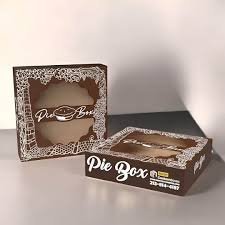
Creative packaging makes pies look more special even before opening. Simple pie can turn into an attractive product with smart design choices. Clear window tops show freshness and texture which builds trust instantly. Soft color themes and clean edges also improve visual quality. Some unique pie packaging ideas include small handles or a gift-style structure which make the product feel ready for sharing. This approach increases the emotional value of the item. When customers see something unique, curiosity grows and interest increases. That interest often leads to purchase without extra effort. These ideas also protect pie during handling keeping shape safe.

Why are custom boxes important for modern brands?

The modern food market focuses strongly on presentation and identity. This is where custom bakery boxes play an important role. These boxes allow brands to design packaging based on size, shape and theme of the product. Custom design helps sweets look more organized and attractive on shelves. It also supports storytelling through visuals like colors, patterns and logos. Customers often feel more connected when packaging looks thoughtful and planned. Custom boxes also improve protection during delivery and storage keeping sweets fresh and safe. When a product arrives in good condition customer trust increases. This trust often leads to repeat buying.

How does Packlim help in creating better packaging solutions?

Many businesses now look for simple ways to improve product presentation without complex processes. One helpful option is Packlim which offers packaging support for different bakery needs. Good packaging can change how customers see products even before purchase. In competitive bakery spaces small visual changes can create big differences in attention and sales. Packlim helps create packaging that feels clean, structured and ready for display. It supports businesses in building stronger shelf presence through better design choices. When packaging matches product quality customer trust increases.

What final small changes make sweets stand out more?

Small details often create the strongest impact on shelf appearance. Clean edges, proper folding and balanced spacing improve overall look without major cost. Even small labels or simple tags can add value when placed carefully. Texture also plays a role because smooth finish feels more premium. Arrangement order matters because organized products always attract more attention. Lighting around the shelf can improve freshness and highlight color balance. When everything looks neat customers feel more confident in their choice. These small improvements work together to create a better visual experience. Sweets do not always need big changes to look premium.

Food sticking to plates and pans creates waste that eats directly into restaurant profit margins daily. Clean releases during plating keep presentations looking perfect instead of messy and torn apart badly. Preventing adhesion saves time during busy service hours when every second counts toward customer satisfaction. Smart kitchen practices around non-stick methods reduce ingredient costs and always improve dish consistency. Simple solutions exist that most restaurants overlook costing them money they could easily be saving.

Why Does Food Sticking to Surfaces Cost Restaurants Money Every Single Day?

Torn fish fillets or broken cookies get thrown away instead of served, losing money immediately. Extra time spent scraping stuck items off surfaces slows down kitchen output during rush periods. Damaged presentations force replating which wastes plated components that cannot be reused for anyone. How can sticking free plating boost your restaurant profit by eliminating these preventable losses completely? Staff frustration from dealing with sticky situations leads to mistakes and slower overall work pace. Replacing ruined batches of baked goods or proteins adds up to thousands in annual waste. Prevention costs far less than constantly replacing ingredients that stick and get destroyed during cooking.

What Preparation Methods Stop Raw Ingredients from Adhering During Cooking Processes?

Patting proteins completely dry before cooking removes surface moisture that causes sticking to pans instantly. Room temperature ingredients cook more evenly and release easier than cold items straight from coolers. Dusting fish or chicken lightly with flour creates a barrier preventing direct contact with hot surfaces. Proper preheating of pans allows proteins to sear quickly forming crust that naturally releases when ready. Oil applied to food itself works better than just coating pans which burn off quickly. Custom wax paper between stacked raw patties prevents them from freezing together into solid blocks. Marinating in acidic liquids too long breaks down proteins making them mushy and prone to falling apart.

How Do Different Cooking Surfaces Affect Whether Food Releases Cleanly or Sticks?

Stainless steel requires proper heating and fat but gives superior browning when used correctly always. Cast iron seasoned well becomes naturally non-stick over time improving with regular use and care. Non-stick coatings work great but deteriorate under high heat or metal utensils scratching surfaces badly. Carbon steel pans combine benefits of both stainless and cast iron for professional kitchens preferring versatility. Ceramic surfaces stay cooler than metal but can chip easily requiring gentle handling and specific tools. Wax Papers Hub in CA provides liners that protect surfaces while preventing sticking during baking processes. Knowing which surface works best for each cooking method prevents waste and improves results consistently.

What Tools and Utensils Help Remove Food Without Damaging Delicate Items?

Thin flexible spatulas slide under items easier than thick rigid ones that push and tear. Offset angles provide better leverage and control when flipping or transferring plated components carefully done. Silicone tools withstand high heat without melting and will not scratch expensive non-stick surfaces. Fish spatulas with slots allow steam and fat to drain, preventing suction that causes sticking. Wide surfaces support entire pieces instead of narrow tools that cut through soft items accidentally. Food paper placed under finished items absorbs excess grease preventing sogginess and making transfers cleaner. Proper tool selection reduces damaged portions that cannot be served maintaining profit margins throughout service.

Why Does Presentation Quality Suffer When Food Sticks During Final Plating Steps?

Torn edges and missing pieces make dishes look sloppy instead of carefully crafted by skilled professionals. Sauce smears from scraping stuck items off surfaces ruin clean plate presentation standards expected today. Rearranging damaged components wastes time and rarely achieves the same visual impact as proper first attempts. Customers notice imperfect presentations even subconsciously affecting their overall satisfaction and willingness to return again. Social media posts featuring your food need looking perfect or they hurt rather than help. Protecting presentation quality through anti stick practices maintains brand image justifying prices charged to diners.

What Barrier Methods Protect Both Food and Cooking Surfaces Effectively?

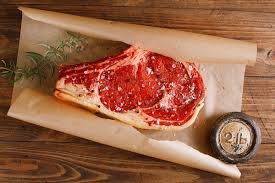
Parchment paper withstands oven temperatures and provides a completely non-stick surface for baking anything perfectly. Silicone mats get reused thousands of times eliminating waste from disposable parchment sheets bought repeatedly. Oil sprays create thin even coatings using less fat than pouring or brushing methods. Butter mixed with flour makes traditional roux barrier preventing sticking in vintage cookware still used. Banana leaves or corn husks used in certain cuisines add flavor while preventing adhesion naturally. Food paper cut to custom sizes fits any pan or tray protecting surfaces during various preparations. Strategic barrier use reduces cleaning time and extends the life of expensive kitchen cookware saving replacement costs.

Can Proper Storage Techniques Prevent Sticking Issues Before Cooking Even Starts?

Separating individual portions with dividers stops freezing together requiring forceful dangerous separation later on. Wrapping items individually before refrigerating prevents moisture transfer that causes clumping and adhesion between pieces. Storing sauces in proper boxes prevents skin formation on tops that sticks when trying to use. Keeping dry ingredients truly dry through sealed storage prevents humidity causing caking and clumping problems. Regular rotation of stock ensures nothing sits too long developing sticky surfaces from age and deterioration. Climate controlled storage maintains consistent conditions preventing condensation that makes everything stick together badly over time. Prevention during storage saves far more time and money than fixing problems discovered during service.

Food delivery has become a daily need for many people. It is fast and easy. You can order food from any place near your home. Many small and large kitchens are working day and night to fill these orders. But how do they keep food safe? Food safety solutions help prevent sickness and build trust. Without care for safety, people may fall ill. Every step from cooking to packing needs clean hands and safe tools. Fresh food can only stay safe when the right steps are followed. Good food safety keeps people healthy and helps food businesses grow.

How Do Food Safety Solutions Protect Fresh Food During Transport?

Hot or cold food must travel safely from kitchen to door. If food cools down too soon germs may grow fast. Food safety solutions keep food at the right heat level. Delivery boxes need clean liners to stop leaks. Drivers must check food before leaving the kitchen. Short trips help food reach homes fresh. Safety checks help stop bad smells or changes in taste. A clean bag can save food from dust or dirt. Every step keeps harmful bacteria away. Safe packing and short travel time protect your food.

Why Should Takeout Kitchens Use Clean Packing Tools?

Clean packing tools protect food from outside dirt. Bags and boxes must stay dry and fresh. Dirty hands or tools can spoil food. Safe gloves and covers stop bacteria from spreading. Food safety solutions teach how to clean each surface often. Workers must wash hands before touching food again. Every clean pack builds trust in customers. A safe kitchen means repeat orders. Food safety builds your brand name and helps your work stay strong. Clean packing helps people enjoy their food without worry.

How Does Temperature Control Help Food Safety Solutions Work Well?

Temperature is key in keeping food safe. Cold food must stay below five degrees Celsius. Hot food must stay above sixty degrees. Wrong heat range can let bacteria grow fast. Safe boxes and bags help keep the right heat longer. Drivers should move food right after packing. They should not leave it sitting outside. Using food safety solutions helps measure heat often. Simple thermometers can show safe numbers. A small step like this can stop many food problems.

How Can Staff Training Improve Food Delivery Safety?

Workers who know safety rules can stop many risks. They must learn how germs spread through touch or air. Training helps them understand clean habits. Washing hands after touching money or phones is key. Food safety solutions include easy lessons and steps. A trained worker can find mistakes early. Every person must take care of their tools and clothes. Clean aprons and hair covers keep dirt away. Small habits make a big change in how safe food stays.

Why Is Packing Design Important for Clean Food Delivery?

Strong and simple packing can protect food well. Safe boxes stop spills and keep food fresh longer. Packing design must fit each food type. Soft foods need tight covers. Dry foods need paper that can breathe. Food safety solutions work better when packing supports clean steps. Some papers are made to handle wet foods well. This is where wholesale custom-printed butcher paper helps protect food safely. The right design saves food from germs and waste. Good design also gives your customer a clean eating feel.

How Does WaxPapersHub Support Food Safety in Delivery?

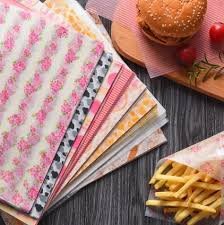
Food safety solutions include such smart packing items. They keep food safe till it reaches your home. Each sheet is made to handle heat or cold. Waxed paper can be used for burgers, sandwiches or fried foods. Safe paper keeps flavors right and surfaces clean. Many food brands trust this kind of safe packing. WaxPapersHub makes strong paper for safe food packing. Their work helps small and large kitchens in many cities. Clean and safe paper helps stop leaks and moisture.

How Can Food Safety Solutions Help Small Food Stores Grow?

Small shops can grow fast when food stays safe. A single bad order can hurt their name. Food safety solutions give them simple tools to prevent that. With clean packing and trained hands they can keep each order safe. Small shops can win customer trust through fresh and safe delivery. Word spreads when people enjoy safe food. Regular cleaning and right packing make big changes. A safe system saves cost and stops waste. Growth starts with care for safety in every small step.

Why Does Canada Focus So Much on Food Safety in Delivery?

Many people in Canada order food each day. With so many orders safety must come first. Food safety solutions help control risks that come from fast service. Rules guide how to cook, store and move food safely. Clean packing and right temperature checks are key points. People trust food when they see clean bags and boxes. Local laws help make sure every kitchen follows safe rules. These steps save people from sickness and build strong customer trust.

Can Food Safety Solutions Shape the Future of Takeout Business?

Yes they can. Safe food brings happy customers and repeat orders. Food safety solutions help businesses stand out in a busy market. When people know food is clean they share good reviews. Simple habits like clean tools and fast delivery make a big change. Future food delivery will depend on care and trust. Strong packing, safe cooking and trained workers create safe food chains. Every clean step adds to your success. Safety will always guide food delivery growth.

Conclusion

Safe food builds trust and health in delivery service. Food safety solutions help every kitchen keep food clean from start to end. Each worker must follow simple steps to stop germs. Clean packing and safe temperature checks save lives. When you care for safety your business grows strong. Customers will always value safe and fresh food. Food safety is not just a rule but a daily need.