Obesity has become one of the most serious health concerns worldwide, affecting people physically, emotionally, and mentally. Many individuals struggle for years with strict diets, intense workout routines, and temporary weight loss methods that fail to deliver lasting results. For people dealing with severe obesity and obesity-related medical conditions, surgical weight loss procedures can provide a life-changing solution. Among these procedures, Gastric Bypass in Islamabad has gained significant popularity due to its proven long-term success and health benefits.
This advanced bariatric procedure is designed to help patients achieve sustainable weight loss by reducing stomach size and altering the digestive process. It not only supports significant weight reduction but also helps improve conditions such as diabetes, high blood pressure, sleep apnea, and joint pain. Choosing the right treatment requires understanding how the procedure works, its benefits, risks, recovery process, and whether you are a suitable candidate.
- Helps achieve long-term weight management
- Improves obesity-related health conditions
- Enhances confidence and overall quality of life
- Provides medically supervised weight loss support
Understanding Gastric Bypass Surgery
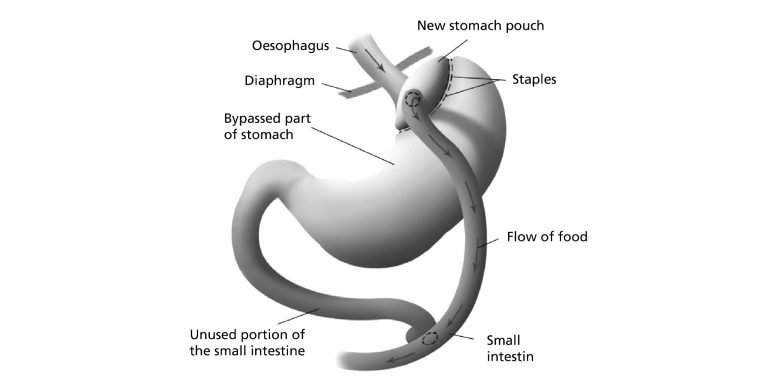
Gastric bypass surgery in Islamabad is one of the most effective bariatric procedures performed for individuals struggling with obesity. The surgery works by creating a small pouch from the stomach and connecting it directly to the small intestine. This reduces food intake and limits calorie absorption, resulting in significant weight loss over time.
Unlike temporary weight loss solutions, this surgical approach focuses on long-term health improvement. Patients usually feel full after consuming smaller portions, which naturally reduces calorie consumption. The procedure also triggers hormonal changes that help control hunger and improve metabolism.
How the Procedure Works
The surgery is generally performed laparoscopically using minimally invasive techniques. Small incisions are made, reducing recovery time and minimizing scarring.
- A small stomach pouch is created
- Part of the small intestine is bypassed
- Food intake and calorie absorption are reduced
- Hormonal changes support appetite control
Types of Gastric Bypass Procedures
Different variations of gastric bypass may be recommended depending on the patient’s medical condition and weight loss goals.
- Roux-en-Y gastric bypass
- Mini gastric bypass
- Revisional bariatric procedures
Each option has unique advantages, and the treatment plan is customized according to individual needs.
Who Is a Suitable Candidate?
Not every person struggling with weight issues requires surgery. Candidates are usually evaluated based on body mass index (BMI), overall health condition, and previous weight loss attempts.
You may be considered suitable if:
- Your BMI is over 40
- Your BMI is over 35 with obesity-related diseases
- Diet and exercise have not provided long-term results
- You are committed to lifestyle and dietary changes
A qualified bariatric surgeon carefully evaluates medical history before recommending the procedure.
Major Benefits of Gastric Bypass Surgery
One of the reasons this procedure remains highly recommended is its ability to deliver both physical and medical benefits. Many patients experience dramatic improvements in overall health within months after surgery.
Significant Weight Loss
Patients often lose a large percentage of excess body weight within the first year after surgery. Consistent follow-up and healthy lifestyle habits help maintain these results.
- Rapid weight reduction
- Better body mobility
- Improved physical activity levels
- Long-term weight maintenance support
Improvement in Medical Conditions
Weight loss surgery can positively impact several chronic diseases associated with obesity.
- Better blood sugar control
- Reduced high blood pressure
- Improvement in sleep apnea
- Relief from joint and back pain
Many patients also notice improved cholesterol levels and heart health.
Emotional and Psychological Benefits
Obesity often affects mental health and self-confidence. Successful weight loss can improve emotional well-being and social confidence.
- Enhanced self-esteem
- Increased energy levels
- Better social interaction
- Reduced emotional stress related to weight issues
Preparing for the Procedure
Preparation is essential for achieving successful outcomes. Before surgery, patients undergo medical evaluations, nutritional counseling, and lifestyle assessments.
Medical Assessments
Your healthcare team may recommend:
- Blood tests
- Imaging studies
- Cardiac evaluation
- Nutritional assessments
These evaluations ensure the body is ready for surgery.
Lifestyle Adjustments Before Surgery
Patients are encouraged to adopt healthier habits before the procedure.
- Stop smoking
- Reduce sugary foods
- Increase water intake
- Follow a pre-surgery diet plan
Making these changes early can improve recovery and long-term success.
Recovery After Gastric Bypass Surgery
Recovery is different for every patient, but most individuals can return to daily routines within a few weeks. Following post-operative instructions carefully is extremely important.
Hospital Stay and Early Recovery
Most patients stay in the hospital for one to three days after surgery. Walking and light movement are encouraged soon after the procedure to improve circulation and reduce complications.
- Gradual physical movement
- Controlled liquid diet
- Pain management support
- Continuous monitoring during recovery
Diet Progression After Surgery
The stomach needs time to heal, so patients follow a step-by-step dietary plan.
Phase 1: Liquid Diet
Immediately after surgery, only clear liquids are allowed.
Phase 2: Pureed Foods
Soft and blended foods are introduced gradually.
Phase 3: Soft Foods
Patients slowly transition toward soft solid foods.
Phase 4: Long-Term Healthy Diet
Balanced meals become part of the patient’s permanent lifestyle.
- Small meal portions
- Protein-rich foods
- Reduced sugar intake
- Regular hydration
Potential Risks and Complications
Like any surgical procedure, gastric bypass may involve certain risks. However, choosing experienced professionals and following medical advice significantly reduces complications.
Possible risks include:
- Infection
- Nutritional deficiencies
- Dumping syndrome
- Blood clots
- Digestive discomfort
Routine follow-ups and nutritional supplements help manage long-term health effectively.
Importance of Lifestyle Changes
Surgery is not a shortcut to weight loss. It is a powerful tool that works best when combined with healthy habits. Long-term success depends heavily on commitment and consistency.
Healthy Eating Habits
Patients are advised to:
- Eat slowly
- Avoid overeating
- Focus on protein intake
- Limit processed foods
Regular Exercise
Physical activity helps maintain weight loss and improve fitness levels.
- Walking
- Light strength training
- Low-impact cardio
- Stretching exercises
Consistency is more important than intensity during the recovery phase.
Long-Term Results and Success Rates
Gastric bypass has one of the highest long-term success rates among bariatric procedures. Patients who follow proper dietary guidelines and maintain regular follow-up appointments often achieve lasting transformation.
What Patients Can Expect
Within the first year, many patients experience:
- Significant excess weight loss
- Better energy and stamina
- Reduced dependency on medications
- Improved daily mobility
Long-term success also depends on emotional support and realistic expectations.
Common Myths About Gastric Bypass
Many misconceptions prevent people from exploring weight loss surgery as a treatment option. Understanding the facts helps patients make informed decisions.
Myth 1: Surgery Is an Easy Way Out
The procedure requires lifelong commitment to healthy eating and exercise habits.
Myth 2: Weight Always Comes Back
Patients who follow medical guidance can maintain successful results for many years.
Myth 3: Recovery Takes Too Long
Modern minimally invasive techniques have significantly improved recovery times.
Why Professional Guidance Matters
Choosing the right medical team is one of the most important decisions in your weight loss journey. Experienced professionals provide accurate assessments, personalized treatment plans, and long-term follow-up care to ensure patient safety and success.
A trusted clinic focuses not only on surgery but also on nutrition, lifestyle support, emotional guidance, and recovery monitoring. Comprehensive care increases the likelihood of successful long-term results and helps patients feel confident throughout their transformation journey.
Final Thoughts
Choosing weight loss surgery is a major decision that can positively transform both physical health and emotional well-being. For individuals struggling with severe obesity and obesity-related medical conditions, this procedure offers a scientifically proven path toward sustainable weight loss and a healthier lifestyle. Understanding the process, benefits, risks, and recovery expectations helps patients make informed and confident choices.
If you are considering Gastric Bypass in Islamabad, selecting a trusted and experienced clinic can make all the difference in your journey. At Slimthetics Clinic, patients receive personalized care, advanced bariatric treatments, professional nutritional guidance, and compassionate support throughout every stage of transformation. With a patient-focused approach and commitment to excellence, Slimthetics Clinic helps individuals move toward healthier, more confident lives with long-lasting results.