Swimming is a healthy and enjoyable activity, but prolonged exposure to water can sometimes lead to discomfort or infections in the ear canal. Earplugs for swimming are designed to prevent water from entering the ears, helping reduce the risk of conditions like swimmer’s ear. These small yet effective accessories are widely used by both beginners and professional swimmers. With increasing awareness about ear health, more people are choosing protective solutions during water activities. Understanding how swimming earplugs work and their benefits can help individuals make better decisions for maintaining comfort and safety while enjoying time in the water.
What Are Earplugs for Swimming
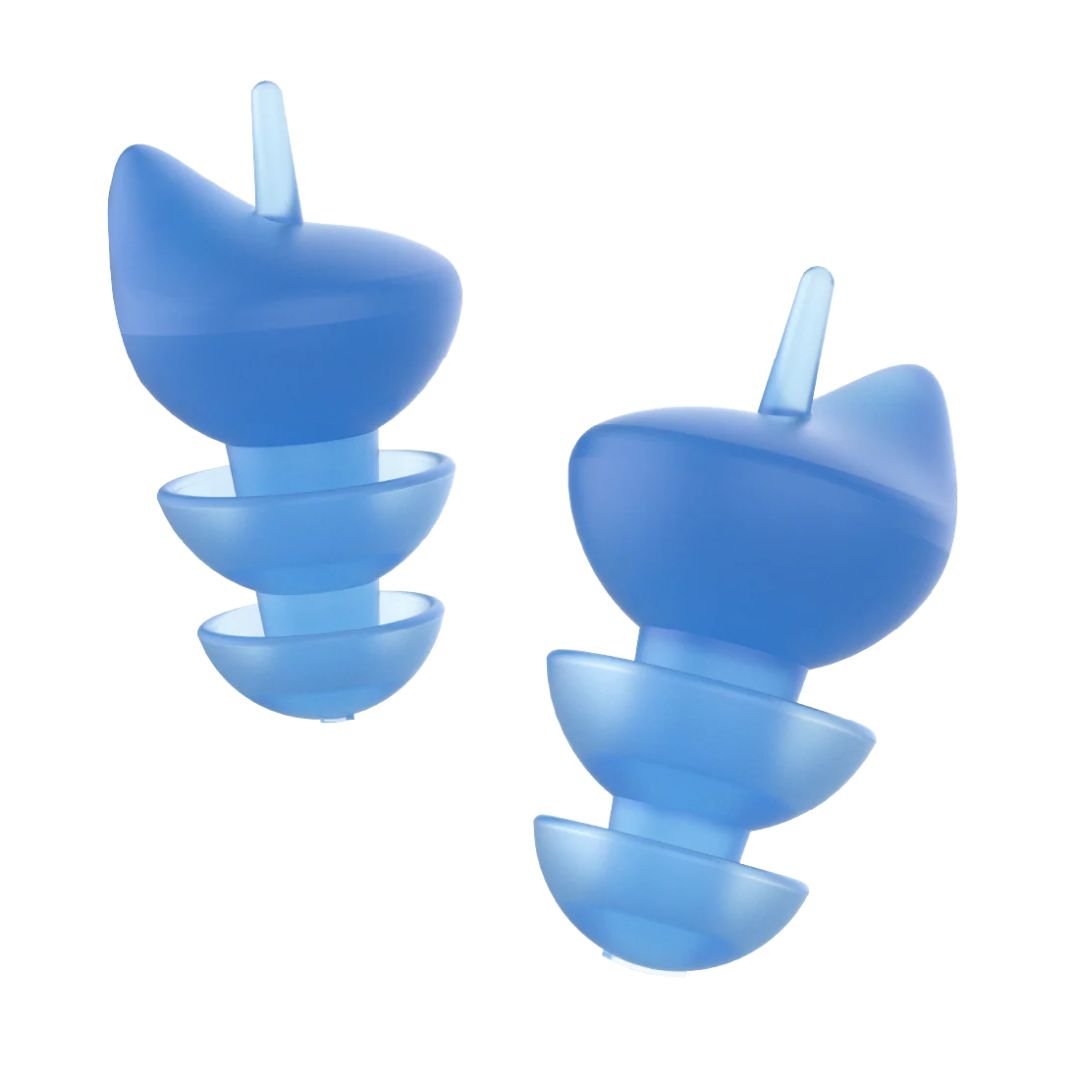
Earplugs for swimming are specially designed devices that fit into the ear to block water entry during activities like swimming, diving, or showering. They are made from materials such as silicone, foam, or wax, with silicone being one of the most popular choices. These earplugs create a seal around the ear canal, preventing water from entering and reducing the chances of irritation or infection. They are available in different shapes and sizes to suit various ear types, ensuring both comfort and effectiveness for users.
Why Ear Protection Matters
Earplugs for swimming play an important role in protecting ear health, especially for individuals prone to infections or sensitivity. Water trapped in the ear canal can create a moist environment that encourages bacterial growth. This can lead to conditions such as swimmer’s ear, which may cause pain, itching, and temporary hearing issues. Using proper ear protection helps reduce these risks and ensures a more comfortable swimming experience, particularly for frequent swimmers.
Types of Swimming Ear Plugs
Earplugs for swimming come in several types, each designed for different needs. Moldable plugs can be shaped to fit the outer ear, while pre-moulded plugs are designed to fit directly into the ear canal. These silicone earplugs are among the most commonly used due to their flexibility and comfort. They can be moulded easily to create a snug, watertight seal that prevents water from entering the ears. Other options include flanged designs and custom-made plugs, which provide a more personalised fit for long-term use.
Benefits of Using Earplugs While Swimming
One of the key advantages of earplugs for swimming is their ability to keep ears dry, which helps prevent infections and discomfort. They are especially beneficial for individuals who swim regularly or have sensitive ears. Additionally, these earplugs improve comfort by reducing the sensation of water entering the ear, allowing swimmers to focus on their activity without distraction. Reusable options are also available, making them a cost-effective and environmentally friendly choice for regular users.
How to Choose the Right Earplugs
Selecting the right earplugs for swimming depends on factors such as comfort, fit, and material. A good pair should create a secure seal without causing pressure or irritation. It is also important to consider durability and ease of cleaning, especially for reusable plugs. High-quality materials ensure long-lasting performance and better hygiene. Trying different types can help individuals find the best fit for their specific needs, improving both effectiveness and comfort.
Conclusion
Protecting your ears while swimming is essential for maintaining comfort and preventing potential health issues. Using high-quality silicone earplugs ensures a secure fit, effective water resistance, and long-lasting comfort, making them a reliable choice for swimmers of all levels. Choosing the right ear protection can significantly enhance your overall swimming experience