
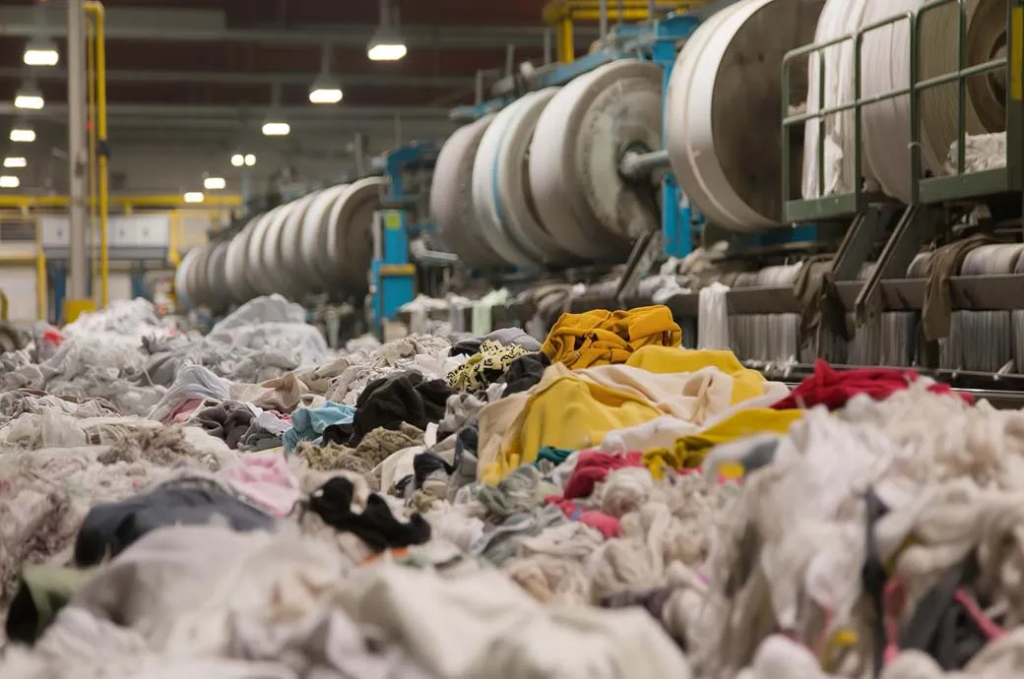
Textile waste is a growing concern in Australia, with millions of tons of clothing and fabrics ending up in landfills each year. To combat this environmental challenge, textile recycling programs have emerged across the country, helping to reduce waste, conserve resources, and promote sustainable practices. This blog explores the leading textile recycling in Australia and what makes it impactful. Understanding these programs can help individuals and businesses participate effectively in recycling initiatives.
The Importance of Textile Recycling in Australia
Textile recycling initiatives in Australia aim to reduce environmental harm caused by discarded fabrics. Clothing and textiles contribute significantly to landfill waste, taking years to decompose and releasing harmful greenhouse gases in the process. By recycling textiles, valuable materials such as cotton, wool, and synthetic fibres can be repurposed into new products, minimising waste and supporting the circular economy.
Recycling also reduces the need to produce raw materials, which consume water, energy, and chemicals. With rising awareness of sustainable fashion, textile recycling programs have gained attention among consumers, designers, and businesses looking to adopt eco-friendly practices.
Leading Textile Recycling Programs in Australia
1. REDcycle Program
The REDcycle program is one of Australia’s most recognised recycling initiatives. While primarily focused on soft plastics, many participating centres accept textiles as part of broader sustainability efforts. Retailers like Coles and Woolworths collaborate with REDcycle to collect items that would otherwise go to landfill.
2. Salvos Stores by The Salvation Army
The Salvation Army operates an extensive network of Salvos Stores across Australia, collecting second-hand clothing and household textiles. Donated items are either resold in stores, extending their lifespan, or recycled into products such as rags and insulation. This program not only reduces waste but also supports community programs funded by the organisation.
3. St Vincent de Paul Society
St Vincent de Paul Society provides collection bins nationwide for clothing and textiles. Items in good condition are resold to support local communities, while damaged textiles are recycled into industrial rags or processed into fibres for manufacturing. This dual approach maximises resource use while benefiting charitable causes.
4. Oxfam Shops and Recycling Bins
Oxfam in Australia runs stores and recycling bins accepting a wide range of textiles. Clothing donations are inspected and sold, and items unsuitable for resale are recycled responsibly. The program combines environmental impact with social benefits, funding Oxfam’s community and development programs.
5. Local Council Recycling Initiatives
Many local councils across Australia provide textile recycling services through kerbside collection, drop-off points, or community recycling centres. These initiatives are designed to make textile recycling accessible to residents, encouraging participation in sustainable waste management. Programs vary by region, so checking local council websites for details is recommended.
How to Participate Effectively
Participating in textile recycling programs in Australia requires understanding what items are acceptable. Most programs accept clothing, shoes, and household textiles, including towels and sheets. Items should be clean and dry, and heavily soiled or damaged textiles may need to be separated for specialised recycling.
Businesses, particularly those in the fashion and hospitality industries, can contribute significantly by implementing internal collection points or partnering with textile recycling providers. This not only supports environmental responsibility but also enhances brand reputation among eco-conscious consumers.
Benefits of Engaging in Textile Recycling
Engaging with textile recycling Australia programs provides multiple benefits:
- Environmental Impact: Reduces landfill waste and greenhouse gas emissions.
- Resource Conservation: Recycles fibres, reducing the need for virgin materials.
- Social Benefits: Many programs fund charitable initiatives through reselling donated textiles.
- Economic Value: Creates jobs in sorting, processing, and resale of recycled materials.
Conclusion:
Textile recycling programs in Australia are essential tools for combating clothing waste and promoting sustainability. By participating in initiatives like REDcycle, Salvos Stores, and local council programs, both individuals and businesses can make a tangible difference. For businesses managing large volumes of textile waste, integrating recycling initiatives with infrastructure solutions such as waste compactors can further enhance efficiency and sustainability. These programs not only extend the life of textiles but also create social and environmental value.