
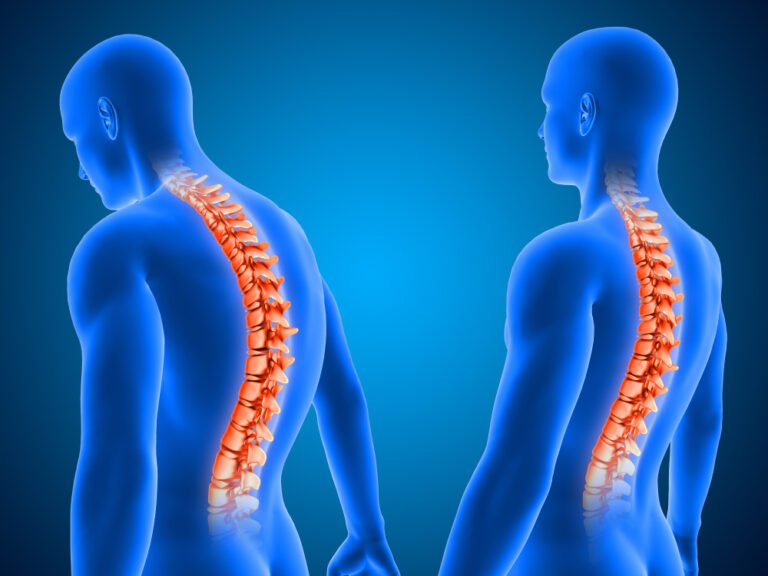
Spine-related concerns can affect movement, posture, and overall comfort in daily life. Many people experience back or neck discomfort at some stage, but not all conditions require the same level of care. Some improve with simple measures, while others need medical attention. Understanding the available treatment options helps individuals make informed decisions and avoid unnecessary delay in care.
Consulting a spine specialist in Delhi becomes important when symptoms persist or begin to interfere with daily activities. A specialist evaluates the condition through clinical examination and diagnostic tests, then recommends an appropriate course of treatment. In most cases, the focus remains on starting with non-surgical care, while keeping surgical options for conditions that require direct intervention.
Common Spine Conditions Requiring Treatment
The spine plays a key role in supporting the body and enabling movement. Several conditions can affect its function, leading to discomfort or restricted mobility. Common spine-related issues include:
- Herniated or slipped discs
- Degenerative changes due to age
- Spinal stenosis, which involves the narrowing of the spinal canal
- Muscle strain or minor injuries
These conditions may present with symptoms such as pain, stiffness, or limited movement. The severity varies from person to person. Early evaluation helps identify the cause and prevents the condition from progressing.
Non-Surgical Treatment Options
Non-surgical treatment is often the first approach for managing spine-related concerns. These methods aim to reduce discomfort, improve mobility, and support recovery without the need for invasive procedures.
- Physiotherapy and guided exercises focus on strengthening muscles and improving flexibility. Regular sessions help restore movement and reduce strain on the spine.
- Pain management techniques, including supervised therapies, help control symptoms and improve comfort.
- Lifestyle and posture correction support long-term spine health. Small adjustments in daily habits can reduce pressure on the spine and prevent further issues.
These treatments require consistency and regular follow-up. Many individuals experience gradual improvement when they follow the plan as advised.
When Non-Surgical Care Is Recommended
Doctors usually recommend non-surgical care in the early stages of spine conditions. This approach works well in the following situations:
- When symptoms remain mild to moderate
- When the condition is identified early
- When there are no signs of nerve compression or significant complications
Non-surgical treatment helps manage symptoms while allowing the body to heal naturally. Regular monitoring ensures that progress continues as expected.
Surgical Treatment Options
Surgical treatment becomes an option when non-surgical methods do not provide sufficient relief or when the condition requires direct correction. Spine surgeries aim to address the root cause of the problem and improve overall function.
Different procedures serve different purposes. Some surgeries relieve pressure on nerves, while others correct alignment or stabilise affected areas of the spine. The choice of procedure depends on the diagnosis and the patient’s condition.
When Surgery Is Considered
A doctor may recommend surgery in specific situations where conservative care does not achieve the desired results. These include:
- Persistent discomfort despite consistent non-surgical treatment
- Symptoms related to nerve involvement, such as weakness or reduced sensation
- Structural issues that affect movement or stability
In such cases, timely surgical intervention can help improve mobility and reduce long-term discomfort.
Non-Surgical vs Surgical Treatment: Key Differences
Understanding how these two approaches differ helps patients feel more confident about their treatment decisions.
- Approach: Non-surgical treatment focuses on gradual improvement through therapy and lifestyle changes. Surgical treatment addresses the issue directly through a medical procedure.
- Recovery time: Non-surgical care usually allows patients to continue their routine with minor adjustments. Surgical recovery may involve a planned period of rest and rehabilitation.
- Risk levels: Non-surgical options carry minimal risk. Surgical procedures are carefully planned, but they still involve certain considerations that require medical supervision.
- Suitability: Non-surgical care is suitable for early or moderate conditions. Surgery is considered when the condition becomes severe or does not respond to other treatments.
Each approach has a specific role in managing spine conditions, and the choice depends on individual needs.
How a Spine Specialist Decides the Right Treatment
A spine specialist in Delhi follows a systematic approach before recommending any treatment. This process ensures that each patient receives care suited to their condition.
- Clinical assessment helps understand the nature and extent of symptoms
- Diagnostic tests, such as imaging, provide a clear picture of the issue
- Medical history and lifestyle factors guide the treatment plan
Doctors usually begin with non-surgical options and monitor the response. If the condition does not improve or shows signs of progression, they may consider advanced interventions. This step-by-step approach helps maintain patient safety and improve outcomes.
Conclusion
Spine-related conditions require careful evaluation and timely management. Non-surgical treatments provide effective relief in many cases, especially when the condition is identified early. Surgical options remain important in situations where conservative care is ineffective or the condition requires direct correction.
Understanding both approaches helps individuals make informed choices and approach treatment with clarity. Seeking medical advice at the right time and following a consistent plan can support better recovery and long-term spine health.