
If you’ve been keeping an eye on the Dubai real estate market, whether as a curious investor, a first-time buyer, or someone dreaming of a life under the Arabian sun, 2026 is shaping up to be a year worth paying close attention to. Dubai has long captured global imagination with its striking skyline, tax-free lifestyle, and world-class infrastructure. But beyond the glitter, there’s a robust and maturing property market with some genuinely exciting opportunities.
So, what does the landscape look like in 2026? Let’s break it down.
Why Dubai’s Real Estate Market Remains a Global Magnet

Dubai isn’t just a city, it’s a statement. Over the past few years, it has consistently attracted high-net-worth individuals, digital nomads, and families from every corner of the world. The reasons are well-known but worth repeating: zero income tax, strong rental yields, world-class healthcare and education, and a government that actively supports foreign ownership of property.
In 2026, this momentum shows no sign of slowing. The UAE Golden Visa programme continues to serve as a powerful magnet, offering long-term residency to property investors who meet the AED 2 million threshold. For many buyers, this alone is reason enough to consider putting down roots in Dubai.
Market Outlook: Steady Growth with Smart Opportunities

After a period of exceptional price growth between 2021 and 2024, the Dubai property market is entering a phase of steadier, more sustainable expansion in 2026. Analysts point to a market that is maturing rather than overheating which is actually great news for buyers who were previously priced out or hesitant.
Key indicators for 2026 include:
- Continued demand from international buyers, particularly from Europe, South Asia, and the GCC region.
- Stable rental yields averaging between 6% and 9% in key areas significantly higher than most Western cities.
- A growing off-plan segment, with developers launching ambitious new communities across Dubai’s expanding geography.
- Infrastructure investments tied to the Dubai 2040 Urban Master Plan, which is reshaping how the city grows.
The bottom line? 2026 is neither a buyer’s panic nor a seller’s frenzy it’s a measured, opportunity-rich market for those who do their homework.
Types of Properties Available in Dubai

One of the most appealing aspects of Dubai real estate is the sheer variety. Whether you’re after a compact studio for investment purposes or a sprawling waterfront villa for family living, there’s something for every budget and lifestyle.
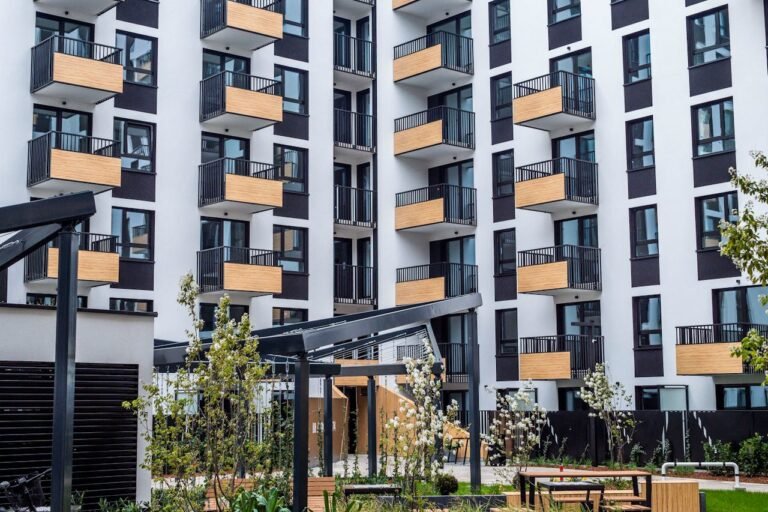
Apartments remain the most popular choice for investors and first-time buyers alike. From high-rise towers in Business Bay to contemporary mid-rise developments in Jumeirah Village Circle (JVC), apartments offer easy entry points and strong rental demand.
Townhouses and Villas have surged in popularity since the pandemic, as buyers prioritize space, greenery, and community living. Areas like Arabian Ranches, Damac Hills, and The Valley are seeing sustained demand from families and long-term residents.
Luxury Penthouses and Ultra-Prime Properties continue to attract ultra-high-net-worth buyers, particularly on Palm Jumeirah and in the Jumeirah Bay Island area, where properties regularly transact in the tens of millions of dirhams.
Off-Plan Properties deserve special mention in 2026. Developers are offering attractive payment plans sometimes as low as 10% down which makes it easier to secure a property in a new development and benefit from capital appreciation by handover.
Spotlight: Takween Aldar — Redefining Community Living in Dubai

Among the developers making waves in 2026, Takween Aldar stands out as a name to watch. A collaborative venture bringing together thoughtful design, community-focused planning, and a commitment to quality, Takween Aldar is crafting residential experiences that go far beyond just four walls.
Their developments are built around the philosophy that a home is more than a property, it’s a lifestyle. With carefully planned amenities, green spaces, and mixed-use elements, Takween Aldar communities are designed to offer residents a sense of belonging from day one.
Whether you’re a first-time buyer looking for a well-priced apartment or an investor seeking a development with strong fundamentals, Takween Aldar’s portfolio merits serious consideration. Their approach to master planning reflects a deep understanding of what modern residents in Dubai actually want: convenience, community, and quality of life.
Top Locations to Watch in 2026

Location remains the golden rule in real estate, and Dubai offers a rich map of neighbourhood each with its own character and investment profile.
Downtown Dubai & Business Bay: The heart of the city, home to the Burj Khalifa and Dubai Mall. Premium apartments here command premium rents, and occupancy rates remain among the highest in the city.
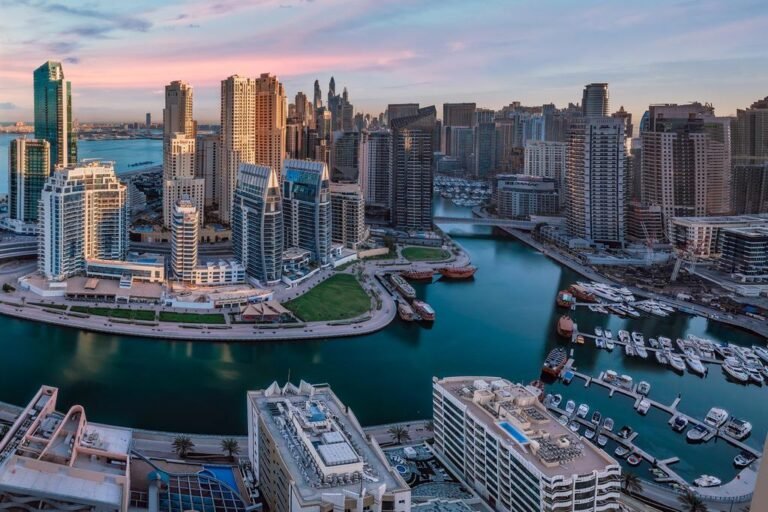
Dubai Marina & JBR: A perennial favourite for expats and tourists alike. Waterfront living, vibrant dining, and a cosmopolitan atmosphere make this one of Dubai’s most sought-after addresses.
Palm Jumeirah: The iconic man-made island continues to deliver exceptional returns on luxury villas and high-end apartments, with a profile that attracts global buyers.
Jumeirah Village Circle (JVC) & Jumeirah Village Triangle (JVT): The go-to areas for value-conscious investors. High rental yields, improving infrastructure, and a strong community feel make these among the most popular choices for savvy buyers.
Dubai Creek Harbour: With excellent connectivity and strong future growth potential, demand for studio apartments for sale Dubai Creek Harbour continues to grow among buyers looking for stylish homes, high rental yields, and long-term investment opportunities in Dubai.
Dubai South & Expo City: The long-term play. With Al Maktoum International Airport expansion on the horizon, this area is increasingly viewed as the next major growth corridor in Dubai’s real estate story.
MBR City (Mohammed Bin Rashid City): A megadevelopment that blends luxury with nature. The Meydan racecourse, crystal lagoons, and proximity to Downtown make this a compelling choice for lifestyle buyers.
Price Ranges: What Does Dubai Real Estate Actually Cost in 2026?

Here’s a realistic look at what you can expect to pay across different segments:
| Property Type | Area | Approximate Price Range |
|---|---|---|
| Studio Apartment | JVC / Dubai South | AED 450,000 – AED 750,000 |
| 1-Bed Apartment | Business Bay / Marina | AED 900,000 – AED 1.8M |
| 2-Bed Apartment | Downtown / JBR | AED 1.8M – AED 4M |
| 3-Bed Townhouse | Arabian Ranches / The Valley | AED 2.5M – AED 5M |
| 4-Bed Villa | Damac Hills / MBR City | AED 4M – AED 10M+ |
| Luxury Villa | Palm Jumeirah / Jumeirah Bay | AED 15M – AED 100M+ |
Off-plan properties can often be secured at 10–20% below equivalent ready-property prices, depending on the developer and the stage of construction.
The Dubai Lifestyle: More Than Just a Property Investment

Let’s be honest people don’t just buy property in Dubai for the yield. They buy it for the life that comes with it.
In 2026, Dubai continues to deliver on its promise as a global lifestyle hub. Over 200 nationalities call this city home. The dining scene rivals any world capital. Schools ranked among the best in the region serve the city’s growing expat population. Healthcare infrastructure is world-class. And the sheer variety of leisure options from desert safaris to Michelin-starred restaurants, from beach clubs to ski slopes indoors makes it one of the most complete cities in the world.
For families, the community developments gaining popularity in 2026 think master-planned townships with schools, parks, retail, and healthcare all within walking distance offer a quality of life that’s hard to replicate elsewhere.
Why Takween Aldar’s Vision Aligns With 2026’s Market Demands

As the Dubai property market evolves in 2026, buyers are increasingly looking for more than just square footage. They want integrated communities with character.
This is precisely where Takween Aldar distinguishes itself. Their projects reflect a keen awareness of what today’s discerning buyer values thoughtful landscaping, functional communal areas, smart home features, and proximity to key city nodes. For investors, this translates into stronger rental demand and tenant retention. For end-users, it simply means a better quality of life.
If you’re researching developers worth backing in 2026, Takween Aldar’s commitment to design excellence and community well-being places them firmly on the radar.
Key Considerations Before You Buy

Excited? Great but let’s keep things grounded. Here are a few important factors to weigh before making a purchase decision in Dubai’s 2026 market:
1. Understand Freehold vs. Leasehold Zones Foreign buyers can only purchase in designated freehold areas. Most popular developments fall within these zones, but always verify before committing.
2. Budget for Additional Costs Factor in the Dubai Land Department (DLD) transfer fee (4% of purchase price), agent fees (typically 2%), and registration trustee fees.
3. Vet Your Developer For off-plan purchases especially, check the developer’s track record. Look at past project delivery timelines and quality of construction.
4. Consider Your End Goal Are you buying to rent, to flip, or to live? Each strategy has a different optimal area, property type, and entry price point.
5. Seek Legal and Financial Advice Engage a RERA-registered agent and consider consulting a financial advisor familiar with UAE property regulations.
Frequently Asked Questions (FAQs)
Q: Is 2026 a good time to buy property in Dubai?
Yes, for most buyer profiles, 2026 represents a balanced market past the peak frenzy but still offering solid returns. Off-plan opportunities in particular present strong value propositions right now.
Q: Can foreigners buy property in Dubai?
Absolutely. Non-UAE nationals can purchase freehold property in designated zones, which cover most of the major developments across the city.
Q: What is the minimum investment for a UAE Golden Visa through property?
You need to purchase property worth at least AED 2 million to qualify for the 10-year UAE Golden Visa through real estate investment.
Q: What rental yields can I expect in Dubai in 2026?
Rental yields in Dubai typically range from 6% to 9% annually, depending on location and property type — significantly higher than most comparable global cities.
Q: Are there any property taxes in Dubai? There is no annual property tax or capital gains tax in Dubai. The main one-time cost is the 4% DLD transfer fee paid at the time of purchase.
Q: What makes Takween Aldar different from other developers?
Takween Aldar distinguishes itself through its community-first approach creating integrated developments where design, amenities, and lifestyle considerations are all thoughtfully aligned. Their projects are built for long-term livability, not just short-term appeal.
Q: Is off-plan property risky in Dubai?
Off-plan carries some risk, primarily around delivery timelines. However, RERA regulations provide significant protections for buyers, including escrow requirements for developer funds. Choosing a reputable developer substantially mitigates this risk.
Q: What are the best areas for investment in Dubai in 2026?
JVC, Dubai South, Business Bay, and MBR City are frequently cited by analysts as offering strong fundamentals for investors in 2026, balancing price accessibility with growth potential.
Conclusion: The Opportunity Is Real — Are You Ready?
Dubai’s real estate market in 2026 is not a gamble it’s a calculated opportunity for those who approach it with clarity and the right guidance. The city’s fundamentals are strong: economic diversification, population growth, a pro-investor legal environment, and a lifestyle offering that continues to attract talent and capital from around the world.
Whether you’re drawn to the buzz of Downtown Dubai, the tranquility of a suburban villa community, or the forward-thinking vision of a developer like Takween Aldar, the key is to start your journey informed, prepared, and with a clear sense of what you want your property to do for you.
The skyline keeps rising. The question is: will your name be on one of those doors?