
Author

iio12

Browsing

If you’re serious about improving your game, knowing the right cricket equipment brands can make a real difference. Not all brands are built the same. Some focus on professional-level performance, while others offer solid value for beginners and club players.

With so many options in the market, it helps to understand which brands are trusted, what they’re known for, and where they fit in your buying decisions. This guide covers some of the most reliable names in cricket equipment and what makes each one worth considering.

Why Brand Matters in Cricket Equipment

A brand isn’t just about the logo on your bat or gloves. It often reflects build quality, consistency, and years of design experience. Established cricket equipment brands invest in research, player feedback, and material quality.

That said, a big name doesn’t guarantee the perfect fit for your game. The goal is to find a brand that aligns with your level, budget, and playing style.

Grey-Nicolls: Tradition and Craftsmanship

Grey-Nicolls is one of the oldest and most respected names in cricket. Known for its high-quality bats, the brand has been used by professional players for decades.

Grey-Nicolls focuses on traditional craftsmanship combined with modern design. Their bats are especially popular among players who value balance, control, and a classic feel. While their premium options can be expensive, they also offer mid-range products that deliver solid performance.

Kookaburra: Innovation and Power

Kookaburra is widely recognised for its innovative designs and powerful bats. The brand is especially popular in limited-overs formats where aggressive batting is key.

Kookaburra bats typically feature large sweet spots and thick edges, making them ideal for players who like to dominate bowlers. They also produce a full range of cricket equipment, including balls, gloves, and pads, all known for consistent quality.

Gunn & Moore (GM): Precision and Performance

Gunn & Moore, often called GM, is another top-tier brand with a strong reputation. Their bats are designed with precision and are known for excellent pickup and balance.

GM products are often chosen by players who focus on technique and timing rather than just power. Their cricket equipment range also includes high-quality protective gear, making them a well-rounded choice.

SS (Sareen Sports): Value and Popularity

SS (Sareen Sports) has gained massive popularity, especially in South Asia. The brand offers a wide range of products, from budget-friendly options to professional-grade gear.

SS bats are known for their strong profiles and good value for money. If you’re looking for reliable cricket equipment without overspending, this brand is often a smart place to start.

SG (Sanspareils Greenlands): Trusted by Professionals

SG (Sanspareils Greenlands) is another major name with a long history in cricket. Many international players have used SG bats, which speaks to their quality and performance.

SG offers a wide range of cricket equipment, including bats, balls, and protective gear. Their products are known for durability and consistency, making them suitable for both intermediate and advanced players.

Adidas: Modern Design and Comfort

Adidas brings its global sports expertise into cricket equipment, especially in footwear and apparel. While not a traditional cricket-only brand, Adidas has made a strong impact with its modern designs and comfort-focused gear.

Their cricket shoes are particularly popular for their grip, support, and lightweight feel. If comfort and movement are priorities for you, Adidas is worth considering.

New Balance: Balance and Innovation

New Balance has become increasingly popular in cricket over the years. Known for combining innovation with performance, the brand offers high-quality bats and footwear.

New Balance bats are often used by professional players and are designed for both power and control. Their cricket equipment line reflects a modern approach while maintaining reliability.

Spartan: Bold and Aggressive Style

Spartan stands out for its bold branding and aggressive design philosophy. The brand gained attention through high-profile player endorsements and continues to grow in popularity.

Spartan bats are typically designed for power hitters, with thick edges and strong profiles. They’re a good option if your game is built around attacking shots.

How to Choose the Right Brand for You

Instead of focusing only on the most popular name, think about what you actually need from your cricket equipment.

If you’re a beginner, brands like SS or SG offer great value without sacrificing quality. Intermediate players might lean toward GM or Kookaburra for better performance. Advanced players often invest in premium options from Grey-Nicolls or New Balance.

It’s also worth trying different brands when possible. Two bats from different companies can feel completely different, even if they look similar on paper.

Final Thoughts

Knowing the top cricket equipment brands gives you a strong starting point, but the best choice always comes down to personal preference. Each brand has its strengths, and the right one depends on your playing style, level, and budget.

Don’t get caught up in brand names alone. Focus on how the gear feels, performs, and supports your game. The right cricket equipment should give you confidence every time you step onto the field.

In the end, the best brand is the one that helps you play your best cricket.

A building loses value on paper even when it’s gaining worth in reality. That gap creates room to lower what gets taxed each year. Picture this: money comes in steadily from tenants, yet the tax bill shrinks anyway. This happens because rules allow owners to spread out a property’s cost across decades. Not every investor sees that move coming. Over time, those yearly reductions add up quietly behind the scenes. Multi-unit homes offer more ground for these shifts than single rooms or small setups. Rental numbers matter, sure. So does price growth later. But pairing them with slow write-offs changes the full picture entirely.

This article looks at depreciation in multi-family real estate, exploring how those numbers get calculated, while showing its role for beginners and seasoned buyers alike.

Depreciation in Real Estate Explained Simply

Year by year, buildings lose value in the eyes of the tax code; this is called depreciation. Though your apartment building might sell for more today than yesterday, its roof still sags a little more each season. The government allow owners to claim small pieces of the building’s original price every year as it ages. That worn stairway? That ageing furnace? They quietly feed into yearly write-offs. Even rising prices out front do not stop slow decay behind the walls.

Here’s something to keep in mind: depreciation covers just the structure, never the ground beneath it. Since land doesn’t break down over time, there’s no way to apply depreciation to it.

Depreciation in Multi-Family Housing

Apartments, along with homes split into two or three units, count as housing you rent out. The usual tax rules say their value gets spread out across 27.5 years. This happens evenly each year through what is known as straight-line depreciation.

This is what happens when you try it out:

  • Start by figuring out how much the property costs to buy.
  • Take away what the land is worth.
  • What’s left becomes the amount you can depreciate.
  • Split the amount into chunks of 27.5 years apart. Each piece fits one year across that span.

A house with more than one unit costs a million dollars. The ground it sits on counts as two hundred grand. That leaves eight hundred thousand tied to the structure itself. Take that number, split it across twenty-seven and a half years. Each year, around twenty-nine thousand ninety-one comes off as credit. Numbers like these repeat until the full amount fades.

Fewer taxes on what you earn from rent means more stays in your pocket. How much do you keep? A noticeable jump happens when that number shrinks before tax takes its share.

Understanding Depreciation Rates

Every year, a building loses part of its recorded worth; this loss is called depreciation. Buildings with several homes inside usually follow a rule that spreads this drop across 27.5 years. How fast it is matters, depending on the ownership setup, along with choices about certain upgrades. Though the timeline stays set, what counts toward decline may shift slightly based on details.

A single room’s contents, countertops, lights, or ovens can sometimes be written off faster using a method called cost separation. Because of this, buyers might take larger tax reductions during the first few years instead of spreading them out.

That’s why knowing how fast something loses value goes beyond usual estimates. Spotting ways to adjust that pace can lead to smarter tax results and depreciation rates.

Cost Segregation Speeds Up Depreciation

Breaking up a building into parts helps assign separate write-offs over time. A place might take 27.5 years to fully depreciate, yet certain pieces finish much sooner. One section could follow a five-year path, another seven, while some stretch across fifteen. Each piece moves at its own pace instead of all moving together.

Right away, this method boosts tax benefits by packing deductions into earlier years. When it comes to apartment buildings, those initial post-purchase periods usually bring higher costs, making the strategy particularly useful then.

Early on, bigger write-offs happen under accelerated depreciation, timing alters even if totals stay fixed. Money freed up now might grow later through new investments. What changes is not the sum, just its rhythm across years.

Flexibility shapes how quickly assets lose value here, moving beyond rigid schedules. Strategy plays a bigger role when timing isn’t locked in place.

Tax Savings Through Asset Depreciation

Depreciation offers several key benefits for multi-family property investors:

Lower Taxable Income

A house might pull in solid rent payments, yet depreciation chips away at those gains, leaving less money owed when taxes come due. What seems like profit today could feel lighter after deductions take their cut. Numbers on paper rarely tell the whole story once write-offs enter the picture.

Improved Cash Flow

Since depreciation doesn’t require actual cash outflow, a bigger share of rental earnings stays in your pocket even as tax bills shrink.

Portfolio Growth Opportunities

Fewer tax payments mean extra money sits ready for buying more real estate. Property gains leave room to grow a portfolio without stretching budgets.

Sheltering Other Income

Sometimes depreciation balances out passive earnings, making it more useful. Still, that benefit depends on the situation. Not every case works the same way.

With these benefits in mind, knowing how fast value drops matters a lot when aiming for stronger gains in apartment building investments.

Depreciation Recapture: Things to Be Aware Of

One day down the road, selling a property means facing tax rules tied to past write-offs. Even though depreciation helps now, it brings later obligations. The IRS collects on those earlier claims when ownership changes hands.

Beyond regular rates, taxes demand more when profits climb. Still, moving money into new real estate can pause that cost through tools like 1031 swaps.

Few things beat the early tax break from depreciation, even if some of it comes back later. Smart planning usually keeps the edge on your side.

Common Investor Errors

Some property owners miss out on tax benefits simply by not understanding how depreciation works. Errors often come from assuming the rules are one size fits all, when actually, every situation shifts differently. People think bigger deductions happen right away, yet timing plays a slower game than expected. A few mix up building value with land cost, which bends their numbers wrong. Others apply last year’s method without checking new limits. Confusion sneaks in when forms look similar but ask distinct details. Missteps pile up if guidance comes from outdated sources

  • Not separating land value correctly
  • Failing to conduct a cost segregation study
  • Overlooking smaller depreciable assets
  • Skipping advice from someone who knows taxes well

Skipping these missteps might just shape how well profits stack up over time.

Final Thoughts

Not just numbers on a page, depreciation shapes how apartment buildings show profit. A smart investor sees it as leverage, something that shifts tax bills lower over time. When you understand its mechanics, including the pace at which value declines, advantages appear quietly. Instead of paying more now, money stays in your pocket. This builds momentum. With each year, savings add up, opening doors to new purchases. Efficiency grows without extra effort, simply by using what already exists.

Owning just two units or dozens doesn’t matter; handling depreciation well shifts things in your favour. When done right, money that would vanish stays put, flowing back into spots that count.

Focusing on multi-family properties? Then learning how depreciation works becomes necessary. Skipping it isn’t an option.

Children with Special Educational Needs and Disabilities (SEND) often experience the world in ways that are different from their peers. For some, everyday environments can feel overwhelming. Bright lights, loud sounds, certain textures, or even busy classrooms can make it hard to focus, stay calm, or feel comfortable.

Sensory tools are designed to support these challenges. When used correctly, they can make a noticeable difference in a child’s daily life, helping them regulate emotions, improve focus, and feel more in control.

Understanding Sensory Needs

Many children with Special Educational Needs and Disabilities (SEND), especially those with autism, ADHD, or sensory processing differences, experience challenges with how they process sensory input. This can go in two directions.

Some children are hypersensitive, meaning they are easily overwhelmed by sensory input. A noisy room or scratchy clothing might cause distress. Others are hyposensitive and seek more sensory input, often through movement, touch, or sound.

Sensory tools help balance these needs. They either reduce overwhelming input or provide the stimulation a child is seeking.

What are Sensory Tools?

Sensory tools are simple items designed to help children manage their sensory experiences. They are not one-size-fits-all solutions. The effectiveness of each tool depends on the child’s specific needs.

Common examples include:

  • Fidget toys for movement and focus
  • Weighted blankets or lap pads for calming pressure
  • Noise-cancelling headphones to reduce sound
  • Chewable jewellery for oral sensory input
  • Visual timers to support transitions

These tools are often small, practical, and easy to use both at home and in school.

Improving Focus and Attention

One of the most immediate benefits of sensory tools is improved focus. Children who struggle to sit still or concentrate may benefit from tools that allow controlled movement.

For example, a child using a fidget toy can release excess energy without leaving their seat. This small movement can help them stay engaged with a lesson instead of becoming distracted.

Similarly, tools like wobble cushions or resistance bands on chair legs can provide physical input while the child remains in place. This helps meet sensory needs without disrupting learning.

Supporting Emotional Regulation

Emotional regulation can be a challenge for many children with SEND. Sensory overload, frustration, or anxiety can lead to meltdowns or withdrawal.

Sensory tools provide a way to manage these feelings before they escalate. Weighted items, for instance, offer deep pressure that can have a calming effect. A quiet corner with soft lighting and sensory objects can give a child a safe space to reset.

Over time, children learn to recognise what they need and use these tools independently. This builds confidence and emotional awareness.

Making Transitions Easier

Transitions between activities can be stressful, especially when a child does not know what to expect. Sensory tools can help make these moments more predictable and manageable.

Visual timers, for example, show how much time is left for an activity. This reduces anxiety and prepares the child for what comes next. Similarly, using the same calming tool during transitions can create a sense of routine and security.

Small adjustments like these can reduce resistance and make daily routines smoother.

Enhancing Comfort in Different Environments

Classrooms, shopping centres, and public spaces can be overwhelming for children with sensory sensitivities. Sensory tools help make these environments more manageable.

Noise-cancelling headphones can reduce the impact of loud or sudden sounds. Sunglasses or caps can help with bright lighting. Having access to familiar sensory items can make unfamiliar places feel safer.

This increased comfort allows children to participate more fully in everyday activities, rather than avoiding them.

Encouraging Independence

One of the long-term benefits of sensory tools is increased independence. As children learn which tools help them, they begin to take control of their own needs.

Instead of relying entirely on adults, they can choose when to use a tool to stay calm or focused. This sense of control is important for building self-esteem and confidence.

Teaching children how and when to use sensory tools is just as important as providing them.

Choosing the Right Tools

Not every sensory tool works for every child. What helps one child may not help another. It often takes some trial and observation to find the right fit.

Parents and educators should pay attention to how a child responds. Does the tool help them calm down, focus, or engage? Or does it become a distraction?

Working with professionals, such as occupational therapists, can also help identify the most effective options.

Using Sensory Tools Effectively

Sensory tools are most helpful when they are used with purpose. They should support a child’s needs, not become a distraction or a reward system.

Clear guidelines can help. For example, a child might use a fidget tool during quiet work but not during group discussions. Consistency between home and school also makes a difference.

The goal is to integrate these tools into daily routines in a natural and supportive way.

Conclusion

Sensory tools can play a valuable role in improving daily life for children with SEND. They support focus, emotional regulation, and comfort, making it easier for children to navigate everyday environments.

While they are not a solution on their own, they are a practical and effective part of a wider support system. When chosen carefully and used thoughtfully, sensory tools can help children feel more in control, more confident, and better able to engage with the world around them.

Sometimes, small tools can make a big difference.

Profit and cash flow are the two figures that are normally outstanding when you look at the financial performance of a company. They can appear at first sight to be similar methods of quantifying the same thing. However, they are different stories. The difference between them is usually narrowed to one accounting principle: depreciation.

The knowledge of the depreciation process, and more so, the impact of depreciation rates on your financial statements, can fundamentally alter your perception of the health of a business. It makes a difference whether you operate a company, invest in one, or handle finances.

What is Profit?

Profit, also known as net income, is what a business has left after deducting all the expenses incurred by the business from its revenue. This consists of operating expenses, salaries, rent, interest, taxes, and non-cash items such as depreciation.

Profit is on paper used to show the performance of a company in a certain period of time. It is a direct question: Did the company make more than it had to spend?

But here’s the catch. Profit is calculated upon accounting principles, rather than the actual cash in and out of the bank account.

What is Cash Flow?

Cash flow is the flow of cash in and out of a business. It is concerned with the liquidity, the amount of money that the company actually has to deal with bills and reinvest, or pay owners.

A firm may make a profit and yet run out of cash. Conversely, it may record low profit with high cash flow.

This is where depreciation begins to reconstruct the story.

What is Depreciation?

Depreciation allocates the cost of a long-term asset during its useful life. Businesses do not include the entire cost of equipment, vehicles, or machinery in the current year of purchase, but instead expense the cost over time.

To illustrate, when an organisation purchases a machine whose cost is 100,000 USD and its useful life is 10 years, it can record depreciation expense of 10,000/year based on the rates of depreciation applying.

The important point is as follows: depreciation is a non-cash expense. The equipment was already financed by the company. The annual depreciation cost does not imply extra cash out of the business.

The Effect of Depreciation on Profit

Since depreciation is treated as an expense, it decreases profit.

Based on the above example, the depreciation cost of 10,000 each year reduces net income in the year. Profit appears smaller on paper.

Here, the rates of depreciation come in. Various approaches, including straight-line or accelerated depreciation, apply varying depreciation rates. Increased depreciation implies increased annual costs, which increases the reported profit at a higher rate of the initial years of the life of an asset.

Thus, two companies with the same equipment and also the same revenue might record very different profits just because they use different depreciation rates.

Both could be accurate in an accounting sense. However, their narrative to investors can appear quite different.

The Effect of Depreciation on Cash Flow

Now let’s look at cash flow.

Depreciation is non-cash and, therefore, does not decrease cash directly. The cash had already been used at the point when the asset was acquired.

Indeed, in the indirect method of computing cash flow of operations, depreciation is included in net income. Why? Since it decreased profit without decreasing cash.

This implies that a company might report small profits because there is a high rate of depreciation, yet produce high cash flow.

This distinction is misinterpreted. The reduction in net income due to increased depreciation rates does not necessarily imply poor financial health. In a lot of cases, it is merely accounting timing.

A Real-World Scenario

Take the example of two construction firms. They both buy heavy equipment worth 500,000.

Company A applies aggressive depreciation rates and expends a significant amount of the asset cost during the initial few years. Company B has a more conservative depreciation rate, and it splits the cost over a greater length.

In year one:

  • The company A records a lesser profit because of an excess depreciation cost.
  • Company B depicts more profit due to the lower depreciation expense.

But they all paid the same amount of cash in advance, which was $500,000. Their real cash positions can be almost exactly similar.

At first glance, you might think that Company B is doing better because of its profit. However, when you look at cash flow, it is a different story.

The Importance of Depreciation Rates to Investors and Owners

Depreciation rates affect:

  • Reported earnings
  • Tax liability
  • Asset book value
  • Financial ratios

Accelerated depreciation minimises the taxable income sooner, and it may enhance the short-term cash flow by decreasing tax payments. The slower rates of depreciation smooth earnings.

It is important to investors when they are analysing measures such as earnings per share or returns on assets. A company whose depreciation rates are high can not seem profitable, though its underlying operations might be good.

Depreciation rates will assist business owners in strategic planning. Even when your cash flow is not changing, you can report a decline in profit in the short term, even when you are investing heavily in equipment.

Profit vs Cash Flow: Which One to Trust?

The honest answer is both.

Profit is long-term, sustainable. Cash flow indicates immediate survival.

When a business makes a constant profit and has difficulties in getting cash flow, it can have a liquidity issue. It might just be in a growth stage with a high rate of asset depreciation, as demonstrated by positive cash flow, but a reduction in profit.

The trick is to know why the figures are different.

The Bottom Line

Depreciation alters the tale of your financial statements. It reduces profit but does not influence cash in the same direction, as it is a non-cash expense. The rates selected to depreciate assets show the rate at which the cost of assets is depreciated to report earnings.

Don’t end on net income when you are analysing any business. Look at cash flow. Check on the depreciation rates being applied. Know how the assets are being written off.

When you do, you will find that profit and cash flow are not opposing figures. They are complementary bits of a larger financial picture.

And in that shot, depreciation is a silent element that can make all the difference.

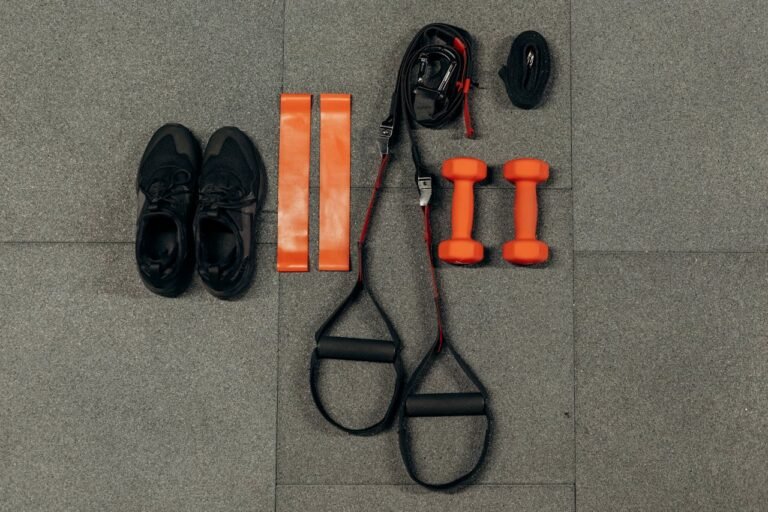
Residing in an apartment does not imply that you should abandon your fitness ambitions. Small spaces may be a problem with conventional exercise equipment, whereas small gym equipment offers a feasible solution. The proper equipment lets you have a decent workout space in a small living room and still not feel inconvenienced. Numerous kinds of gym equipment are now adapted to apartments, so individuals can now exercise without having to possess a massive home gym.

Space efficiency is one of the greatest benefits of small gym equipment. Living in an apartment usually means creating solutions out of every square foot of space, and bulky machines just would not fit such a lifestyle. Compact solutions are made to be very small, foldable, or spaceable under furniture or in the closets. This implies that you will be able to complete your exercise and vacate the area immediately to allow for other daily activities.

Adjustable dumbbells

Flexible dumbbells have become some of the most used gym accessories in apartment workouts. Rather than having to own several pairs of weights, adjustable dumbbells enable you to switch the resistance with only one small set. This not only conserves space but also saves clutter in your living room. Several exercises, including shoulder presses, squats, lunges, and chest presses, can be performed with adjustable dumbbells, which makes them one of the most diverse fitness aids.

Resistance bands

Another good substitute that people in small spaces can have is resistance bands. These bands occupy very little space and may be easily placed in a bag or drawer. Even though resistance bands are simple to use, they offer a demanding exercise that involves various muscles. They are usually applied in strength training, stretching, and rehabilitation exercises. Resistance bands are considered to be some of the most convenient pieces of gym equipment to use in apartments due to their weight and portability.

Foldable benches

Exercise benches can also be folded to fit in apartments that have limited space. Bench presses, step-ups, and core exercises can be performed with the help of a foldable bench. The bench is foldable and can be placed against a wall or under a bed when you are finished exercising. This kind of gym equipment will enable you to broaden your workout regime without necessarily hogging out considerate space.

A small cardio is another intelligent decision regarding apartment fitness. The old treadmills and ellipticals might be big, but the new ones were aimed at small houses. Foldable treadmills, mini steppers, and under-desk bikes all qualify as gym equipment that can give a person an effective cardio workout, but that can fit into an apartment. Such machines are also usually less noisy compared to older models, which is a positive aspect when you have neighbours.

Jump ropes 

One of the easiest and most useful items in cardio exercises in a small area is jump ropes. A good jump rope can provide one with an intense workout that enhances stamina, coordination, and cardiovascular well-being. And, most importantly, it does not need much storage. Jump ropes are preferred by many apartment residents due to the ability to provide a quick and effective exercise without bulky gym workouts.

Core training tools

An apartment workout set should also consider the use of core training tools. Ab rollers, sliders, and small medicine balls are some of the items that can be used to strengthen your core muscles and only need a small amount of space. Such equipment is easy to work together with bodyweight exercises, such as planks and push-ups, to form a complete body workout program. With the help of the right gym equipment, even in a small apartment, there is a great variety of effective exercises that can take place.  

2 Main Considerations to Make in a Small Gym

Storage

Another consideration when selecting gym gear in an apartment is storage. Find objects that are simple to pack and store after every workout. Racking weights, folding racks, and small storage bins can assist to make your fitness area clean and tidy. With an organised space, you will find it easier to remain consistent with your workouts.

Noise

Another thing to consider when working out in an apartment building is noise. Certain gym apparatus may produce vibrations or high-level impacts that can trouble the neighbours. The selection of equipment with rubber pads, quiet resistance systems or shock-absorbing mats can reduce noise. Floor mats are particularly handy, since they not only cushion your floor but also your equipment, as well as offer low sound.

Final Thoughts 

A tiny apartment gym does not need much money to build. Actually, only a handful of well-selected gym equipment can give you all you require to make a balanced workout routine. Begin with crossover products, which enable you to do various exercises, and slowly introduce new products with changes in your fitness objectives. This makes the costs affordable, and you have the freedom to train in the comfort of your own home.

Ultimately, you do not have to be restricted, as an apartment resident, to keep fit. You can make your own small and versatile gym with the help of small and multitasking gym equipment, and make an appropriate fitness space that suits your life. Regardless of whether you use adjustable weights, resistance bands, or collapsible cardio equipment, you need to find equipment that will do well in a small space. Investing in compact, space-saving, optimal gym equipment, you can have an efficient workout without stepping out of your apartment.