
Japanese cuisine has become increasingly popular around the world, introducing global consumers to ingredients that were once considered highly regional. Among the most recognizable and widely used ingredients in Asian cooking today are nori sheets. Commonly associated with sushi rolls, rice dishes, snacks, and fusion recipes, nori has become a staple in many modern kitchens because of its versatility, unique flavor, and nutritional appeal.
However, many people enjoy nori regularly without knowing how it is actually produced. The journey of nori sheets from ocean farms to packaged food products involves a fascinating process that combines marine cultivation, harvesting techniques, drying methods, and careful processing.
Understanding how nori is harvested and made offers valuable insight into one of the world’s most important seaweed-based food products and highlights the craftsmanship involved in bringing this ocean ingredient from sea to table.
What Are nori sheets?
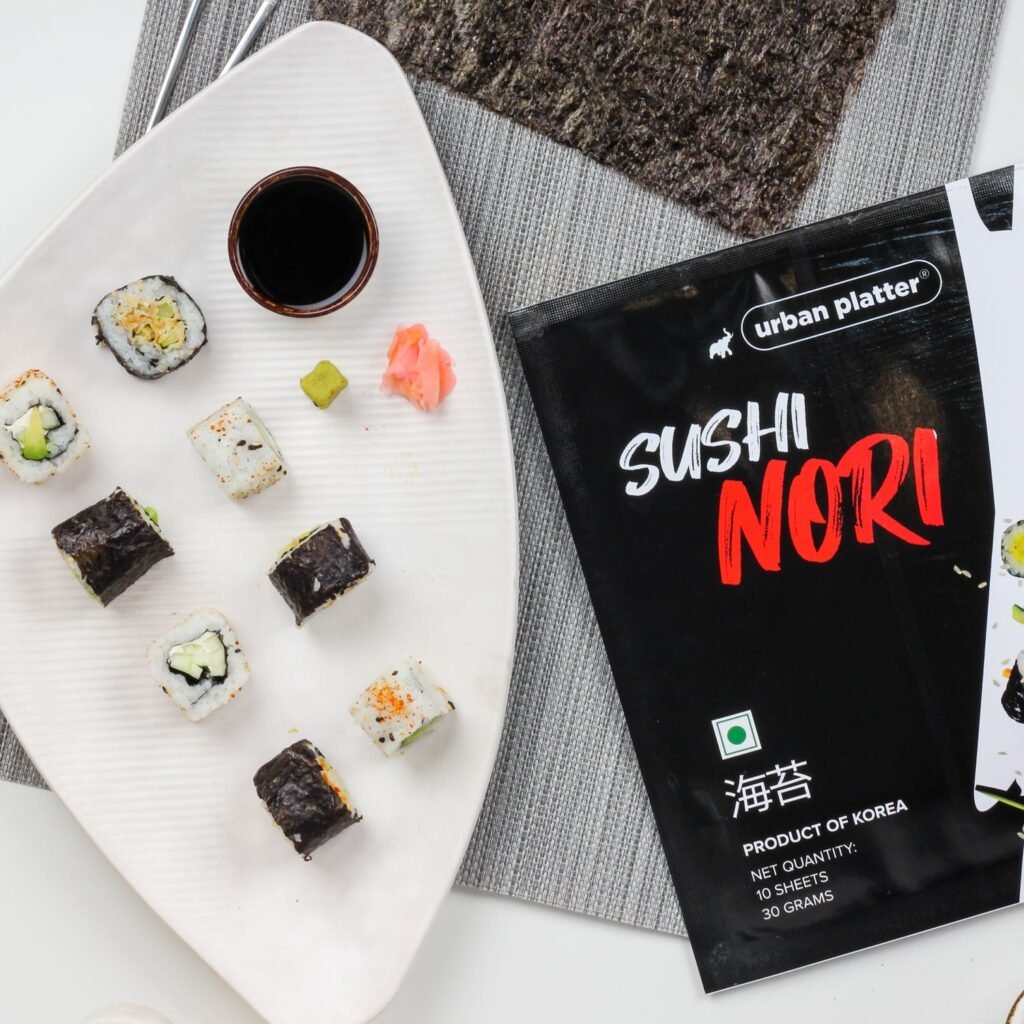
Nori is a type of edible seaweed commonly used in Japanese and Asian cuisine.
It is most widely known for:
- Sushi rolls
- Rice wraps
- Garnishes
- Snack products
nori sheets are thin, dried sheets made from processed seaweed that are:
- Lightweight
- Flexible
- Easy to use in cooking
They have become globally popular because of their:
- Umami flavor
- Culinary versatility
- Convenience
Modern consumers increasingly use nori in both traditional and fusion recipes.
Why Nori Became Popular Worldwide
The growing popularity of Asian cuisine has increased demand for ingredients like nori.
Consumers appreciate nori because it:
- Adds savory flavor
- Supports creative cooking
- Works in multiple recipes
- Offers convenient food preparation
Today, nori is commonly used in:
- Sushi preparation
- Rice bowls
- Snack products
- Soups
- Salad toppings
- Fusion wraps
Its versatility continues driving global popularity.
Nori Begins in Coastal Waters
The production of nori starts in carefully managed coastal farming areas.
Seaweed cultivation generally takes place in:
- Clean ocean waters
- Coastal marine environments
- Controlled sea farming regions
Marine conditions strongly affect:
- Seaweed quality
- Texture
- Growth consistency
Water quality is extremely important during cultivation because seaweed absorbs nutrients directly from the surrounding environment.
Seaweed Cultivation Process
Farmers cultivate seaweed using specialized growing systems placed in coastal waters.
Young seaweed spores are attached to:
- Nets
- Ropes
- Cultivation frames
These structures are suspended in suitable marine environments where the seaweed can grow naturally using:
- Sunlight
- Ocean nutrients
- Water movement
Seaweed farming requires careful monitoring to ensure healthy growth and proper harvesting conditions.
Seasonal Growth Cycles Matter
Nori cultivation follows seasonal cycles because seaweed growth depends heavily on:
- Water temperature
- Sunlight exposure
- Ocean conditions
Certain seasons provide ideal conditions for:
- Strong seaweed growth
- Better texture
- Improved quality
Timing plays a major role in producing high-quality nori suitable for food production.
Harvesting the Seaweed
Once the seaweed reaches the desired maturity, it is harvested from the cultivation systems.
Harvesting often involves:
- Lifting cultivation nets
- Collecting mature seaweed carefully
- Transporting it for processing
Freshly harvested seaweed is:
- Moist
- Soft
- Dark green in appearance
Careful harvesting helps preserve both quality and freshness before processing begins.
Cleaning and Sorting
After harvesting, the seaweed undergoes cleaning to remove:
- Sand
- Salt residue
- Small marine particles
- Natural debris
The cleaning process helps ensure:
- Better food quality
- Improved texture
- Safer food preparation
The seaweed may also be sorted based on:
- Texture
- Color
- Overall quality consistency
Quality control is important throughout production.
Grinding the Seaweed into Pulp
One of the most interesting steps in nori production involves transforming the seaweed into a pulp-like mixture.
The cleaned seaweed is:
- Chopped
- Blended
- Mixed with water
This process creates a smooth slurry similar to paper pulp.
This step is important because nori sheets are made using a process somewhat similar to papermaking techniques.
Forming the Sheets
The seaweed mixture is then spread into thin layers using specialized equipment.
The slurry is evenly distributed onto flat surfaces where excess water drains away.
This creates:
- Thin sheet structures
- Uniform thickness
- Consistent texture
Proper sheet formation helps improve:
- Flexibility
- Appearance
- Cooking usability
Uniformity is especially important for sushi preparation.
Drying the nori sheets
Once formed, the sheets are dried carefully.
Drying helps:
- Remove moisture
- Improve shelf life
- Create crisp texture
Traditionally, natural drying methods were used, though modern production often involves controlled drying systems.
Proper drying ensures the sheets become:
- Lightweight
- Flexible
- Easy to store
Drying is one of the most critical stages in maintaining product quality.
Roasting for Flavor Enhancement
Some nori sheets are lightly roasted before packaging.
Roasting helps improve:
- Aroma
- Texture
- Flavor intensity
This creates the familiar:
- Savory taste
- Slight crispness
- Toasted seaweed aroma
Roasted nori is especially popular for:
- Sushi making
- Snack consumption
- Rice dishes
Flavor enhancement plays an important role in consumer appeal.
Packaging for Freshness
After processing, nori sheets are packaged carefully to protect them from:
- Moisture
- Air exposure
- Texture loss
Seaweed is highly sensitive to humidity, so packaging is important for maintaining:
- Crispness
- Freshness
- Shelf stability
Modern packaging technology helps extend product usability and convenience.
Why Texture Matters in Nori
Good-quality nori typically offers:
- Smooth texture
- Flexible structure
- Easy rolling capability
Texture strongly affects:
- Sushi preparation
- Mouthfeel
- Overall culinary experience
Consumers often prefer nori that balances:
- Thinness
- Strength
- Flavor consistency
High-quality production improves final product performance.
Nutritional Interest in Seaweed Products
Seaweed-based foods have gained popularity among health-conscious consumers because they are often associated with:
- Plant-based eating
- Mineral content
- Light snacking options
Modern wellness trends have increased interest in ocean-based food ingredients and traditional Asian foods.
Consumers increasingly explore ingredients that combine:
- Flavor
- Convenience
- Culinary versatility
Modern Uses of nori sheets
Although traditionally associated with sushi, nori is now used in many modern recipes including:
- Rice wraps
- Snack chips
- Soup garnishes
- Noodle dishes
- Salad toppings
- Fusion cuisine creations
Creative cooking trends continue expanding the ways consumers use nori in everyday meals.
Sustainability and Seaweed Farming
Seaweed farming is often viewed as an environmentally supportive form of marine cultivation because it generally requires:
- No freshwater irrigation
- No traditional farmland
- Minimal fertilizer use
As interest in sustainable food production grows, seaweed cultivation continues receiving increased global attention.
Consumers increasingly value ingredients connected with environmentally conscious food systems.
Why Global Demand Keeps Growing
The popularity of sushi, Japanese cuisine, and Asian-inspired food trends has significantly increased worldwide demand for nori products.
Consumers appreciate nori because it:
- Is easy to use
- Supports creative recipes
- Adds unique flavor
- Fits modern food trends
Its convenience and versatility make it suitable for both traditional and modern cooking styles.
Online Shopping and Ingredient Accessibility
Today, consumers can easily purchase nori sheets online and in supermarkets worldwide.
Global food accessibility has helped introduce seaweed products to:
- Home cooks
- Health-conscious consumers
- Culinary enthusiasts
Modern shopping convenience continues driving interest in international food ingredients.
Final Thoughts
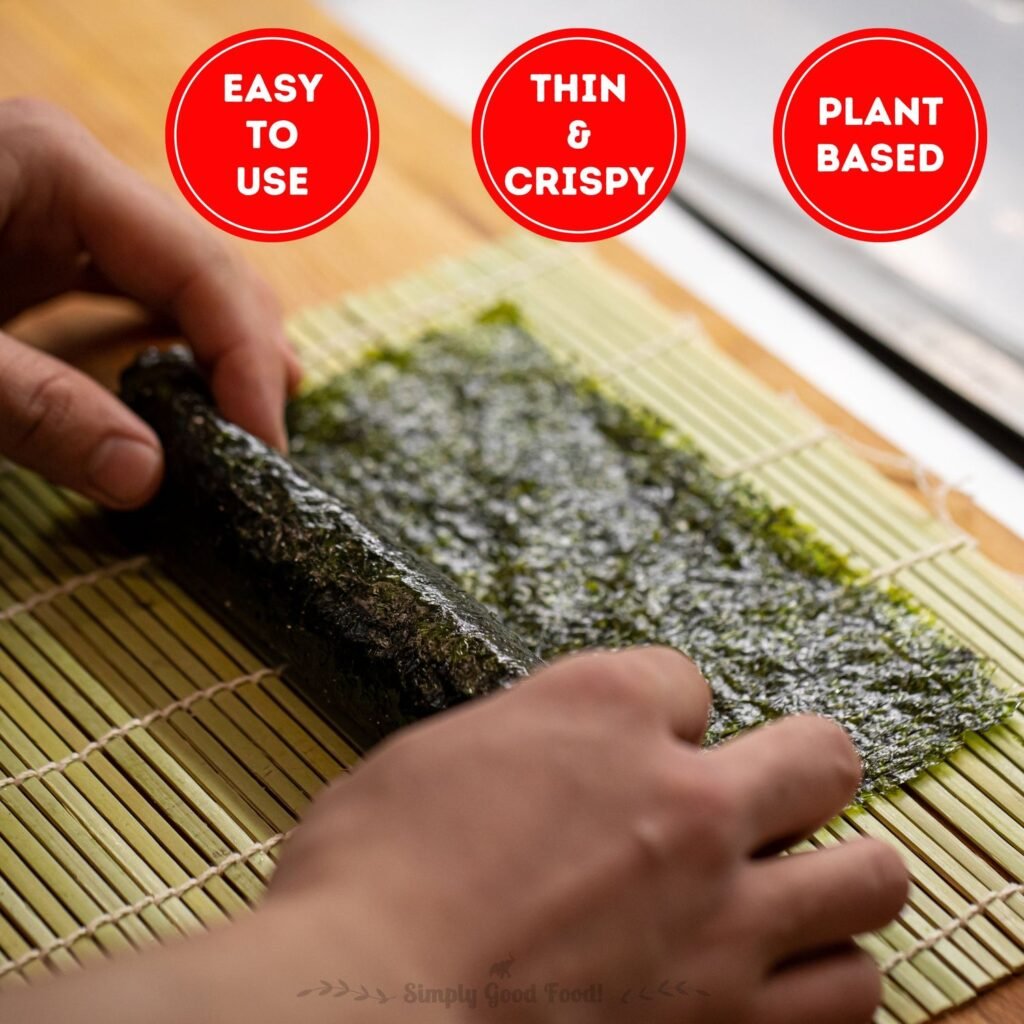
The journey of nori sheets from sea to table involves a fascinating combination of marine farming, careful harvesting, traditional-inspired processing, drying techniques, and modern food production methods. From coastal cultivation systems to packaged sheets ready for sushi and cooking, every stage contributes to the quality, texture, and flavor that consumers enjoy worldwide.
As global interest in Japanese cuisine, plant-based foods, and versatile cooking ingredients continues growing, nori remains one of the most widely appreciated seaweed products available today. Its unique production process highlights the craftsmanship and precision involved in transforming ocean-grown seaweed into the convenient and flavorful sheets used in kitchens around the world.
Whether enjoyed in sushi, snacks, soups, or fusion recipes, nori continues connecting traditional food practices with modern culinary creativity and global food culture.