Maintaining good health often starts with making better choices in everyday nutrition. As people become more conscious about what they eat, natural foods are gaining popularity for their simplicity and nutritional value. Among these, honey has remained a trusted ingredient for generations because of its natural sweetness and versatility.
Unlike refined sugar and artificial sweeteners, honey is valued for its naturally occurring compounds and its ability to fit into a balanced lifestyle. Many people include it in their morning routines, beverages, and healthy recipes as a convenient way to enjoy natural sweetness. One variety that has gained significant attention among health-conscious consumers is organic honey, which is appreciated for its purity and natural sourcing practices.
What Is Organic Honey?
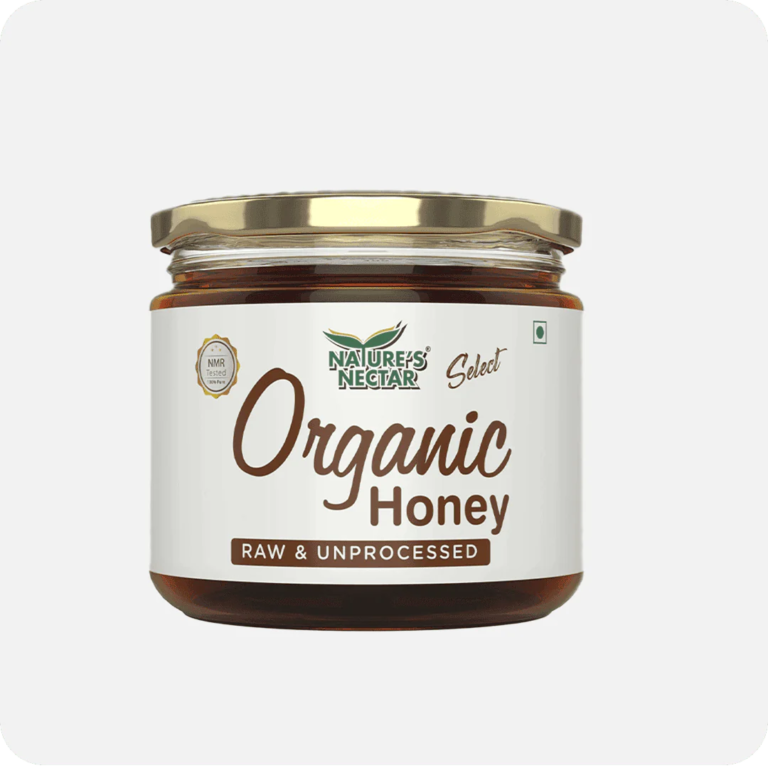
Organic honey is produced from nectar collected in environments where specific organic standards are followed. The focus is on maintaining natural conditions and minimizing exposure to synthetic chemicals during production.
Because of these practices, organic honey is often preferred by consumers who want a product that aligns with a more natural and mindful approach to eating. It offers the familiar sweetness of honey while supporting a lifestyle centered around quality and wellness.
Supports Daily Energy Levels
One of the most recognized benefits of honey is its ability to provide natural energy. Honey contains naturally occurring sugars such as glucose and fructose, which are quickly absorbed and utilized by the body.
Including organic honey in your breakfast or pre-workout routine can help provide a steady source of energy throughout the day. Unlike heavily processed sweeteners, it offers a more balanced approach to satisfying sweet cravings while supporting an active lifestyle.
Rich in Natural Antioxidants
Antioxidants play an important role in helping the body manage oxidative stress caused by free radicals. Foods rich in antioxidants are often included in wellness-focused diets because they contribute to overall health and vitality.
Organic honey contains naturally occurring antioxidant compounds that may help support the body’s natural defense mechanisms. Regular consumption as part of a balanced diet can contribute to long-term wellness goals.
Supports a Healthy Immune System
A strong immune system is essential for maintaining everyday health. Natural foods containing beneficial compounds are often chosen to support the body’s ability to adapt to environmental and seasonal changes.
Many people consume organic honey as part of their daily wellness routine because it contains natural elements that complement healthy lifestyle habits. Whether added to warm water or herbal tea, it can be an easy addition to an immunity-focused diet.
A Better Alternative to Refined Sugar
Reducing refined sugar intake has become a priority for many individuals seeking healthier eating habits. While sugar provides sweetness, it offers little nutritional value and is often associated with unhealthy dietary patterns.
Organic honey serves as a natural alternative that adds flavor while also providing beneficial compounds found in honey. It can be used in beverages, baked goods, breakfast meals, and homemade recipes without compromising taste.
Helps Support Digestive Wellness
Digestive health plays a key role in overall well-being. A healthy digestive system contributes to better nutrient absorption and daily comfort.
Many people include honey in their morning routines because of its reputation for supporting digestive wellness. Consuming organic honey with warm water is a simple practice often followed by those looking to maintain healthy digestion naturally.
Soothes the Throat Naturally
Honey has long been used as a traditional remedy for throat comfort. Its smooth texture helps coat the throat, creating a soothing effect that many people find beneficial during seasonal weather changes.
Adding organic honey to warm beverages can provide a comforting and pleasant way to support throat wellness while enjoying a naturally sweet drink.
Easy to Incorporate into Daily Meals
One of the greatest advantages of honey is its versatility. It can be used in a wide variety of foods and beverages without requiring significant changes to existing eating habits.
Here are some easy ways to enjoy it:
- Mix with warm water in the morning
- Add to tea, coffee, or herbal infusions
- Drizzle over oats, fruits, or yogurt
- Use as a natural sweetener in smoothies
- Replace sugar in homemade recipes
These simple habits make it easy to include organic honey in a daily wellness routine.
Supports a Balanced Lifestyle
Wellness is often built through consistent choices rather than dramatic changes. Small adjustments, such as replacing processed sweeteners with natural alternatives, can contribute to healthier habits over time.
Because of its natural composition and versatility, organic honey fits well into modern lifestyles focused on mindful eating and balanced nutrition. It complements a variety of dietary preferences and can be enjoyed by individuals of different age groups.
Importance of Choosing Quality Honey
The quality of honey significantly influences its taste, texture, and overall experience. Consumers today are increasingly aware of the importance of selecting honey from trusted sources that focus on purity and careful production practices.
Choosing high-quality honey helps ensure that you enjoy the authentic flavor and natural characteristics that make honey such a valuable addition to everyday diets.
Conclusion
Natural foods continue to play an important role in supporting healthier lifestyles, and organic honey is one of the most popular choices among wellness-conscious consumers. From providing natural energy and antioxidants to supporting digestion and immunity, it offers multiple benefits in a simple and enjoyable form.
Whether used in beverages, breakfast meals, or healthy recipes, organic honey can be a valuable addition to daily routines. By incorporating it into a balanced diet and making mindful nutrition choices, individuals can enjoy both its natural sweetness and its contribution to overall wellness.