
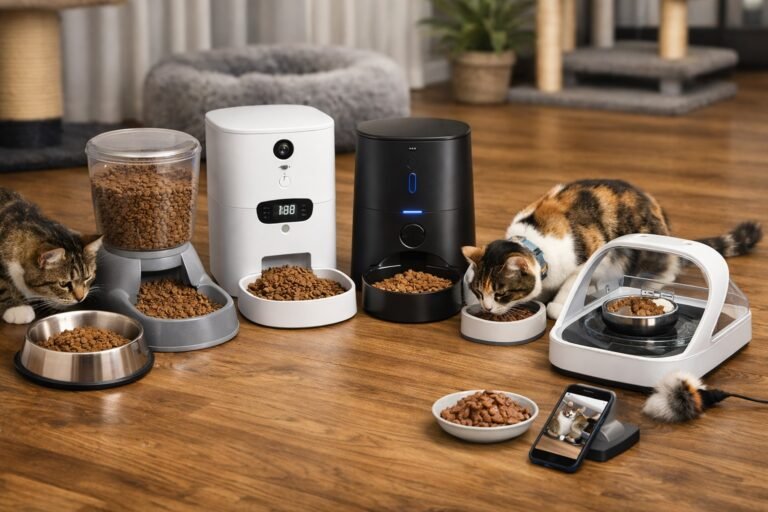
Bringing a new feline companion into your home is an exciting adventure filled with purrs, playtime, and plenty of preparation. Whether you’re a first-time cat parent or adding another furry friend to your family, creating a comprehensive new cat checklist is crucial for ensuring your pet’s health, happiness, and well-being. Among all the essential supplies you’ll need, cat feeders stand out as one of the most important investments you can make—and in today’s smart home era, automatic cat feeders have revolutionized how we care for our feline friends.
Why Cat Feeders Belong on Every New Cat Checklist
When preparing your home for a new cat, the list of necessities can seem overwhelming: litter boxes, scratching posts, toys, beds, carriers, and grooming supplies. However, one item that deserves special attention is the feeding solution you choose. Traditional food bowls work fine for many pet parents, but modern cat feeders offer advantages that go far beyond simply holding kibble.
The right feeding solution establishes healthy eating habits from day one, prevents obesity through portion control, maintains consistent meal schedules even when you’re away, and reduces stress for both you and your pet. According to recent veterinary research, cats thrive on routine feeding schedules, making reliable cat feeders an essential component of feline wellness.
Understanding Different Types of Cat Feeders
Traditional Bowl Feeders
Basic food bowls remain popular for their simplicity and affordability. They’re perfect for pet owners who maintain consistent home schedules and can manually feed their cats at set times. However, they offer no portion control and require you to be present for every meal.
Gravity Feeders
These simple mechanical feeders continuously refill a bowl as your cat eats. While economical, gravity feeders can lead to overeating since food remains constantly available. They work best for cats with excellent self-control—a rare trait among our food-motivated feline friends.
Automatic Cat Feeders: The Modern Solution
Automatic cat feeders represent the evolution of pet care technology, combining convenience with precision feeding. These smart devices have become increasingly sophisticated in 2026, offering features that were science fiction just a few years ago.
The Benefits of Automatic Cat Feeders
Consistent Feeding Schedules
Cats are creatures of habit, and irregular meal times can cause anxiety and digestive issues. Automatic cat feeders maintain precise feeding schedules, dispensing food at programmed times whether you’re working late, stuck in traffic, or enjoying a weekend getaway. This consistency supports healthy metabolism and reduces stress-related behaviors.
Precise Portion Control
Feline obesity has reached epidemic proportions, with over 60% of cats in developed countries classified as overweight or obese. Automatic cat feeders combat this by dispensing exact portions, preventing the “just a little more” tendency many pet parents struggle with. By maintaining proper portion sizes, these devices help your cat maintain a healthy weight throughout their life.
Freedom and Flexibility
Gone are the days of rushing home for feeding time or imposing on neighbors to check on your pets. Modern automatic cat feeders with WiFi connectivity allow you to schedule, monitor, and even manually dispense food remotely through smartphone apps.
Multi-Cat Household Solutions
For homes with multiple cats, automatic cat feeders with microchip recognition technology ensure each cat receives their specific dietary requirements. These advanced systems prevent food theft and allow you to manage different feeding schedules for cats with varying nutritional needs.
Essential Features to Look for in Automatic Cat Feeders
Reliable Dispensing Mechanism
The heart of any automatic cat feeder is its dispensing system. Look for models with proven reliability that won’t jam or fail when your cat depends on them. Gravity-based systems work well for kibble, while rotating mechanisms excel at portion accuracy.
Battery Backup
Power outages shouldn’t mean missed meals. Quality automatic cat feeders include battery backup systems that maintain feeding schedules during electrical disruptions. Some 2026 models boast battery life exceeding 180 days, providing peace of mind during extended power failures.
Food Capacity
Consider your absence frequency when evaluating capacity. Weekend travelers might need only 2-3 liters, while business travelers benefit from 4-6 liter capacities that accommodate week-long trips. Remember that larger capacity doesn’t mean filling it completely—dry food stays freshest when replenished regularly.
Smartphone Connectivity
WiFi-enabled automatic cat feeders transform feeding from a chore into a connected experience. Through dedicated apps, you can adjust schedules, monitor consumption patterns, receive notifications, and even watch your cat eat via integrated cameras. These features prove invaluable for monitoring elderly cats or those with medical conditions.
Easy Cleaning Design
Bacteria and rancid food oils accumulate quickly in feeder components. Choose cat feeders with dishwasher-safe bowls and easily accessible food containers. Stainless steel bowls resist bacteria better than plastic and won’t retain odors.
Anti-Jam Technology
Nothing’s more frustrating than discovering your automatic cat feeder jammed while you were away. Modern devices incorporate sensors and agitators that prevent kibble clumping and detect dispensing failures, often alerting you through the app if problems occur.
Integrating Cat Feeders into Your New Cat Checklist
When preparing for your new feline family member, your shopping list should include:
Essential Items:
- Quality cat feeder (traditional or automatic depending on lifestyle)
- Premium age-appropriate cat food
- Food and water bowls (if using traditional feeding method)
- Litter box and premium litter
- Scratching posts and cat trees
- Comfortable cat bed
- Interactive toys
- Cat carrier for vet visits
- Grooming supplies (brush, nail clippers)
- Collar with ID tag
Recommended Additions:
- Automatic cat feeder for convenience and health management
- Water fountain to encourage hydration
- Cat-safe houseplants (cat grass)
- Window perches for entertainment
- Quality supplements (after veterinary consultation)
Making the Smart Investment
While automatic cat feeders represent a larger initial investment than traditional bowls, they deliver substantial long-term value. Consider the costs you’ll avoid: last-minute pet sitter fees, emergency trips home for feeding time, potential veterinary bills from obesity-related conditions, and wasted food from improper storage.
According to expert reviews, 2026 models range from budget-friendly basic units around $40 to premium smart feeders with cameras exceeding $200. Assess your specific needs—a single cat household with occasional overnight absences has different requirements than a multi-cat home with frequent travel.
Setting Up Your Cat Feeder for Success
Gradual Introduction: Don’t immediately rely on your new automatic cat feeder. Run it alongside traditional feeding for several days, allowing your cat to acclimate to the sounds and mechanisms. Most cats adapt within 3-5 days.
Strategic Placement: Position cat feeders in quiet, easily accessible areas away from litter boxes. Cats prefer dining in calm environments where they won’t be ambushed by other pets or startled by household traffic.
Regular Maintenance: Clean your automatic cat feeder weekly to prevent bacterial growth. Check mechanical components monthly, ensuring motors and dispensing mechanisms operate smoothly.
Monitor Consumption: Even with automatic cat feeders, observe your cat’s eating patterns. Sudden changes in appetite can indicate health issues requiring veterinary attention.
Common Mistakes to Avoid
Overfilling: Just because your automatic cat feeder holds a week’s worth of food doesn’t mean it should. Dry kibble degrades over time, and oils turn rancid. Refill every 3-4 days maximum.
Ignoring Behavioral Changes: Automatic cat feeders shouldn’t replace interaction with your pet. Notice if your cat camps by the feeder, exhibits anxiety between meals, or displays aggressive behavior—these may indicate feeding schedule adjustments are needed.
Neglecting Wet Food: Many cats benefit from wet food’s moisture content. While automatic cat feeders excel at dispensing dry kibble, some 2026 models accommodate wet food with refrigerated compartments and timed lid opening.
Forgetting Manual Override: Always know how to manually dispense food from your automatic cat feeder. Apps fail, WiFi drops, and emergencies happen. Familiarize yourself with backup dispensing methods.
The Future of Cat Feeding Technology
The cat feeder industry continues innovating rapidly. Emerging 2026 technologies include:
- AI-powered portion recommendations based on your cat’s activity level
- Integration with veterinary telehealth platforms
- Advanced facial recognition for multi-cat households
- Nutritional tracking that suggests food transitions
- Voice command compatibility with smart home systems
These advancements make automatic cat feeders increasingly indispensable for responsible pet ownership.
Building a Comprehensive New Cat Checklist
Beyond cat feeders, your new cat checklist should address all aspects of feline care. Start with the basics: secure your home by removing toxic plants, securing electrical cords, and eliminating small objects that pose choking hazards. Designate a quiet “safe room” where your new cat can decompress during the initial adjustment period.
Stock up on veterinary essentials including contact information for your chosen vet clinic and a nearby 24-hour emergency animal hospital. Schedule a wellness examination within the first week of bringing your cat home. This initial visit establishes baseline health metrics and allows you to discuss vaccination schedules, parasite prevention, and nutritional requirements specific to your cat’s age and condition.
Consider the long-term financial commitment when creating your new cat checklist. Beyond initial supplies, budget for annual veterinary care, quality food, litter, and unexpected medical expenses. Pet insurance or a dedicated emergency fund can prevent financial stress during health crises.
Social needs deserve attention on your new cat checklist as well. While automatic cat feeders handle nutritional requirements, cats need interactive play, mental stimulation, and affection. Schedule daily play sessions using wand toys, puzzle feeders, and rotation of toy selections to prevent boredom.
Dietary Considerations and Cat Feeders
Your choice of cat feeders should align with your cat’s specific dietary needs. Kittens require multiple small meals throughout the day to support rapid growth and high energy expenditure. Automatic cat feeders excel at this task, dispensing 4-5 small portions without requiring your constant presence.
Senior cats often benefit from easily digestible foods served in smaller, more frequent meals. As cats age, their metabolism slows and dental issues may emerge. Automatic cat feeders help maintain consistent feeding schedules that support senior digestive systems while preventing the weight gain common in less active older cats.
Cats with medical conditions like diabetes require precise meal timing to coincide with insulin administration. In these cases, automatic cat feeders with smartphone alerts ensure you never miss critical feeding windows. Consult your veterinarian about coordinating feeder schedules with medication protocols.
Environmental Enrichment and Feeding Strategies
Progressive cat care experts recommend incorporating feeding into environmental enrichment. While automatic cat feeders provide consistency, consider supplementing with puzzle feeders that engage your cat’s natural hunting instincts. This combination approach—reliable automatic cat feeders for primary nutrition plus puzzle feeders for mental stimulation—creates a balanced feeding program.
Vertical feeding stations can reduce territorial disputes in multi-cat households. Placing cat feeders at different heights allows subordinate cats to eat without intimidation from dominant felines. This strategy works particularly well when combined with microchip automatic cat feeders that ensure each cat accesses only their designated food.
For indoor cats, automatic cat feeders paired with timed play sessions create structure that mimics natural activity cycles. Schedule feedings after vigorous play to replicate the hunt-catch-eat-groom-sleep pattern that governs wild feline behavior. This approach reduces behavioral problems stemming from boredom and excess energy.
Traveling with Confidence
One of the greatest advantages of automatic cat feeders is the freedom they provide for travel. However, successful absences require preparation beyond just setting feeding schedules. Before trips, test your automatic cat feeder for the full duration you’ll be away, monitoring performance and your cat’s adaptation.
Create detailed care instructions for pet sitters even when using automatic cat feeders. Sitters should verify the feeder dispenses properly, refill as needed, and report any unusual behavior or appetite changes. Provide contact information for your veterinarian and authorization for emergency treatment if necessary.
Consider installing pet cameras independent of your automatic cat feeder to monitor your cat’s overall wellbeing during absences. While many modern automatic cat feeders include integrated cameras, separate devices offer additional angles and may have superior video quality or longer recording capabilities.
Conclusion: Prioritizing Your Cat’s Nutritional Wellness
Creating your new cat checklist requires thoughtful consideration of items that promote health, happiness, and longevity. While toys, beds, and scratching posts enrich your cat’s life, few purchases impact their well-being more directly than quality cat feeders. Whether you choose a simple bowl, a basic gravity feeder, or a sophisticated automatic cat feeder with smart connectivity, prioritize features that support consistent feeding schedules, appropriate portions, and easy maintenance.
As technology continues advancing, automatic cat feeders have evolved from luxury items to practical necessities for modern pet parents. They provide peace of mind, support healthy weight management, and allow you to maintain your cat’s routine even during life’s unpredictable moments. When planning your new cat checklist, consider making an automatic cat feeder a foundational investment in your feline friend’s future.
Frequently Asked Questions
1. How do I choose between a basic cat feeder and an automatic cat feeder?
Consider your lifestyle and budget. If you maintain a consistent home schedule and can manually feed at set times, traditional cat feeders work fine. However, if you travel frequently, work irregular hours, or want precise portion control for weight management, automatic cat feeders offer substantial benefits. For households with multiple cats or special dietary needs, automatic models with smart features become nearly essential. Evaluate your specific situation—the convenience and health benefits often justify the investment.
2. Will my cat be frightened by the noise of an automatic cat feeder?
Most cats adapt to automatic cat feeders within 3-5 days. Modern 2026 models operate much more quietly than earlier versions. To ease the transition, run the feeder alongside traditional feeding for several days, allowing your cat to associate the sound with positive outcomes (food!). Offer treats near the feeder and maintain a calm attitude during initial feedings. Particularly anxious cats may need up to two weeks for complete comfort, but persistence pays off.
3. Can automatic cat feeders accommodate special diets or medications?
Standard automatic cat feeders work excellently for dispensing prescription kibble or specialized diets. However, medications typically require manual administration unless mixed into wet food. Some advanced 2026 automatic cat feeders include refrigerated compartments for wet food mixed with medications, with programmable lid-opening schedules. For complex medication regimens, consult your veterinarian about optimal administration methods alongside your automatic cat feeder schedule.
4. How often should automatic cat feeders be cleaned?
Clean your automatic cat feeder weekly minimum, with daily cleaning of the food bowl. Disassemble removable components and wash with hot, soapy water or place dishwasher-safe parts in the dishwasher. Monthly, wipe down the motor housing and internal mechanisms with a damp cloth (never submerge electrical components). Food residues and oils harbor bacteria that can cause digestive upset, so consistent maintenance ensures your cat feeder remains hygienic and functional.
5. What capacity automatic cat feeder do I need?
Capacity depends on your cat’s daily intake and your absence frequency. An average 10-pound cat consumes approximately ½ cup of dry food daily. For weekend absences, a 2-3 liter automatic cat feeder suffices. Week-long travelers need 4-6 liter capacities. However, don’t let capacity dictate refill schedule—replenish food every 3-4 days regardless of remaining volume to ensure freshness. Multi-cat households require larger capacities; calculate total daily consumption and multiply by days between refills.
6. Are automatic cat feeders safe to use when I’m away from home?
Quality automatic cat feeders are designed for reliable unattended operation. Choose models with battery backup, anti-jam technology, and low-food alerts. WiFi-enabled feeders allow remote monitoring and manual dispensing if needed. Before extended absences, test your automatic cat feeder for several days while home, verifying consistent dispensing and noting any issues. Always arrange backup plans—have a trusted friend check on your cat every 2-3 days, ensuring both the automatic cat feeder and your pet are functioning properly.
7. Do automatic cat feeders work with all types of cat food?
Most automatic cat feeders work best with dry kibble sized between 5-15mm. Smaller kibbles may jam in gravity-based systems, while larger pieces might not dispense properly. Check manufacturer specifications for compatible food sizes. Some 2026 models include adjustable dispensing wheels accommodating various kibble shapes. For wet food, look for specialized automatic cat feeders with refrigerated compartments and rotating trays. Avoid using semi-moist foods in standard automatic feeders as they tend to stick and spoil more quickly.
8. How many meals per day should I program my automatic cat feeder to dispense?
Adult cats typically thrive on 2-3 meals daily, while kittens under six months need 3-4 smaller meals. Program your automatic cat feeder to match your veterinarian’s recommendations for your cat’s age, weight, and health status. Splitting daily portions into multiple smaller meals mimics cats’ natural hunting behavior and prevents gorging. For weight management, three meals often work better than two, keeping metabolism active throughout the day. Monitor your cat’s body condition and adjust accordingly—every cat’s needs differ.