
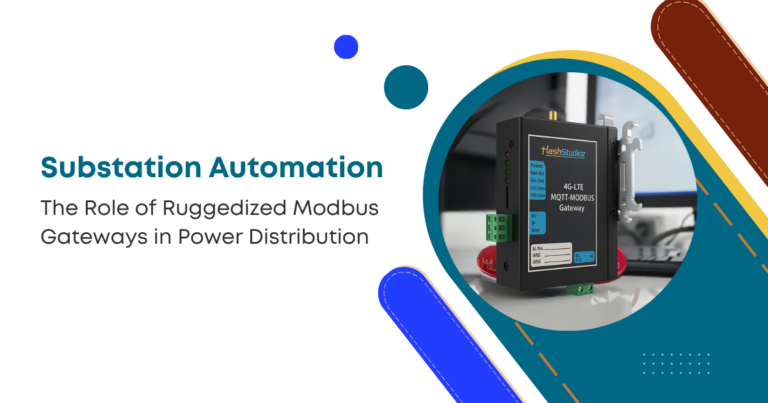
Power distribution networks face more pressure today than ever before. Global electricity demand rises every year. Meanwhile, aging infrastructure must integrate renewable energy sources like wind and solar. Modernizing these systems requires high-level Substation Automation (SA). At the heart of this change sits a critical device: the Modbus Gateway.
Substations act as the junctions of the power grid. They transform voltages and route power to consumers. In the past, technicians managed these sites manually. Today, we use digital systems to monitor equipment in real-time. This shift relies on clear communication between old hardware and new software.
The Communication Gap in Power Grids
Most substations contain a mix of technologies. Legacy equipment often uses serial communication. Modern control centers use Ethernet-based networks. These two worlds speak different languages.
1. Legacy Serial Devices
Older Intelligent Electronic Devices (IEDs) use the RS485 physical interface. They communicate via the Modbus RTU protocol. This protocol is reliable but slow. It cannot send data over long distances without specialized help.
2. Modern IP Networks
Utilities now use SCADA systems based on TCP/IP. These systems require high speed and large bandwidth. They typically use Modbus TCP. A standard computer cannot talk directly to an RS485 port without a bridge.
This is where the RS485 Modbus Gateway becomes essential. It acts as a translator. It converts serial signals into digital packets. This allows a central server to read data from a 20-year-old transformer sensor.
Why Ruggedized Hardware Matters
Substations are harsh environments. They are not like climate-controlled data centers. High-voltage equipment creates massive electromagnetic interference (EMI). Outdoor sites face extreme temperatures and humidity.
Standard office-grade networking gear fails quickly in these spots. Ruggedized gateways feature specific protections:
- Wide Temperature Range: They operate from -40°C to 85°C.
- EMI Shielding: They resist noise from circuit breakers and lightning.
- Redundant Power: They often have dual power inputs to prevent downtime.
- Vibration Resistance: They withstand the constant hum of large transformers.
A failed gateway means lost data. In power distribution, lost data can lead to blackouts. Reliability is the primary requirement for any grid component.
How the Modbus Gateway Functions
The primary job of a Modbus Gateway involves protocol conversion. It bridges the gap between the field level and the management level.
1. Protocol Conversion
The gateway receives Modbus RTU frames from sensors. It strips the serial header and adds a TCP/IP header. This process happens in milliseconds. The SCADA system then receives the data as if it were a native IP device.
2. Data Mapping
Advanced gateways allow for data mapping. Users can group data from multiple serial devices into one IP address. This saves bandwidth on the main network. It also simplifies the configuration of the SCADA software.
3. Secure Transmission
Modern power grids face cyber threats. Modern gateways include security features. They use firewalls and encrypted tunnels to protect data. This ensures that unauthorized users cannot trigger a switch or breaker remotely.
Improving Reliability with Real-Time Data
Automation aims to reduce human error. Manual inspections take time and cost money. They also only provide a “snapshot” of the system.
1. Predictive Maintenance
A gateway collects data on heat and vibration. It sends this to an analytics engine. Engineers see patterns before a failure occurs. Statistics show that predictive maintenance reduces repair costs by 25%. It also extends the life of expensive transformers by up to 10 years.
2. Faster Fault Detection
When a fault happens, the system must react fast. Smart IEDs detect the surge immediately. The RS485 Modbus Gateway pushes this alert to the control room. Operators can isolate the fault in seconds. This prevents a local issue from becoming a regional blackout.
Integrating Renewable Energy
The rise of green energy changes the grid. Solar farms and wind parks are decentralized. They produce power at varying levels based on the weather. This creates “bi-directional” flow in the substation.
Legacy substations were not built for this. They expected power to flow in one direction only. Adding a Modbus Gateway allows the grid to adapt. It monitors the back-feed from solar arrays. It helps balance the load across the distribution network.
Without these gateways, grid instability would increase. The ability to monitor small-scale producers is vital for a stable 21st-century grid.
Statistical Impact of Substation Automation
Data proves the value of these technologies. Utilities that implement full automation see measurable gains.
| Metric | Improvement with Automation |
| Response Time | 60% Faster |
| Operational Costs | 20% Lower |
| Unplanned Downtime | 35% Reduction |
| Data Accuracy | 99.9% |
A study of North American utilities found a key trend. Those using ruggedized gateways had 40% fewer hardware failures in the field. This highlights the need for industrial-grade equipment over commercial alternatives.
Key Features of a High-Quality Gateway
When choosing an RS485 Modbus Gateway, engineers look for specific specs. These features ensure the device survives the substation life cycle.
1. Isolation Protection
Voltage spikes are common in substations. A good gateway offers 2kV or higher isolation for serial ports. This prevents a surge from destroying the entire communication rack.
2. Ease of Configuration
Managing hundreds of gateways is difficult. Modern units offer web-based interfaces. Technicians can update firmware remotely. This removes the need for site visits for simple software tweaks.
3. Protocol Support
While Modbus is king, some sites use other languages. Top-tier gateways support DNP3 or IEC 60870-5-104. This provides flexibility for future grid upgrades.
Challenges in Implementation
Modernizing a substation is not simple. It requires careful planning and skilled labor.
- Interoperability: Different brands of IEDs may have slight protocol variations.
- Bandwidth Management: Too much data can clog a slow radio link.
- Security Patches: Keeping many remote devices updated is a logistics task.
- Initial Cost: Rugged gear costs more than standard gear upfront.
However, the long-term savings outweigh these hurdles. The cost of one major blackout far exceeds the cost of a gateway network.
Future Trends in Power Distribution
Substation technology continues to evolve. We are moving toward the “Digital Substation” based on the IEC 61850 standard. Even so, Modbus remains relevant. Thousands of existing devices still use it.
The Modbus Gateway acts as the bridge to this future. It allows utilities to upgrade at their own pace. They do not have to replace every sensor at once. They can add a gateway and gain 90% of the benefits of a new system immediately.
Artificial Intelligence (AI) will also play a role soon. AI needs massive amounts of data to learn grid patterns. These gateways provide the “raw fuel” for those AI engines. They turn electrical signals into digital information that machines can process.
Conclusion
Substation automation is no longer optional. It is a requirement for a modern, stable society. The RS485 Modbus Gateway plays a quiet but vital role in this ecosystem. It protects data from harsh environments. It bridges the gap between old and new technologies.
By using a ruggedized Modbus Gateway, utilities ensure constant uptime. They reduce costs and improve safety for their workers. As we move toward a greener grid, these devices will remain the backbone of power distribution. They turn a collection of isolated parts into a smart, responsive network.
Proper investment in communication hardware today prevents the energy crises of tomorrow. The data collected now will shape the future of global power.