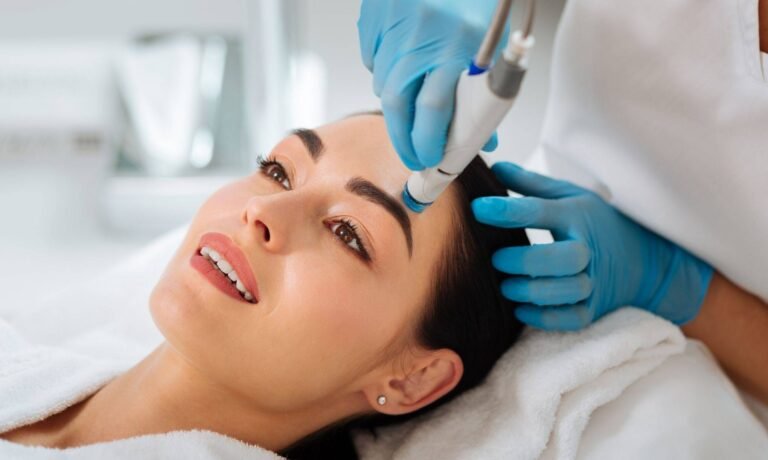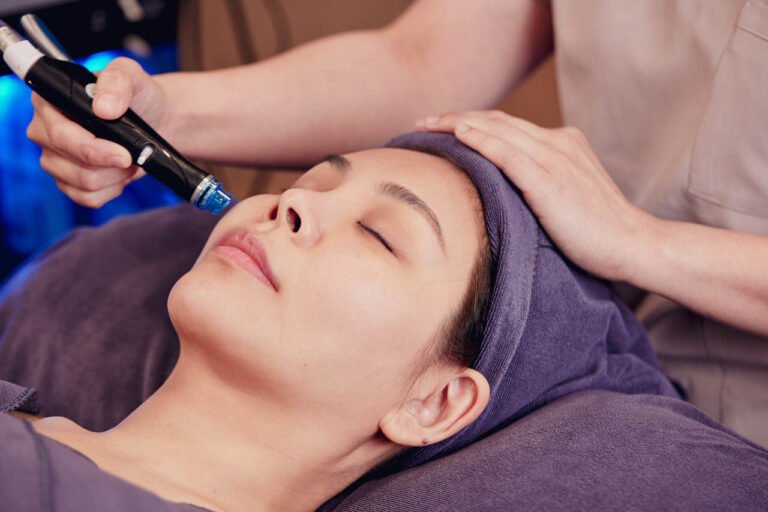
In modern skincare procedures, Hydrafacial treatment in Islamabad is widely considered a safe, non-invasive, and effective option for improving skin health, hydration, and overall appearance. However, despite its popularity and minimal risk profile, it is not suitable for everyone. Certain skin conditions, medical situations, and temporary factors may require individuals to avoid or postpone the treatment for safety reasons.
Understanding who should avoid Hydrafacial is essential before undergoing the procedure. While it offers multiple benefits such as deep cleansing, exfoliation, and hydration, it is still a professional skincare treatment that interacts directly with the skin. Proper evaluation ensures both safety and optimal results.
Individuals with Active Skin Infections
People suffering from active skin infections should avoid Hydrafacial until the condition is fully healed. This includes bacterial, viral, or fungal infections on the face.
Conditions such as cold sores, open wounds, or active acne infections can worsen if treated with any facial procedure. The suction and exfoliation process may irritate infected areas and potentially spread the infection to other parts of the skin.
It is always recommended to treat the infection first and consult a dermatologist before considering Hydrafacial.
People with Severe or Cystic Acne
Although Hydrafacial is beneficial for mild to moderate acne, individuals with severe or cystic acne should proceed with caution. Deep, inflamed acne lesions may be too sensitive for the suction-based extraction process.
In such cases, Hydrafacial may cause discomfort or irritation if performed on highly inflamed areas. Dermatologists often recommend treating active cystic acne with medical therapy before starting Hydrafacial sessions.
Once the condition is under control, Hydrafacial can be introduced to improve skin texture and prevent future breakouts.
Individuals with Sunburned Skin
Sunburned skin is highly sensitive and requires time to heal naturally. Hydrafacial should be avoided if the skin is recently exposed to excessive sun damage.
The exfoliation and extraction process may increase irritation and delay healing in sunburned skin. It is best to wait until the skin fully recovers before undergoing the treatment.
Using sunscreen regularly can help prevent such issues and ensure the skin remains healthy before scheduling a session.
People Using Strong Acne Medications
Individuals currently using strong acne medications such as isotretinoin or other retinoid-based treatments should avoid Hydrafacial unless advised by a dermatologist.
These medications make the skin extremely sensitive and prone to irritation. Combining them with exfoliation-based treatments can increase the risk of redness, dryness, or discomfort.
A waiting period is usually recommended after stopping such medications before undergoing any facial treatment.
Individuals with Rosacea or Severe Skin Sensitivity
People with rosacea or extremely sensitive skin conditions should be cautious when considering Hydrafacial. Although the treatment is generally gentle, the suction and exfoliation process may trigger flare-ups in some cases.
Rosacea-prone skin is easily affected by heat, pressure, and certain skincare ingredients. Therefore, a professional skin assessment is necessary before proceeding.
In some cases, dermatologists may modify the treatment or suggest alternative skincare options.
Pregnant or Breastfeeding Women
Hydrafacial is generally considered safe during pregnancy and breastfeeding; however, some caution is still advised. Hormonal changes during this period can make the skin more reactive than usual.
While the treatment itself does not involve harmful chemicals, it is always best to consult a healthcare professional before undergoing any cosmetic procedure during pregnancy.
Some clinics may recommend postponing the treatment depending on individual skin sensitivity.
Individuals with Allergies to Skincare Ingredients
Hydrafacial uses various serums containing active ingredients such as antioxidants, peptides, and hyaluronic acid. People with known allergies to skincare ingredients should avoid or carefully review the formulation before treatment.
Allergic reactions, although rare, can include redness, itching, or irritation. A patch test or consultation with a dermatologist is recommended for individuals with sensitive or allergy-prone skin.
People with Recent Cosmetic Procedures
Individuals who have recently undergone cosmetic treatments such as chemical peels, laser therapy, or microdermabrasion should avoid Hydrafacial for a certain period.
The skin needs time to recover after such procedures. Introducing Hydrafacial too soon may cause over-exfoliation or irritation.
Dermatologists usually recommend waiting until the skin barrier is fully healed before scheduling a Hydrafacial session.
When Hydrafacial Should Be Postponed
In some situations, Hydrafacial does not need to be completely avoided but should be postponed. For example, if the skin is temporarily irritated due to environmental factors, allergies, or minor breakouts, it is better to wait until the skin calms down.
Healthy skin conditions ensure better absorption of serums and more effective results from the treatment.
Importance of Professional Consultation
Before undergoing Hydrafacial, a professional consultation is essential. A qualified dermatologist can evaluate skin condition, identify potential risks, and determine whether the treatment is suitable.
This step ensures safety and helps customize the procedure according to individual needs. It also minimizes the chances of side effects or complications.
Professional assessment is especially important for individuals with pre-existing skin conditions or ongoing treatments.
Benefits of Proper Screening Before Treatment
Proper screening before Hydrafacial ensures that the treatment delivers optimal results without causing harm. It helps identify unsuitable candidates and prevents unnecessary risks.
When performed on appropriate candidates, Hydrafacial provides excellent benefits such as improved skin texture, hydration, and clarity. Screening also ensures that each session is personalized for maximum effectiveness.
FAQs
Is Hydrafacial safe for everyone
Hydrafacial is generally safe for most people, but individuals with certain skin conditions or medical issues should avoid or postpone it.
Can I get Hydrafacial if I have acne
Mild acne can be treated with Hydrafacial, but severe or cystic acne should be treated first before undergoing the procedure.
Should I avoid Hydrafacial during pregnancy
It is usually safe, but consulting a healthcare professional is recommended before proceeding during pregnancy.
Can sensitive skin have Hydrafacial
Sensitive skin can usually tolerate Hydrafacial, but individuals with severe sensitivity should consult a dermatologist first.
What happens if I get Hydrafacial on irritated skin
Performing Hydrafacial on irritated or damaged skin may increase sensitivity and delay healing, so it is not recommended.
Conclusion
Hydrafacial is a highly effective and safe skincare treatment, but it is not suitable for everyone in every condition. Individuals with active infections, severe acne, sunburn, or certain medical conditions should avoid or postpone the treatment for safety reasons. A professional consultation ensures that the procedure is both safe and beneficial for each individual. For expert evaluation and advanced skincare services in Islamabad, SKN Cosmetics provides professional Hydrafacial treatments tailored to individual skin needs.