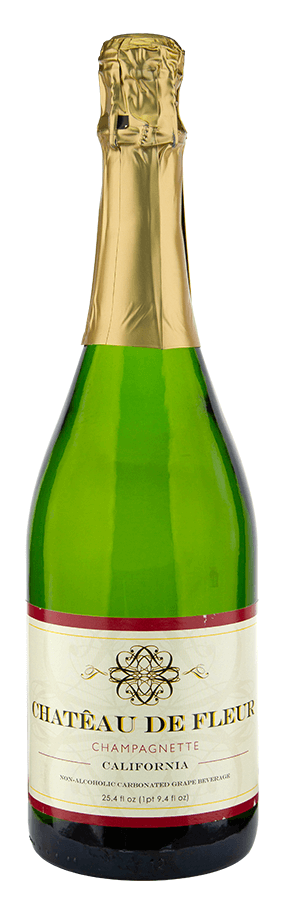
Celebrations often call for a sparkling drink that brings elegance, excitement, and a sense of occasion. Today, more people are choosing alcohol-free alternatives that allow them to enjoy festive moments without compromising their lifestyle choices.
Whether you’re hosting a dinner party, attending a family gathering, or simply enjoying a quiet evening, learning how to serve and enjoy non alcoholic sparkling champagne properly can elevate the entire experience.
From selecting the right glassware to pairing it with delicious foods, a few simple techniques can help you enjoy every sip like a true professional.
Choose the Right Serving Temperature
One of the most important factors in enjoying sparkling beverages is serving them at the correct temperature. If served too warm, the bubbles may dissipate quickly, and the flavors can become less refreshing. If served too cold, subtle aromas and tasting notes may be muted.
The ideal serving temperature is typically between 45°F and 50°F (7°C to 10°C). Place the bottle in the refrigerator for several hours before serving. For quicker chilling, use an ice bucket filled with ice and water for about 20 to 30 minutes.
Proper chilling enhances the crispness, preserves carbonation, and allows the drink’s character to shine.
Select Elegant Glassware
The right glass can significantly impact the drinking experience. While traditional flutes are popular because they showcase the rising bubbles beautifully, other options can also work well.
Consider these choices:
Flute glasses: Excellent for preserving carbonation and highlighting bubbles.
Tulip glasses: Allow more room for aromas to develop while maintaining effervescence.
White wine glasses: Suitable for premium sparkling varieties with complex flavor profiles.
Before serving, ensure glasses are spotless and free from detergent residue, as any film can affect bubble formation.
Open the Bottle Correctly
Opening a non alcoholic sparkling champagne bottle may seem straightforward, but doing it properly helps maintain carbonation and prevents spills.
Start by removing the foil and loosening the wire cage while keeping a firm grip on the cork. Hold the bottle at a 45-degree angle away from guests and fragile objects. Instead of twisting the cork, gently rotate the bottle while holding the cork steady.
The goal is to release the pressure with a soft sigh rather than a loud pop. This technique preserves more bubbles and creates a refined presentation.
Pour Like an Expert
Professional pouring techniques help maintain the beverage’s sparkle and appearance.
Tilt the glass slightly and pour slowly along the side. Allow the foam to settle before filling further. Avoid pouring directly into the center, which can create excessive froth and cause the bubbles to disappear more quickly.
A standard serving is about two-thirds of the glass. This leaves enough space for aromas to gather and gives guests room to swirl gently if desired.
Appreciate the Appearance
Before taking the first sip, spend a moment observing the drink.
Notice the color, clarity, and stream of bubbles. Some varieties display pale golden hues, while others may have subtle rose or fruit-inspired tones. Fine, consistent bubbles are often associated with quality production methods.
Visual appreciation adds another dimension to the tasting experience and encourages a more mindful approach to enjoying the beverage.
Explore the Aroma
Many people focus solely on taste, but aroma plays a major role in flavor perception.
Bring the glass close to your nose and take a gentle inhale. Depending on the style, you may notice notes such as:
- Green apple
- Citrus fruits
- Pear
- White peach
- Floral hints
- Toasted bread nuances
Taking time to identify these aromas helps you appreciate the craftsmanship behind the beverage and enhances your overall enjoyment.
Pair It with the Right Foods
Food pairing can transform a good drink into an exceptional dining experience. The bright acidity and lively bubbles of non alcoholic sparkling champagne make it highly versatile at the table.
Excellent pairing options include:
Fresh Appetizers
Light starters such as bruschetta, smoked salmon canapés, vegetable platters, and soft cheeses complement the crisp nature of sparkling beverages.
Seafood Dishes
Shrimp, oysters, grilled fish, and sushi pair beautifully with sparkling drinks due to their clean and refreshing flavors.
Poultry and Light Entrees
Roasted chicken, turkey, and herb-seasoned dishes benefit from the beverage’s balanced acidity and effervescence.
Desserts
Fruit tarts, berry-based desserts, and light pastries can create a delightful ending to any meal. Avoid excessively sweet desserts, which may overpower delicate flavors.
Create a Sophisticated Presentation
Presentation matters, especially during special occasions.
Consider these simple tips:
Chill glasses before serving.
Use elegant serving trays.
Garnish with fresh berries or citrus twists when appropriate.
Serve alongside attractive appetizer platters.
Keep bottles in an ice bucket during events.
A thoughtful presentation creates a memorable atmosphere and adds a touch of luxury to any gathering.
Make It Part of Every Celebration
One of the greatest advantages of non alcoholic sparkling champagne is their versatility. They can be enjoyed at a wide range of events, including:
- Weddings
- Baby showers
- Corporate functions
- Holiday gatherings
- Birthday celebrations
- Family dinners
Because they appeal to guests of various ages and preferences, they provide an inclusive option that everyone can enjoy together.
Experiment with Sparkling Mocktails
For those who enjoy creativity, sparkling beverages can serve as an excellent base for sophisticated mocktails.
Try combining them with:
- Fresh citrus juice
- Pomegranate juice
- Mint leaves
- Fresh berries
- Cucumber slices
- Herbal infusions
These additions can create refreshing drinks that maintain elegance while introducing new flavor dimensions.
Store Leftovers Properly
If the bottle is not finished, proper storage helps preserve freshness and carbonation.
Use a sparkling wine stopper specifically designed to maintain pressure inside the bottle. Store it upright in the refrigerator and consume it within one to three days for the best quality.
Avoid leaving an open bottle at room temperature, as the bubbles will fade rapidly.
Final Thoughts
Serving sparkling beverages with care can transform an ordinary moment into something truly special. By focusing on temperature, glassware, pouring technique, aroma, food pairings, and presentation, you can enjoy non alcoholic sparkling champagne with the same sophistication traditionally associated with premium sparkling drinks.
Whether you’re celebrating a major milestone or simply enjoying a relaxing evening, these professional serving tips help ensure every glass delivers maximum flavor, elegance, and enjoyment.