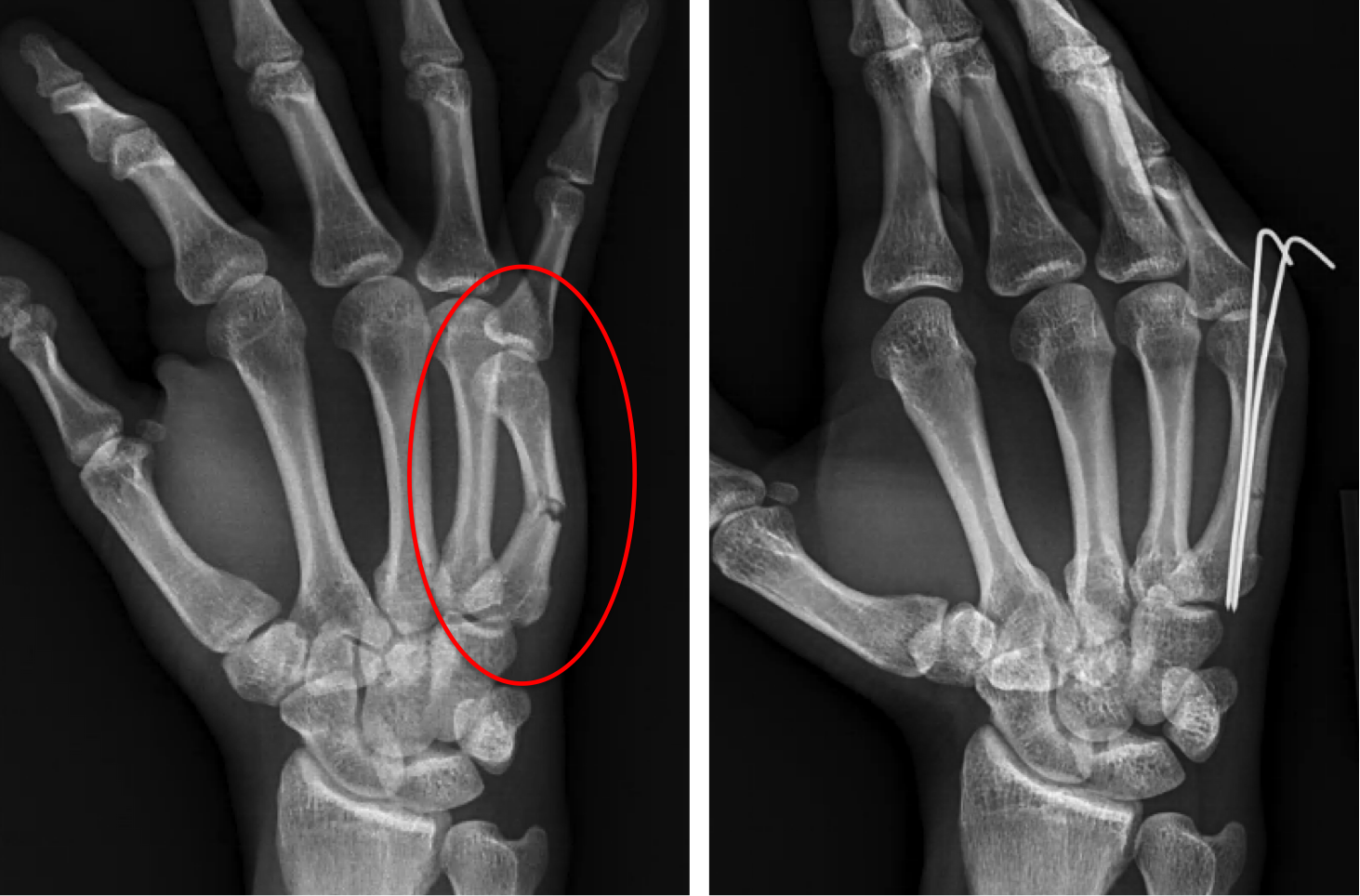
A hand fracture can affect almost every part of daily life. Simple tasks like writing, cooking, lifting objects, typing, or even buttoning a shirt may become painful and difficult. Because the hand contains many small bones, joints, muscles, and tendons that work together, even a small injury can reduce movement and strength if not treated properly.
Many people ignore pain or swelling after a hand injury, hoping it will improve on its own. However, delayed care may lead to stiffness, weakness, poor healing, or long-term problems. This is why hand fracture treatment is important for restoring normal hand function and helping patients return to their daily routine safely.
The right treatment not only helps the bone heal but also supports better movement, grip strength, flexibility, and comfort. With early diagnosis, proper care, and rehabilitation, most patients can recover successfully and regain confidence in using their hand again.
Understanding a Hand Fracture
A hand fracture means one or more bones in the hand are broken. The human hand contains 27 bones, including:
- Finger bones (phalanges)
- Palm bones (metacarpals)
- Wrist bones (carpals)
A fracture can happen in any of these bones. Some fractures are small cracks, while others involve severe breaks where the bone moves out of position.
Hand fractures are common because people naturally use their hands to protect themselves during falls or accidents. Sports injuries, workplace accidents, road accidents, and direct trauma are frequent causes.
Common Causes of Hand Fractures
Several situations can lead to a broken hand. These include:
Falls
Falling onto an outstretched hand is one of the most common causes. The force of impact can easily fracture the bones.
Sports Injuries
Contact sports such as football, basketball, boxing, and martial arts increase the risk of hand injuries.
Workplace Accidents
Heavy machinery, tools, or falling objects may crush or injure the hand.
Car Accidents
The impact during a collision may cause multiple fractures in the hand and wrist area.
Direct Trauma
Punching a hard surface or receiving a direct blow can fracture the metacarpal bones, especially around the little finger.
Symptoms of a Hand Fracture
The symptoms depend on the severity and location of the injury. Common signs include:
- Sudden pain after injury
- Swelling
- Bruising
- Difficulty moving fingers
- Weak grip strength
- Tenderness
- Finger deformity
- Stiffness
- Numbness in some cases
Some fractures are obvious, while others may appear similar to a sprain. This is why medical evaluation is important after any serious hand injury.
Why Early Treatment Matters
Early treatment plays a major role in recovery. Without proper care, the bones may heal incorrectly, leading to:
- Reduced hand strength
- Limited motion
- Chronic pain
- Finger deformity
- Joint stiffness
- Difficulty performing daily tasks
Prompt treatment improves the chances of correct bone healing and faster recovery. It also helps reduce complications that may require surgery later.
Diagnosis of a Hand Fracture
A specialist will usually begin with a physical examination. The doctor checks:
- Swelling
- Tenderness
- Alignment of fingers
- Hand movement
- Grip strength
- Nerve function
Imaging tests are then used to confirm the injury.
X-Rays
X-rays are the most common imaging method used to identify fractures and determine whether the bones are aligned properly.
CT Scan
In complex fractures, a CT scan may provide more detailed images of the bones and joints.
Types of Hand Fractures
Different types of fractures require different treatment methods.
Stable Fracture
The broken bone remains in proper position and may heal with immobilization alone.
Displaced Fracture
The bone moves out of alignment and may require repositioning or surgery.
Open Fracture
The bone breaks through the skin. This is a serious injury that needs urgent medical care.
Comminuted Fracture
The bone breaks into several pieces.
Spiral Fracture
A twisting force causes the break.
Boxer’s Fracture
This fracture usually affects the metacarpal bone near the little finger and commonly occurs after punching an object.
Goals of Hand Fracture Treatment
The main goals of treatment include:
- Proper bone healing
- Pain reduction
- Restoring finger movement
- Improving grip strength
- Preventing stiffness
- Returning to normal activities safely
Every treatment plan depends on factors such as:
- Age
- Fracture type
- Severity
- Bone alignment
- Activity level
- Overall health
Non-Surgical Hand Fracture Treatment
Many hand fractures can heal without surgery when treated early.
Splinting
A splint helps keep the hand stable and prevents movement while the bone heals.
Splints are often used during the early stage when swelling is present.
Casting
A cast may be applied to hold the bones in proper alignment for several weeks.
Buddy Taping
For small finger fractures, the injured finger may be taped to a nearby finger for support.
Pain Management
Doctors may recommend medications to reduce pain and inflammation during recovery.
Activity Modification
Patients are advised to avoid lifting, sports, and repetitive hand movements until healing improves.
Surgical Hand Fracture Treatment
Some fractures require surgery, especially when the bones are severely displaced or unstable.
Internal Fixation
Metal plates, screws, or pins are used to hold the bones together.
External Fixation
A stabilizing frame outside the hand may be used in severe injuries.
Bone Realignment
The surgeon carefully restores proper alignment before fixing the fracture.
Surgery aims to improve stability and restore normal hand structure. Proper rehabilitation after surgery is equally important for regaining movement.
The Role of Rehabilitation in Recovery
Rehabilitation is one of the most important parts of recovery after a hand fracture. Even after the bone heals, stiffness and weakness may continue if exercises are ignored.
Hand Therapy
Hand therapy focuses on improving:
- Flexibility
- Finger movement
- Coordination
- Strength
- Grip function
Range of Motion Exercises
Gentle exercises help reduce stiffness and improve finger mobility.
Strengthening Exercises
As healing progresses, strengthening exercises rebuild muscle power and hand function.
Scar Management
After surgery, therapy may help reduce scar tightness and improve movement.
How Treatment Restores Strength
A hand fracture weakens muscles because movement becomes limited during healing. Treatment restores strength through several stages.
Proper Bone Alignment
Correct alignment allows the hand muscles and tendons to work normally again.
Gradual Movement
Controlled movement prevents stiffness and muscle loss.
Muscle Conditioning
Therapy exercises rebuild endurance and grip strength over time.
Improved Joint Function
Healthy joints support stronger and smoother hand movements.
How Treatment Restores Motion
Movement depends on healthy bones, tendons, joints, and muscles working together. Fractures can interrupt this process.
Treatment helps restore motion by:
- Stabilizing the fracture
- Reducing swelling
- Protecting joints
- Preventing scar tissue stiffness
- Encouraging safe movement during healing
Patients who follow rehabilitation programs often recover better mobility compared to those who avoid therapy.
Recovery Timeline After Hand Fracture Treatment
Recovery varies depending on the fracture severity and treatment method.
Mild Fractures
Healing may take around 4 to 6 weeks.
Moderate Fractures
Recovery may require 6 to 8 weeks or longer.
Severe or Surgical Fractures
Some patients may need several months of rehabilitation.
Even after the bone heals, strength and flexibility can continue improving over time with exercises and therapy.
Tips for Better Recovery
Patients can support recovery by following medical advice carefully.
Follow Immobilization Instructions
Avoid removing splints or casts too early.
Attend Follow-Up Visits
Regular check-ups help monitor bone healing.
Perform Exercises Properly
Hand therapy exercises should be done consistently but safely.
Eat a Healthy Diet
Nutrition supports bone healing. Foods rich in calcium, vitamin D, and protein are beneficial.
Avoid Smoking
Smoking may slow bone healing and increase complications.
Possible Complications Without Proper Treatment
Ignoring a fracture or stopping treatment too early may lead to long-term problems.
Malunion
The bone heals in the wrong position.
Stiffness
Joints become difficult to move.
Weak Grip
Reduced hand strength affects daily tasks.
Chronic Pain
Improper healing may cause ongoing discomfort.
Arthritis
Joint fractures may increase the risk of arthritis later.
Returning to Daily Activities
Patients often ask when they can return to work, sports, or exercise.
The answer depends on:
- Fracture type
- Healing progress
- Pain levels
- Strength recovery
Doctors usually allow gradual return to activities once healing is stable and hand function improves.
High-impact sports may require additional recovery time to avoid re-injury.
Preventing Future Hand Injuries
Although not all injuries can be prevented, some safety measures reduce the risk.
Use Protective Gear
Sports gloves and workplace safety equipment can help protect the hands.
Improve Fall Prevention
Good footwear and safe surroundings reduce fall risk.
Practice Safe Techniques
Proper lifting and sports techniques help reduce stress on the hand.
Strengthen Hand Muscles
Regular exercises improve hand stability and support.
Emotional Impact of Hand Injuries
Hand fractures can also affect emotional well-being. Limited movement may interfere with work, hobbies, and independence.
Some patients feel frustrated during recovery because healing takes time. Support from healthcare providers, therapists, and family members can help patients stay motivated throughout rehabilitation.
Patience is important because recovery often happens gradually rather than immediately.
Importance of Choosing Specialized Care
The hand is a highly complex structure. Proper diagnosis and treatment require careful attention to detail.
Specialized orthopedic care helps ensure:
- Accurate fracture evaluation
- Personalized treatment planning
- Proper rehabilitation guidance
- Better long-term function
A treatment approach focused on restoring movement and strength can significantly improve recovery outcomes.
Conclusion
A hand fracture can seriously affect daily life, but early and proper treatment can make a major difference in recovery. From reducing pain and stabilizing the bones to restoring strength and movement, the right care helps patients regain normal hand function safely and effectively.
Whether treatment involves splinting, casting, therapy, or surgery, rehabilitation remains a key part of recovery. Following medical advice, staying consistent with exercises, and allowing enough healing time can improve long-term results.
For patients seeking expert orthopedic care and advanced fracture management, Dr Marouane Bouloudhnine provides specialized treatment focused on restoring mobility, strength, and overall hand function through personalized care and modern orthopedic techniques.