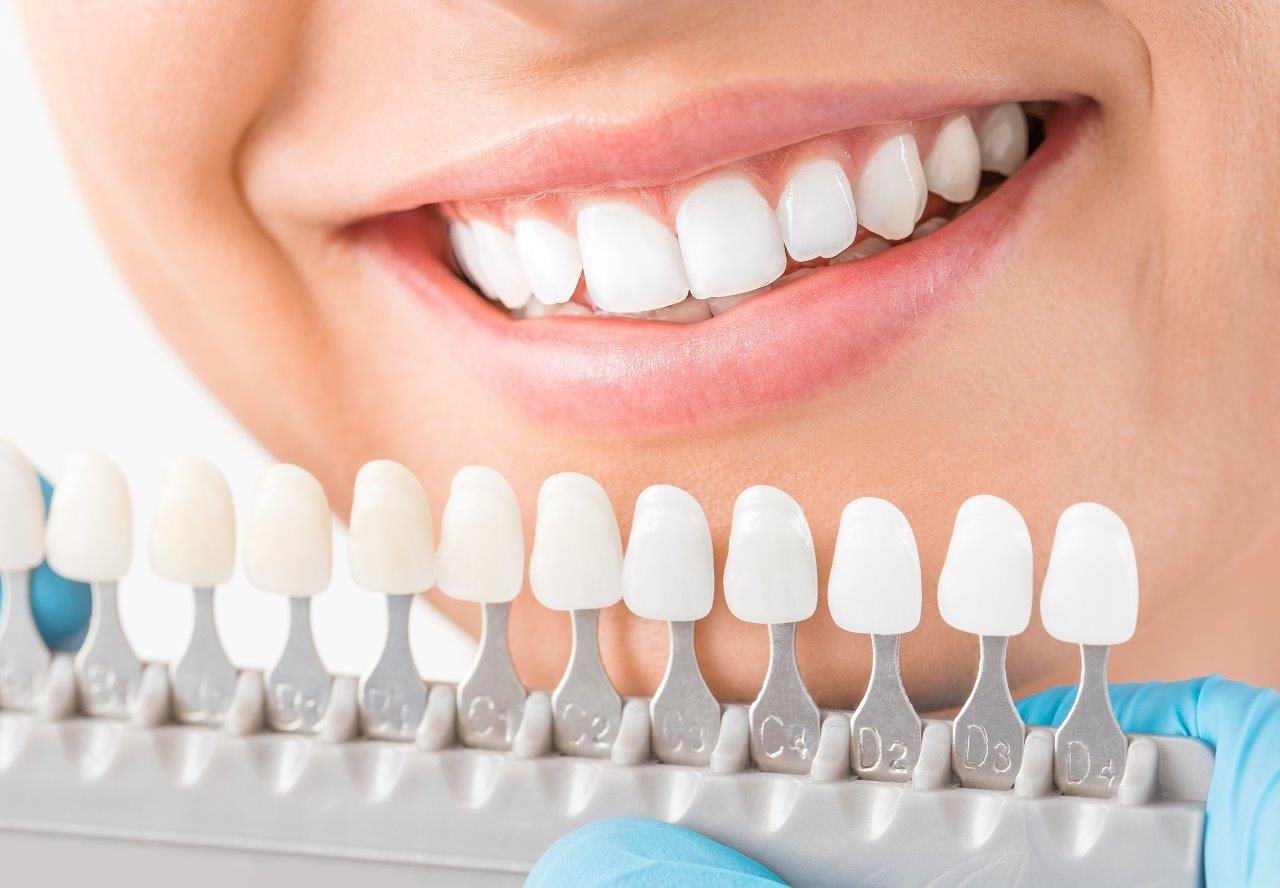
Getting veneers is one of the most effective ways to improve the appearance of your smile. Whether you want to cover stained teeth, close small gaps, or correct uneven shapes, veneers can create a brighter and more attractive look. Many people choose Veneers Dubai treatments because they provide fast, long-lasting, and natural-looking results.
However, getting veneers is only the first step. The way you care for them after treatment has a major impact on how long they last and how good they continue to look. Even though veneers are durable, they are not indestructible. Certain habits, foods, and mistakes can damage them, shorten their lifespan, or lead to costly repairs.
If you have recently had veneers placed or are planning the treatment soon, it is important to know what to avoid. In this guide, we will explain the most common mistakes people make after getting veneers and how you can protect your new smile for years to come.
Why Proper Veneer Care Matters
Veneers are thin shells, usually made from porcelain or composite material, that are bonded to the front of the teeth. They are designed to look natural and resist stains better than regular teeth. Although they are strong, they still require proper care.
Most porcelain veneers can last between 10 and 15 years, while composite veneers may last 5 to 7 years. The lifespan depends greatly on your oral hygiene and daily habits. Poor care can cause veneers to chip, crack, stain, or loosen over time.
Patients who invest in Veneers Dubai often expect perfect results for many years. The best way to protect that investment is by avoiding the following common mistakes.
1. Eating Hard Foods Immediately After Treatment
One of the biggest mistakes people make is eating hard or crunchy foods too soon after getting veneers. Right after the procedure, your teeth and gums may still be sensitive. The bonding material also needs time to settle completely.
Chewing hard foods immediately can place too much pressure on the new veneers. This may cause discomfort or even damage the edges of the veneers.
Foods you should avoid during the first few days include:
- Ice cubes
- Hard candies
- Nuts
- Popcorn kernels
- Raw carrots
- Hard bread crusts
Instead, stick to softer foods such as pasta, yogurt, soup, eggs, rice, and mashed potatoes until your mouth feels comfortable again.
2. Using Your Teeth as Tools
Many people have a habit of using their teeth to open packages, tear tape, or bite off clothing tags. This is dangerous even for natural teeth, but it is especially harmful after veneer treatment.
Veneers are designed for chewing food, not for handling hard objects. Using your teeth as tools can chip or crack the veneer surface. Once a veneer is damaged, it usually cannot be repaired and may need to be replaced.
After getting Veneers Dubai, always use scissors or proper tools instead of your teeth.
3. Ignoring Good Oral Hygiene
A common misconception is that veneers do not require much care because they are not natural teeth. While veneers themselves cannot decay, the natural teeth underneath them still can.
If you stop brushing and flossing properly, plaque and bacteria can build up around the gum line. This may lead to:
- Tooth decay under the veneer
- Gum disease
- Bad breath
- Discoloration around the edges of the veneer
Brush your teeth at least twice a day with a soft-bristled toothbrush and non-abrasive toothpaste. Floss daily to keep the spaces between your teeth clean.
Maintaining excellent oral hygiene is one of the most important steps to keep your Veneers Dubai looking healthy and beautiful.
4. Choosing the Wrong Toothpaste
Many whitening toothpastes contain harsh or abrasive ingredients. While these products may seem harmless, they can slowly wear down the surface of veneers.
Abrasive toothpaste can scratch porcelain or composite veneers and make them lose their shine. Over time, the veneers may begin to look dull or rough.
The best option is to use a gentle toothpaste recommended by your dentist. Avoid products that contain charcoal, baking soda, or strong whitening agents unless your dentist specifically says they are safe.
5. Drinking Too Much Coffee, Tea, or Dark-Colored Drinks
Porcelain veneers are more stain-resistant than natural teeth, but that does not mean they are completely stain-proof. Composite veneers, in particular, can absorb color over time.
Drinking large amounts of coffee, tea, red wine, cola, or dark juices may gradually affect the appearance of your veneers. These beverages can also stain the natural teeth next to your veneers, creating an uneven smile.
To reduce the risk of staining:
- Drink dark beverages through a straw
- Rinse your mouth with water afterward
- Brush your teeth after drinking when possible
- Limit the amount you consume
Patients who receive Veneers Dubai often want their smile to stay bright and white. Being careful with staining drinks can make a big difference.
6. Smoking After Veneer Treatment
Smoking is one of the worst habits for your teeth and gums. Although porcelain veneers resist stains better than natural teeth, smoking can still affect their appearance over time.
Nicotine and tobacco create yellow or brown discoloration around the edges of veneers and on nearby natural teeth. Smoking also increases the risk of gum disease, which can expose the margins of the veneers and make them look unnatural.
In addition, smoking slows down healing after dental treatment. If you have recently received veneers, it is best to avoid smoking completely, especially during the first few days.
7. Grinding or Clenching Your Teeth
Many people grind or clench their teeth while sleeping without even realizing it. This condition, called bruxism, can put extreme pressure on veneers.
Over time, grinding may lead to:
- Cracks in the veneers
- Chipped edges
- Loosening of the veneers
- Jaw pain and headaches
If you know that you grind your teeth, tell your dentist before or after getting veneers. They may recommend wearing a custom night guard while sleeping. A night guard acts as a protective barrier and can significantly extend the life of your veneers.
This is particularly important for anyone who has invested in Veneers Dubai and wants to avoid unnecessary repairs.
8. Skipping Dental Checkups
Some people believe they only need to visit the dentist if something feels wrong. Unfortunately, waiting until there is a problem can make the issue worse.
Routine dental checkups allow your dentist to examine the condition of your veneers and identify small problems before they become serious. For example, your dentist may notice:
- Early signs of gum inflammation
- Small chips or wear
- Plaque buildup around the veneers
- Changes in the bite
Regular professional cleanings also help keep your veneers polished and your smile looking fresh.
It is recommended to visit your dentist every six months after your Veneers Dubai treatment.
9. Biting Your Nails or Chewing on Objects
Nail-biting and chewing on objects such as pens, pencils, or bottle caps are habits that can damage veneers very quickly.
These actions place repeated pressure on the front teeth, which are usually the teeth that receive veneers. Constant pressure may weaken the bond or create small cracks that become larger over time.
If you have a habit of biting your nails or chewing on objects, try to stop as soon as possible. Replacing the habit with chewing sugar-free gum or using stress-relief techniques may help.
10. Expecting Veneers to Last Forever
Another mistake is assuming that veneers are permanent and never need maintenance. Veneers are durable, but they will eventually need replacement.
Porcelain veneers can last more than a decade with proper care, but daily wear and tear can slowly affect them. If you ignore small signs of damage, you may end up needing more extensive dental work later.
Signs that your veneers may need attention include:
- A loose feeling
- Rough edges
- Cracks or chips
- Discoloration
- Sensitivity around the tooth
Being realistic about the lifespan of veneers helps you take better care of them and prepare for future maintenance.
Tips to Keep Your Veneers Looking Their Best
To avoid these common mistakes and keep your smile in excellent condition, follow these simple tips:
- Brush twice a day using a soft toothbrush
- Floss daily
- Avoid hard and sticky foods
- Wear a night guard if you grind your teeth
- Limit coffee, tea, and smoking
- Visit your dentist every six months
- Use only dentist-approved toothpaste
- Never use your teeth to open objects
When cared for correctly, Veneers Dubai can give you a confident, natural-looking smile for many years.
Conclusion
Veneers are a wonderful cosmetic dental solution for improving your smile, but the results depend heavily on how you care for them after treatment. Many people accidentally shorten the lifespan of their veneers by eating hard foods, neglecting oral hygiene, skipping dental visits, or continuing harmful habits such as smoking and teeth grinding.
By understanding the common mistakes to avoid, you can protect your investment and enjoy your new smile for as long as possible. Good habits, regular checkups, and proper care will help your veneers remain bright, secure, and attractive.
If you have recently had Veneers Dubai or are considering the treatment, following these tips will help you achieve long-lasting and beautiful results.
Frequently Asked Questions
How long do veneers usually last?
Porcelain veneers generally last between 10 and 15 years, while composite veneers usually last around 5 to 7 years. Proper care, good oral hygiene, and regular dental visits can help extend their lifespan.
Can I eat normally after getting veneers?
You can return to normal eating habits after a few days, but it is best to avoid very hard foods such as ice, nuts, and hard candy. These foods may chip or crack the veneers.
Can veneers become stained?
Porcelain veneers resist stains well, but they can still become dull over time if you frequently drink coffee, tea, or smoke. Composite veneers are more likely to stain than porcelain.
Is it necessary to floss with veneers?
Yes, flossing is essential. Veneers do not protect you from gum disease or tooth decay around the edges of the tooth. Flossing keeps the gums healthy and helps maintain your smile.