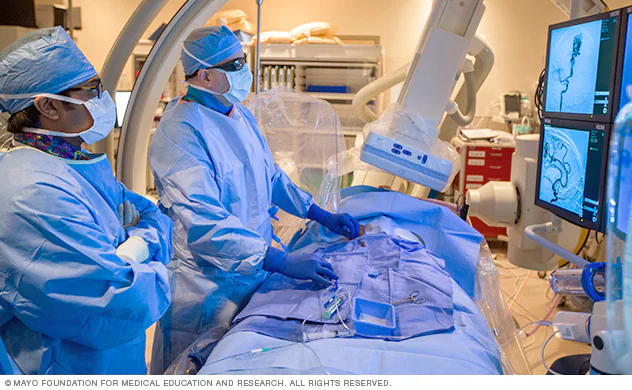
A specialized Brain Aneurysm Center plays a critical role in diagnosing, monitoring, and treating cerebral aneurysms before they become life-threatening. Brain aneurysms occur when a weakened area of a blood vessel in the brain bulges outward, creating a risk of rupture that can lead to hemorrhagic stroke. Early detection and expert neurosurgical intervention significantly improve patient outcomes and survival rates.
Advanced Diagnosis at a Brain Aneurysm Center
Comprehensive evaluation is the foundation of effective treatment. A modern Brain Aneurysm Center utilizes advanced imaging technologies such as
- Magnetic Resonance Angiography (MRA)
- Computed Tomography Angiography (CTA)
- Digital Subtraction Angiography (DSA)
These diagnostic tools allow specialists to assess aneurysm size, location, and rupture risk with precision. Early detection is especially important for patients with risk factors such as high blood pressure, smoking history, genetic predisposition, or a family history of aneurysms.
Expert Treatment Options
Treatment at a brain aneurysm center depends on whether the aneurysm is ruptured or unruptured, as well as its size and anatomical complexity. Leading centers provide both surgical and minimally invasive options, including
1. Surgical Clipping
A neurosurgeon places a small metal clip at the base of the aneurysm to stop blood flow into the bulge. This prevents rupture and offers a durable, long-term solution.
2. Endovascular Coiling
This minimally invasive procedure involves inserting a catheter through the blood vessels to place tiny coils inside the aneurysm, promoting clot formation and sealing it off from circulation.
3. Flow Diversion Devices
Advanced stent-like implants redirect blood flow away from the aneurysm, allowing the vessel wall to heal naturally over time.
The availability of multiple treatment modalities within a Brain Aneurysm Center ensures individualized care tailored to each patient’s clinical profile.
Multidisciplinary Care Approach
A hallmark of a high-quality Brain Aneurysm Center is a collaborative, multidisciplinary model. Neurosurgeons, interventional neuroradiologists, neurologists, and critical care specialists work together to create comprehensive treatment plans. This coordinated approach enhances safety, reduces complications, and optimizes neurological outcomes.
Recovery and Long-Term Monitoring
Recovery timelines vary depending on the procedure and whether the aneurysm ruptured. Minimally invasive treatments often allow for shorter hospital stays and faster rehabilitation. Follow-up imaging is essential to confirm successful treatment and monitor for recurrence.
Lifestyle management is equally important. Blood pressure control, smoking cessation, and routine neurological evaluations significantly reduce future risk.
Why Specialized Care Matters
Seeking treatment at a dedicated Brain Aneurysm Center provides access to advanced technology, experienced neurosurgical expertise, and evidence-based protocols. Early intervention, precision techniques, and coordinated aftercare dramatically improve both survival rates and quality of life.