
Author

sayyal01

Browsing

Do you feel exhausted after a full night’s sleep? Are you struggling to concentrate, feeling short of breath after a short walk, or looking paler than usual? You might be experiencing the silent and often misunderstood symptoms of iron deficiency.

Iron is the engine behind your red blood cells, carrying oxygen to every part of your body. When levels drop, your entire system feels the strain. But here’s the challenge: diagnosing iron deficiency isn’t always straightforward. Symptoms can be vague, and the condition often goes unnoticed until it progresses to anemia.

This is where the Iron Deficiency Calculator by MedTree comes in. Designed as a preliminary screening tool, this calculator helps you understand your risk level based on key symptoms and personal factors. In this article, we will explore how iron deficiency affects the body, how the calculator works, and the next steps you should take to reclaim your vitality.

What is Iron Deficiency?

Iron deficiency is a condition where your body lacks sufficient iron to maintain normal physiological functions. It is the most common nutritional deficiency worldwide, affecting an estimated 25% of the global population .

The Stages of Iron Deficiency

Iron deficiency is not an all-or-nothing condition; it progresses through stages:

  1. Mild Iron Deficiency (Iron Depletion): Iron stores in the bone marrow are low, but hemoglobin levels remain normal. You may feel slightly tired or have no symptoms at all.
  2. Iron-Deficiency Erythropoiesis: The body struggles to produce red blood cells due to insufficient iron. Fatigue becomes more noticeable.
  3. Iron Deficiency Anemia (IDA): This is the most severe stage. Hemoglobin levels drop below the normal range, leading to classic anemia symptoms like pale skin, extreme fatigue, and shortness of breath.

Why is Iron So Vital?

Iron is the core component of hemoglobin—the protein in red blood cells that carries oxygen from your lungs to your tissues. Without enough iron, your organs and muscles literally starve for oxygen, leading to the cascade of symptoms associated with the condition.

Introducing the Iron Deficiency Calculator by MedTree

The Iron Deficiency Calculator is a digital screening tool developed to help individuals assess their likelihood of having low iron levels before they visit a doctor.

How It Works?

The calculator uses a probabilistic algorithm based on medical guidelines. It asks a series of questions regarding:

  • Demographics: Age, gender, and life stage (pregnancy status).
  • Dietary Intake: Consumption of iron-rich foods (red meat, leafy greens) or inhibitors (excessive tea/coffee with meals).
  • Clinical Symptoms: Presence of fatigue, pallor, shortness of breath, and restless legs.
  • Risk Factors: History of heavy menstrual bleeding, gastrointestinal disorders (like celiac or Crohn’s disease), or recent surgery.

Based on your inputs, the tool generates a risk score (e.g., Low, Moderate, or High) and provides a summary of findings.

The Technology Behind the Tool

The MedTree calculator leverages clinical guidelines from organizations like the World Health Organization (WHO) and the American Gastroenterological Association (AGA) . It cross-references user-reported data with statistical models used in primary care settings to triage patients.

How to Use the Iron Deficiency Calculator? (Step-by-Step)

Using the calculator is designed to be simple and user-friendly, taking less than 3 minutes.

  1. Visit the MedTree Health Tools Section: Navigate to the MedTree platform where the calculator is hosted.
  2. Input Basic Information: Enter your age, sex, and whether you are currently pregnant (if applicable).
  3. Symptom Checker: Select the symptoms you are experiencing from a list, such as:
    • Chronic fatigue
    • Cold hands and feet
    • Brittle nails or spoon-shaped nails (koilonychia)
    • Pica (cravings for ice, dirt, or starch)
  4. Medical History: Indicate if you have conditions known to cause malabsorption (like Crohn’s disease) or chronic blood loss (like heavy menstruation or ulcers).
  5. Dietary Assessment: Note your typical intake of iron and foods that inhibit absorption.
  6. Receive Your Results: The system will generate a risk assessment and recommend whether a full blood count (FBC) and iron studies are warranted.

Important Disclaimer: The Iron Deficiency Calculator is a screening tool, not a diagnostic device. It cannot replace a formal blood test or a consultation with a healthcare professional.

Common Causes of Iron Deficiency

To interpret the results of your calculator assessment, it helps to understand the root causes.

1. Blood Loss (The Most Common Cause)

  • Women: Heavy menstrual bleeding (menorrhagia) is the leading cause in premenopausal women.
  • Gastrointestinal: Slow, chronic bleeding from ulcers, polyps, or colon cancer.
  • Medications: Regular use of aspirin or NSAIDs (like ibuprofen) can cause gastrointestinal bleeding.

2. Lack of Iron in the Diet

  • Vegetarian/Vegan Diets: Non-heme iron (from plants) is less easily absorbed than heme iron (from meat).
  • Poor Absorption: Conditions like celiac disease, gastric bypass surgery, or H. pylori infection prevent the body from absorbing iron, even if you eat enough.

3. Increased Need

  • Pregnancy: The body needs significantly more iron to expand blood volume and support the fetus.
  • Infancy and Adolescence: Rapid growth spurts require substantial iron stores.

Symptoms That Trigger a “High Risk” Score

If you input the following into the calculator, you will likely receive a high-risk result and a recommendation to see a doctor immediately:

  • Extreme Fatigue: Inability to perform daily tasks.
  • Pica: Unusual cravings for non-food items (ice, clay, paper).
  • Pallor: Visible paleness in the face, inner eyelids, or nail beds.
  • Tachycardia: Heart palpitations or a racing heart.
  • Shortness of Breath: Even during light physical activity.

Pros and Cons of Using an Iron Deficiency Calculator

Pros

  • Accessibility: Available 24/7, allowing users to assess risk from the comfort of home.
  • Awareness: Helps demystify vague symptoms, prompting users to take fatigue seriously.
  • Time-Efficient: Provides instant feedback without waiting for a doctor’s appointment.
  • Data-Driven: Encourages users to gather their symptoms and history before seeing a GP, making the clinical visit more productive.

Cons

  • Not Diagnostic: It cannot measure actual ferritin or hemoglobin levels; it only assesses risk based on user-reported data.
  • False Sense of Security: A “low risk” result might delay a user from seeking help for other underlying conditions that mimic iron deficiency (e.g., hypothyroidism, chronic fatigue syndrome).
  • Subjectivity: Symptoms like “fatigue” are subjective. The calculator relies on the user’s honesty and self-awareness.
  • Technical Limitations: It cannot account for complex medical interactions without a physical examination.

Frequently Asked Questions

Q1: Is the Iron Deficiency Calculator by MedTree accurate?

The calculator is based on established clinical guidelines and epidemiological data. However, it is a screening tool. It is highly accurate at identifying risk patterns, but only a blood test (specifically a serum ferritin test) can definitively diagnose iron deficiency.

Q2: What is the difference between iron deficiency and anemia?

Iron deficiency means your body’s iron stores are low. Anemia means your red blood cell count or hemoglobin is low. Iron deficiency often leads to anemia, but you can be iron deficient without being anemic. The calculator screens for deficiency risk, not just anemia.

Q3: What should I do if I get a “High Risk” result?

If the calculator indicates high risk, you should:

  1. Book an appointment with your general practitioner.
  2. Request a Full Blood Count (FBC) and Iron Studies (including ferritin, transferrin saturation).
  3. Do not start iron supplements until a doctor confirms deficiency, as excess iron can be toxic.

Q4: Can I use this calculator if I am pregnant?

Yes. Pregnancy significantly increases iron requirements. The calculator includes pregnancy as a specific variable to adjust the risk algorithm accordingly. However, all pregnant women should have their iron levels checked routinely by their obstetrician or midwife.

Q5: What are the best dietary sources of iron?

  • Heme Iron (Best Absorption): Red meat, liver, poultry, and fish.
  • Non-Heme Iron: Spinach, lentils, beans, tofu, and fortified cereals.
  • Enhancers: Vitamin C (citrus fruits) helps absorption.
  • Inhibitors: Calcium and tannins (tea/coffee) reduce absorption if consumed with meals.

Q6: How long does it take to fix iron deficiency?

If you are taking supplements (ferrous sulfate), you may feel better in 2 to 4 weeks, but it can take 3 to 6 months to fully restore iron stores. The calculator helps you understand the need for consistency in treatment.

Beyond the Calculator: Diagnosis and Treatment

If the Iron Deficiency Calculator indicates moderate or high risk, and your subsequent blood work confirms low ferritin, your doctor will discuss treatment options.

1. Oral Iron Supplements

  • Standard: Ferrous sulfate (325 mg).
  • Side Effects: Constipation, nausea, dark stools.
  • Best Practice: Take on an empty stomach with vitamin C (orange juice) for maximum absorption.

2. Intravenous (IV) Iron

Reserved for patients who:

  • Cannot tolerate oral supplements.
  • Have malabsorption issues (e.g., after gastric bypass).
  • Need rapid replenishment (e.g., late-stage pregnancy).

3. Addressing the Root Cause

Treating the symptoms is not enough. A good doctor will also investigate why you are losing iron. This may involve:

  • Gynecological evaluation for heavy periods.
  • Gastroenterology referral for colonoscopy/endoscopy to rule out internal bleeding.

Why MedTree? Expertise and Trust

MedTree is a reputable health informatics platform dedicated to bridging the gap between patients and clinical care. The Iron Deficiency Calculator was developed with input from hematologists and general practitioners to ensure the tool aligns with modern medical standards.

Conclusion

Iron deficiency is a silent drain on your quality of life. It robs you of energy, clouds your thinking, and strains your heart. The Iron Deficiency Calculator by MedTree offers a simple, immediate way to understand your risk and stop guessing about your symptoms.

When you get blood work done, eGFR is one of the most critical numbers on that report. Yet most people glance past it without understanding its significance. This simple calculation can detect early kidney disease long before symptoms appear, giving you a crucial window for intervention.

In this comprehensive guide, you’ll learn what eGFR means, how it’s calculated, what normal ranges look like, and most importantly what to do if your numbers fall outside those ranges. Whether you’ve just received test results or want to understand kidney health better, this article provides the clarity you need.

What Is eGFR? 

eGFR stands for estimated Glomerular Filtration Rate. It’s a blood test result that estimates how well your kidneys are filtering waste products from your blood .

The “G” in eGFR glomerular refers to the tiny filters inside your kidneys called glomeruli. Each kidney contains about one million of these microscopic filtering units. They work around the clock, processing approximately 200 quarts of blood daily to produce about 2 quarts of urine .

Think of your kidneys as your body’s wastewater treatment plant. The glomeruli are the filters that:

  • Remove excess fluid
  • Eliminate metabolic waste products
  • Balance electrolytes
  • Maintain proper pH levels

What eGFR Actually Measures?

The test specifically looks at creatinine, a waste product from normal muscle breakdown. Healthy kidneys filter creatinine out of blood and into urine. If kidneys aren’t working well, creatinine builds up in the blood, lowering your eGFR .

Why eGFR Matters: The Kidney Health Indicator?

eGFR is the primary tool for diagnosing, staging, and monitoring chronic kidney disease (CKD) . Here’s why it’s so valuable:

1. Early Detection

Kidney disease is often called a “silent condition” because symptoms don’t appear until significant damage has occurred. By the time you feel unwell, you may have lost up to 40% of kidney function . eGFR can detect problems years earlier.

2. Disease Staging

Once kidney disease is identified, eGFR determines the stage:

CKD StageeGFR ValueKidney Function Level
Stage 1≥90Normal function but signs of kidney damage (protein in urine)
Stage 260-89Mildly decreased function
Stage 3a45-59Mild to moderate decrease
Stage 3b30-44Moderate to severe decrease
Stage 415-29Severe decrease
Stage 5<15Kidney failure

3. Treatment Guidance

eGFR helps doctors:

  • Adjust medication dosages (many drugs are cleared by kidneys)
  • Determine when to prepare for dialysis or transplant
  • Monitor disease progression
  • Evaluate treatment effectiveness

4. Cardiovascular Risk Assessment

Low eGFR is independently linked to increased risk of heart attack, stroke, and cardiovascular death .

How Is eGFR Calculated?

The Creatinine Connection

eGFR is calculated using your blood creatinine level plus other factors. Creatinine is produced at a steady rate based on your muscle mass and is completely filtered by healthy kidneys.

The Formula

The standard equation used is the CKD-EPI (Chronic Kidney Disease Epidemiology Collaboration) formula , which incorporates:

  • Serum creatinine level (from blood test)
  • Age (kidney function naturally declines with age)
  • Gender (men typically have higher muscle mass)
  • Race (historically included; modern guidelines reconsider this factor)

Why Race Matters?

The original formulas included a correction factor for Black patients based on studies suggesting higher average muscle mass. However, this practice has been controversial because:

  • It may delay diagnosis and treatment for Black patients
  • Race is a social construct, not a biological one
  • Newer, race-free equations are being adopted

Many labs now use the CKD-EPI 2021 Race-Free equation , which provides accurate estimates without race adjustment .

Other Factors That Affect Accuracy

eGFR is less accurate when:

  • You’re very muscular or very frail (creatinine production differs)
  • You’re pregnant
  • You have unusual muscle wasting conditions
  • You’re an amputee
  • You consume large amounts of cooked meat before testing

In these cases, doctors may order cystatin C testing , which provides a creatinine-independent eGFR estimate .

Normal eGFR Ranges by Age

What’s “Normal”?

For most adults, an eGFR over 90 mL/min/1.73m² is considered normal . However, “normal” varies by age because kidney function naturally declines:

Age GroupAverage eGFR
20-29 years116
30-39 years107
40-49 years99
50-59 years93
60-69 years85
70+ years75

Important Caveats

  • eGFR above 90 may be normal or may indicate early kidney damage if there are other signs (like protein in urine)
  • eGFR 60-89 may be normal for older adults but requires monitoring
  • eGFR consistently below 60 for 3+ months indicates chronic kidney disease

Race-Based Differences

Research shows differences in average eGFR among populations:

  • Non-Hispanic Whites: ~95
  • Non-Hispanic Blacks: ~105 (historically, before race-free equations)
  • Hispanic Americans: ~100
  • Asian Americans: ~90

These differences likely relate to muscle mass, diet, and possibly genetics .

What Does a Low eGFR Mean?

An eGFR below 60 mL/min/1.73m² for three months or longer indicates chronic kidney disease . Here’s what various levels mean:

Mildly Decreased (60-89)

  • May be normal for age
  • Requires monitoring and risk factor management
  • Check for protein in urine

Moderately Decreased (30-59)

  • Stage 3 CKD
  • Kidneys working at about half capacity
  • Usually requires treatment and lifestyle changes
  • Regular monitoring needed

Severely Decreased (15-29)

  • Stage 4 CKD
  • Preparation for kidney replacement therapy may begin
  • Specialist referral (nephrologist) essential

Kidney Failure (<15)

  • Stage 5 CKD
  • Dialysis or kidney transplant needed to survive
  • Symptoms become prominent

Causes of Low eGFR

CategorySpecific Causes
Chronic diseasesDiabetes, hypertension, glomerulonephritis
Autoimmune conditionsLupus, IgA nephropathy
InfectionsHepatitis B/C, HIV
ObstructionsKidney stones, enlarged prostate
MedicationsNSAIDs, certain antibiotics, lithium
OtherPolycystic kidney disease, repeated UTIs

Factors That Affect eGFR Results

Temporary Factors (Transient Decreases)

Your eGFR can temporarily drop due to:

  • Dehydration
  • High-protein meal before testing
  • Intense exercise
  • Certain medications
  • Urinary tract infection
  • Acute kidney injury

This is why abnormal results should be confirmed with repeat testing .

Medications That Affect Creatinine

Some drugs increase creatinine without actually damaging kidneys:

  • Trimethoprim (antibiotic)
  • Cimetidine (acid reducer)
  • Fenofibrate (cholesterol drug)

Others genuinely reduce kidney function:

  • NSAIDs (ibuprofen, naproxen)
  • ACE inhibitors (can cause temporary dip)
  • Contrast dyes (for CT scans)

Dietary Influences

  • High meat intake can temporarily raise creatinine
  • Vegetarian diet may produce slightly lower creatinine
  • Creatine supplements artificially elevate levels

eGFR and Chronic Kidney Disease

The Connection

eGFR is the primary tool for diagnosing and staging CKD. However, eGFR alone isn’t enough doctors also check for kidney damage markers like:

  • Albuminuria (protein in urine)
  • Hematuria (blood in urine)
  • Imaging abnormalities (cysts, structural issues)
  • Pathology findings (from kidney biopsy)

Progression Monitoring

eGFR TrendWhat It Means
StableDisease controlled; treatment working
Slowly declining (1-2 mL/min/year)Normal aging or slow progression
Rapid decline (>5 mL/min/year)Active damage requiring intervention

When to See a Nephrologist?

  • eGFR <30
  • Rapid eGFR decline
  • Heavy proteinuria
  • Difficult-to-control blood pressure
  • Complications of CKD (anemia, bone disease)

How to Improve Your eGFR?

While you cannot reverse scarred kidney tissue, you can slow progression and protect remaining function :

Medical Management

  1. Control blood pressure: Target <130/80 mmHg
  2. Manage diabetes: HbA1c <7%
  3. Use protective medications: ACE inhibitors or ARBs
  4. Adjust medication doses: Avoid nephrotoxic drugs
  5. Treat underlying conditions: Autoimmune disease, infections

Lifestyle Modifications

InterventionBenefit
Low-sodium diet (<2g/day)Reduces blood pressure and proteinuria
Moderate protein intakeDecreases kidney workload
HydrationPrevents acute kidney injury
ExerciseImproves cardiovascular health
Smoking cessationSlows disease progression
Weight managementReduces diabetes and hypertension risk

What to Avoid

  • NSAIDs (ibuprofen, naproxen)
  • Excessive alcohol
  • High-phosphorus foods (processed foods, dark sodas)
  • Herbal supplements (some are nephrotoxic)

eGFR vs. Other Kidney Tests

TestWhat It MeasuresWhen Used
eGFROverall filtration rateRoutine screening, staging CKD
Urine albumin-to-creatinine ratioProtein leakageDetecting early kidney damage
BUN (Blood Urea Nitrogen)Nitrogen wasteAssessing hydration, bleeding
Cystatin CAlternative filtration markerWhen creatinine is unreliable
Creatinine clearance (24-hour urine)Actual creatinine removalResearch, specific clinical situations
Kidney ultrasoundStructure, size, obstructionsDiagnosing cause of CKD

Frequently Asked Questions

What is a normal eGFR by age?

For adults under 40, normal eGFR is typically >90. It naturally declines with age average at 70 is around 75. Values above 60 may be normal for older adults .

What eGFR level requires dialysis?

Dialysis is typically considered when eGFR falls below 15 mL/min/1.73m² and the patient has symptoms of kidney failure (nausea, fatigue, fluid overload) .

Can eGFR go back up?

If the decrease was caused by a temporary factor (dehydration, infection, medication), eGFR can return to baseline. In chronic kidney disease, lost function typically cannot be regained, but progression can be slowed .

How often should eGFR be checked?

  • Annual: Routine health screening
  • Every 6 months: Stage 3 CKD
  • Every 3 months: Stage 4 CKD
  • Monthly: Stage 5 CKD (pre-dialysis)

What foods should I avoid with low eGFR?

Limit sodium, potassium, and phosphorus if levels are elevated. Common high-phosphorus foods include dairy, nuts, seeds, beans, and dark colas .

Does dehydration affect eGFR?

Yes, dehydration temporarily lowers eGFR. Always hydrate normally before testing and confirm low results with repeat testing .

Is low eGFR always kidney disease?

Not necessarily. Low eGFR can be normal for age, affected by muscle mass, or temporarily reduced by medications or illness. Persistent low readings with other signs confirm CKD .

What is the difference between GFR and eGFR?

GFR is the actual measured filtration rate (research setting). eGFR is an estimate based on blood creatinine (clinical setting). For most purposes, eGFR is sufficiently accurate .

Pros and Cons of eGFR Testing

Pros

  • Simple blood test requiring no special preparation
  • Widely available and inexpensive
  • Detects kidney disease early before symptoms
  • Guides medication dosing to prevent toxicity
  • Monitors disease progression objectively
  • Establishes CKD stage for treatment planning

Cons

  • Not perfectly accurate in all populations
  • Affected by muscle mass (overestimates in frail, underestimates in muscular)
  • Temporary factors can cause false abnormal results
  • Race adjustment historically problematic
  • Cannot detect all kidney damage (needs urine testing too)
  • Single test insufficient for diagnosis (requires confirmation)

Conclusion

Your eGFR is one of the most important numbers in your medical profile. This simple blood test provides a window into your kidney health, allowing early intervention that can preserve function for years or decades.
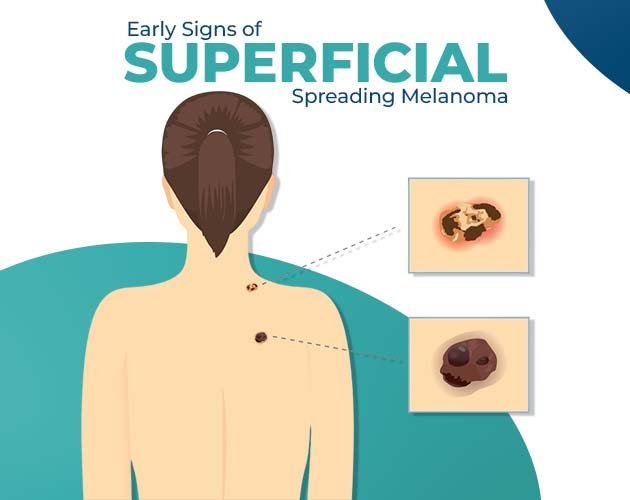
When people think of skin cancer, they often imagine an irregular, dark mole and for good reason. That classic description matches superficial melanoma, technically known as superficial spreading melanoma, which is the most common form of this potentially serious disease .

If you’ve ever wondered whether a changing mole on your skin warrants concern, understanding this specific type of melanoma is essential. Superficial spreading melanoma accounts for approximately 70% of all melanoma diagnoses . When caught early, it’s highly treatable.

This article will walk you through everything you need to know about superficial melanomafrom what it looks like and who’s at risk, to diagnosis, treatment options, and survival rates. By the end, you’ll know exactly what to watch for and when to seek medical attention.

What Is Superficial Melanoma?

Superficial spreading melanoma is a type of skin cancer that begins in the melanocytes the cells that produce the skin-darkening pigment melanin . What makes this particular melanoma unique is its growth pattern.”

As the name suggests, superficial spreading melanoma initially grows horizontally across the top layer of skin (the epidermis). This phase is called radial growth . During this time, the cancer remains on the skin’s surface and may stay there for months, years, or even decades before penetrating deeper .

If left untreated, it can eventually grow vertically into the deeper layers of skin (the dermis). Once this happens, it becomes invasive melanoma, which has the potential to spread to lymph nodes and other organs .

Superficial Melanoma vs. Melanoma in Situ

When the cancerous cells remain entirely within the epidermis meaning they haven’t invaded deeper layers this is known as melanoma in situ . At this stage, the melanoma is considered stage 0 and is 100% curable with complete surgical removal .

The Key Difference from Other Melanomas

Unlike nodular melanoma, which grows aggressively downward from the start, superficial spreading melanoma’s slow, outward growth pattern provides a crucial window for early detection and treatment . This is why regular skin checks are so important you have time to spot it before it becomes dangerous.

How Common Is Superficial Spreading Melanoma?

Superficial spreading melanoma is by far the most common type of melanoma, accounting for approximately 70% of all cases .

Here’s what the statistics tell us:

  • Age distribution: While it can occur in adults of all ages, it’s most common in people over 40. Only about 15% of cases arise under age 40, and less than 1% occur in people under 20 .
  • Gender differences: It affects both men and women, but location varies. In men, it’s most common on the head, neck, and torso. In women, it occurs more often on the legs and feet .
  • Skin tone: This type of melanoma almost always occurs in light-skinned individuals as a result of sun exposure . However, people of all skin tones can develop melanoma, just usually different types.

How Does Superficial Melanoma Look Like?

Recognizing superficial spreading melanoma starts with knowing what to look for. These lesions can appear anywhere on the body, either as a new mole or as changes within an existing mole .

The Classic Appearance

Superficial spreading melanomas typically appear as:

  • flat or slightly raised patch on the skin 
  • Irregular or asymmetrical shape (one half doesn’t match the other) 
  • Uneven borders that may be notched, ragged, or blurred 
  • Multiple colors within the same lesion light brown, dark brown, black, red, pink, blue, or even white 
  • Usually larger than 6 millimeters across (about the size of a pencil eraser), though they can be smaller 

The ABCDE Method for Detection

The ABCDE rule is a simple way to remember what to check for :

LetterMeaningWhat to Look For
AAsymmetryOne half doesn’t match the other half
BBorderEdges are irregular, ragged, notched, or blurred
CColorUneven coloring with shades of brown, black, tan, red, white, or blue
DDiameterLarger than 6mm (pencil eraser size), though melanomas can be smaller
EEvolvingChanging in size, shape, or color, or new symptoms like bleeding or itching

The Ugly Duckling Sign

Another helpful approach is the “ugly duckling” method. Most of your normal moles resemble each other they look like a matching set. If you have one spot that looks completely different from your other moles, that’s the “ugly duckling” worth having checked .

Beyond the ABCDEs

Some superficial spreading melanomas may also:

  • Feel different in texture from surrounding skin
  • Develop a dark, raised nodule within the flat patch 
  • Bleed or ooze spontaneously 
  • Appear as a mole that looks like it’s spreading beyond its original borders 

Important Caveat

Not all superficial spreading melanomas follow these rules perfectly. Some may be smaller than 6mm or have more subtle features. When in doubt, get it checked out .

What Causes Superficial Melanoma?

Superficial spreading melanoma develops when DNA mutations occur in melanocytes, causing them to grow uncontrollably . While the exact trigger for these mutations isn’t always clear, researchers have identified several key risk factors.

Ultraviolet (UV) Exposure: The Primary Culprit

UV radiation from sunlight and tanning beds is the primary risk factor for superficial spreading melanoma . However, it’s not just about total lifetime exposure the pattern of exposure matters.

  • Intermittent intense exposure (like weekend sunbathing or vacations) appears more dangerous than steady, moderate exposure 
  • History of sunburn, especially blistering sunburns in childhood, significantly increases risk 
  • Tanning bed use is particularly harmful, especially with 10 or more sessions 

Personal Characteristics

Your natural traits also play a major role :

  • Fair skin that burns rather than tans (Fitzpatrick skin types I and II)
  • Red or blonde hair
  • Blue or green eyes
  • Numerous moles having 50 or more moles, or 5 or more atypical moles
  • Freckles, especially on the upper back
  • Increasing age, with highest rates in people over 50

Medical and Family History

  • Personal history of melanoma or other skin cancers 
  • Family history of melanoma in a first-degree relative (parent, sibling, or child) 
  • Weakened immune system from medications or medical conditions 

How Is Superficial Melanoma Diagnosed?

If you notice a suspicious spot, here’s what you can expect during the diagnostic process.

Clinical Examination

Your doctor or dermatologist will first examine the area, often using a dermatoscope a special magnifying lens with a light that allows them to see structures in the skin invisible to the naked eye . They’ll look for features like asymmetric structures, multiple colors, and atypical pigment networks.

Biopsy: The Gold Standard

If the lesion looks suspicious, the next step is a biopsy . This involves removing the tissue for laboratory examination.

For suspected melanoma, an excisional biopsy is preferred removing the entire lesion along with a small margin of healthy tissue . This provides the pathologist with the complete picture needed for accurate diagnosis.

Pathology Report

A pathologist examines the tissue under a microscope and provides a report that includes:

  • Confirmation of whether cancer cells are present
  • Breslow thickness a vertical measurement in millimeters from the top of the lesion to its deepest point . This is the single most important factor in determining prognosis and treatment .
  • Ulceration status (whether the skin surface is broken)
  • Mitotic rate (how fast cells are dividing)

Staging and Further Testing

If the melanoma is deeper than 1mm or has other concerning features, your doctor may recommend :

  • Sentinel lymph node biopsy to check if cancer has spread to nearby lymph nodes
  • Imaging tests (CT scans, MRIs, or PET scans) if there’s concern about distant spread

Melanoma Stages at a Glance 

StageDescription5-Year Survival Rate
Stage 0Melanoma in situ (confined to epidermis)100%
Stage I-IILocalized to skin, no spread97.6%
Stage IIISpread to nearby lymph nodes60.3%
Stage IVSpread to distant organs16.2%

Treatment Options for Superficial Melanoma

Treatment depends primarily on the stage and Breslow thickness of the melanoma.

Surgery: The Primary Treatment

For early-stage superficial spreading melanoma, surgical excision is both diagnostic and curative .

  • Wide local excision removes the melanoma along with a margin of healthy skin. The margin size is determined by the tumor’s thickness :
    • Thin melanomas: 1cm margin
    • Thicker melanomas: 2cm margin

Treatment for Advanced Disease

If the melanoma has spread beyond the skin, additional treatments may be necessary :

  • Immunotherapy: Medications that help your immune system recognize and attack cancer cells. Used for advanced stages or more aggressive melanomas .
  • Targeted therapy: For melanomas with specific gene mutations (like BRAF), drugs can block the pathways that allow cancer to grow. BRAF mutations are more common in superficial spreading melanoma .
  • Radiation therapy: High-energy rays that damage cancer cells’ DNA .
  • Chemotherapy: Anti-cancer medications, typically used when other treatments aren’t effective .
  • Clinical trials: Many new treatments are being studied; ask your doctor if a trial might be right for you .

Survival Rate and Prognosis

The outlook for superficial spreading melanoma is excellent when caught early.

Overall Survival Statistics

A large study of nearly 100,000 superficial spreading melanoma cases found an overall survival rate of 95% . This high rate reflects the slow-growing nature of this melanoma type and the effectiveness of early treatment.

What Affects Prognosis?

Several factors influence outcomes :

  1. Tumor thickness This is the most important factor. Thinner tumors have much better outcomes.
  2. Ulceration Melanomas with ulcerated surfaces have a worse prognosis.
  3. Location Melanomas on arms or legs may have better outcomes than those on the head, neck, or trunk.
  4. Age and gender Younger patients and females tend to have better outcomes.
  5. Spread Whether cancer has reached lymph nodes or distant organs.

Recurrence Risk

Even after successful treatment, about 5-10% of melanoma patients will experience a recurrence . Additionally, more than 20% will develop a new, unrelated melanoma (melanoma in situ) . This is why ongoing skin surveillance is essential.

Prevention and Early Detection Strategies

You can significantly reduce your risk of superficial spreading melanoma through simple, consistent habits.

Sun Safety Practices 

  • Use SPF 50+ sunscreen broad-spectrum, water-resistant, applied 30 minutes before going out and reapplied every 2 hours
  • Wear protective clothing including wide-brimmed hats, long sleeves, and sunglasses
  • Seek shade during peak UV hours (10 a.m. to 4 p.m.)
  • Avoid tanning beds completely use sunless tanning products if you want a tan appearance
  • Check medications with your doctor some can increase sun sensitivity

Regular Skin Checks

  • Monthly self-exams: Use a full-length mirror and hand-held mirror to check all areas, including your back, scalp, and between toes. Have someone help with hard-to-see areas .
  • Professional skin checks: Yearly exams by a dermatologist or trained professional, more frequently if you have risk factors .

Know Your Skin

Familiarize yourself with your moles and spots so you can recognize changes quickly. If something is new, changing, or just looks “off” trust your instincts and get it checked.

Pros and Cons of Early Detection

Pros of Early Detection

  • Cure rates approach 100% for stage 0 melanoma 
  • Minimally invasive treatment simple outpatient surgery
  • Lower healthcare costs compared to advanced cancer treatment
  • No need for chemotherapy, radiation, or immunotherapy
  • Peace of mind knowing you’ve addressed the issue

Cons of Late Diagnosis

  • More extensive surgery with larger margins
  • Potential lymph node involvement requiring additional procedures
  • Need for adjuvant therapies like immunotherapy
  • Lower survival rates stage IV survival drops to 16.2% 
  • Ongoing surveillance and anxiety about recurrence

Frequently Asked Questions

How fast does superficial spreading melanoma grow?

Superficial spreading melanoma grows slowly compared to other types like nodular melanoma. The median growth rate is approximately 0.12 mm per month . It can remain in the horizontal growth phase for months to years or even decades before becoming invasive .

Can superficial spreading melanoma be completely cured?

Yes, absolutely especially when caught early. Stage 0 melanoma (in situ) has a 100% cure rate with complete surgical excision . Even early-stage invasive melanoma has excellent outcomes, with 97.6% 5-year survival for localized disease.

Does superficial spreading melanoma always start from an existing mole?

No. While about 25% of cases arise from an existing mole, the majority approximately 75% develop as a new lesion on normal-looking skin . This is why monitoring for any new or changing spot is important, not just existing moles.

What’s the difference between superficial spreading melanoma and nodular melanoma?

A: The main difference is growth pattern. Superficial spreading melanoma grows outward across the skin surface first, remaining flat for some time. Nodular melanoma grows downward into deeper skin layers from the start, making it more aggressive and harder to detect early