
Author

revivelab

Browsing

You spent weeks planning your research, sourced high-quality peptides, and set everything up carefully. Then one small mistake with your reconstitution water quietly destroys the entire experiment. This happens more often than most researchers want to admit. 

The peptide gets the attention, but the water it’s mixed with matters just as much. For anyone working with bacteriostatic water for peptide reconstitution in Canada, understanding what can go wrong with BAC water handling is not optional; it’s the foundation of reliable results. Here are five mistakes that are easy to make and costly to ignore.

What Is Bacteriostatic Water and Why Does It Matter So Much?

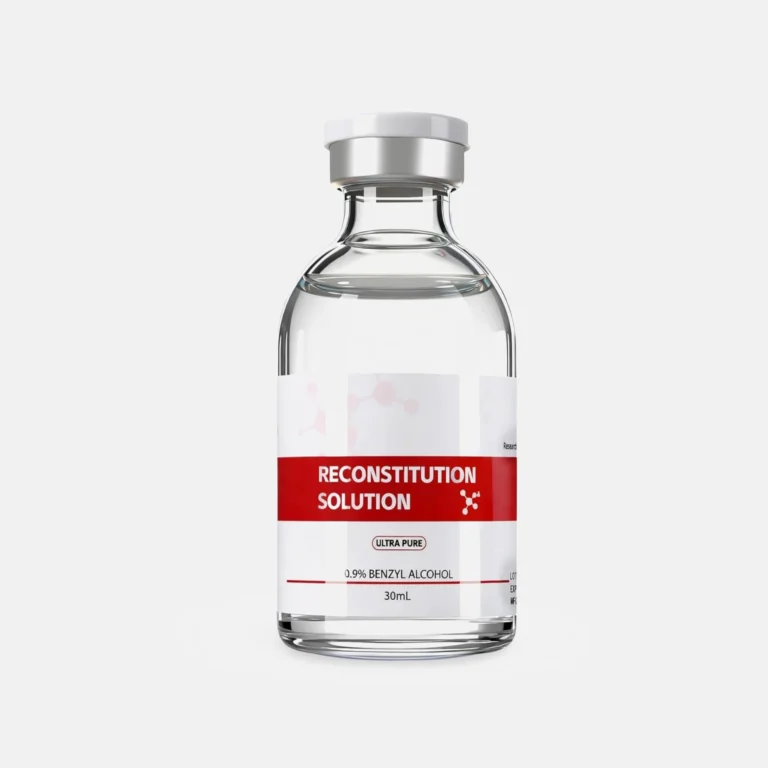
Before getting into the mistakes, it helps to understand what makes bac water different from regular water. Bacteriostatic water is sterile water containing 0.9% benzyl alcohol. That benzyl alcohol acts as a preservative, stopping bacteria from multiplying inside the vial. This makes it safe to use across multiple draws from the same vial without contaminating the solution.

Regular sterile water doesn’t have this protection. Once you puncture the septum of a single-use sterile water vial, bacteria can enter and grow. For multi-dose peptide vials, that’s a serious problem. Bacteriostatic water in Canada is widely used in research settings precisely because it extends the usable life of reconstituted peptides and reduces the contamination risk that comes with repeated access to the same vial.

Mistake 1: Using the Wrong Type of Water Entirely

This is the most common and most damaging mistake. Many researchers, especially those newer to peptide work, assume that any sterile or purified water will do the job. It won’t. Regular sterile water is designed for single use only. If you reconstitute a peptide with it and then draw from that vial a second time, you’ve introduced a contamination risk that can compromise your entire sample.

Sterile saline is another common substitution that causes problems. While saline works in certain specific contexts, its salt content can affect peptide stability depending on the compound you’re working with. For most peptide reconstitution work, bac water is the appropriate choice, and substituting it without understanding the chemistry involved is a mistake that affects data quality from the very first step.

Mistake 2: Injecting BAC Water Too Forcefully Into the Vial

Peptides are fragile molecules. When you reconstitute a lyophilized peptide, the way you add the water matters just as much as the water itself. Many researchers push the plunger too quickly, sending a direct stream of liquid crashing into the peptide powder. This mechanical force can break apart the peptide structure and reduce its potency before the research even begins.

The correct technique is to aim the stream of bacteriostatic water at the inner wall of the vial rather than directly onto the powder. Let it run down the side slowly and allow the peptide to dissolve on its own. Swirling gently is fine; shaking is not. Aggressive agitation introduces air bubbles and creates physical stress on the peptide chain, neither of which helps your results.

Mistake 3: Ignoring Storage Conditions After Reconstitution

Reconstituted peptides need cold storage, and this rule applies to the bac water vial itself as well. Once opened and used, bacteriostatic water should be refrigerated. Leaving it at room temperature between uses increases the risk of degradation and reduces the effectiveness of the benzyl alcohol preservative over time.

Peptides reconstituted in bacteriostatic water for peptide reconstitution are generally stable in the refrigerator for a few weeks, depending on the specific compound. Freezing a reconstituted peptide is usually not recommended because the freeze-thaw cycle can damage the molecular structure. Researchers working with compounds like GHK-Cu, for example, need to follow storage guidelines specific to that peptide to preserve its regenerative properties and keep the research valid. 

Mistake 4: Using Low-Quality or Unverified BAC Water

Not all bacteriostatic water in Canada is produced to the same standard. Some suppliers cut corners on sterility testing or use inconsistent benzyl alcohol concentrations. Using substandard BAC water introduces variables that can skew your data, introduce contamination, or even degrade the peptide faster than expected.

For research to be reliable, every input needs to meet a consistent quality standard. That includes the peptide and the water used to reconstitute it. When sourcing bac water in Canada, look for pharmaceutical-grade products with clear documentation on sterility, benzyl alcohol concentration, and manufacturing standards. A trustworthy supplier will make this information easy to find.

Mistake 5: Reusing Needles or Swapping Syringes Between Vials

This mistake often gets overlooked because it feels like a minor procedural detail. Reusing a needle to draw from a BAC water vial after it has touched another surface, including the peptide vial septum, can transfer contaminants back into your water supply. Cross-contamination between vials is a real risk in any multi-vial research setup.

Each draw should use a fresh needle. The septum of both the bacteriostatic water vial and the peptide vial should be wiped clean before each puncture. These are small steps, but they protect the integrity of every sample in your research and prevent one careless moment from cascading into compromised data across multiple experiments.

Don’t Let a Simple Oversight Cost You Your Research

Every stage of peptide research requires care, and reconstitution is no exception. The peptides you source, the bac wateryou use, and the handling techniques you follow all work together to determine whether your results are trustworthy. If you’re serious about bacteriostatic water for peptide reconstitution in Canada, start your research on solid ground. 
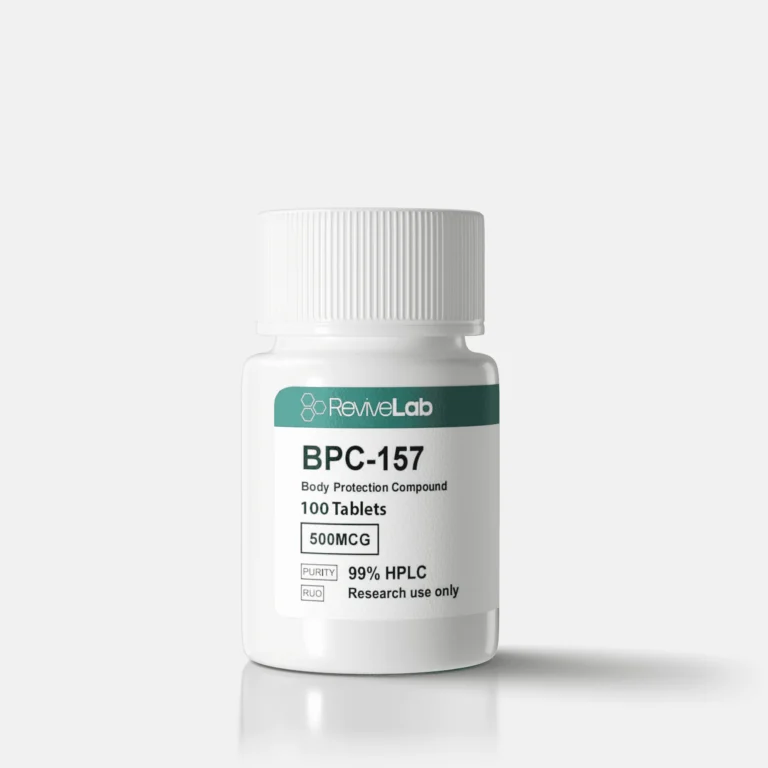
Even small improvements in tissue repair can dramatically change preclinical outcomes. Preclinical studies require compounds with verified quality and consistent behavior. Laboratories sourcing a BPC 157 research peptide in Canada depend on structured protocols, reproducible results, and reliable documentation. BPC-157 tissue repair peptide offers controlled models for studying angiogenesis, cell migration, and connective tissue restoration. 

Accurate handling ensures data integrity and supports meaningful interpretation of experimental outcomes. Understanding the peptide’s properties helps laboratories plan long-term studies and maintain reproducibility across batches.

Molecular Structure and Functional Overview

BPC-157 is a pentadecapeptide known for supporting cellular repair pathways. Its sequence allows interaction with multiple tissue types in controlled experimental models. 

The peptide’s structure promotes collagen synthesis and endothelial cell migration in preclinical assays. Researchers rely on molecular integrity to ensure reproducibility. 

Lyophilized peptide format helps maintain stability during storage and transport. Controlled handling and verification of structural identity via LC-MS or HPLC ensure reliable experimental conditions.

Selection of Experimental Models

Choosing the right preclinical model is essential for testing the BPC-157 peptide in Canada. Common models include rodent tendon or ligament injury setups, organotypic cultures, and endothelial tube formation assays. Each model evaluates different aspects of tissue repair. 

For example, tendon injury models track collagen deposition and functional recovery. In addition, controlled in vitro experiments provide insight into cellular migration patterns and angiogenic responses. Proper model selection aligns with research goals and optimizes data reliability.

Dosing and Administration Guidelines

Accurate dosing ensures valid comparisons across experiments. Peptide concentrations must be prepared according to validated protocols. Reconstitution should use sterile, low-endotoxin solutions to prevent contamination. Aliquoting minimizes repeated freeze-thaw cycles, protecting peptide integrity.

For example, small-volume aliquots preserve structural stability and reduce oxidative stress during handling. Careful administration, precise timing, and recordkeeping contribute to reproducible outcomes. Proper dosing ensures the experimental model reflects the intended tissue repair pathways.

Analytical Verification and Quality Assurance

Each batch of BPC-157 tissue repair peptide in Canada should include a Certificate of Analysis. HPLC assay percentages verify purity, while LC-MS confirms molecular identity. Stability data and impurity profiles ensure batch-to-batch consistency. 

Third-party verification further strengthens data reliability. Analytical confirmation reduces the risk of unexpected variability in cellular or tissue responses. Laboratories benefit from suppliers who provide accessible, structured documentation for quality control and long-term research planning.

Storage and Handling Protocols

Peptide stability is sensitive to temperature, moisture, and light exposure. Lyophilized BPC-157 peptide is generally more stable than liquid solutions. 

Refrigeration within the recommended range preserves molecular integrity. Packaging should prevent moisture infiltration, and vials must remain sealed until use. 

Proper handling reduces degradation and maintains assay accuracy. Cold-chain shipping for Canadian laboratories ensures peptide stability from distributor to bench. Following these protocols protects experimental reproducibility and long-term research reliability.

Safety and Compliance Considerations

BPC-157 peptides are intended for research-use-only laboratories. Proper labeling and recordkeeping maintain regulatory compliance. 

Staff handling peptides should follow standard laboratory safety procedures, including personal protective equipment and sterile techniques. Clear compliance documentation supports institutional approvals and ethics submissions. 

Structured records simplify internal audits and procurement verification. Safe handling and strict adherence to protocols protect research integrity while minimizing contamination or accidental misuse.

Data Collection and Reporting Best Practices

Structured data collection improves the interpretation of preclinical BPC-157 experiments. Parameters like cell migration, angiogenesis, and collagen deposition should be recorded consistently. 

Reproducible measurement techniques and clear reporting templates reduce variability. Cross-referencing experimental data with batch COA and stability records strengthens the credibility of the results. 

In addition, digital data storage facilitates long-term review, grant documentation, and peer reporting. Consistent reporting allows laboratories to build reliable datasets for multi-phase tissue repair studies.

Comparing Suppliers and Batch Consistency

Reliable sourcing of BPC-157 peptide in Canada requires careful supplier evaluation. Check for consistent batch documentation, COA accessibility, and third-party verification. 

Stable assay percentages and matching impurity profiles indicate disciplined manufacturing systems. Comparing multiple lots ensures reproducibility across experimental phases. Transparent suppliers provide digital access to batch histories and analytical data. 

Evaluating these factors reduces variability, protects research investments, and strengthens experimental reproducibility in preclinical tissue repair models.

Long-Term Study Planning

Preclinical research projects often span months, requiring consistent peptide availability. Laboratories should confirm supplier capacity to maintain stock and planned batch releases. Documented stability data helps schedule experiments with confidence.

Proper inventory forecasting reduces disruption in multi-phase studies. Clear supplier communication ensures timely delivery, protecting research timelines. Structured planning supports reliable, repeatable experiments and reduces the risk of delays caused by stock shortages.

Integrating BPC-157 Into Preclinical Protocols

Incorporating BPC-157 tissue repair peptide in experimental designs requires careful alignment with objectives. Define endpoints, select appropriate model systems, and schedule analytical verification. Track environmental conditions, handling, and storage parameters to minimize confounding variables. 

Routine COA checks reinforce consistency across different phases. Integrating these practices ensures reliable interpretation of tissue repair outcomes and strengthens confidence in experimental conclusions.

Strengthen Your Research with Verified Peptides

Reliable data begins with high-quality peptide procurement. Laboratories planning to use BPC-157 tissue repair peptide in Canada should prioritize suppliers who provide structured COA documentation, stability records, and third-party verification. Careful handling, proper storage, and consistent analytical review protect experimental integrity. 

Following standardized procedures supports reproducible tissue repair studies, reduces variability, and strengthens research credibility. Transparent supplier practices today ensure reliable experimental outcomes tomorrow.