
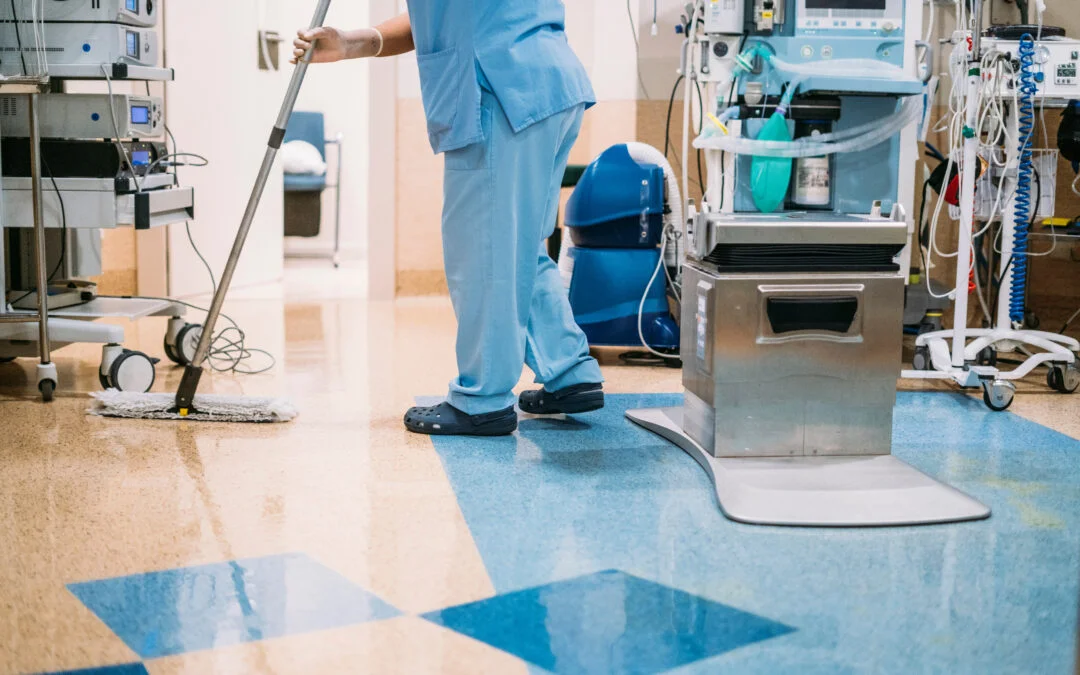
Deep cleaning in healthcare facilities is a critical process that goes far beyond routine cleaning activities. Hospitals, clinics, and laboratories require strict hygiene standards to protect patients, staff, and visitors from harmful infections. Unlike general cleaning, deep cleaning focuses on eliminating hidden dirt, bacteria, and viruses from all surfaces and equipment. It ensures that even high-touch and hard-to-reach areas are properly sanitized. This process plays a vital role in maintaining a safe medical environment. Ultimately, it supports better healthcare outcomes and reduces infection risks.
Understanding Deep Cleaning in Healthcare Facilities
Deep cleaning in healthcare refers to an intensive cleaning process designed to disinfect every corner of a medical facility. It includes detailed sanitation of floors, walls, medical equipment, furniture, and ventilation systems. Unlike routine cleaning, which focuses on visible dirt, deep cleaning targets microscopic pathogens. This process is carried out using hospital-grade disinfectants and specialized equipment. It is usually scheduled periodically or after contamination risks. The goal is to maintain a completely sterile environment.
Infection Prevention and Control
One of the most important roles of deep cleaning is infection prevention and control in healthcare settings. Hospitals are high-risk areas where bacteria and viruses can spread quickly if not controlled. Deep cleaning helps eliminate harmful microorganisms that cause hospital-acquired infections. It reduces the chances of cross-contamination between patients and staff. Proper disinfection of surfaces ensures a safer treatment environment. This directly contributes to better patient recovery rates and reduced health risks.
Ensuring Patient and Staff Safety
Deep cleaning plays a major role in protecting both patients and healthcare workers. Patients, especially those with weak immune systems, are highly vulnerable to infections. A properly cleaned environment reduces exposure to harmful pathogens. For staff, it ensures a safer workspace and minimizes occupational health risks. Regular deep cleaning helps maintain hygiene standards in critical care areas. This creates overall confidence in the safety of the healthcare facility.
Compliance with Healthcare Regulations
Healthcare facilities must follow strict hygiene and safety regulations set by health authorities. Deep cleaning helps hospitals comply with these legal and professional standards. Regular audits and inspections require proof of proper sanitation practices. Failure to meet these standards can result in penalties or loss of accreditation. Deep cleaning ensures that all protocols are consistently followed. It also demonstrates a facility’s commitment to quality care and safety.
High-Risk Areas That Require Deep Cleaning
Certain areas in healthcare facilities require more intensive cleaning due to higher contamination risks. These include operating rooms, intensive care units, emergency departments, and isolation wards. Laboratories and diagnostic areas also need strict sanitation procedures. Patient rooms and waiting areas must be regularly disinfected to prevent germ spread. These zones are frequently exposed to infections and require constant monitoring. Deep cleaning ensures these sensitive areas remain safe and hygienic.
Use of Advanced Cleaning Techniques and Equipment
Modern healthcare deep cleaning relies on advanced techniques and specialized equipment. This includes hospital-grade disinfectants, fogging machines, UV sterilization, and microfiber cleaning systems. These tools help eliminate pathogens that are not visible to the naked eye. Trained cleaning staff follow strict protocols to ensure effective results. Technology enhances cleaning efficiency and reduces human error. This combination ensures maximum hygiene standards are achieved.
Impact on Hospital Reputation and Trust
A clean healthcare environment significantly improves a hospital’s reputation and patient trust. Patients are more likely to trust facilities that maintain visible cleanliness and hygiene standards. Deep cleaning enhances the overall patient experience and satisfaction. It also reflects professionalism and care quality. Hospitals with strong hygiene practices are often preferred by patients. This helps build long-term credibility and trust in the healthcare sector.
Challenges in Healthcare Deep Cleaning
Healthcare deep cleaning comes with several challenges due to the sensitive nature of the environment. Cleaning must be done without disturbing ongoing medical activities. Handling biohazard waste requires strict safety procedures and training. Maintaining consistency in cleaning standards across all departments is also difficult. Time constraints and emergency situations add further complexity. Despite these challenges, proper planning ensures effective results.
Why Deep Cleaning Is a Continuous Process
Deep cleaning in healthcare is not a one-time task but a continuous requirement. Germs and bacteria can reappear quickly in medical environments. Regular cleaning schedules help maintain consistent hygiene levels. Seasonal outbreaks and emergencies may require additional cleaning efforts. Continuous monitoring ensures long-term safety and cleanliness. This ongoing process is essential for maintaining healthcare standards.
Why Choose Northgate Facilities
Northgate Facilities provides professional healthcare cleaning solutions designed to meet strict medical hygiene standards. Their trained staff ensures thorough deep cleaning using advanced techniques and hospital-grade disinfectants. They focus on infection control, safety, and regulatory compliance. The company offers reliable services tailored to different healthcare environments. Their commitment to quality ensures safe and hygienic medical spaces. Choosing them helps healthcare facilities maintain high cleanliness standards and patient trust.
Professional Healthcare Cleaning Expertise
Northgate Facilities brings specialized expertise in healthcare cleaning services tailored for hospitals, clinics, and medical centers. Their team understands the critical importance of hygiene in sensitive medical environments. Every cleaning process is designed according to healthcare standards and infection control protocols. They ensure that no area is overlooked, including high-risk and hard-to-reach zones. Their experience allows them to handle complex cleaning requirements efficiently. This makes them a trusted partner for healthcare hygiene management.
Trained and Skilled Cleaning Staff
The company employs highly trained professionals who are well-versed in healthcare sanitation practices. Staff members are trained to handle biohazard risks and follow strict cleaning procedures. They use proper protective equipment to ensure safety during cleaning operations. Continuous training helps them stay updated with modern cleaning techniques. Their skills ensure consistent and high-quality results in every facility. This professionalism significantly reduces infection risks in healthcare environments.
Advanced Cleaning Techniques and Equipment
Northgate Facilities uses modern cleaning technologies and hospital-grade disinfectants to ensure deep sanitation. Advanced tools like fogging systems and specialized disinfecting agents are used for maximum effectiveness. These techniques help eliminate bacteria, viruses, and other harmful pathogens. Equipment is carefully selected to meet healthcare industry standards. Their approach ensures thorough cleaning even in the most critical areas. This results in a safer and healthier environment for patients and staff.
Strong Focus on Infection Control and Safety
Infection prevention is a top priority for Northgate Facilities. Their cleaning procedures are designed to minimize the spread of harmful microorganisms. They follow strict hygiene protocols to maintain sterile environments in healthcare settings. Special attention is given to high-touch surfaces and critical care areas. Safety measures are implemented to protect both patients and healthcare workers. This reduces the risk of hospital-acquired infections significantly.
Compliance with Healthcare Standards
Northgate Facilities ensures full compliance with national and international healthcare cleaning regulations. Their processes are aligned with industry-approved hygiene and safety guidelines. Regular quality checks and audits help maintain high service standards. They ensure that healthcare facilities pass inspections without issues. Compliance also builds trust and reliability among healthcare providers. This commitment reflects their dedication to professional excellence.
Customized Cleaning Solutions for Every Facility
Every healthcare facility has different cleaning needs, and Northgate Facilities offers tailored solutions accordingly. Whether it is a small clinic or a large hospital, services are customized to fit requirements. They create flexible cleaning schedules based on facility operations. This ensures minimal disruption to medical services. Their adaptable approach helps maintain cleanliness without affecting patient care. It provides efficiency and convenience for healthcare administrators.
Conclusion
Deep cleaning plays a vital role in maintaining hygiene, safety, and overall efficiency in healthcare facilities. It goes beyond routine cleaning by targeting harmful microorganisms that can cause serious infections and complications. A properly implemented deep cleaning system ensures patient safety, protects healthcare staff, and supports faster recovery rates. It also helps healthcare facilities meet strict regulatory standards and maintain a strong reputation. By reducing infection risks and improving environmental cleanliness, deep cleaning becomes an essential part of quality healthcare delivery. In the long run, it builds trust, safety, and reliability within the healthcare system.
FAQs
1. What is deep cleaning in healthcare facilities?
It is an intensive cleaning process that removes bacteria, viruses, and contaminants from all areas of a medical facility.
2. Why is deep cleaning important in hospitals?
It helps prevent infections and ensures a safe environment for patients and staff.
3. How often should healthcare facilities be deep cleaned?
It depends on usage, but most facilities follow regular scheduled deep cleaning routines.
4. What areas need deep cleaning the most?
Operating rooms, ICUs, emergency departments, and patient wards require frequent deep cleaning.
5. Does deep cleaning improve patient safety?
Yes, it significantly reduces infection risks and improves overall healthcare safety.