Did you know that there are various levels of arborists? Although all arborists are knowledgeable when it comes to trees, there’s the Australian Qualifications Framework (AQF) wherein levels 3 and 5 are the most common. Understanding the differences in the levels of arborists can help you determine who you hire for your tree-related concerns.
Basically, the AQF Level 3 Arborist handles the pruning, maintenance, and tree removal, while the AQF Level 5 Arborist provide advanced assessments, management plans, and reports.
In this article, we’ll dive deeply into the differences between the AQF Level 3 Arborist and the AQF Level 5 Arborist.
What Is an AQF Level 3 Arborist?
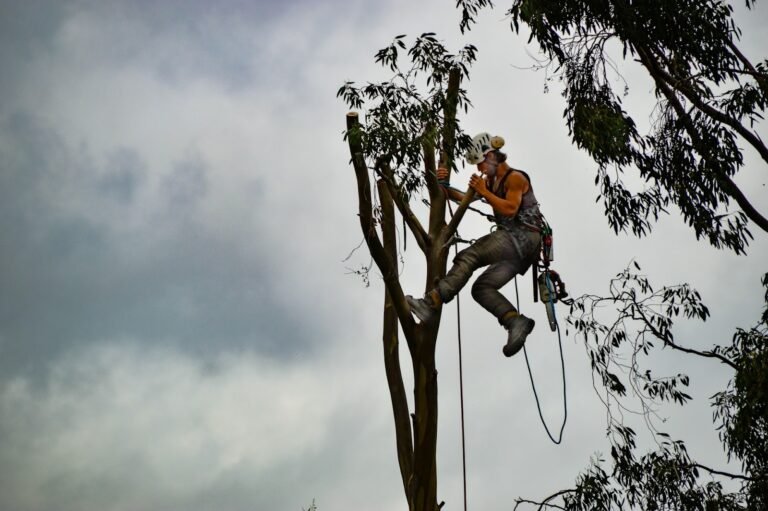
The AQF Level 3 Arborist is trained for tree maintenance and practical tree care. In addition, they’re also known as the arborists who are qualified to climb. They’re also knowledgeable about species identification, tree biology, and health assessment.
At the same time, they’re also skilled in diagnosing common tree diseases and practising safety standards, so you don’t have to worry about the process since they can handle it well. They know about the theoretical and practical stuff about trees, so they can guarantee that they can keep the trees healthy.
Key Skills and Responsibilities:
As mentioned, an AQF Level 3 Arborist has enough knowledge about trees and their proper maintenance. Specifically, their skills and responsibilities involve trimming, pruning, tree removal, stump grinding, chipping, and planting and transplanting of trees.
And since they can do a lot of tree-related skills, they also work at heights using the proper equipment, like harnesses and ropes. So, aside from keeping the trees in good condition, they’re also safe from accidents.
When to Hire a Level 3 Arborist:
Whether you just moved in or have been living in your property for a while, you can hire an AQF Level 3 Arborist when the tree branches have overgrown, removing or replanting hazardous trees, or just for regular maintenance.
Meanwhile, when looking for the right AQF Level 3 Arborist, ensure that they have the proper certification, tools and equipment, and are easy to talk to.
What Is an AQF Level 5 Arborist?
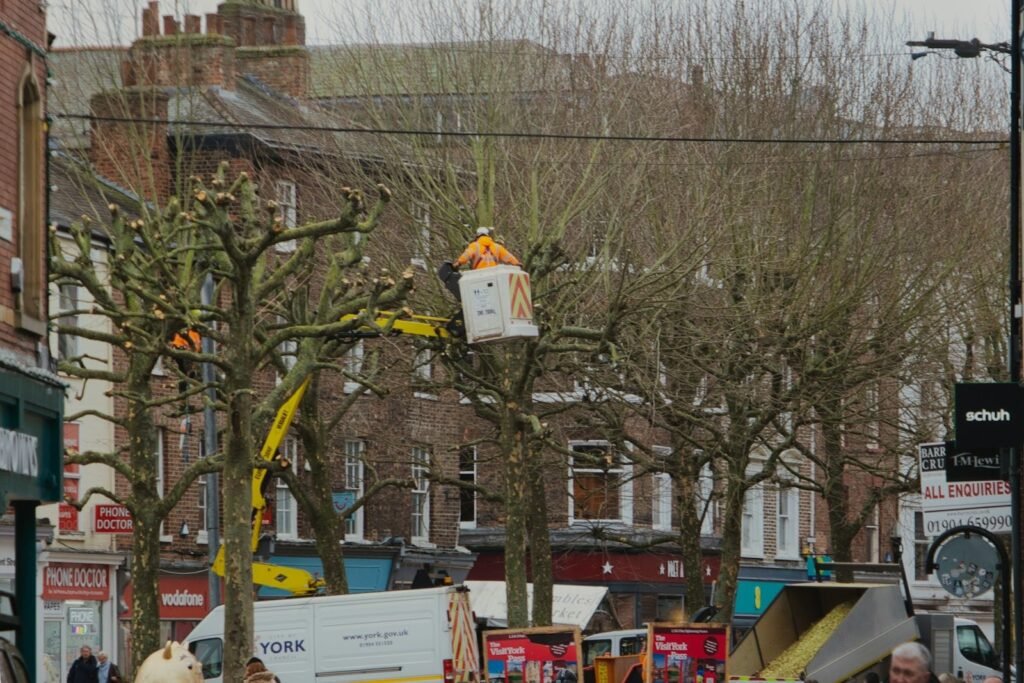
An AQF Level 5 Arborist specialises in advanced theoretical knowledge about tree risk assessment, biology, and management. Compared to the Level 3 arborist, an AQF Level 5 Arborist inspects, reports, and conducts professional consultation rather than working in the field.
So, if you’re working on a land that has a lot of trees, you can start by consulting with an AQF Level 5 Arborist for tree preservation and management.
Key Skills and Responsibilities:
Known for being the consulting arborist, an AQF Level 5 Arborist specialises in arboriculture. Specifically, they know about risk management, tree health assessment, and consultancy. When they conduct an extensive tree risk assessment, it usually comes with pest and disease diagnosis, reports for developers and local councils, and creating and recommending a tree protection plan.
In addition, they also advise their clients to select the right species based on a specific situation and how to handle them in the long term.
When to Hire a Level 5 Arborist:
You should work with an AQF Level 5 Arborist if you need formal documentation, expert advice, and legal reports. For instance, if you’re seeking the approval of the local council for pruning or removing a tree for your construction site, hiring an AQF Level 5 Arborist is the best option.
Since they have advanced knowledge about arboriculture, they can provide the best solutions for high-stakes projects and complicated situations.
Level 3 and Level 5 Arborists Often Work Together
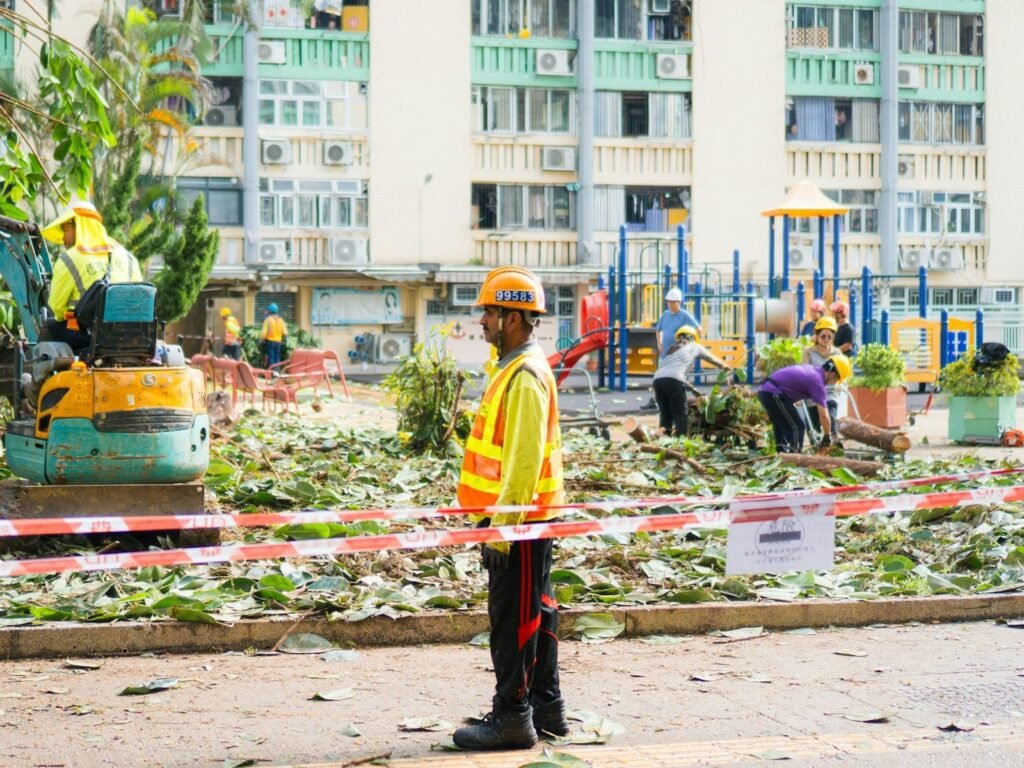
Since both AQF Level 5 and Level 3 Arborists have different skills and responsibilities, they often work together on projects. As mentioned, the level 3 does the hands-on work, such as tree removal, pruning, and general maintenance, while the level 5 conducts inspections, provides expert recommendations, and assesses tree health and risks.
Which Arborist Should You Hire?
If your concerns include pruning, tree removal, maintenance, or on-site tree work, consult with an AQF Level 3 Arborist. On the other hand, if you need tree health and risk assessment, a report for council and developers, or an assessment for the construction site, don’t hesitate to consult with an AQF Level 5 Arborist.
However, when in doubt, you should first consult with an AQF Level 5 Arborist since they’re in charge of the assessments and consultations. After that, you can ask them if you should hire an AQF Level 3 Arborist for the remainder of the project.
Final Thoughts
Choosing the right level of an arborist to hire is essential, especially since it can save you time and money, and you can immediately get the results you need. Whether you need counselling approval or tree pruning and removal, you should first be aware of the differences between an AQF Level 3 and Level 5 Arborist.