Soccer fields are the foundation of the game, providing a surface where athletes perform, train, and compete. The quality of the turf directly affects player performance, safety, and the overall experience of the sport. One of the most critical factors in maintaining a healthy and durable soccer field is soccer field irrigation. Proper irrigation ensures that the grass remains lush, resilient, and safe for continuous use.
Without adequate irrigation, turf can become dry, brittle, and prone to damage. Uneven watering, soil compaction, and heavy use can quickly deteriorate the playing surface, leading to unsafe conditions and costly repairs. Professional soccer field irrigation systems provide the consistent water supply needed to keep the field in optimal condition year-round.
Understanding Soccer Field Irrigation
Soccer field irrigation is the process of applying water to the turf in a controlled and uniform manner. Unlike casual watering, professional irrigation systems are designed to meet the specific needs of sports fields. They consider factors such as soil type, grass species, weather conditions, and field usage patterns.
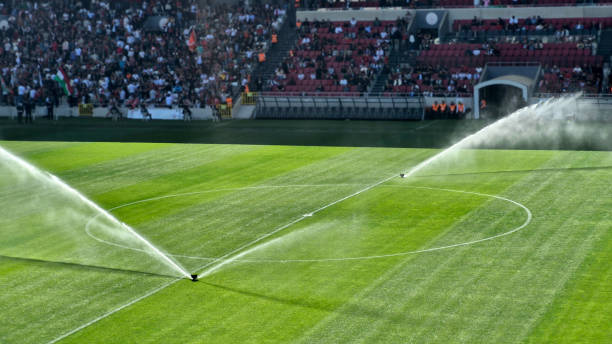
Modern soccer field irrigation systems often use automated sprinklers, pop-up heads, or drip systems. These technologies deliver precise amounts of water, ensuring even coverage across the entire field. Proper irrigation prevents dry spots, waterlogging, and uneven growth, which can negatively impact both the turf and players.
Maintaining Healthy Turf
Grass health depends heavily on consistent moisture. Without water, the roots of the turf weaken, making the grass more susceptible to disease, pests, and wear from foot traffic. Soccer field irrigation ensures that the grass receives adequate water to develop strong roots and maintain vibrant color.
Healthy turf is more resilient to heavy use, meaning players can practice and compete without causing permanent damage. Irrigated fields also recover faster from injuries or overuse, reducing the need for costly turf replacements. Strong, healthy grass improves field durability and ensures the surface remains playable throughout the season.
Enhancing Player Safety
Player safety is a top priority for any soccer facility. Dry or uneven turf can cause slips, falls, and injuries, including ankle twists and knee strains. Proper soccer field irrigation keeps the turf soft, flexible, and evenly maintained, reducing the risk of accidents during games and training.
Even moisture distribution prevents hard spots and uneven patches. This not only protects athletes but also provides a consistent playing experience, allowing players to focus on their performance without worrying about unsafe ground conditions.
Optimizing Turf Performance
Soccer fields are high-traffic areas, and poor irrigation can negatively impact turf performance. Overwatering may lead to puddles and muddy areas, while under-watering creates dry patches that weaken the grass. Soccer field irrigation balances water application to promote optimal growth and resilience.
Well-irrigated turf supports faster recovery from matches and heavy training sessions. Grass blades remain strong and flexible, allowing players to run, slide, and kick without damaging the field. This level of maintenance ensures that the turf performs at its best during every game.
Conserving Water with Efficient Irrigation
Water management is a key aspect of modern soccer field maintenance. Advanced irrigation systems are designed to use water efficiently, reducing waste while keeping the field healthy. Timers, soil moisture sensors, and automated sprinkler heads help deliver the right amount of water at the right time.
Efficient soccer field irrigation not only conserves water but also reduces maintenance costs. Groundskeepers can maintain high-quality turf without excessive water use, supporting sustainability while providing excellent playing conditions.
Supporting Year-Round Maintenance
Soccer fields are used throughout the year, often under varying weather conditions. Seasonal changes, rainfall patterns, and temperature fluctuations can all affect turf health. Soccer field irrigation allows groundskeepers to maintain a consistent water supply regardless of external conditions.
During dry periods, irrigation prevents drought stress and keeps the grass alive. In wetter seasons, proper drainage and irrigation control prevent waterlogging, ensuring the field remains playable and safe. Consistent irrigation enables year-round maintenance, making the field ready for games, tournaments, and training sessions.
Reducing Maintenance Challenges
Maintaining a soccer field involves mowing, fertilizing, aerating, and repairing worn areas. Without proper irrigation, these tasks become more difficult. Dry turf does not respond well to fertilizers, while overwatered fields can become compacted and muddy.
A well-designed soccer field irrigation system supports other maintenance activities by keeping the soil and grass in ideal condition. Groundskeepers can perform routine tasks more effectively, and the turf recovers quickly from stress, reducing long-term maintenance challenges.
Investing in Professional Irrigation Systems
While manual watering may work for smaller fields, professional soccer fields benefit from automated irrigation systems. Investing in high-quality soccer field irrigation ensures consistent water distribution, reduces labor costs, and improves field quality.
Professional irrigation systems also allow customization to meet the unique needs of each field. Factors such as slope, soil type, and field layout can be considered, ensuring the entire playing surface receives even coverage. This investment enhances both turf health and player satisfaction.
Conclusion
Soccer field irrigation is essential for maintaining healthy, safe, and durable turf. Proper irrigation ensures even water distribution, promotes strong root growth, enhances player safety, and supports consistent field performance. Advanced irrigation systems conserve water, simplify maintenance, and allow groundskeepers to manage fields effectively year-round.
For schools, clubs, and professional stadiums, investing in efficient soccer field irrigation is a crucial step toward high-quality playing surfaces. A well-irrigated field not only improves the game experience but also extends the life of the turf, making it a valuable and sustainable investment for any soccer facility.