
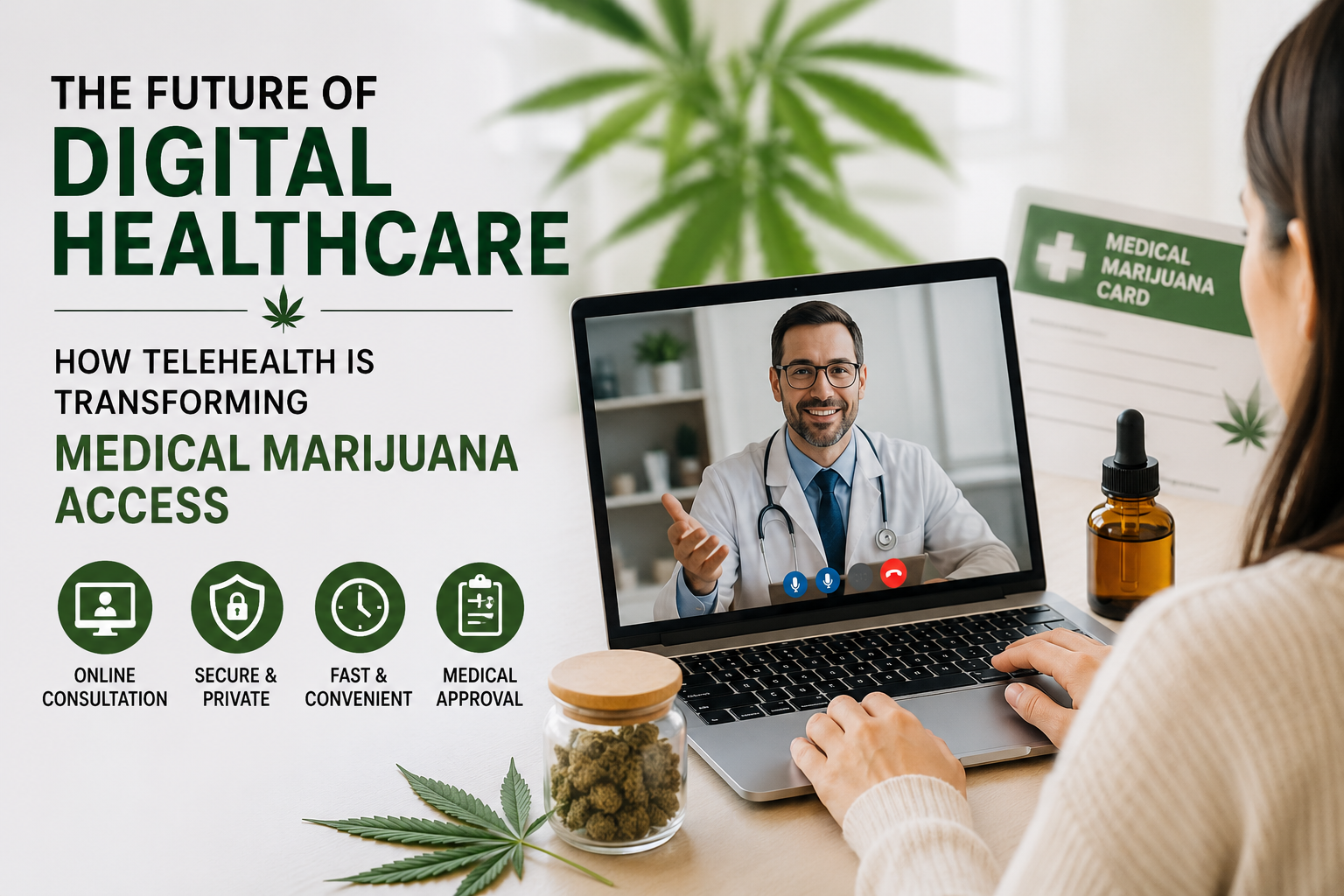
The healthcare landscape has shifted dramatically over the past decade. What was once considered a convenience has become a necessity for millions of Americans. Telehealth-the practice of delivering medical care through digital platforms-has fundamentally changed how patients access healthcare services, including medical marijuana evaluations.
Virtual doctor visits have become mainstream. A significant percentage of Americans now schedule appointments with healthcare providers through their computers or smartphones. This transformation didn’t happen overnight, but the momentum has been undeniable, especially in specialized areas like medical cannabis care.
The reasons behind this growth are straightforward. Technology improved, regulations became clearer, and patients discovered the genuine benefits of virtual consultations. Today, getting medical advice from home is no longer a luxury-it’s an expectation.
The Role of Technology in Changing Healthcare Access
Technology has been the backbone of this revolution. Secure video conferencing, digital medical records, and electronic prescription systems have made remote consultations reliable and effective. Patients no longer have to wonder if their doctor is getting the full picture during a virtual visit.
Smartphones and high-speed internet made these services accessible to everyday Americans. A patient in a small town can now connect with a specialist in a major city without driving hours. This accessibility has been especially transformative for people seeking medical marijuana evaluations.
Why Patients Prefer Virtual Medical Appointments
Ask any patient why they prefer telehealth appointments, and you’ll hear similar reasons. Convenience tops the list. No more taking time off work, driving through traffic, or sitting in waiting rooms for hours. A virtual appointment fits into busy schedules in ways traditional healthcare often can’t.
Flexibility That Fits Your Life
Virtual appointments offer scheduling flexibility that traditional clinics rarely match. Early morning appointments before work, lunch hour consultations, or evening sessions after kids are in bed-these options are often available with telehealth providers. This flexibility has made healthcare more accessible to working parents, shift workers, and people with unpredictable schedules.
The stress of traditional medical appointments also disappears. No more anxiety about parking, finding the building, or sitting in crowded waiting rooms. Patients can have consultations from the comfort and privacy of their own homes.
Cost Savings That Matter
Telehealth appointments typically cost less than in-person visits. There’s no overhead for maintaining physical office space in expensive locations, and these savings often translate to lower patient fees. For people without insurance or with high deductibles, these cost savings can be significant.
Travel expenses disappear entirely. Gas, parking, and the time cost of driving add up quickly. A virtual appointment eliminates all of that, making healthcare more affordable for people in rural areas or those without reliable transportation.
How Telehealth Is Changing Medical Cannabis Access
Medical marijuana has been controversial, but as more states legalize it, the conversation has matured. Telehealth has made the process of obtaining a medical marijuana card more straightforward and accessible.
Previously, getting a medical marijuana card required visiting a clinic in person, often in a different city. This barrier prevented many patients from accessing legal cannabis medicine. Telehealth changed everything by bringing qualified evaluations directly to patients’ homes.
Breaking Down Traditional Barriers
The traditional path to medical marijuana was frustrating. Patients had to find a clinic, take time off work, drive often substantial distances, and then wait for appointments. Many people gave up before completing the process. Telehealth eliminated most of these obstacles.
Now, patients can schedule an evaluation with a qualified physician through telehealth medical marijuana cards platforms and complete the entire process from home. The doctor can review medical history, discuss symptoms, and determine if medical marijuana is appropriate—all without an office visit.
This accessibility has been genuinely transformative. People who were previously unable to access medical marijuana due to physical limitations, transportation issues, or time constraints now have clear pathways to legal treatment.
Benefits of Remote Medical Marijuana Evaluations
The advantages of virtual cannabis evaluations go far beyond convenience. These appointments offer real benefits for both patients and healthcare providers.
Thorough Documentation and Medical Records
Virtual evaluations create detailed digital records. Your medical history, the doctor’s assessment, and all relevant documentation are securely stored. This comprehensive record-keeping ensures that your care is properly documented and accessible when needed.
These records are crucial if you ever need to explain your medical marijuana use to other healthcare providers. A solid paper trail showing legitimate medical evaluation protects you legally and medically.
Direct Communication With Qualified Physicians
When you have a virtual evaluation, you’re speaking directly with a licensed physician. Unlike some in-person clinics that use physician assistants or nurse practitioners, many telehealth providers connect you with experienced doctors who specialize in cannabis medicine.
This direct access to physicians who understand the nuances of medical marijuana means better guidance. The doctor can discuss specific strains, consumption methods, potential interactions with other medications, and how to adjust dosing based on your individual needs.
Improved Accessibility for Rural Communities
Rural America faces unique healthcare challenges. Distances between communities are vast, specialists are scarce, and many people live hours away from major medical centers. Medical marijuana access in rural areas was particularly difficult before telehealth.
Eliminating the Distance Factor
A patient living in a rural area no longer has to drive three hours to visit a medical marijuana clinic. They can schedule an appointment with a qualified provider and complete the entire process at home. This has made medical marijuana cards accessible to people who were previously priced out by travel costs and time commitments.
Rural communities also benefit from expanded access to quality healthcare generally. A farmer dealing with arthritis or a rancher suffering from chronic pain can get proper evaluation and treatment recommendations without taking days away from their responsibilities.
Building Trust With Local Practitioners
When rural patients use telehealth for medical marijuana evaluations, they often establish ongoing relationships with their providers. This continuity of care is important for managing medical cannabis therapy. The doctor gets to know the patient, understand their specific situation, and provide better long-term guidance.
How Telehealth Supports Patients With Chronic Conditions
Chronic pain, PTSD, multiple sclerosis, arthritis-these conditions are serious and often underserved by traditional healthcare. Many patients with chronic conditions find that medical marijuana provides relief where conventional medications fall short.
Managing Complex Medical Situations
Patients with chronic conditions often take multiple medications. A qualified telehealth provider reviewing medical marijuana can check for drug interactions, adjust dosing recommendations, and monitor how cannabis affects other treatments. This comprehensive approach to care is essential for patients with complex medical situations.
Telehealth appointments make follow-up care easier too. If a patient needs to adjust their approach or discuss new symptoms, they can schedule another virtual visit quickly. This ongoing support is crucial for managing chronic conditions effectively.
Mental Health Integration
Many telehealth platforms integrate mental health support alongside medical marijuana evaluations. A patient with PTSD might have access to both a cannabis medicine specialist and a mental health professional. This integrated approach addresses the whole person, not just a single symptom.
Privacy and Convenience in Digital Healthcare
Privacy concerns often come up when people consider telehealth. Fortunately, legitimate telehealth providers use the same security standards as traditional clinics.
Secure Communication and Data Protection
Licensed telehealth platforms use encrypted video calls and secure messaging. Your medical information is protected by the same HIPAA regulations that cover in-person clinics. Patient privacy is not compromised by using telehealth-it’s just protected in a digital environment rather than a physical one.
Having your evaluation in your own home also provides a different kind of privacy. You’re not in a clinic waiting room where others might notice you. Your medical decisions remain completely confidential.
Appointment Flexibility Without Compromising Care
Convenience doesn’t mean cutting corners. Telehealth providers conduct thorough evaluations despite the virtual format. They review your complete medical history, ask detailed questions about your condition, and provide comprehensive guidance.
You get quality care delivered at a time and place that works for you. That’s what modern healthcare should look like.
Technology Driving Better Patient Experiences
The technology underlying modern telehealth continues to improve. Artificial improvements in video quality, faster internet speeds, and more user-friendly platforms have made the experience smoother and more reliable.
AI-Assisted Symptom Assessment
Some telehealth platforms use technology to help patients describe their symptoms more accurately before meeting with a doctor. While a physician always makes the final medical decisions, this preliminary assessment ensures the doctor has complete information from the start.
Digital Health Records That Travel With You
Your medical information is stored securely in the cloud. Whether you’re seeing your primary doctor or a specialist, all your records are accessible to qualified providers. This seamless access to your medical history improves care continuity.
State Regulations and the Future of Cannabis Telemedicine
Medical marijuana regulations vary significantly by state. Understanding these regulations is crucial for patients considering telehealth evaluations for cannabis medicine.
How States Are Updating Telemedicine Laws
Most states have updated their telemedicine regulations to explicitly allow remote medical marijuana evaluations. These updated laws recognize that virtual consultations are as legitimate and effective as in-person visits for cannabis medicine.
State medical boards are developing clear standards for what constitutes an adequate evaluation. These standards protect patients by ensuring that only qualified physicians conduct evaluations and that the process is thorough despite being conducted remotely.
Interstate Complications and Solutions
While telehealth is expanding, interstate regulations remain complicated. A physician in one state might not be able to legally evaluate patients in another state. However, many platforms operate in multiple states with licensed providers in each jurisdiction.
When choosing a telehealth provider, verify that they have licensed physicians in your state. This ensures your evaluation meets your state’s specific requirements.
Medical Marijuana Access in Mississippi
Mississippi legalized medical marijuana relatively recently, creating new opportunities and challenges for patient access. The Mississippi medical marijuana program has opened doors for patients with qualifying conditions.
Understanding Mississippi’s Program
Mississippi’s program allows patients with specific medical conditions to legally access medical marijuana. The process involves getting a physician’s certification and then registering with the state program. Telehealth has made this process much more manageable for Mississippi residents.
Many Mississippi patients live far from the few physical clinics that existed before telehealth expanded. Virtual evaluations have democratized access, allowing people across the state to get the physician’s certification they need.
Growing Access Across the State
As more online cannabis evaluations became available to Mississippi residents, program enrollment increased. Patients who previously couldn’t access the program due to distance or time constraints now have clear pathways to legal medical marijuana.
What Patients Should Know Before Scheduling an Online Evaluation
If you’re considering a telehealth evaluation for medical marijuana, a few things will make the process smoother.
Prepare Your Medical History
Have your medical records available during your appointment. List your current medications, previous treatments you’ve tried, and any conditions you’re managing. The more detailed information you provide, the better the doctor can assess whether medical marijuana is appropriate for your situation.
Choose a Quiet, Private Space
Your appointment should take place somewhere private where you won’t be interrupted. Good internet connection and proper lighting for the video call also matter. These simple preparations ensure the doctor can conduct a thorough evaluation.
Be Honest About Your Needs and Expectations
The doctor needs honest information about your condition, what you’re hoping to achieve, and your previous experience with cannabis, if any. This honesty is essential for getting recommendations that actually match your needs.
The Future of Digital Cannabis Healthcare
Telehealth for medical marijuana is still evolving, but the trajectory is clear. More states will likely legalize medical marijuana, and telehealth will become the standard way patients access evaluations.
Emerging Technologies and Better Integration
Virtual reality consultations might someday allow even more immersive interactions between doctors and patients. Wearable technology could provide doctors with real-time health data. These emerging technologies will make telehealth even more effective.
Integration with other healthcare providers is also improving. Your primary care doctor, specialists, and cannabis medicine provider can increasingly share information and coordinate care. This holistic approach benefits patients with complex medical situations.
Expanding Access to Underserved Populations
As telehealth expands, medical marijuana access is reaching populations that were previously underserved. Rural communities, elderly patients, and people with mobility limitations now have realistic paths to care.
Conclusion
The future of digital healthcare is here, and medical marijuana access is a perfect example of how technology is transforming medicine. Telehealth has made evaluations more accessible, more affordable, and more convenient for millions of Americans.
Whether you’re dealing with chronic pain, anxiety, epilepsy, or another qualifying condition, virtual medical marijuana evaluations offer a legitimate, professional path to legal treatment. The combination of qualified physicians, secure technology, and thoughtful regulations is creating a healthcare system that actually serves patients’ needs.
The healthcare industry continues to evolve. Telehealth isn’t a temporary trend—it’s the future. As more patients experience the benefits of virtual consultations, and as more physicians embrace this delivery model, medical marijuana access will become increasingly accessible to everyone who needs it, regardless of where they live.
Frequently Asked Questions
1. Are telehealth medical marijuana evaluations as legitimate as in-person visits?
Yes, licensed physicians conduct thorough evaluations through secure video platforms that meet the same professional and legal standards as in-person consultations.
2. How long does a typical online cannabis evaluation take?
Most evaluations last between 15-30 minutes, depending on the complexity of your medical history and specific questions the doctor needs to ask.
3. Will my insurance cover a telehealth medical marijuana evaluation?
Most insurance plans don’t cover medical marijuana evaluations, but telehealth appointments often cost less than in-person visits, typically ranging from $99-$250.
4. Can I get a medical marijuana card in any state through telehealth?
No, you can only get a medical marijuana card in states where it’s legal, and you must use a provider licensed in your specific state.
5. How quickly can I receive my medical marijuana card after a telehealth evaluation?
This depends on your state’s processing time, but most patients receive their cards within 1-2 weeks after completing the physician evaluation.
Business Information
Name: Ezmedcard
Phone: 475-467-0863
Website: https://ezmedcard.com/
