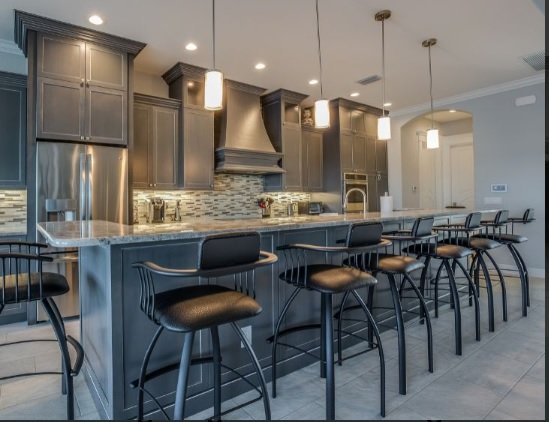
Working within a restrictive floor plan presents significant architectural challenges. When square footage is strictly limited, every single structural element must serve a specific purpose without adding unnecessary visual clutter. Homeowners often compound the problem of a small footprint by forcing oversized, heavy furniture into the space, creating an environment that feels dark, cramped, and difficult to move through. The solution is not always expanding the physical walls; it is often found in applying strict minimalist design principles to manipulate how the existing volume of the room is perceived by the human eye.
The visual weight of traditional upper wall units is the primary culprit in making a room feel compressed. Large, solid boxes hung at eye level absorb ambient light and cast heavy shadows across the countertops. This creates a horizontal visual barrier that immediately draws the ceiling down, making the entire area feel highly claustrophobic. Relieving this visual pressure requires a fundamental change in how we approach vertical storage, trading heavy solid doors for lighter, more transparent alternatives.
Selecting the right CT kitchen cabinets involves understanding how to maintain storage capacity while reducing physical mass. Replacing solid wooden upper doors with clear or reeded glass inserts allows the eye to travel through the door frame and rest on the back wall. This simple material swap creates a highly convincing illusion of expanded architectural depth. For homes that can afford to lose a small amount of enclosed storage, replacing upper units entirely with thick, floating wooden shelves opens the walls completely, allowing natural light to bounce freely around the upper half of the room.
Managing light reflection is an essential technique for artificially expanding a tight floor plan. Matte finishes absorb light, while semi-gloss or high-gloss surfaces reflect it. Applying a subtle gloss finish to the cabinetry or selecting a highly polished subway tile for the backsplash acts like a series of small mirrors. These reflective surfaces catch the natural light coming from the windows and bounce it deep into the darker corners of the room, instantly making the entire environment feel brighter and substantially larger than its physical measurements dictate.
To successfully remove upper wall units, the lower storage systems must be engineered for maximum efficiency. Standard cupboards with fixed shelves waste a massive amount of internal volume. Consolidating all heavy storage below the waist requires installing deep, heavy-duty drawer stacks. These drawers pull out fully, granting immediate access to every square centimetre of the interior box. By packing plates, pots, and dry goods efficiently into these lower zones, the walls remain clear, and the visual weight of the room stays firmly grounded near the floor.
Concealing large appliances further reduces visual disruption. A massive stainless-steel refrigerator stands out aggressively against painted woodwork, interrupting the clean lines of the design. Specifying panel-ready appliances allows the carpenter to attach custom wooden fronts directly to the refrigerator and dishwasher doors. When closed, these machines disappear completely into the surrounding millwork, creating a smooth, unbroken expanse of cabinetry that tricks the eye into perceiving a much longer, wider wall.
Colour scaling provides the final tool for visual expansion. High-contrast designs, such as black base units paired with white walls, create sharp horizontal lines that chop the room into smaller visual segments. Adopting a monochromatic palette, where the walls, woodwork, and counters all share a similar, light-toned shade, blurs the physical boundaries of the space. Without sharp contrasting lines to define the exact edges of the furniture, the room feels cohesive, serene, and remarkably spacious.
Conclusion
Maximising a restricted floor plan requires careful manipulation of visual weight, light reflection, and storage efficiency. By applying minimalist design principles and clearing the vertical sightlines, you can drastically expand the perceived size and brightness of your home.
Call to Action
Transform your cramped layout into a bright, open environment by partnering with specialists who understand the mechanics of spatial perception.