
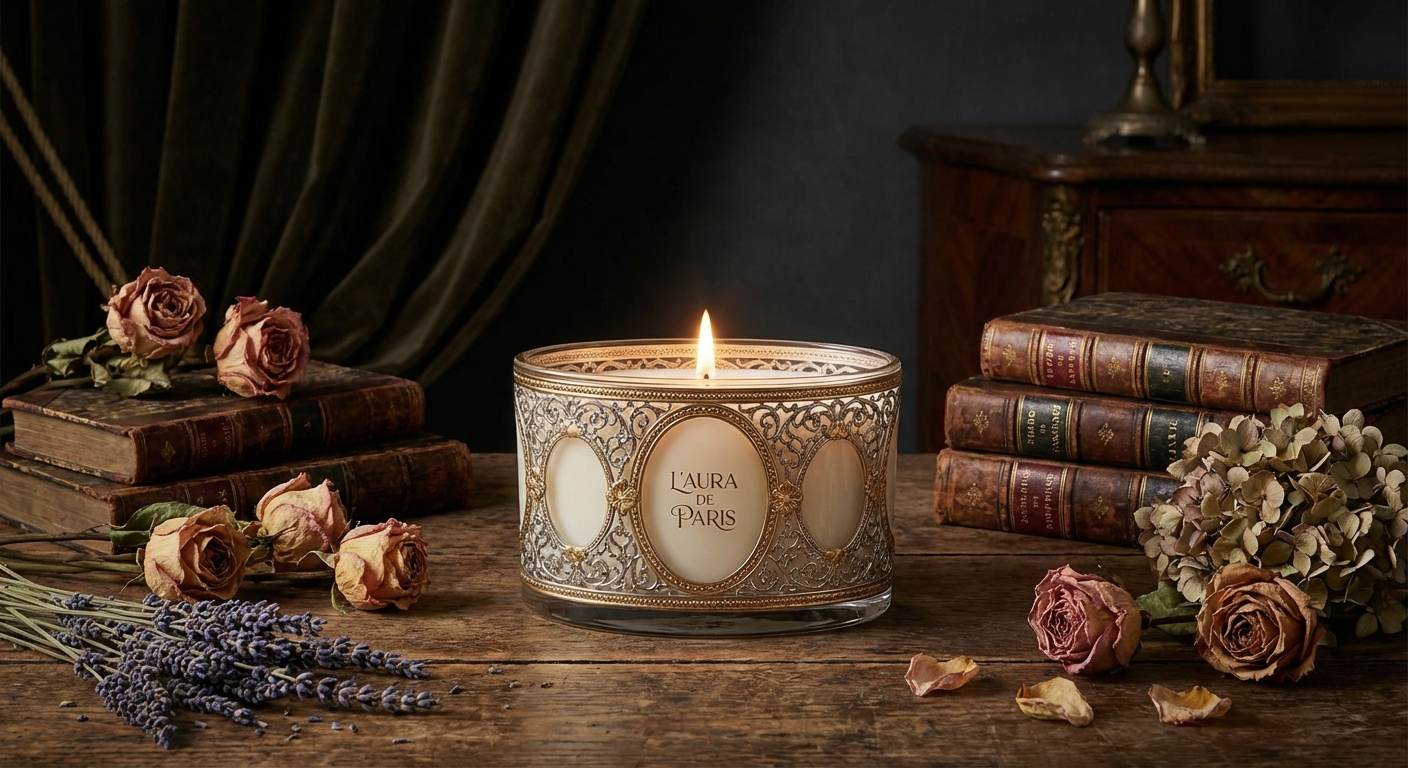
Workdays often leave the mind overloaded with tasks, decisions, and emotional pressure that continues even after returning home. This mental carryover affects relaxation and makes it harder to switch into rest mode. Simple home practices can support recovery, and candles are widely used for this purpose. Top-Rated Candle Brands are often linked with calming scents and soft lighting that create a peaceful indoor atmosphere. The combination of fragrance and gentle glow helps signal the brain that the stressful part of the day is over. This shift encourages emotional release and supports mental balance. Understanding how candles influence stress reduction provides insight into why they remain a trusted part of evening relaxation routines in many households.
The Science Behind Candle-Induced Relaxation
Candlelight affects the brain through visual and sensory pathways that influence mood regulation. Dim, flickering light reduces stimulation compared to bright artificial lighting, allowing the nervous system to slow down naturally. This reduction in visual intensity helps the body transition away from alertness associated with work activities. Scented candles activate the olfactory system, which is directly connected to the brain’s emotional center. This connection allows fragrances to quickly influence mood and stress levels.
Lavender, sandalwood, and vanilla are commonly associated with relaxation responses. These scents may support lower cortisol activity, which is linked to stress. The combination of soft light and fragrance creates a multi-sensory calming effect. This experience encourages the brain to shift from high-focus thinking to a more restful state. Over time, consistent exposure to candlelight during evenings can strengthen relaxation habits and improve emotional regulation after work hours.
How Candle Scents Influence Mood and Emotion
Fragrance plays a strong role in emotional response because scent signals travel directly to memory and emotion centers in the brain. Candle scents can quickly shift mood depending on their aromatic profile. Lavender remains a widely used calming scent that supports relaxation and reduces anxiety. Citrus scents like orange and lemon provide freshness and mental clarity after long working hours, helping reduce fatigue.
Warm scents such as vanilla and amber create comfort and emotional warmth, often associated with safety and relaxation. Earthy aromas like cedarwood and sandalwood promote grounding and stability, especially useful after stressful environments. The brain connects scents with personal memories, which strengthens emotional reactions. This connection allows candles to influence mood almost instantly. Choosing specific fragrances based on emotional needs helps create a personalized relaxation experience that supports mental recovery after work.
Creating a Stress-Free Environment with Candles
Candles play a strong role in shaping the atmosphere of a living space. Lighting a candle after work signals a transition from productivity to rest, creating a mental boundary between professional stress and personal time. This simple action helps the brain recognize that work responsibilities have ended. The soft glow of candlelight reduces harsh lighting effects that often contribute to eye strain and mental fatigue.
A calm environment becomes easier to build when candles are paired with quiet activities such as reading, meditation, or soft music. The presence of gentle fragrance adds another layer of comfort to the space. Even small lighting changes can influence emotional perception and physical relaxation. Over time, this practice supports the development of a peaceful evening environment that encourages stress release and emotional stability after demanding work hours.
Practical Ways to Use Candles for Stress Relief
Effective candle use depends on simple daily habits that improve relaxation and emotional recovery.
- Light candles after arriving home to mark the end of work stress
- Choose calming scents like lavender, chamomile, or sandalwood
- Keep fragrance intensity moderate in small rooms
- Use candles during meditation or breathing exercises
- Combine candlelight with warm baths for deeper relaxation
- Maintain a consistent evening candle routine for habit formation
- Place candles in quiet spaces to reduce distractions
These practical steps help create a structured relaxation routine that supports emotional balance and reduces stress after work hours.
Psychological Benefits of Evening Candle Rituals
Rituals influence mental health by creating predictable patterns that support emotional stability. Candle lighting becomes a powerful evening ritual when used consistently. This repeated action signals the brain that the workday is complete and relaxation can begin. Such boundaries help reduce mental overload and prevent work stress from continuing into personal time.
Over time, the nervous system begins to associate candlelight with safety and calmness. This learned association strengthens relaxation responses. Evening candle rituals also encourage mindfulness by bringing attention to the present moment. This reduces anxious thinking and promotes emotional grounding. The simplicity of lighting a candle makes it an accessible habit for stress management. Regular use of this ritual supports better emotional balance, reduces burnout risk, and contributes to improved sleep quality by allowing the mind to gradually slow down.
Conclusion
Candles support stress reduction after work hours by combining calming scents, soft lighting, and simple relaxation rituals. These elements work together to influence both emotional and physical responses in the body. The brain reacts positively to gentle light and soothing fragrance, which helps shift from a stressed state to a calm one. Regular candle use during evenings creates a peaceful environment that supports emotional recovery and mental balance. Over time, this practice builds a strong association between candlelight and relaxation. This makes candles a practical and natural tool for managing daily stress and improving overall well-being after long working hours.
