Introduction
Gastric bypass surgery is one of the most effective and widely performed bariatric procedures for long-term weight loss. It works by reducing stomach size and altering digestion, helping patients consume less food and absorb fewer calories. Many individuals struggling with severe obesity consider this surgery when diet and exercise alone are not enough.
- Bariatric procedure designed for significant weight reduction
- Helps improve obesity-related health conditions
- Suitable for patients with high BMI and metabolic issues
- Long-term lifestyle change rather than a quick fix
What Makes Gastric Bypass a Powerful Weight Loss Solution?
In the early stages of research, most patients search for realistic expectations about results. Gastric Bypass in Islamabad has become a highly sought-after procedure due to advanced surgical techniques, experienced specialists, and increasing awareness of obesity treatment options in Pakistan.
This surgery not only restricts food intake but also changes how the digestive system processes nutrients, leading to consistent and sustained weight loss over time.
- Reduces stomach size significantly
- Alters nutrient absorption in the intestine
- Controls hunger hormones effectively
- Encourages long-term dietary discipline
Understanding Gastric Bypass Surgery
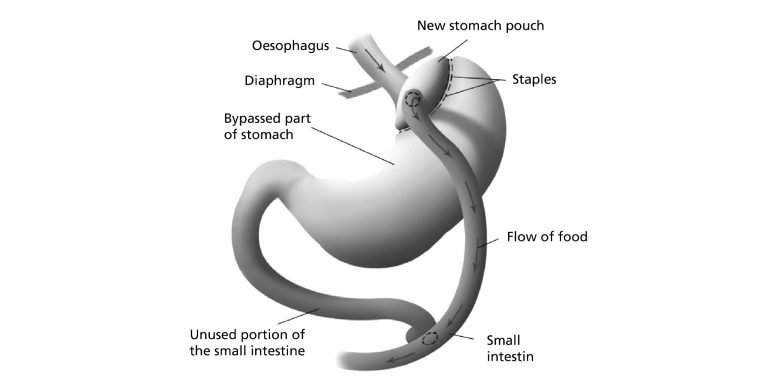
Gastric bypass surgery, also known as Roux-en-Y gastric bypass, involves creating a small pouch from the stomach and connecting it directly to the small intestine. This bypasses a large portion of the stomach and upper intestine.
This surgical approach limits food intake and reduces calorie absorption, making it easier for patients to lose weight consistently.
- Small stomach pouch limits food intake
- Bypasses part of the small intestine
- Reduces calorie and nutrient absorption
- Performed laparoscopically in most cases
Average Weight Loss After Surgery
Patients often want to know how much weight they can realistically lose. On average, individuals lose 60% to 80% of their excess body weight within 12 to 18 months after surgery.
However, results vary depending on lifestyle habits, adherence to diet, and physical activity levels.
- 60%–80% excess weight loss in most patients
- Rapid weight loss in first 6 months
- Gradual stabilization after 12–18 months
- Long-term success depends on lifestyle changes
Factors That Affect Weight Loss Results
Several internal and external factors influence the success of the surgery. These include medical history, discipline, and post-operative care.
Patients who strictly follow guidelines often achieve better and more sustainable outcomes.
- Patient’s initial BMI and overall health
- Commitment to diet and exercise plan
- Hormonal and metabolic conditions
- Psychological readiness for lifestyle change
Weight Loss Timeline After Surgery
Understanding the timeline helps patients set realistic expectations. Weight loss usually happens in phases, starting rapidly and then slowing down gradually.
Early Phase (0–3 Months)
- Rapid weight loss due to reduced intake
- Body adjusts to new stomach size
- Significant reduction in appetite
Mid Phase (3–9 Months)
- Steady fat loss continues
- Energy levels start improving
- Visible body transformation begins
Late Phase (9–18 Months)
- Weight stabilizes gradually
- Focus shifts to maintenance
- Lifestyle habits become crucial
- Most dramatic changes occur in first year
- Long-term results depend on discipline
- Regular follow-ups are essential
- Plateau phase is normal and expected
Diet Plan After Gastric Bypass
Diet plays a critical role in recovery and weight loss success. Patients must follow a structured eating plan to avoid complications and maximize results.
Post-Surgery Diet Stages
- Liquid diet in initial days
- Soft foods after first few weeks
- Gradual transition to solid foods
Healthy Eating Guidelines
- High-protein meals for muscle preservation
- Small, frequent portions
- Avoid sugary and high-fat foods
- Stay hydrated throughout the day
- Diet directly impacts weight loss success
- Poor eating habits can slow progress
- Nutrition counseling is highly recommended
- Supplements may be required
Exercise and Lifestyle Changes
Physical activity is essential for maintaining weight loss and improving overall health. Even light activity after surgery contributes significantly to recovery.
Regular movement helps improve metabolism and prevents weight regain.
- Walking recommended in early recovery
- Gradual introduction of strength training
- Improves cardiovascular health
- Enhances long-term fat loss
A healthy lifestyle also includes stress management, sleep regulation, and emotional well-being.
- Lifestyle change is permanent
- Exercise prevents weight regain
- Improves mental health and confidence
- Builds long-term discipline
Choosing the Right Surgical Expertise
Selecting an experienced professional is crucial for safe and successful outcomes. A qualified bariatric surgeon ensures proper evaluation, surgical precision, and post-operative care.
- Expertise reduces surgical risks
- Improves long-term success rates
- Ensures personalized treatment planning
- Provides ongoing patient support
Risks and Expectations
Like any major surgery, gastric bypass carries potential risks. However, complications are rare when performed by skilled surgeons and followed by proper care.
Patients should have realistic expectations about results and recovery.
- Possible infection or bleeding risks
- Nutritional deficiencies if unmanaged
- Temporary discomfort during recovery
- Requires lifelong dietary adjustments
- Risks are manageable with proper care
- Follow-up visits are essential
- Patient education reduces complications
- Success depends on commitment
Long-Term Weight Maintenance
After initial weight loss, maintaining results becomes the main focus. Patients must adopt lifelong habits to prevent weight regain.
Key Maintenance Strategies
- Balanced diet with controlled portions
- Regular physical activity
- Routine medical check-ups
- Avoiding unhealthy eating patterns
- Consistency is the key to success
- Lifestyle discipline ensures stability
- Support systems improve outcomes
- Weight maintenance is a lifelong commitment
Who Should Consider This Surgery?
This procedure is recommended for individuals struggling with severe obesity and related health conditions.
Ideal candidates typically include:
- Individuals with BMI above recommended range
- Patients with obesity-related diseases
- Those unable to lose weight through diet/exercise
- Individuals committed to lifestyle change
- Not suitable for temporary weight loss goals
- Requires psychological readiness
- Medical evaluation is essential
- Long-term commitment is necessary
Conclusion: A Life-Changing Weight Loss Journey
Understanding how much weight you can lose helps set realistic expectations before undergoing surgery. On average, patients achieve significant and life-changing results, especially when they follow medical guidance and adopt healthier habits.
Gastric Bypass in Islamabad continues to be a trusted solution for individuals seeking sustainable weight loss and improved health outcomes. With the right care, dedication, and professional support, patients can transform their lives and regain confidence.
For those considering this journey, expert guidance and personalized treatment plans are essential. At Slimthetics Clinic, patients receive comprehensive bariatric care designed to ensure safety, success, and long-term transformation—making your weight loss journey both effective and life-changing.