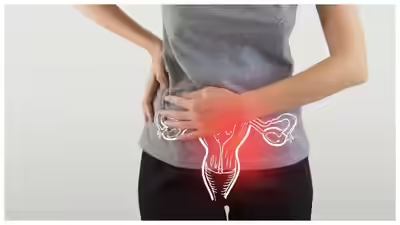
Polycystic Ovary Syndrome (PCOS) is a common hormonal condition affecting many women in India. It can influence menstrual health, skin condition, weight, and fertility. Cases have increased in recent years, especially in urban areas, raising concerns about their underlying causes. Many women question whether PCOS is linked to daily habits or inherited traits. Understanding this difference can guide better health decisions. To understand this further, it is important to examine symptoms, causes, and when medical guidance becomes necessary, often beginning with a search for a lady gynaecologist near me.
What is PCOS and Its Symptoms
PCOS affects the balance of reproductive hormones, which can disrupt ovulation and menstrual regularity. The symptoms may vary from person to person, but certain signs are commonly observed and should not be ignored. In many cases, these symptoms develop gradually, making them easy to overlook in the early stages.
Some of the common symptoms include:
- Irregular or missed menstrual cycles
- Persistent acne or oily skin
- Excess hair growth on the face or body
- Unexplained weight gain or difficulty managing weight
- Thinning hair on the scalp
Recognising these symptoms early can help individuals seek timely care and better manage the condition over time.
The Role of Genetics in PCOS
Genetics can play an important role in how PCOS develops and presents in different individuals. While not all cases are inherited, family history can increase the likelihood of experiencing similar hormonal patterns.
Key genetic influences include:
- A family history of PCOS, especially in mothers or sisters, may increase the risk
- Inherited hormonal imbalances that affect ovulation and menstrual cycles
- Differences in how the body responds to insulin, which can impact hormone levels
- Internal genetic factors that are not visible but influence long-term health patterns
- Variation in symptom severity, where some individuals may have mild changes while others experience more noticeable effects
These factors explain why PCOS can occur even in those who maintain a balanced lifestyle, highlighting the role of underlying genetic predisposition.
Lifestyle Factors Driving PCOS in India
Lifestyle changes in recent years have contributed significantly to the rise of PCOS cases in India. Daily habits, especially in urban settings, can influence hormonal balance and overall health. These patterns often develop over time and may not be immediately recognised as risk factors.
Key lifestyle factors include:
- Reduced physical activity due to sedentary routines
- High intake of processed foods and refined carbohydrates
- Irregular eating habits and long gaps between meals
- Increased stress levels and inadequate sleep
- Prolonged screen time and limited outdoor activity
These factors can affect metabolism and insulin levels, which may worsen hormonal imbalance and make symptoms more noticeable.
Lifestyle vs Genetics: What Matters More?
PCOS is rarely caused by a single factor. It often develops through a combination of genetic and lifestyle influences. Genetics may increase susceptibility, while lifestyle patterns such as diet, activity levels, and stress can trigger or worsen symptoms over time.
For instance, a family history may not lead to symptoms unless certain habits come into play. At the same time, unhealthy routines can contribute even without genetic links. While genetics cannot be changed, improving daily habits can help manage symptoms and support overall health.
When to Seek Medical Guidance
Recognising when to seek medical advice is an important step in managing PCOS. If symptoms persist or begin to interfere with daily life, it is advisable to consult a qualified specialist for proper evaluation. Early diagnosis also helps in preventing associated health concerns such as metabolic changes or reproductive challenges.
You should consider seeking medical guidance if you experience:
- Irregular or absent menstrual cycles over several months
- Persistent acne that does not improve with basic care
- Noticeable weight changes without clear reasons
- Difficulty conceiving or planning a pregnancy
- Excess hair growth or hair thinning
Many women begin their search with terms like lady gynaecologist near me when they notice these concerns. A gynaecologist can assess symptoms, recommend appropriate tests, and guide individuals with suitable care options.
Conclusion
PCOS in India is influenced by both genetic and lifestyle factors rather than a single cause. While inherited traits may increase the likelihood of developing the condition, daily habits often shape how it presents and progresses. Recognising symptoms early and making informed lifestyle choices can help manage the condition effectively. Seeking timely medical guidance ensures proper evaluation and care. With awareness and consistent attention to health, women can take meaningful steps towards maintaining hormonal balance and overall well-being.